NEED SUPPORT WITH YOUR ORDER? Get in touch
Not satisfied with your purchase?
Enter your Order ID on website, and we'll resolve it right away.





Original price was: $35.98.$19.99Current price is: $19.99.
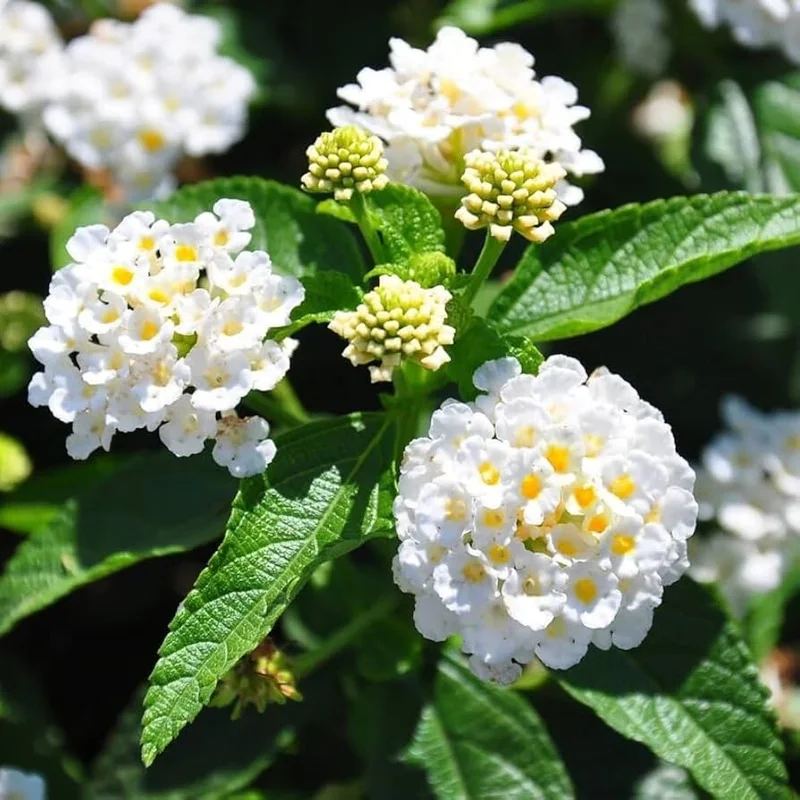
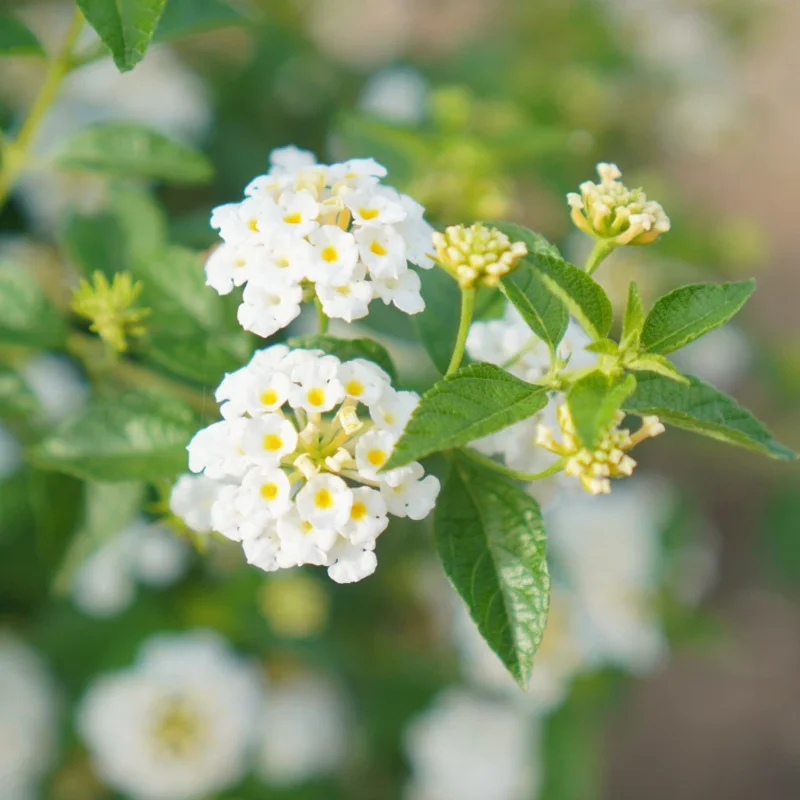
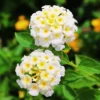
Add elegance and continuous color to your garden with a white lantana live plant. These 4-6 inch seedlings are perfect for garden beds, hanging baskets, or as ground cover. Enjoy vibrant blooms and attract beneficial pollinators.
Mar 03
Mar 08 - Mar 10
Mar 13 - Mar 17
USDA Hardiness Zone
Soil Type
Sunlight Exposure
Expected Planting Period
Shipping and return policies: Our Alive & Thrive Guarantee covers issues with your plants within the first 30 days. Get in touch with us via email, and our team will review your concerns and, if necessary, provide you with a one-time replacement at no cost.
If you're unsure about your hardiness zone, feel free to reach out to us. Our team will answer your questions and help you find the plants that are truly suitable for your environment, climate, and personal preferences.
Transform your outdoor space with the stunning beauty of a white lantana live plant. These vibrant flowering shrubs are delivered as healthy 4-6 inch seedlings, ready to bring an immediate touch of charm and elegance to any garden. Known for their prolific clusters of delicate white blossoms, Lantana camara are a favorite among gardeners for their continuous blooming habit throughout the warmer months. Whether you’re a seasoned gardener or just starting out, these easy-to-grow plants are an excellent choice for adding consistent color and life to your landscape. The white lantana live plant is a versatile addition, thriving in various settings and requiring minimal fuss once established. Prepare to enjoy a season full of beautiful flowers and the delightful activity of pollinators in your garden.
Investing in a white lantana live plant offers numerous advantages for your garden and local ecosystem. These plants are not only visually appealing but also contribute to a healthier outdoor environment:
Ensuring your white lantana live plant thrives requires understanding its basic needs for sunlight, water, and soil. These plants are relatively forgiving, making them suitable for gardeners of all experience levels. For optimal growth and prolific flowering, plant your lantana in a location that receives full sun, meaning at least 6-8 hours of direct sunlight per day. Adequate light is crucial for abundant blooms and healthy foliage. When considering white lantana care, remember that they prefer well-drained soil. Avoid heavy clay soils that retain too much moisture, as this can lead to root rot. If your soil is dense, amend it with organic matter like compost to improve drainage.
Water your newly planted seedlings regularly to help them establish, keeping the soil consistently moist but not waterlogged. Once established, lantanas are quite drought-tolerant and prefer the soil to dry out slightly between waterings. Overwatering is a common mistake, so always check the soil moisture before adding more water. Fertilize sparingly; an all-purpose balanced fertilizer applied in spring can encourage new growth and flowering, but too much fertilizer can lead to more foliage and fewer blooms. Pruning is beneficial to maintain shape, encourage bushier growth, and promote continuous flowering. Deadhead spent blooms by pinching or clipping them off to encourage the plant to produce more flowers. In colder climates, treat your lantana as an annual, or bring potted plants indoors before the first frost. For those interested in lantana plant outdoor cultivation, understanding these simple steps will lead to a beautiful and flourishing display.
Each purchase includes a healthy white lantana live plant, delivered as a 4-6 inch seedling. These young plants are carefully packaged to ensure they arrive in excellent condition, ready for planting. Lantanas are known for their vigorous growth, and these seedlings will quickly establish themselves in your garden. Mature plants typically reach a height of 1 to 6 feet and spread 2 to 4 feet wide, depending on the climate and growing conditions. They have a moderate growth rate, quickly filling out garden spaces or containers with their attractive foliage and abundant blooms. Expect your lantana to begin flowering shortly after planting, providing continuous color throughout the growing season. The plants are shipped in a nursery pot with soil, ensuring minimal transplant shock and a smooth transition to your garden or larger container.
You must be logged in to post a review.
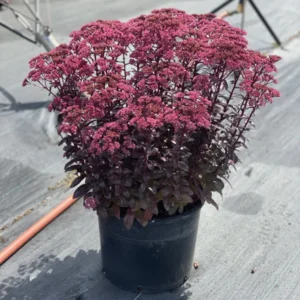
Flowers
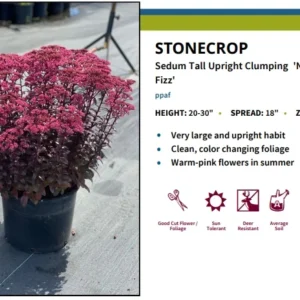
Cherry Fizz Stonecrop Sedum Perennial Live Plant – 3″ Pot – Bronze to Pink Flowers – Outdoor
Sold 70 products
Original price was: $49.99.$37.99Current price is: $37.99.
Sold 74 products
Original price was: $76.99.$46.99Current price is: $46.99.
Sold 63 products
Original price was: $49.96.$24.98Current price is: $24.98.
Sold 61 products
Original price was: $53.98.$26.99Current price is: $26.99.
Sold 84 products
Original price was: $75.99.$61.99Current price is: $61.99.
Sold 93 products
Original price was: $78.99.$48.99Current price is: $48.99.
Sold 77 products
Original price was: $55.98.$27.99Current price is: $27.99.
Sold 95 products
Original price was: $33.98.$16.99Current price is: $16.99.
Reviews
There are no reviews yet.