NEED SUPPORT WITH YOUR ORDER? Get in touch
Not satisfied with your purchase?
Enter your Order ID on website, and we'll resolve it right away.

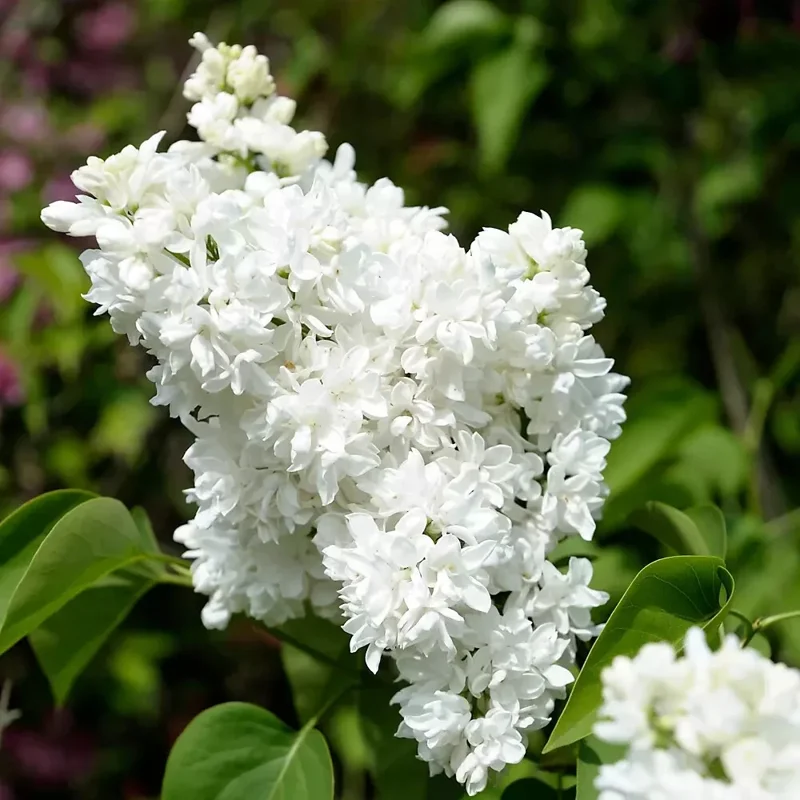
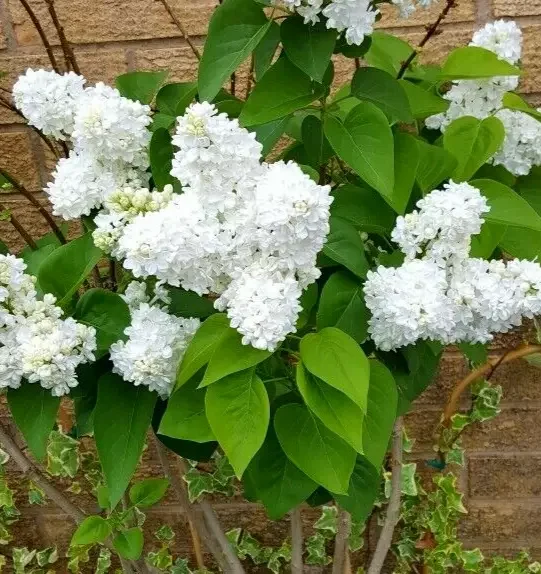
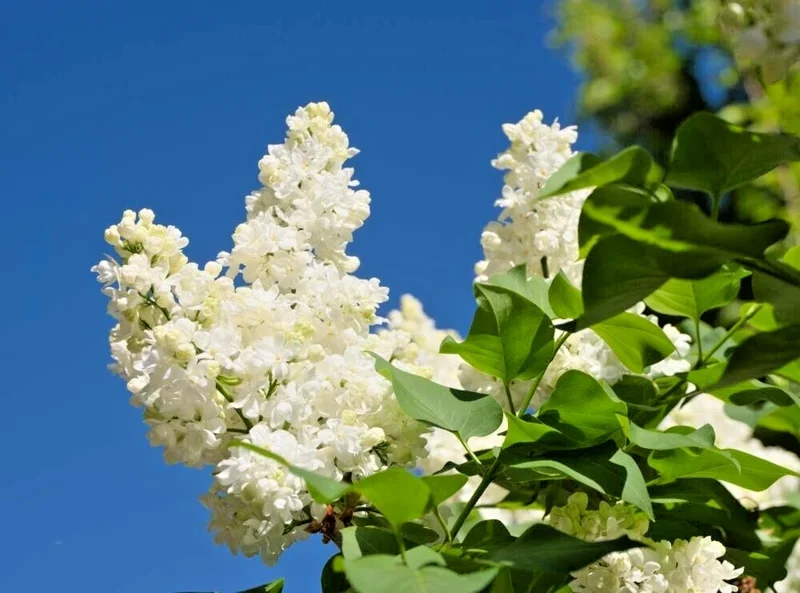
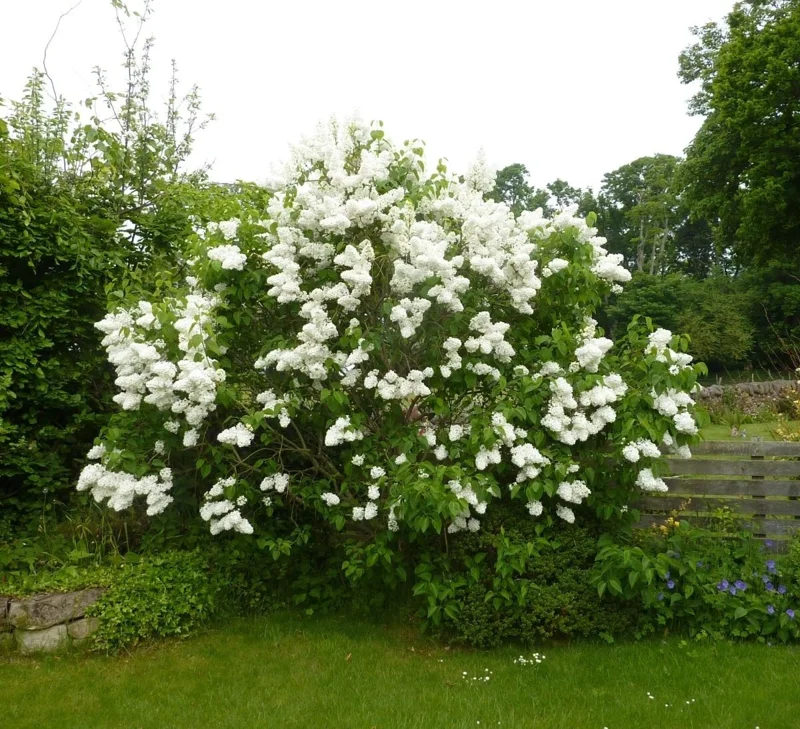

Original price was: $65.99.$35.99Current price is: $35.99.
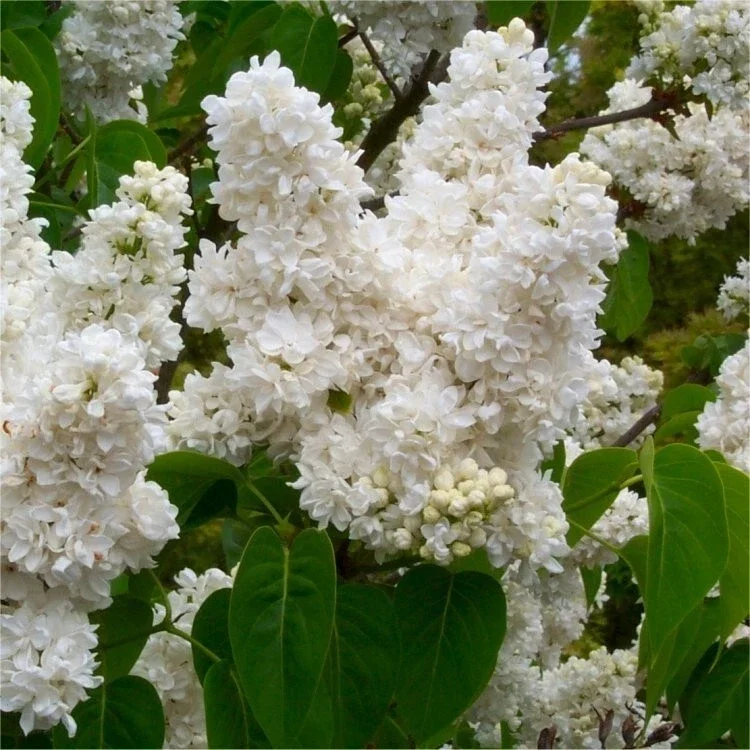
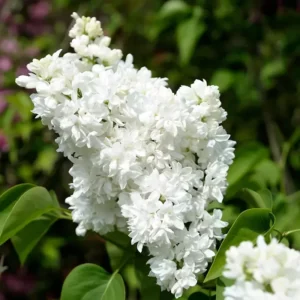
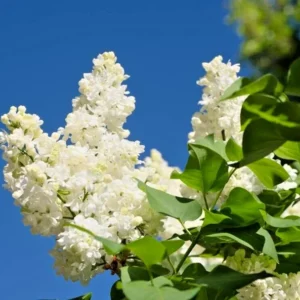
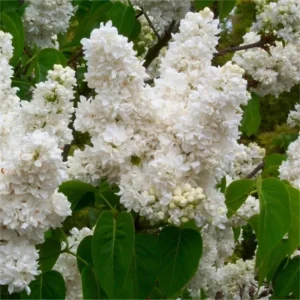
Cultivate a breathtaking, fragrant garden with this white lilac tree bare roots 5-pack. Each Syringa vulgaris start measures 5-8 inches, ready to establish into a robust, hardy flowering shrub. Enjoy stunning white blooms and an intoxicating sweet scent, perfect for attracting pollinators and enhancing your outdoor space.
Feb 04
Feb 09 - Feb 11
Feb 14 - Feb 18
USDA Hardiness Zone
Soil Type
Sunlight Exposure
Expected Planting Period
Shipping and return policies: Our Alive & Thrive Guarantee covers issues with your plants within the first 30 days. Get in touch with us via email, and our team will review your concerns and, if necessary, provide you with a one-time replacement at no cost.
If you're unsure about your hardiness zone, feel free to reach out to us. Our team will answer your questions and help you find the plants that are truly suitable for your environment, climate, and personal preferences.
Transform your outdoor space into a fragrant haven with these premium white lilac tree bare roots. Each package provides you with 5 healthy Syringa vulgaris bare root starts, measuring approximately 5 to 8 inches, complete with robust roots ready for planting. These hardy flowering shrubs are celebrated for their enchanting white blossoms and intoxicating sweet scent, making them a timeless addition to any landscape. While patience is key, as it typically takes about three years for these starts to produce their first spectacular blooms, the enduring beauty and delightful aroma they bring year after year are truly rewarding. Investing in these bare root lilac plants means cultivating a legacy of natural elegance and sensory pleasure for your home garden. The fragrant lilac is a perennial favorite, known for its resilience and ability to thrive in various conditions, particularly in regions with cooler temperatures and frost. These starts are an economical and effective way to establish a stunning collection of these beloved shrubs, promising years of visual and aromatic appeal. Prepare to be captivated by the abundant white blooms that signify the arrival of spring, turning your garden into a serene and inviting sanctuary.
Adding these white lilac tree bare roots to your garden offers a multitude of advantages, enhancing both the aesthetic and ecological value of your outdoor environment. These benefits include:
Caring for your white lilac tree bare roots involves understanding their basic needs to ensure vigorous growth and abundant blooms. Lilacs thrive in full sun, requiring at least 6 hours of direct sunlight each day for optimal flowering. Choose a planting site that receives ample sunlight throughout the day. When it comes to soil, lilacs prefer well-drained soil with a slightly alkaline pH. Amending your soil with compost or other organic matter before planting can significantly improve drainage and fertility, providing an ideal environment for your new starts. Avoid heavy, waterlogged soils, as these can lead to root rot.
Watering is crucial during the establishment phase. Keep the soil consistently moist but not saturated, especially during dry periods in the first year after planting. Once established, lilacs are relatively drought-tolerant but will benefit from deep watering during prolonged dry spells. Fertilize sparingly; an annual application of a balanced, slow-release fertilizer in early spring can support healthy growth and flowering. Pruning should be done after flowering to maintain shape and encourage new blooms for the following season. Remove any dead, damaged, or crossing branches. These hardy flowering shrub plants require a period of frost to ensure they return year after year, making them particularly well-suited for regions that experience cooler temperatures. Without sufficient frost, they may not exhibit perennial behavior. If you live in a warmer climate, consider selecting larger starts for better adaptation, though perennial success is still dependent on cold exposure.
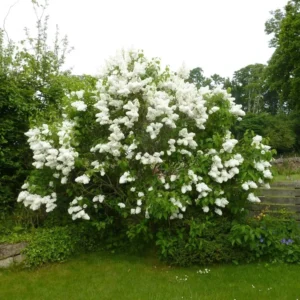
Each package contains 5 white lilac tree bare roots of Syringa vulgaris, with individual starts measuring approximately 5 to 8 inches in length. These are shipped as dormant bare roots, meaning they arrive without soil or foliage, ready for immediate planting upon arrival. This method ensures robust root establishment in your garden. Once mature, these plants can reach an impressive height of 8 to 15 feet and spread 6 to 12 feet wide, depending on growing conditions and care. While it typically takes around three years for these bare root starts to mature and produce their first enchanting white flowers, the eventual display of a fragrant lilac bush is well worth the anticipation. The growth rate can be moderate, and with proper care, these plants will become a prominent and beloved feature in your landscape for many years, helping you to cultivate lilac beauty.
You must be logged in to post a review.
Sold 99 products
Original price was: $53.98.$26.99Current price is: $26.99.
Sold 65 products
Original price was: $74.99.$44.99Current price is: $44.99.
Sold 70 products
Original price was: $89.98.$44.99Current price is: $44.99.
Sold 57 products
Original price was: $37.98.$18.99Current price is: $18.99.
Sold 63 products
Original price was: $77.99.$47.99Current price is: $47.99.
Sold 99 products
Original price was: $49.98.$24.99Current price is: $24.99.
Sold 53 products
Original price was: $45.98.$22.99Current price is: $22.99.
Sold 96 products
Original price was: $70.99.$40.99Current price is: $40.99.

Reviews
There are no reviews yet.