NEED SUPPORT WITH YOUR ORDER? Get in touch
Not satisfied with your purchase?
Enter your Order ID on website, and we'll resolve it right away.

Original price was: $77.99.$44.99Current price is: $44.99.
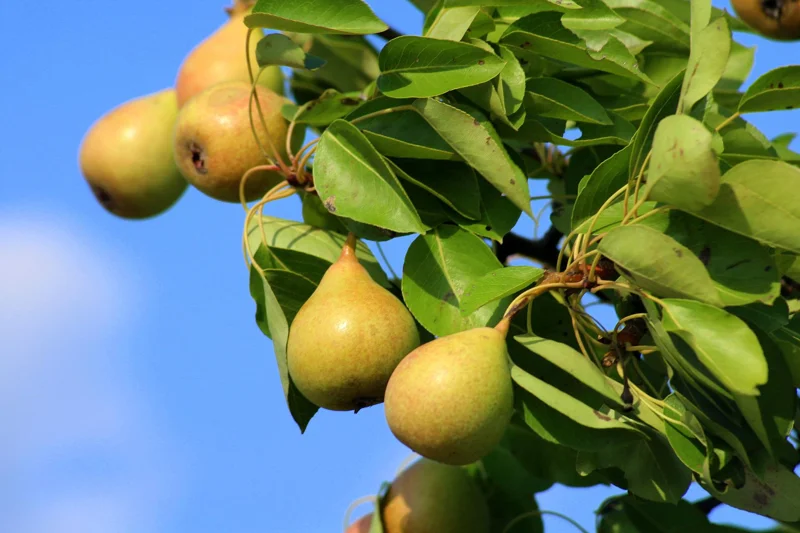
Bring natural beauty and ecological value to your garden with a wild pear tree live plant. This pyrus communis ornamental tree provides stunning white spring blooms, edible fruit that attracts wildlife, and a graceful pyramidal form. Shipped as a hardy 18-24 inch bare root sapling, it’s perfect for creating a vibrant outdoor space.
Mar 03
Mar 08 - Mar 10
Mar 13 - Mar 17
USDA Hardiness Zone
Soil Type
Sunlight Exposure
Expected Planting Period
No Shipping To
Shipping and return policies: Our Alive & Thrive Guarantee covers issues with your plants within the first 30 days. Get in touch with us via email, and our team will review your concerns and, if necessary, provide you with a one-time replacement at no cost.
If you're unsure about your hardiness zone, feel free to reach out to us. Our team will answer your questions and help you find the plants that are truly suitable for your environment, climate, and personal preferences.
Introduce a touch of wild elegance and ecological richness to your outdoor space with the wild pear tree live plant (Pyrus communis). As the ancestral species to all cultivated pears, this remarkable tree offers a unique combination of ornamental appeal and practical benefits. It’s a vigorous grower, known for its heavy fruit production and graceful, swaying silhouette that can reach impressive heights of 20 to 50 feet. The slightly pyramidal form makes it an attractive addition to any landscape, providing both shade and visual interest. Beyond its aesthetic qualities, the pyrus communis ornamental is a living ecosystem, attracting a diverse array of wildlife, transforming your backyard into a bustling natural habitat.
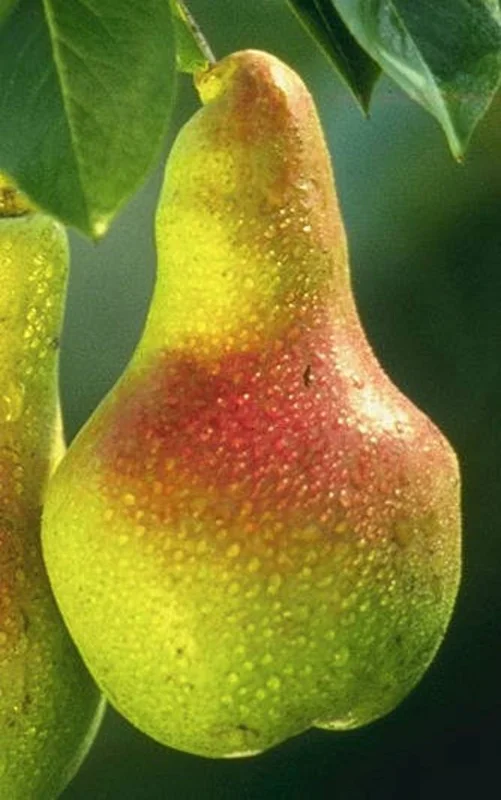
In spring, typically April and May, the wild pear tree live plant bursts into a spectacular display of white flowers, enhancing its ornamental value. These delicate blooms are not only visually stunning but also serve as a harbinger of the delicious fruit to come. Following the blooms, round, 1-2 inch fruits develop, starting green and ripening to a vibrant yellow by November. While these pears may not be as sweet as commercially cultivated varieties, they are perfectly edible and highly attractive to local wildlife. This makes the wild pear tree live plant an invaluable asset for anyone looking to attract birds and other animals to their garden, creating a truly dynamic and engaging outdoor environment.
Cultivating this hardy pear tree is surprisingly straightforward. It is field grown and shipped bare root in a dormant state, a method that promotes stronger root development and significantly reduces transplant shock, ensuring a successful establishment in your garden. Thriving across USDA growing zones 3-10, it demonstrates remarkable adaptability to various climates. For optimal growth and fruit production, the Wild Pear Tree requires full sun exposure. Easy-to-follow growing instructions are included, guaranteeing a smooth transition for your new tree and allowing you to enjoy the beauty and benefits of this versatile species with confidence.
The wild pear tree live plant offers a multitude of advantages for gardeners and nature enthusiasts alike, blending aesthetic appeal with ecological functionality. Its robust nature and versatile characteristics make it an excellent long-term investment for any landscape.
Caring for your wild pear tree live plant is relatively straightforward, allowing it to flourish and provide years of beauty and bounty. Proper planting and consistent care in its early years will ensure a strong and healthy tree. Selecting the right location is paramount for optimal growth and fruit production. This tree is best suited for outdoor environments.
For sunlight, the wild pear tree live plant demands full sun exposure, meaning it needs at least 6 hours of direct sunlight daily. Planting it in a spot that receives ample sun will maximize its growth rate and encourage prolific fruit development. When it comes to soil, it is quite adaptable but prefers well-draining soil. While it can tolerate various soil types, ensuring good drainage is crucial to prevent root rot. If your soil is heavy clay, consider amending it with organic matter like compost to improve its structure and drainage. Watering is essential, especially during the first few growing seasons. Keep the soil consistently moist but not waterlogged. Once established, the hardy pear tree becomes more drought-tolerant, but supplemental watering during prolonged dry spells will benefit fruit production.
The wild pear tree live plant is highly resilient, thriving in USDA growing zones 3-10. This broad range highlights its ability to withstand diverse temperature fluctuations, making it suitable for many climates across the United States. Fertilization can be beneficial, particularly for young trees, to encourage vigorous growth. Use a balanced, slow-release fertilizer in early spring before new growth begins. Common problems are generally few for this robust species, but watch for typical fruit tree pests or diseases and address them promptly with organic or conventional solutions. Pruning should focus on removing dead, damaged, or crossing branches to maintain good air circulation and tree structure. This wildlife friendly pear tree is generally low-maintenance, making it an excellent choice for a productive and beautiful garden addition.
Your wild pear tree live plant will arrive as a healthy, bare root sapling, shipped in a dormant state to ensure the best chances of successful transplanting and vigorous growth. The shipping height of the sapling is typically between 18-24 inches, providing a well-established young tree ready to take root in your garden. This initial size allows for easy handling and planting, promoting strong root development once placed in its permanent location. The bare root method ensures that the tree’s energy is focused on root establishment rather than supporting foliage during transit.
At maturity, the wild pear tree live plant is a substantial specimen, capable of reaching impressive heights of 20 to 50 feet with a spread of 15-30 feet, forming a distinctive pyramidal shape. This growth habit makes it an excellent choice for providing shade and a strong vertical element in your landscape. While growth rates vary depending on climate and care, you can expect moderate to fast growth once established. The tree will begin to produce its characteristic 1-2 inch fruits, which transition from green to a vibrant yellow, typically in November. This fruit bearing tree will continue to be a source of beauty and a draw for wildlife for many years.
You must be logged in to post a review.
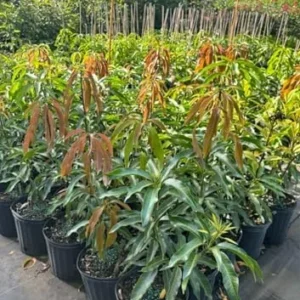
Sold 78 products
Original price was: $319.98.$159.99Current price is: $159.99.
Sold 85 products
Original price was: $319.98.$159.99Current price is: $159.99.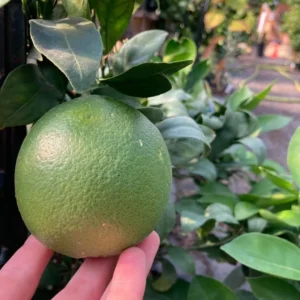
Sold 83 products
Original price was: $259.78.$129.89Current price is: $129.89.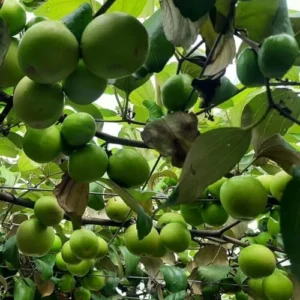
Sold 89 products
Original price was: $359.98.$179.99Current price is: $179.99.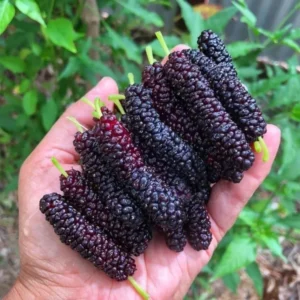
Sold 59 products
Original price was: $55.98.$27.99Current price is: $27.99.
Sold 86 products
Original price was: $99.98.$49.99Current price is: $49.99.
Sold 87 products
Original price was: $256.36.$128.18Current price is: $128.18.
Sold 72 products
Original price was: $219.98.$109.99Current price is: $109.99.
Reviews
There are no reviews yet.