NEED SUPPORT WITH YOUR ORDER? Get in touch
Not satisfied with your purchase?
Enter your Order ID on website, and we'll resolve it right away.





Original price was: $175.99.$156.99Current price is: $156.99.
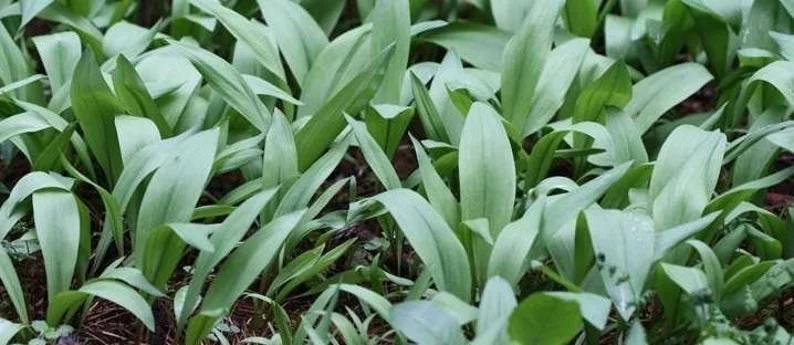
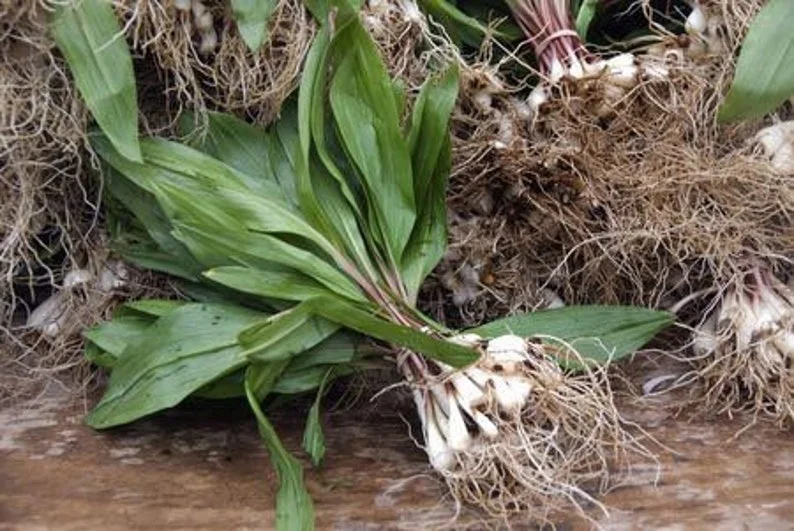
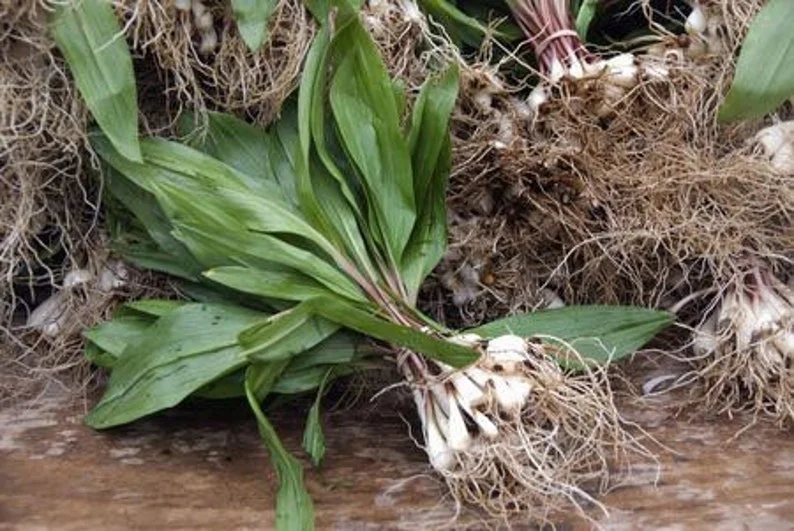
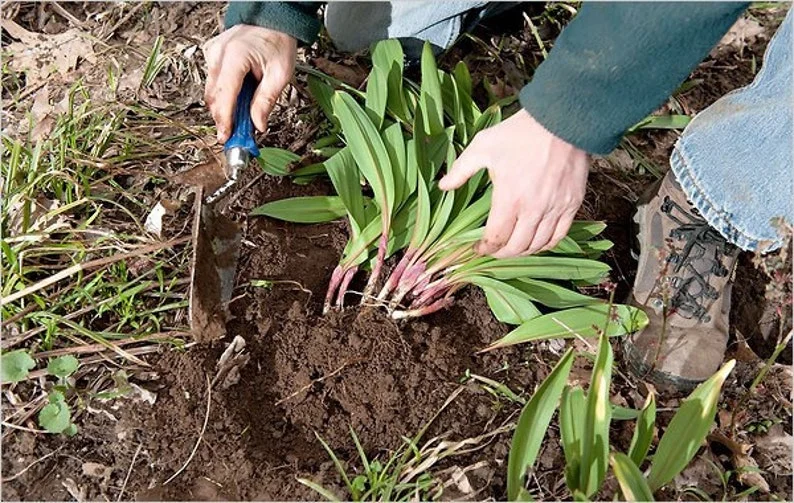
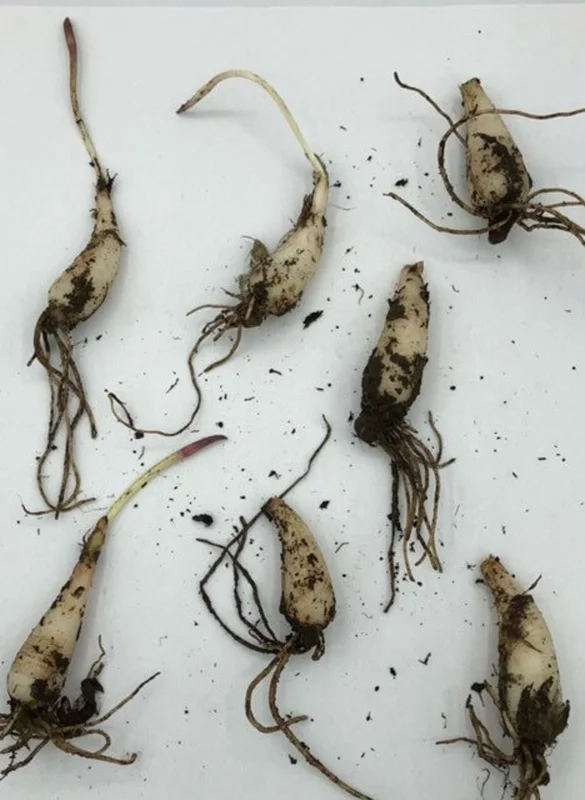
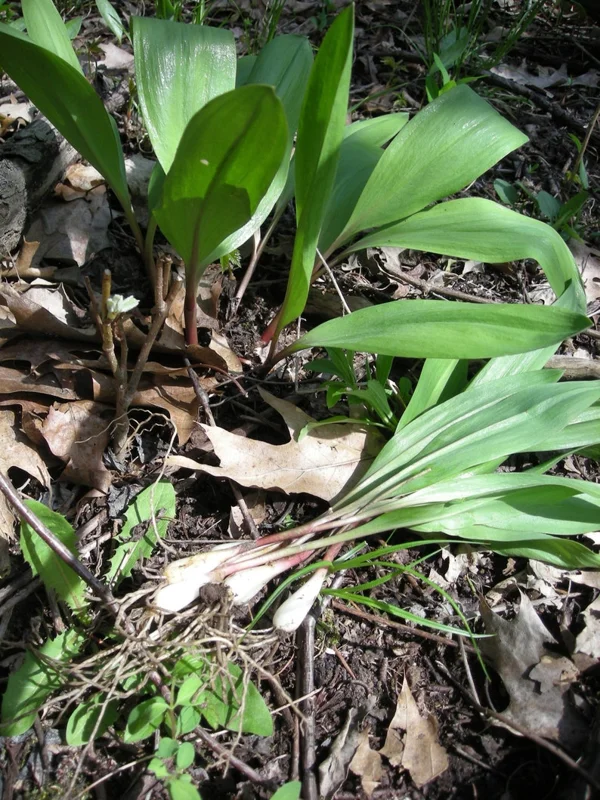
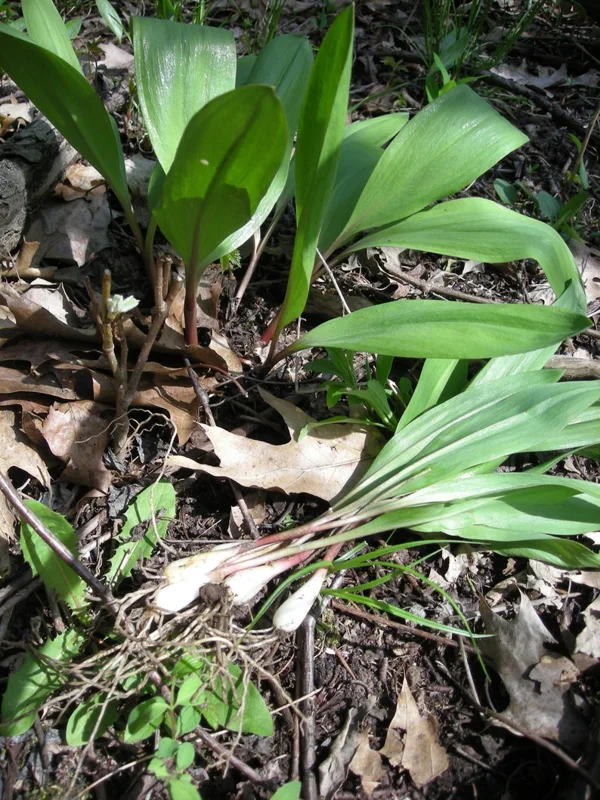
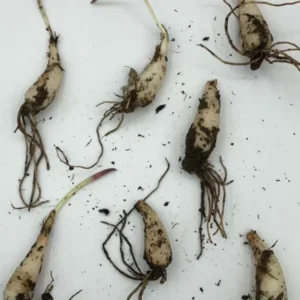
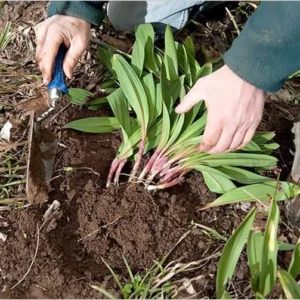
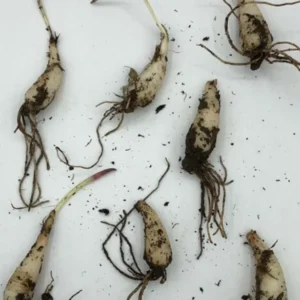
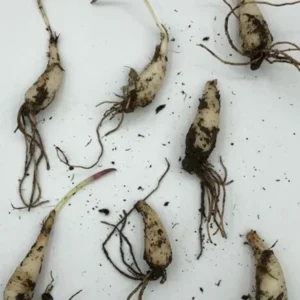
Cultivate your own sustainable harvest with 100 Wild Ramps Bulbs. These organic ramps (Allium tricoccum) are bare root and ready for planting, offering a unique garlic-onion flavor. Perfect for shady garden spots, they support local ecosystems and provide a delicious edible.
Mar 03
Mar 08 - Mar 10
Mar 13 - Mar 17
USDA Hardiness Zone
Soil Type
Sunlight Exposure
Expected Planting Period
Shipping and return policies: Our Alive & Thrive Guarantee covers issues with your plants within the first 30 days. Get in touch with us via email, and our team will review your concerns and, if necessary, provide you with a one-time replacement at no cost.
If you're unsure about your hardiness zone, feel free to reach out to us. Our team will answer your questions and help you find the plants that are truly suitable for your environment, climate, and personal preferences.
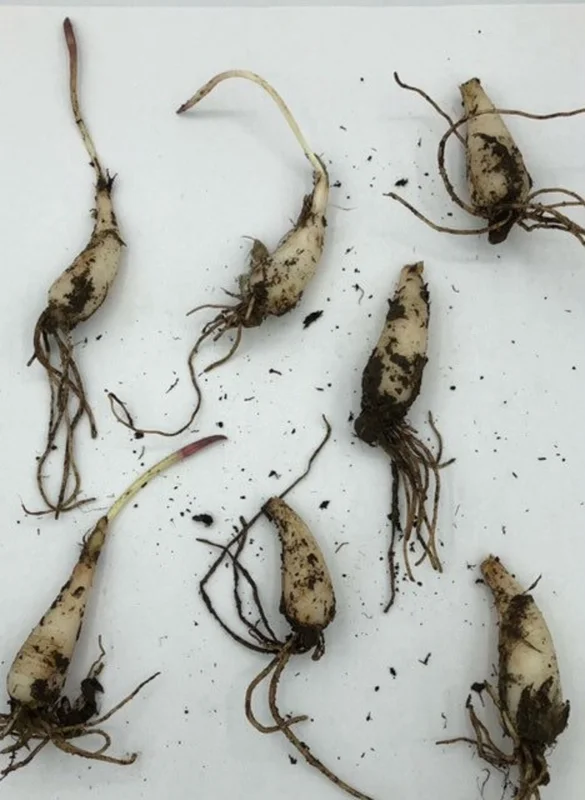
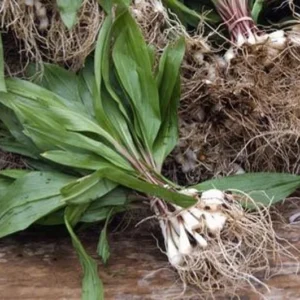
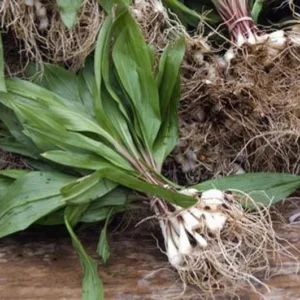
Embark on a culinary and ecological journey with our premium selection of wild ramps bulbs. Each order contains 100 bare root Allium tricoccum bulbs, meticulously grown and harvested organically to ensure optimal health and vigor for planting. Often referred to as wild leeks, these native woodland plants are highly prized for their distinctive garlic-onion flavor, making them a gourmet addition to any kitchen. Planting these bulbs not only provides a delicious and sustainable food source but also contributes positively to local ecosystems by supporting native pollinators and wildlife. Our organic ramps are shipped fresh, ready for you to establish your own patch of these elusive and delightful edibles.
Plant wild leeks in your garden and enjoy the satisfaction of harvesting your own flavorful produce for years to come. These bulbs are an excellent choice for gardeners looking to add unique edible native plants to their landscape. They thrive in conditions that mimic their natural forest habitat, preferring shady, moist environments. With proper care, these bulbs will establish and slowly spread, offering a long-term yield of tender leaves and flavorful bulbs.
Growing your own wild ramps bulbs offers a multitude of rewards, from enhancing your culinary endeavors to enriching your garden’s biodiversity. These unique plants are more than just an edible; they are a valuable addition to a sustainable and thriving landscape.
Successfully cultivating wild ramps bulbs involves replicating their natural woodland environment. These plants prefer partial to full shade, especially during the warmer parts of the day. A location under deciduous trees is ideal, as they receive sunlight in early spring before the tree canopy fills in, and then benefit from shade during summer. The soil should be moist, well-drained, and rich in organic matter. Incorporating compost or well-rotted leaf mold will greatly improve soil fertility and drainage, providing the perfect conditions for your allium tricoccum bulbs to thrive.
Plant your bare root bulbs in the fall, typically in September or October, about 2-3 inches deep with the pointed end facing upwards. This allows them to establish roots before winter, giving them a head start in the spring. Consistent moisture is crucial, particularly during dry spells. However, avoid waterlogging, as this can lead to rot. While wild ramps are slow growers, patience is key. It may take several years before you can begin a sustainable harvest. Fertilization is generally not necessary if the soil is rich in organic matter, but a light application of a balanced organic fertilizer can be beneficial in poor soils. Protect your young plants from excessive foot traffic and ensure they have adequate space to spread. Understanding how to go about growing wild leeks is the best way to ensure a successful, lasting patch.
When it comes to harvesting, sustainability is paramount. Only harvest a small percentage of the plants in a given area each year (no more than 10-20%) to ensure the population can regenerate and continue to provide for future harvests. Over-harvesting can severely deplete a patch. Focus on harvesting only the leaves from some plants and bulbs from others, rotating your harvest areas. This careful approach ensures a continuous supply of your delicious organic ramps.
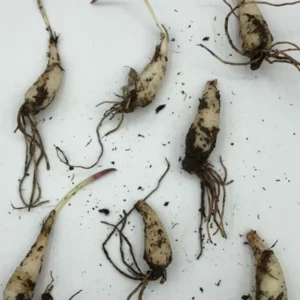
This offering includes 100 Wild Ramps Bulbs, provided in a bare root state. Shipping them without foliage minimizes stress during transit and maximizes their chances of successful establishment in your garden. Each bulb is carefully selected to ensure quality and viability. When mature, wild ramps typically grow 6-12 inches tall with broad, flat leaves that emerge in early spring. The bulbs themselves are small, white, and elongated. These are perennial plants, meaning they will return year after year once established.
Wild ramps are known for their slow growth rate; it can take 5-7 years for a patch to reach a size suitable for sustainable harvesting. They spread gradually through underground rhizomes and seed production. The bulbs are best planted in the fall for optimal root development before winter. While specific dimensions vary, these bulbs are of a planting size suitable for immediate garden integration. You’re investing in a long-term, high-value edible crop that will enrich your garden for decades.
You must be logged in to post a review.
Sold 87 products
Original price was: $39.90.$17.99Current price is: $17.99.
Sold 94 products
Original price was: $19.98.$9.99Current price is: $9.99.
Sold 100 products
Original price was: $62.99.$48.99Current price is: $48.99.
Sold 60 products
Original price was: $25.90.$15.99Current price is: $15.99.
Sold 89 products
Original price was: $49.99.$37.99Current price is: $37.99.
Sold 68 products
Original price was: $30.99.$18.99Current price is: $18.99.
Sold 58 products
Original price was: $17.90.$14.90Current price is: $14.90.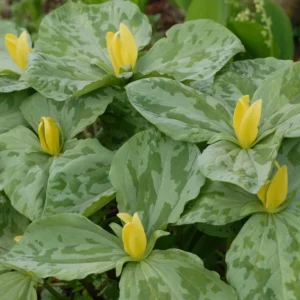
Flower Bulbs
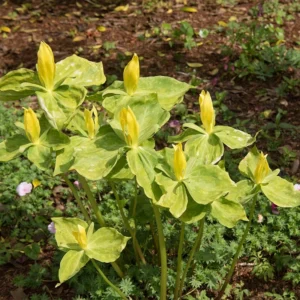
Yellow Trillium Luteum Bulbs – Yellow Wake Robin Wildflower Pips – 2 Count – Shade Plant
Sold 57 products
Original price was: $49.99.$37.99Current price is: $37.99.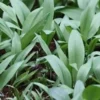
Reviews
There are no reviews yet.