NEED SUPPORT WITH YOUR ORDER? Get in touch
Not satisfied with your purchase?
Enter your Order ID on website, and we'll resolve it right away.

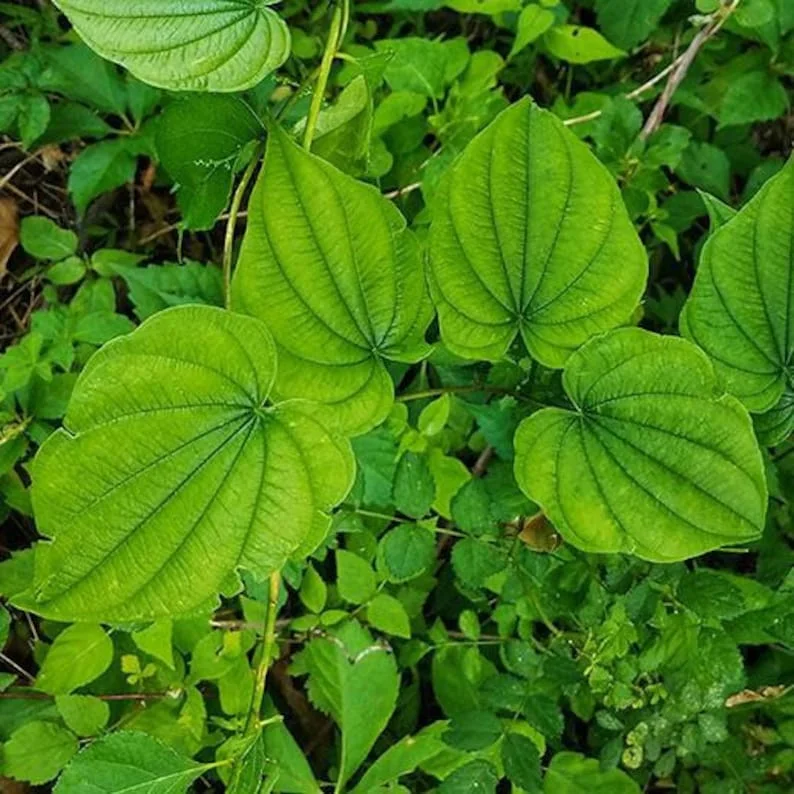
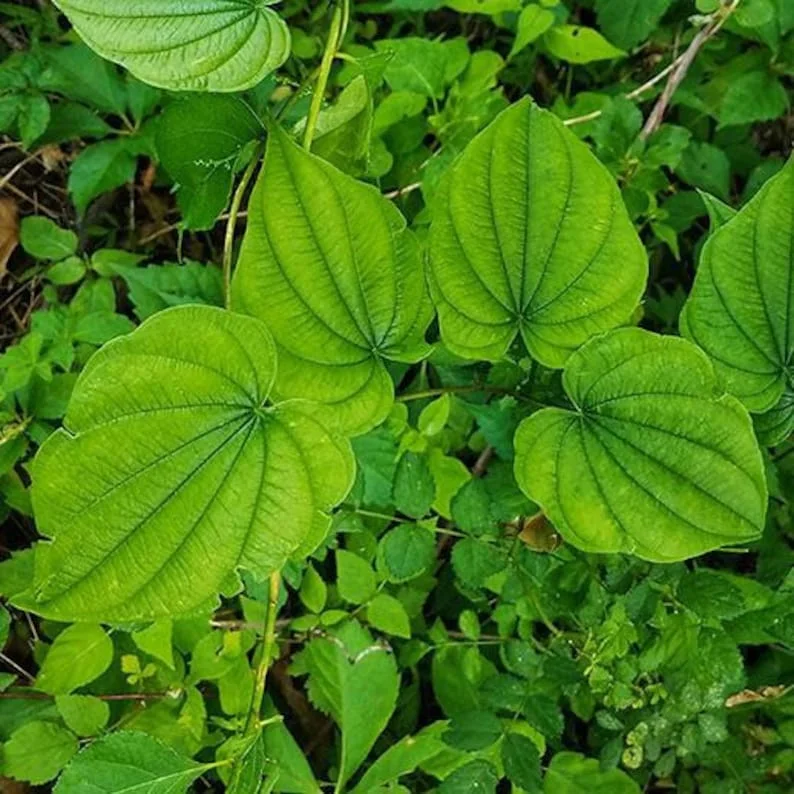
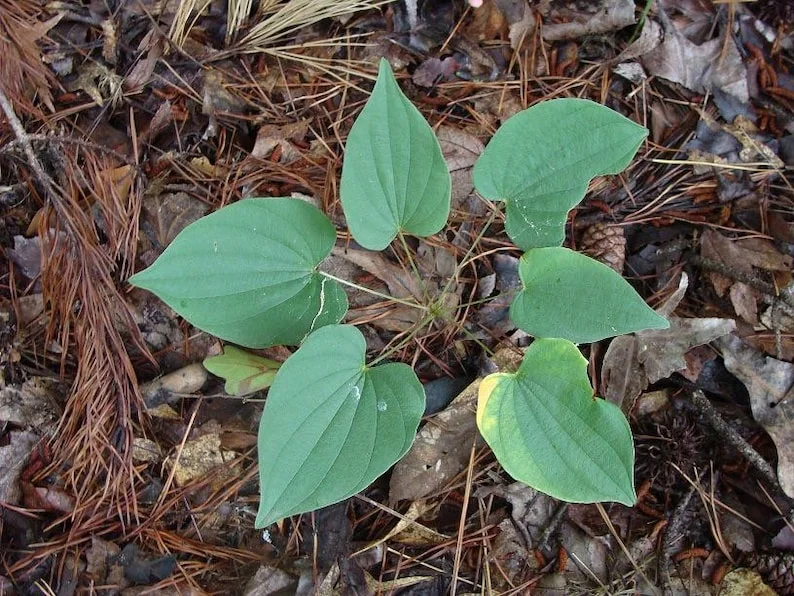
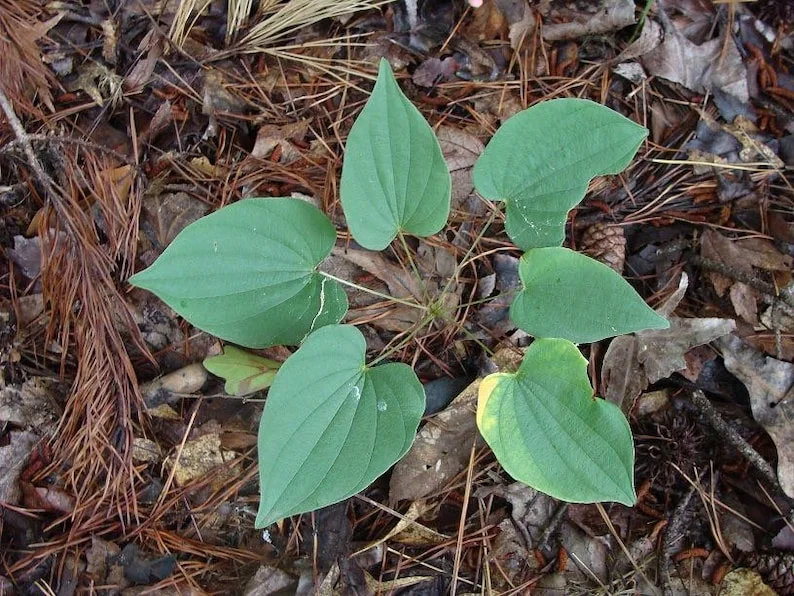
Original price was: $66.99.$36.99Current price is: $36.99.
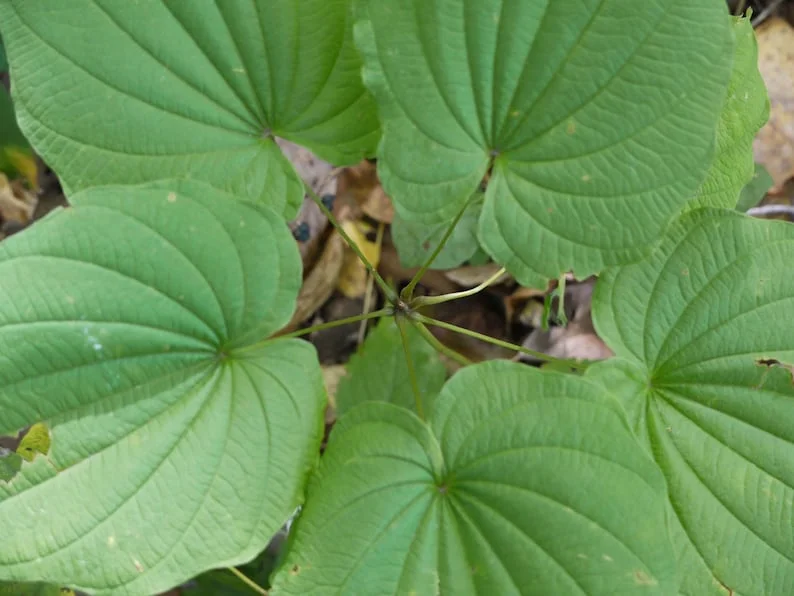
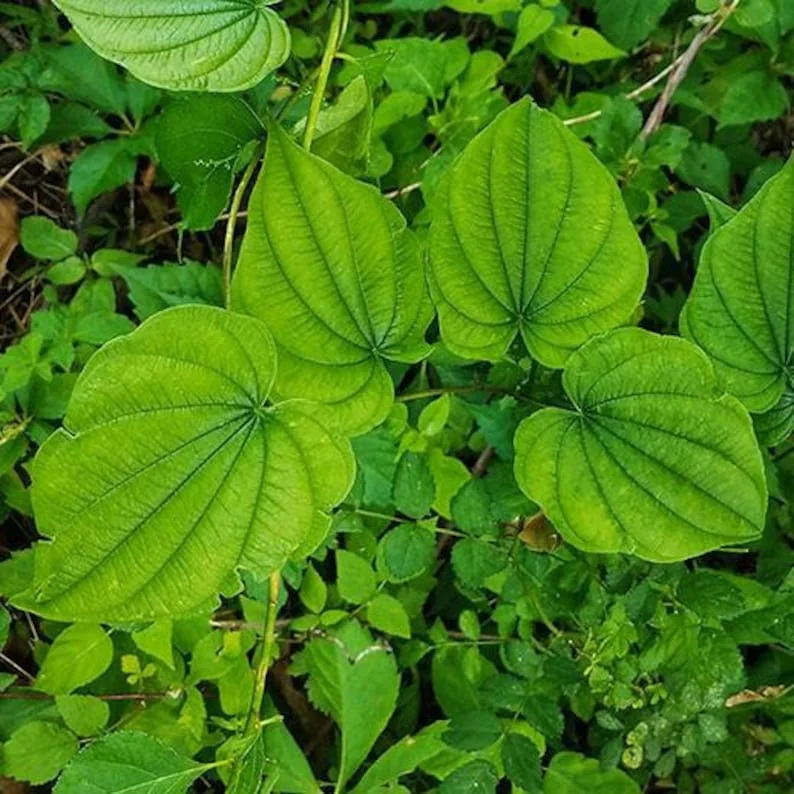
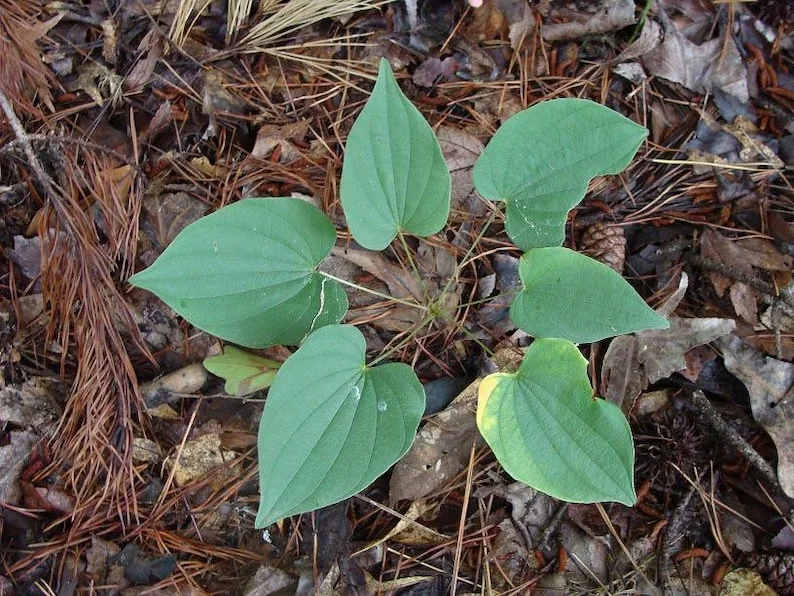
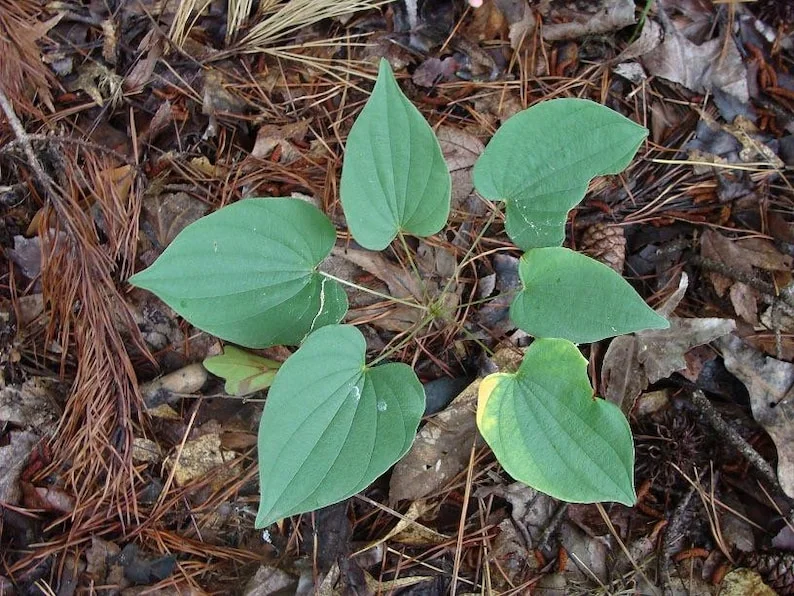
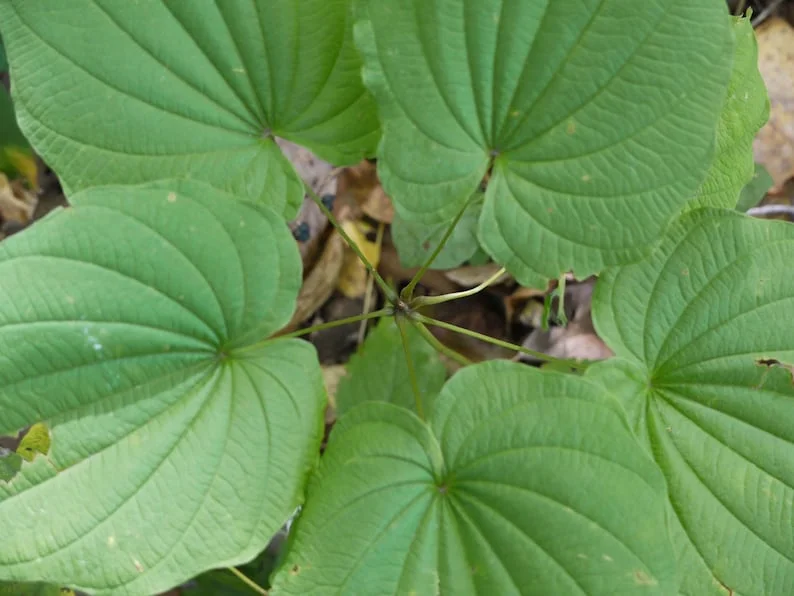
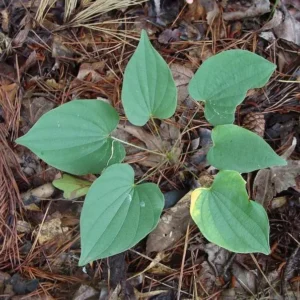
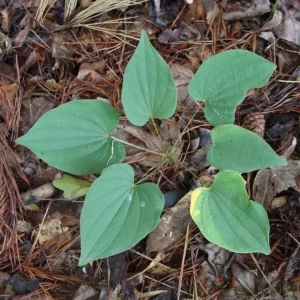
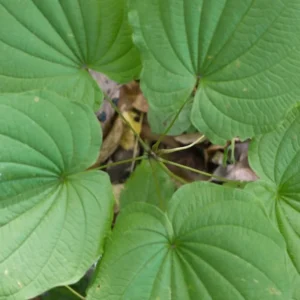
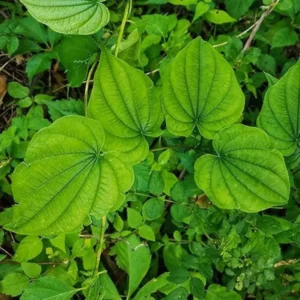
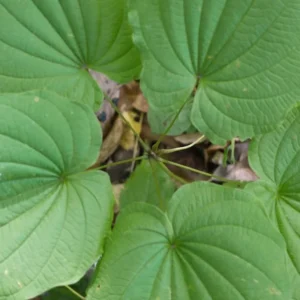
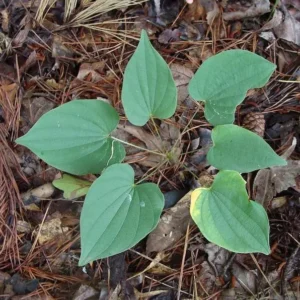
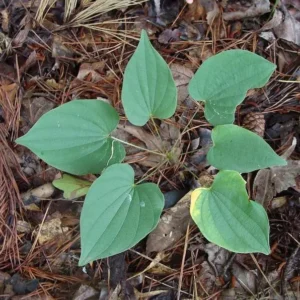
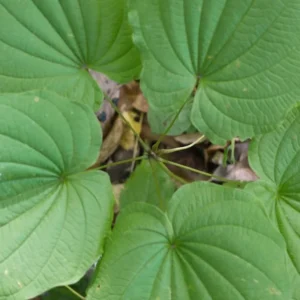
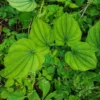
Cultivate your own patch of wild yam bare root plants (Dioscorea Villosa) with this set of 10 organic bare root planting stocks. These dioscorea villosa perennial vines are perfect for adding a native wildflower vine to your garden, offering both ornamental appeal and potential herbal benefits. Easy to plant and care for, they return year after year.
Feb 04
Feb 09 - Feb 11
Feb 14 - Feb 18
USDA Hardiness Zone
Soil Type
Sunlight Exposure
Expected Planting Period
Shipping and return policies: Our Alive & Thrive Guarantee covers issues with your plants within the first 30 days. Get in touch with us via email, and our team will review your concerns and, if necessary, provide you with a one-time replacement at no cost.
If you're unsure about your hardiness zone, feel free to reach out to us. Our team will answer your questions and help you find the plants that are truly suitable for your environment, climate, and personal preferences.
Embark on a rewarding gardening journey with our premium selection of wild yam bare root plants. This offering includes 10 robust bare root planting stocks of Dioscorea Villosa, commonly known as Wild Yam. As a captivating native wildflower vine, Wild Yam brings a unique blend of natural beauty and historical significance to any garden space. These perennial vines are celebrated for their vigorous growth and the elegant way they can adorn fences, trellises, or even naturalize in a woodland garden. Each bare root is carefully harvested and prepared to ensure optimal freshness and viability upon arrival, ready to establish quickly in your chosen location. Cultivating your own Wild Yam allows you to connect with nature and appreciate the resilience of indigenous flora.
Our wild yam bare root plants are organically grown, ensuring you receive a product free from harmful chemicals. This commitment to natural cultivation practices results in stronger, healthier plants that are better equipped to thrive in your garden. The ease of planting, coupled with their perennial nature, makes them an excellent choice for both novice and experienced gardeners seeking to enrich their landscape with a plant that offers enduring appeal. Discover the simple pleasure of watching these beautiful vines establish and flourish, providing a verdant backdrop or a charming focal point in your outdoor sanctuary.
Adding Wild Yam to your garden provides numerous advantages, from ecological support to aesthetic enhancement. These resilient vines are not only beautiful but also contribute positively to their environment and offer practical benefits.
Successful cultivation of your wild yam bare root plants is straightforward with the right approach. These hardy vines are relatively low-maintenance once established, making them a rewarding addition to many gardens. Understanding their preferred conditions will ensure vigorous growth and a healthy plant for years to come. Begin by selecting an appropriate planting site that meets their light and soil requirements.
Sunlight Requirements: Wild Yam thrives in partial shade to full sun. In hotter climates, partial shade during the intense afternoon hours is beneficial to prevent leaf scorch. In cooler regions, they can tolerate more direct sunlight. Aim for at least 4-6 hours of sunlight daily for optimal growth. Watering & Soil Moisture: While established plants are somewhat drought-tolerant, consistent moisture is key during their initial establishment phase. Water regularly, especially during dry spells, ensuring the soil remains moist but not waterlogged. Good drainage is crucial to prevent root rot. Soil Type & Drainage: Wild Yam prefers well-drained soil that is rich in organic matter. A slightly acidic to neutral pH (6.0-7.0) is ideal. Amending heavy clay soils with compost or sand can improve drainage and aeration, creating a more hospitable environment for your dioscorea villosa perennial roots.
Temperature & USDA Hardiness Zone: Wild Yam is generally suited for USDA Zones 3-8, indicating its resilience to a wide range of temperatures. It is a cold-hardy perennial that will die back in winter and re-emerge in spring. Fertilization: While not heavy feeders, a balanced, slow-release organic fertilizer can be applied in early spring to encourage vigorous growth. For those pursuing organic wild yam cultivation, compost or well-rotted manure worked into the soil annually can provide sufficient nutrients. Pruning: Pruning is typically minimal, focused on removing dead or damaged vines to maintain plant health and appearance. You can also prune to manage its vining habit and direct its growth. Common Problems: Wild Yam is generally pest and disease resistant. Ensure good air circulation and proper drainage to minimize any potential fungal issues. Monitor for common garden pests, though they rarely cause significant damage to this resilient plant. For tips on growing wild yam successfully, always refer to the specific instructions provided with your bare roots.
This offering provides 10 wild yam bare root plants, ready for direct planting into your garden or containers. Each bare root is a living, dormant plant section, shipped without foliage or a pot, optimized for successful transplanting and vigorous growth. As a perennial vine, Wild Yam (Dioscorea Villosa) will establish and return each year, with its foliage typically emerging in spring and growing throughout the summer. The mature vines can reach heights of 10 to 15 feet, depending on growing conditions and available support, making them an excellent choice for arbors, trellises, or fences. The roots themselves are the primary focus, developing underground to support the annual growth. Expect new growth to appear within a few weeks of planting with proper care and favorable conditions.
These dioscorea villosa perennial roots are ideal for creating a natural landscape or for those interested in herbal gardening. The vigorous growth rate means you won’t wait long to see your garden transformed. These bare roots represent a cost-effective and efficient way to establish a large patch of Wild Yam, ensuring a healthy start for your native wildflower vine. The robust nature of these bare roots allows for easy handling and planting, providing a solid foundation for a thriving, long-lived plant.
You must be logged in to post a review.
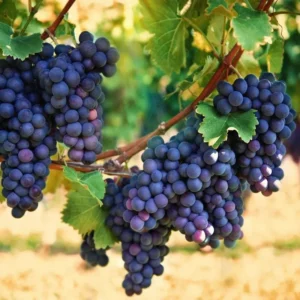
Sold 63 products
Original price was: $49.98.$29.98Current price is: $29.98.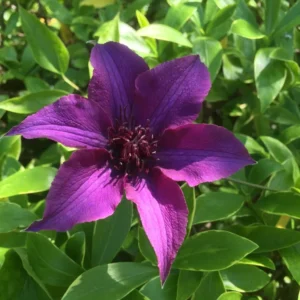
Sold 58 products
Original price was: $65.99.$43.99Current price is: $43.99.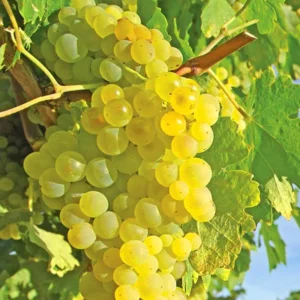
Sold 81 products
Original price was: $72.99.$52.99Current price is: $52.99.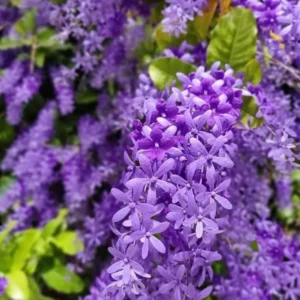
Sold 75 products
Original price was: $36.42.$18.99Current price is: $18.99.
Sold 78 products
Original price was: $114.99.$84.99Current price is: $84.99.
Sold 78 products
Original price was: $39.84.$19.92Current price is: $19.92.
Sold 95 products
Original price was: $73.99.$43.99Current price is: $43.99.
Sold 78 products
Original price was: $81.99.$61.99Current price is: $61.99.
Reviews
There are no reviews yet.