NEED SUPPORT WITH YOUR ORDER? Get in touch
Not satisfied with your purchase?
Enter your Order ID on website, and we'll resolve it right away.

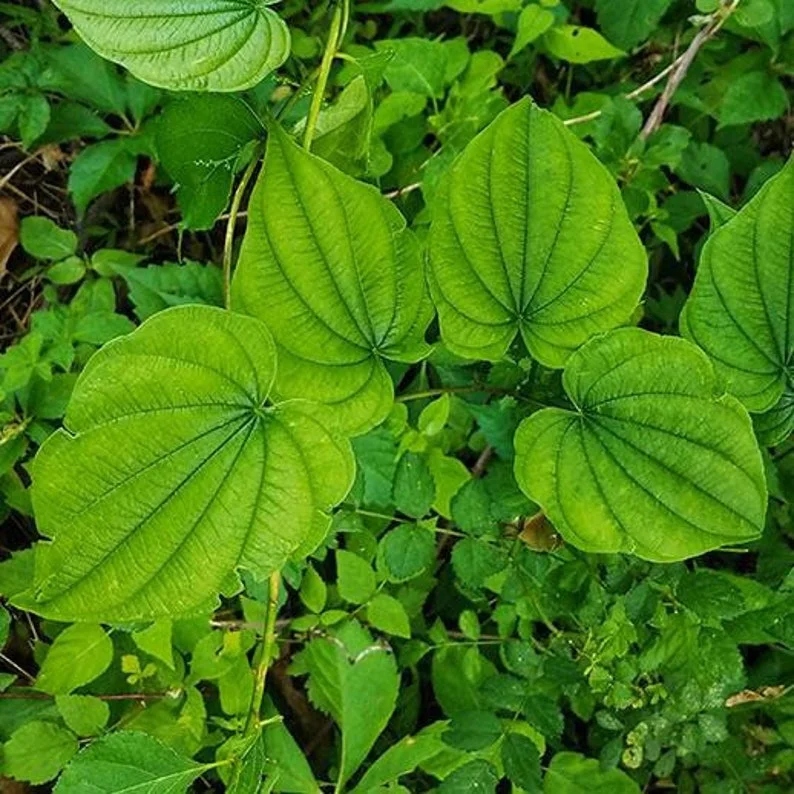
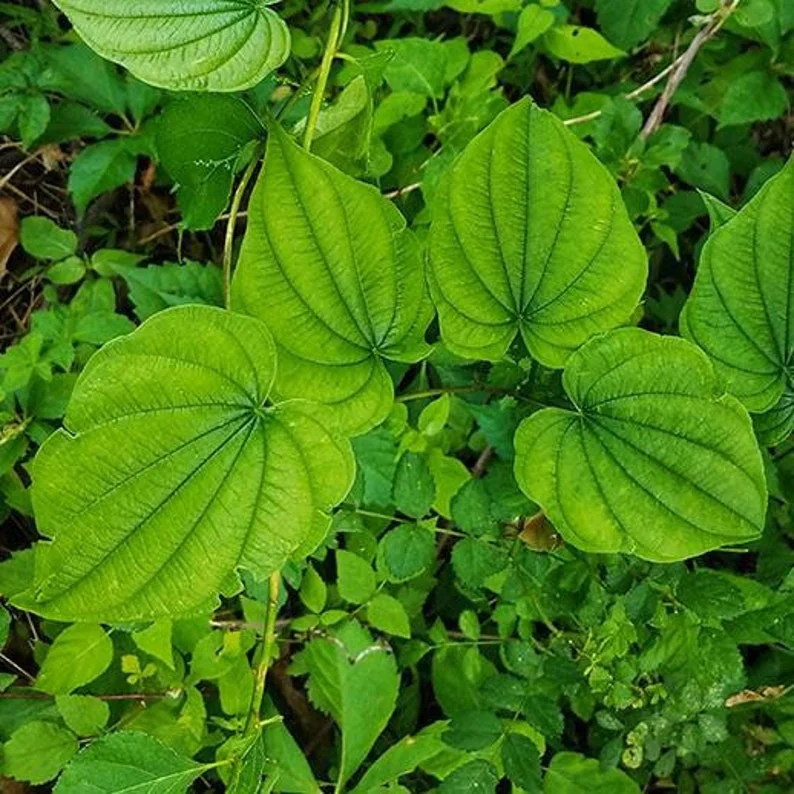
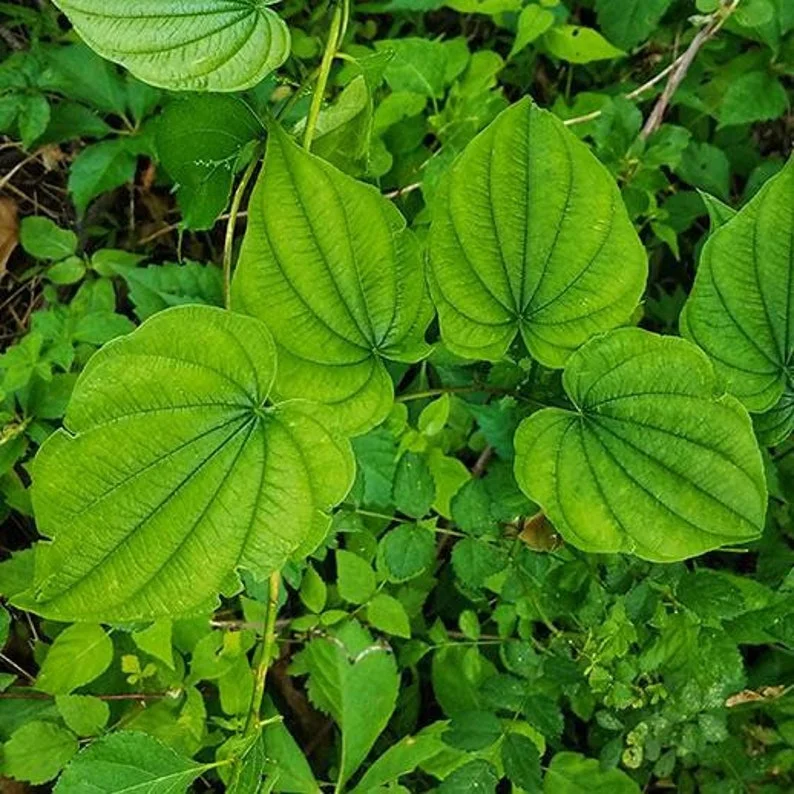
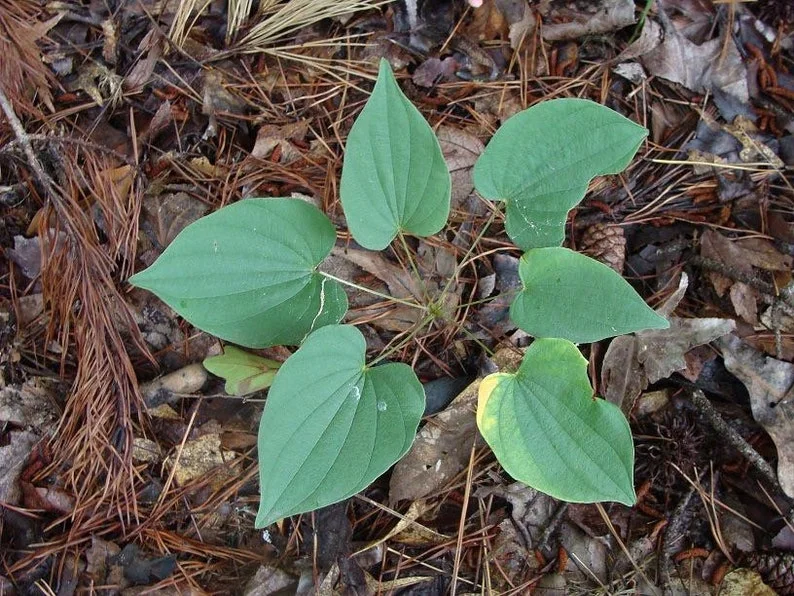

Original price was: $32.99.$18.99Current price is: $18.99.
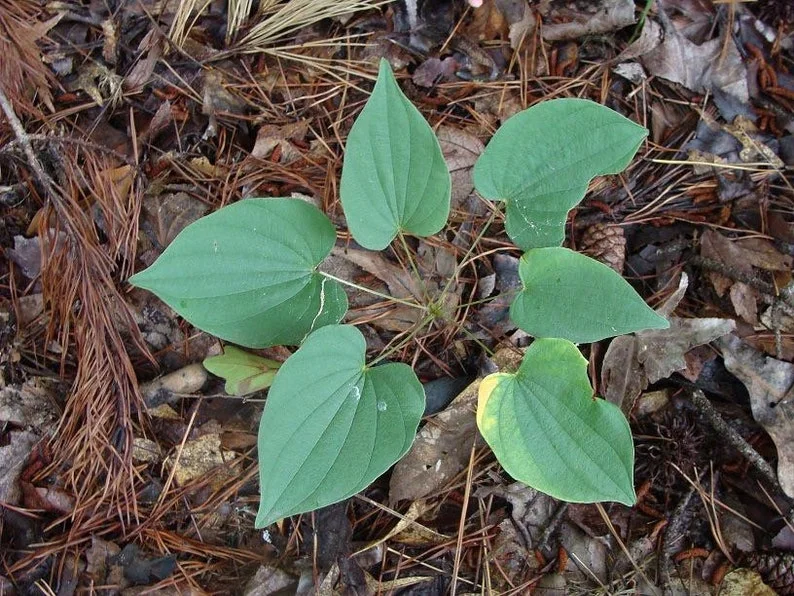
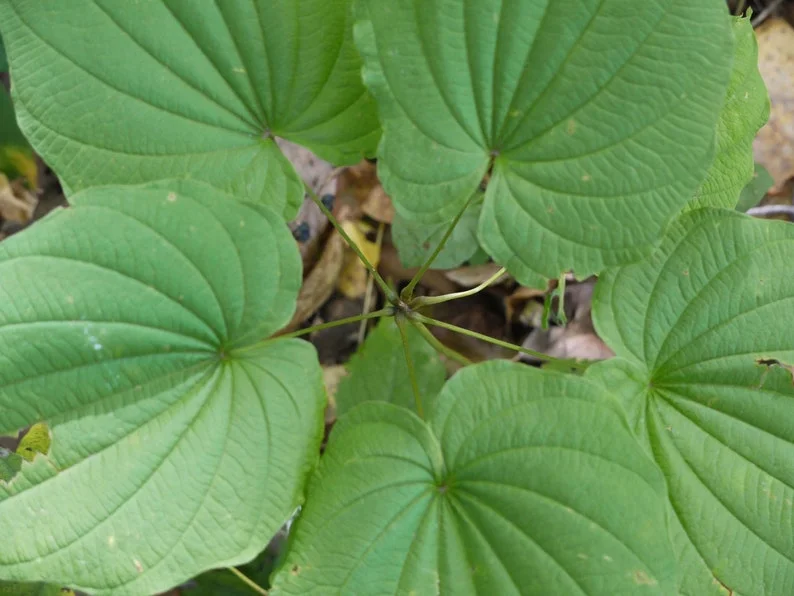
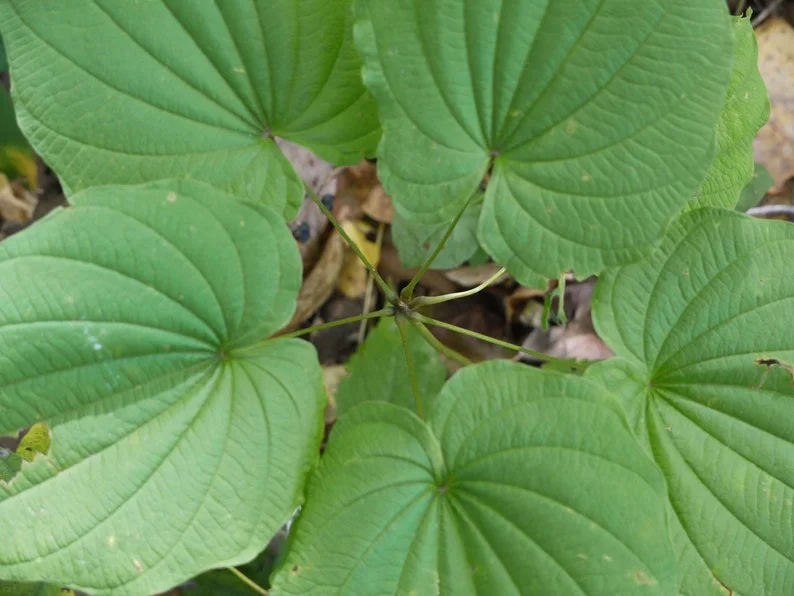
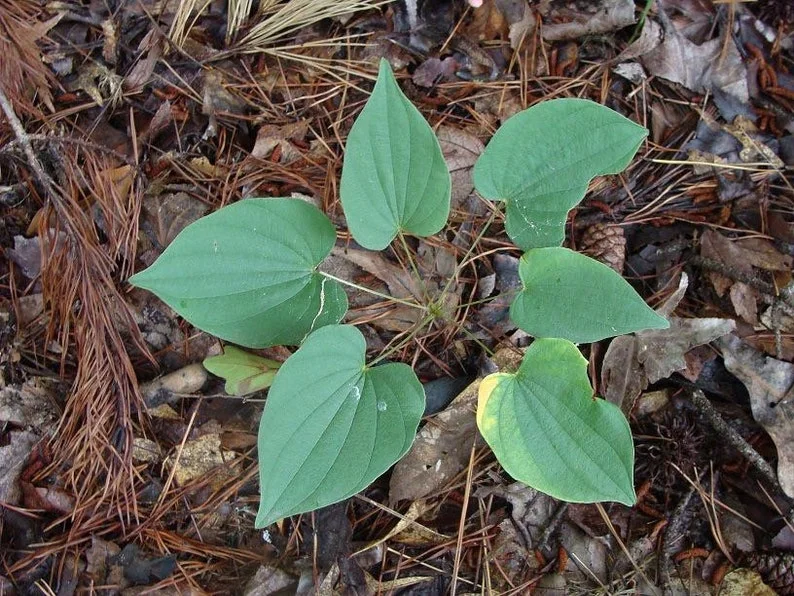
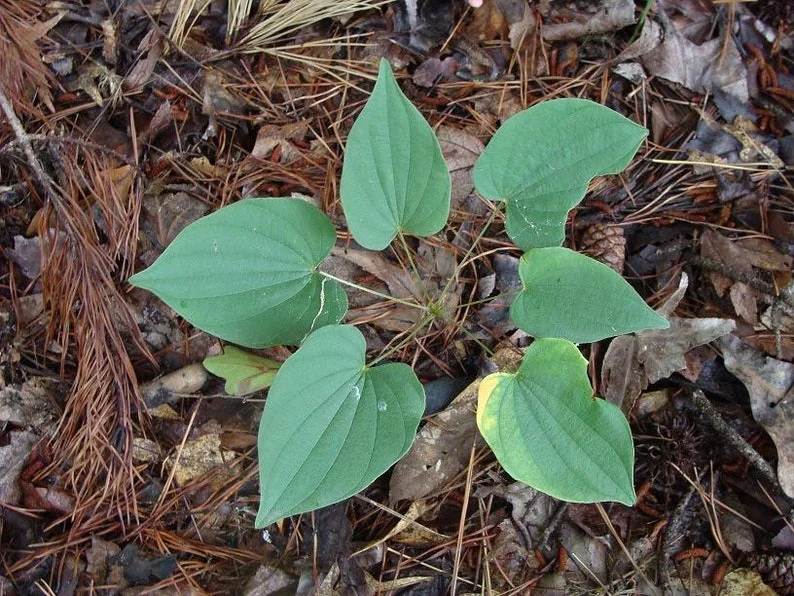
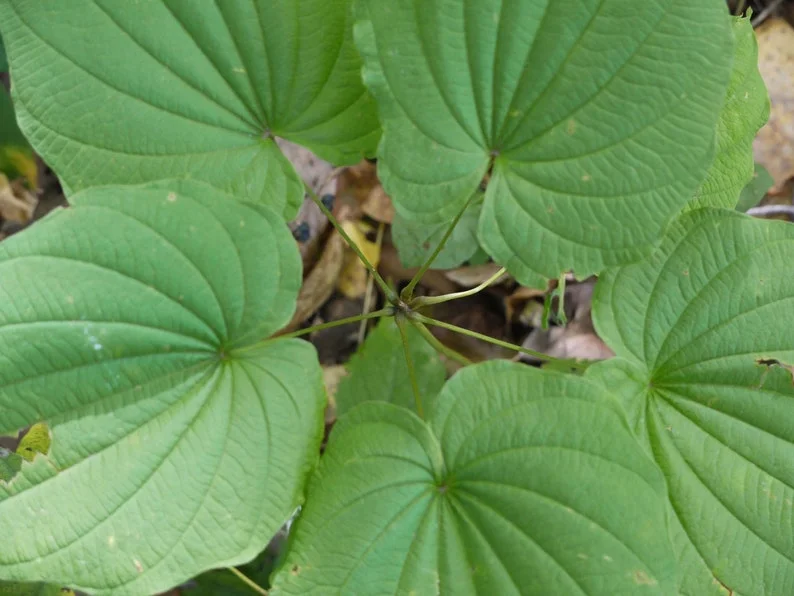
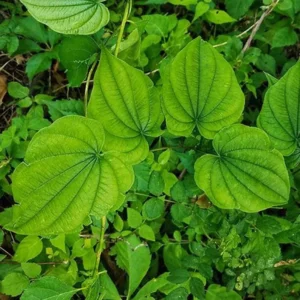
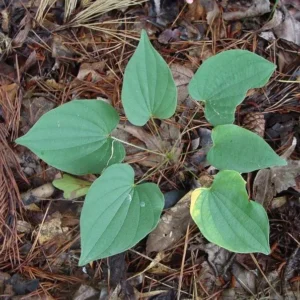
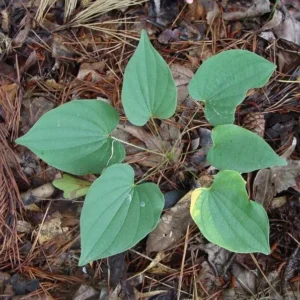
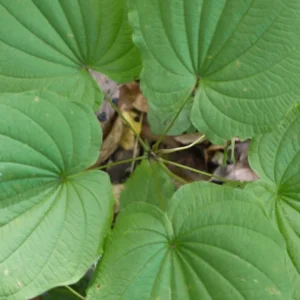
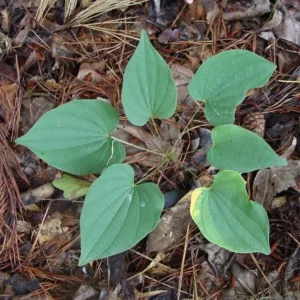
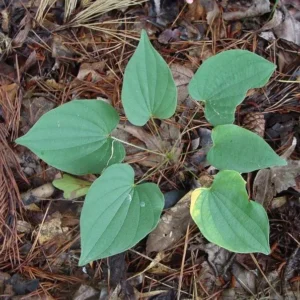
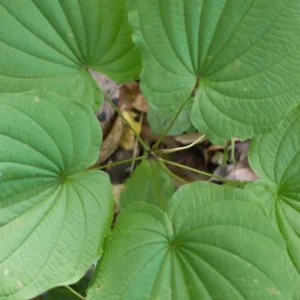
Enhance your garden with three wild yam bare root plants (Dioscorea Villosa). These organic wild yam perennial vines are native to North America, offering natural beauty and supporting local ecosystems. Easy to grow with detailed instructions included.
Mar 05
Mar 10 - Mar 12
Mar 15 - Mar 19
USDA Hardiness Zone
Soil Type
Sunlight Exposure
Expected Planting Period
Shipping and return policies: Our Alive & Thrive Guarantee covers issues with your plants within the first 30 days. Get in touch with us via email, and our team will review your concerns and, if necessary, provide you with a one-time replacement at no cost.
If you're unsure about your hardiness zone, feel free to reach out to us. Our team will answer your questions and help you find the plants that are truly suitable for your environment, climate, and personal preferences.
Discover the beauty and ecological benefits of the wild yam bare root plant. This offering includes three bare roots of Dioscorea Villosa plant, a remarkable native perennial vine. Known for its vigorous growth and ability to thrive in various garden settings, these plants are an excellent addition for anyone looking to cultivate a natural and sustainable landscape. The Wild Yam, or Dioscorea Villosa plant, is celebrated not only for its delicate foliage and climbing habit but also for its historical significance and potential to support local biodiversity. Each bare root is organically grown and carefully harvested to ensure optimal health and successful establishment in your garden. Cultivating these vines allows you to enjoy a piece of native flora, contributing to a vibrant and balanced ecosystem right in your backyard. Whether you’re an experienced gardener or just starting, these wild yam bare root plants provide a rewarding and enriching gardening experience.
Adding organic wild yam bare roots to your garden provides a multitude of advantages, both aesthetically and ecologically. These versatile vines offer more than just visual appeal; they contribute to a healthier environment and provide a unique gardening experience.
Caring for your wild yam bare root plants is a straightforward process that ensures their robust growth and perennial return. These resilient vines are relatively low-maintenance once established, making them a joy to cultivate. For optimal growth, understanding their specific needs is key to successful establishment and a thriving garden.
When considering sunlight, wild yam plant care typically thrives in partial shade to full sunlight. However, in hotter climates, they benefit from some protection during the intense afternoon sun to prevent stress. Aim for at least 4-6 hours of sunlight daily for vigorous growth. Watering is crucial, especially during the establishment phase and dry periods. Keep the soil consistently moist but never waterlogged, as good drainage is essential to prevent root rot. These plants prefer well-drained soil that is rich in organic matter, which can be achieved by amending your garden beds with compost. Providing a trellis or other support structure is highly recommended, as the vines can grow 10-15 feet long and will naturally climb. Early spring or late fall are ideal times for planting your wild yam bare root plants, allowing them to establish their root systems before extreme temperatures set in. While generally hardy, protecting them from harsh winter conditions in colder zones will ensure their return each spring. Minimal fertilization is usually required if planted in rich soil, but a balanced organic fertilizer in spring can encourage more vigorous growth. Monitor for common garden pests, though Wild Yam is generally resistant; prompt action with organic pest control methods will keep your plants healthy. Proper wild yam plant care ensures these native perennial vines will be a cherished part of your landscape for years to come.
This offering includes three healthy wild yam bare root plants, ready for planting. As a vigorous native perennial vine, these plants can reach impressive lengths, typically growing between 10 to 15 feet long, depending on environmental conditions and the support provided. The bare root form allows for easy transportation and planting, ensuring a fresh start for your new additions. Once established, these vines will spread and climb, adding significant vertical interest and lush greenery to your garden. Expect to see initial growth in the first season, with more robust development and spread in subsequent years as the perennial root system matures. The plants are shipped without soil or leaves, in their dormant bare root state, which is ideal for successful transplanting and establishment.
You must be logged in to post a review.
Sold 84 products
Original price was: $52.99.$39.99Current price is: $39.99.
Sold 72 products
Original price was: $71.98.$35.99Current price is: $35.99.
Sold 90 products
Original price was: $65.99.$43.99Current price is: $43.99.
Sold 100 products
Original price was: $114.99.$84.99Current price is: $84.99.
Sold 73 products
Original price was: $38.56.$19.28Current price is: $19.28.
Sold 61 products
Original price was: $73.96.$36.98Current price is: $36.98.
Sold 74 products
Original price was: $71.99.$43.99Current price is: $43.99.
Sold 96 products
Original price was: $130.99.$101.99Current price is: $101.99.
Reviews
There are no reviews yet.