NEED SUPPORT WITH YOUR ORDER? Get in touch
Not satisfied with your purchase?
Enter your Order ID on website, and we'll resolve it right away.

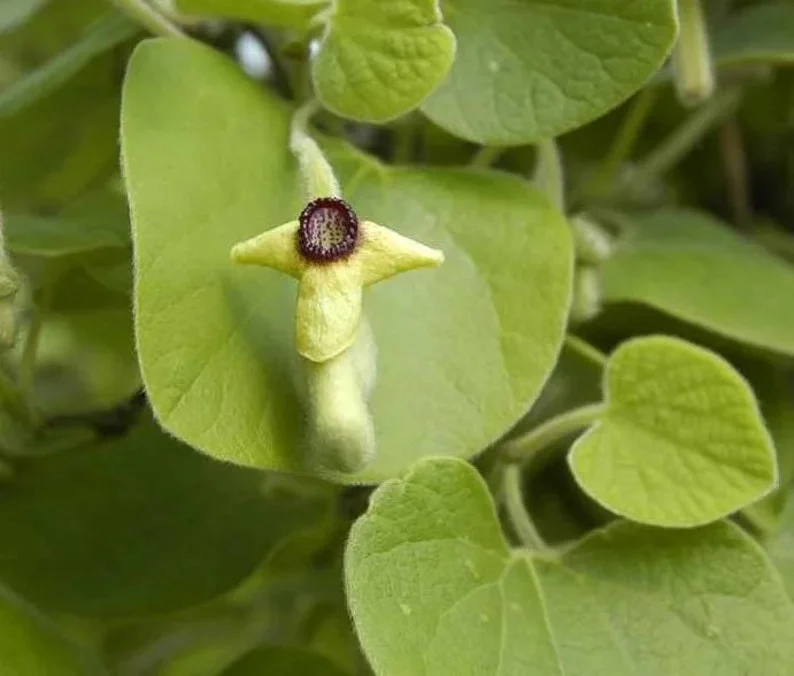
Original price was: $84.99.$64.99Current price is: $64.99.
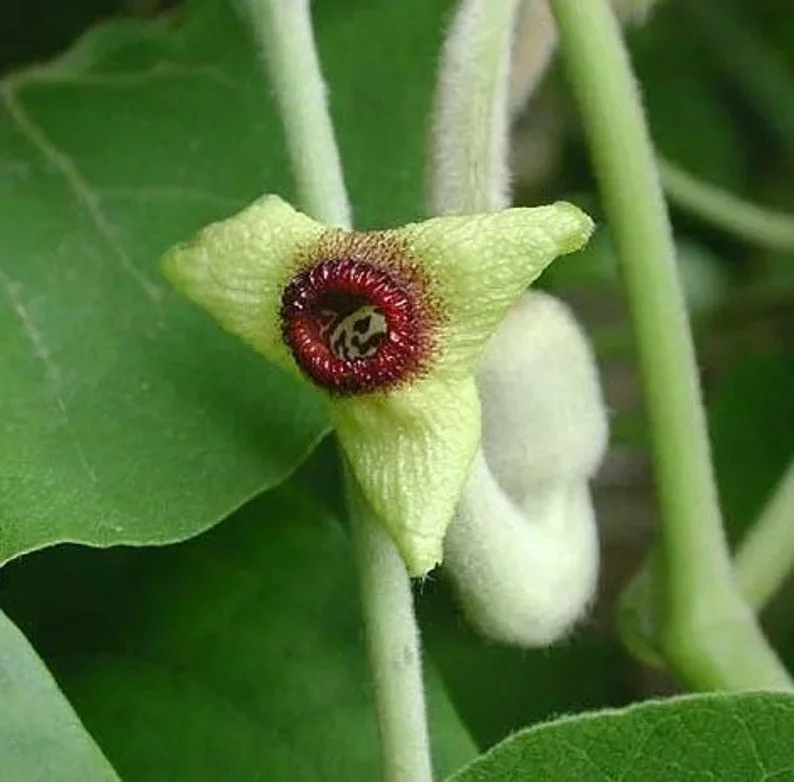
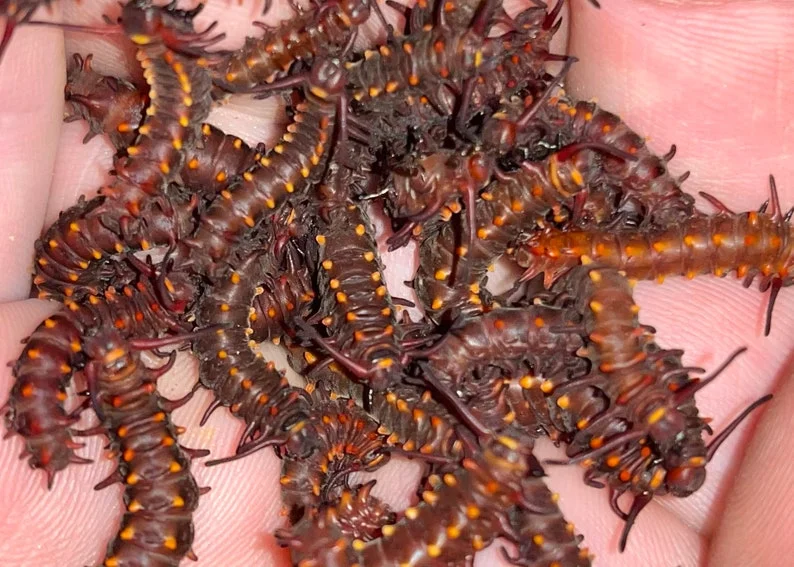
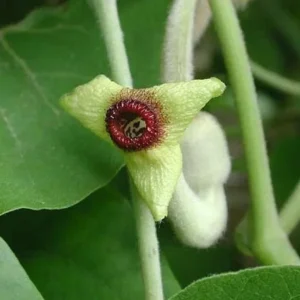
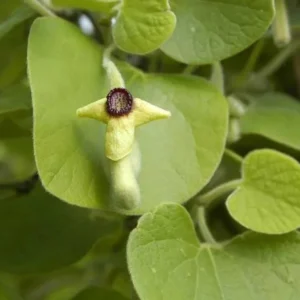
Bring ecological beauty to your garden with the wooly dutchman’s pipe vine. This aristolochia tomentosa plant is a vital host for Pipevine swallowtail butterflies, featuring unique, pipe-shaped flowers. Hardy to USDA Zone 5, it’s perfect for trellises and arbors, creating a lush, butterfly-friendly environment.
Mar 05
Mar 10 - Mar 12
Mar 15 - Mar 19
USDA Hardiness Zone
Soil Type
Sunlight Exposure
Expected Planting Period
Shipping and return policies: Our Alive & Thrive Guarantee covers issues with your plants within the first 30 days. Get in touch with us via email, and our team will review your concerns and, if necessary, provide you with a one-time replacement at no cost.
If you're unsure about your hardiness zone, feel free to reach out to us. Our team will answer your questions and help you find the plants that are truly suitable for your environment, climate, and personal preferences.
Transform your garden into a vibrant ecological haven with the wooly dutchman’s pipe vine, scientifically known as Aristolochia Tomentosa. This remarkable live plant, offered in a convenient 1-gallon pot, is not just a visually stunning addition to your landscape; it plays a crucial role as a pipevine swallowtail host plant. Gardeners looking to support local wildlife and enhance biodiversity will find this native vine an indispensable choice. Its distinctive, pipe-shaped flowers emerge in late spring and summer, adding an intriguing aesthetic while attracting the beautiful Pipevine swallowtail butterfly, making it a must-have for butterfly enthusiasts and eco-conscious gardeners. The robust nature of this plant ensures it will quickly establish itself, providing lush foliage and a dynamic focal point in your outdoor space.
The aristolochia tomentosa plant is celebrated for its vigorous growth and adaptability, making it suitable for a wide range of garden designs. Whether you’re aiming to create a natural privacy screen, cover an unsightly fence, or add vertical interest with an arbor, this plant delivers. Its hardiness and relatively easy care make it an excellent option for both seasoned gardeners and those new to cultivating flowering vines. Embrace the opportunity to cultivate a living ecosystem in your backyard, all centered around the captivating presence of the wooly dutchman’s pipe vine.
The wooly dutchman’s pipe vine offers a multitude of benefits, both aesthetic and ecological, making it a highly desirable plant for any garden. Its unique characteristics contribute significantly to a thriving outdoor environment.
Caring for your wooly dutchman’s pipe vine is straightforward, ensuring a healthy and flourishing plant that will provide years of beauty and ecological benefits. This hardy vine is adaptable, but optimal conditions will encourage its most vigorous growth and plentiful blooms. For best results, plant your aristolochia tomentosa plant in a location where it can receive full sun to partial sun exposure. Full sun (6+ hours of direct sunlight) will encourage the most prolific flowering and robust growth, while partial sun (4-6 hours of direct sunlight, especially morning sun) is also well-tolerated and can be beneficial in hotter climates to prevent scorching.
When it comes to watering, consistent moisture is key, especially during dry spells and in its establishment phase. The soil should be kept consistently moist but never waterlogged, as good drainage is crucial to prevent root rot. Well-drained soil is paramount for the health of this vine; incorporating compost or other organic matter can improve soil structure and drainage. While the zone 5 pipevine plant is cold hardy, protecting the roots with a layer of mulch in colder zones can provide additional insulation during winter. Fertilize sparingly; a balanced, slow-release fertilizer in early spring is usually sufficient to support its vigorous growth. Watch out for common pests like aphids, which can typically be managed with organic insecticidal soaps. Pruning can be done in late winter or early spring to shape the vine, manage its size, and remove any dead or damaged growth, promoting healthier new growth and more flowers.
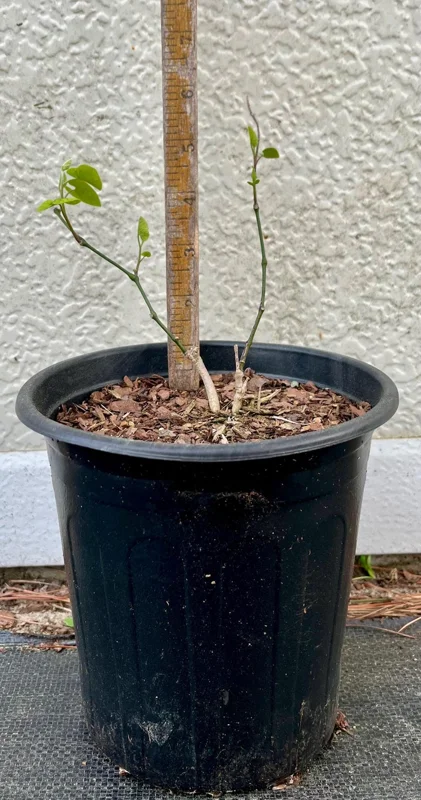
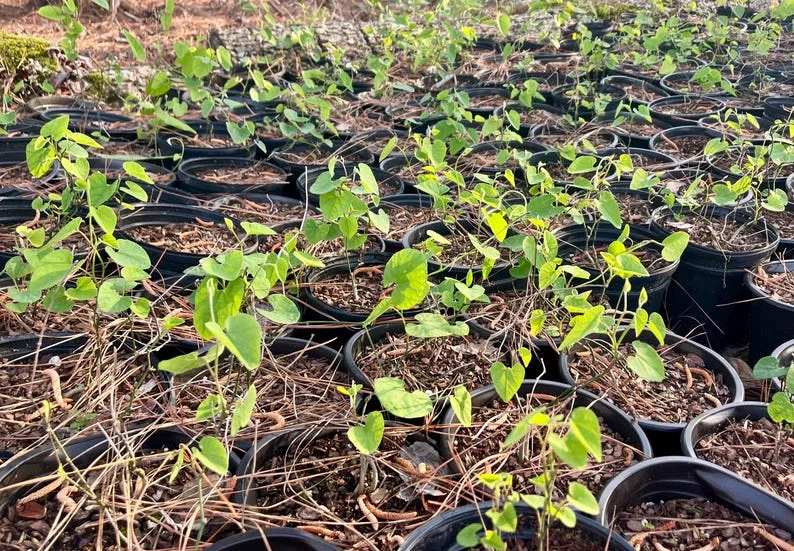
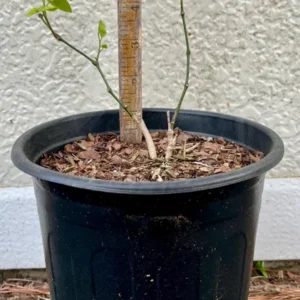
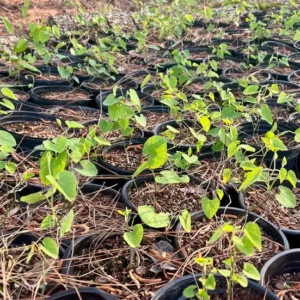
The wooly dutchman’s pipe vine provided is a live plant, cultivated in a 1-gallon pot, ensuring a well-established root system ready for planting. This robust vine is known for its impressive growth potential, typically reaching heights of 20 to 30 feet at maturity. Its vigorous growth habit means it will quickly cover trellises, arbors, or fences, providing dense foliage and a lush, green wall. The plant will be shipped in its container, carefully packaged to minimize stress during transit, arriving healthy and ready for immediate transplanting into your garden. Expect to see significant growth in its first year with proper care, with the distinctive pipe-shaped flowers appearing in late spring to summer once established.
Upon arrival, the plant will have healthy foliage and a strong root ball, indicative of a well-cared-for nursery specimen. While the exact height at delivery may vary depending on the season, it will be a substantial plant, ready to thrive in your landscape. This particular pipevine swallowtail host plant is a perennial, meaning it will return year after year, growing larger and more impressive with each season. Its adaptability and rapid growth make it an ideal choice for gardeners seeking to quickly establish a mature, ecologically beneficial vine.
You must be logged in to post a review.
Sold 62 products
Original price was: $114.99.$84.99Current price is: $84.99.
Sold 68 products
Original price was: $53.98.$26.99Current price is: $26.99.
Sold 57 products
Original price was: $59.99.$43.99Current price is: $43.99.
Sold 50 products
Original price was: $52.99.$39.99Current price is: $39.99.
Sold 52 products
Original price was: $73.96.$36.98Current price is: $36.98.
Sold 72 products
Original price was: $38.56.$19.28Current price is: $19.28.
Sold 74 products
Original price was: $130.99.$101.99Current price is: $101.99.
Sold 63 products
Original price was: $116.99.$86.99Current price is: $86.99.



Reviews
There are no reviews yet.