NEED SUPPORT WITH YOUR ORDER? Get in touch
Not satisfied with your purchase?
Enter your Order ID on website, and we'll resolve it right away.

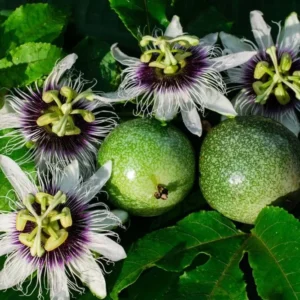
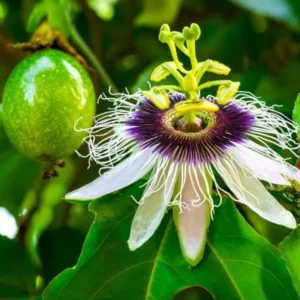
Original price was: $55.99.$24.99Current price is: $24.99.
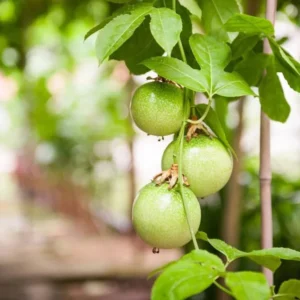
Bring the tropics home with a yellow passion fruit live plant, the vibrant Passiflora Edulis Flavicarpa. This 4-6 inch live plant is ready to climb and produce sweet, tangy fruit in your garden or on your patio, perfect for juices and desserts. Enjoy delicious homegrown fruit and a beautiful climbing vine.
Mar 03
Mar 08 - Mar 10
Mar 13 - Mar 17
USDA Hardiness Zone
Soil Type
Sunlight Exposure
Expected Planting Period
Shipping and return policies: Our Alive & Thrive Guarantee covers issues with your plants within the first 30 days. Get in touch with us via email, and our team will review your concerns and, if necessary, provide you with a one-time replacement at no cost.
If you're unsure about your hardiness zone, feel free to reach out to us. Our team will answer your questions and help you find the plants that are truly suitable for your environment, climate, and personal preferences.
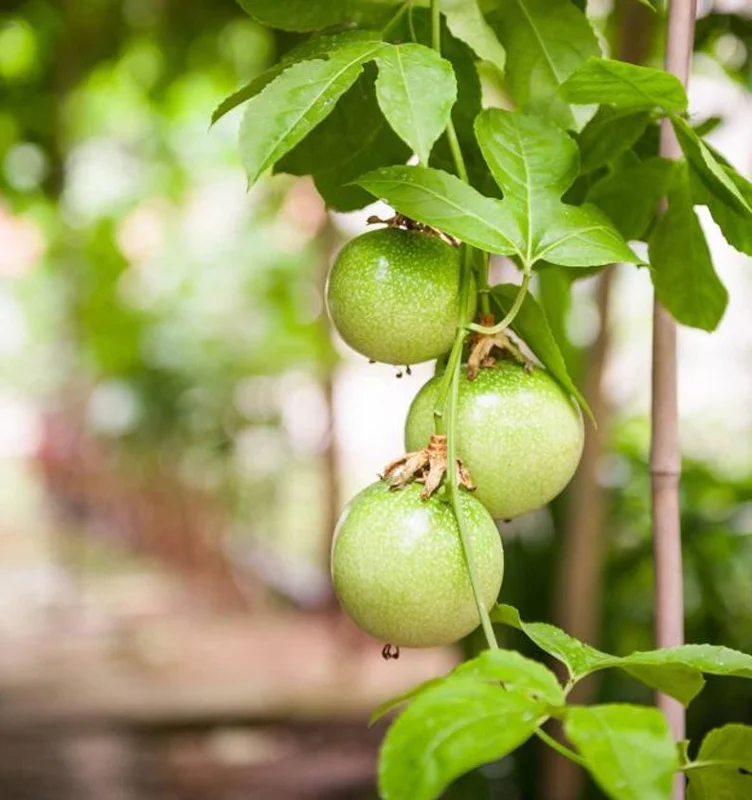
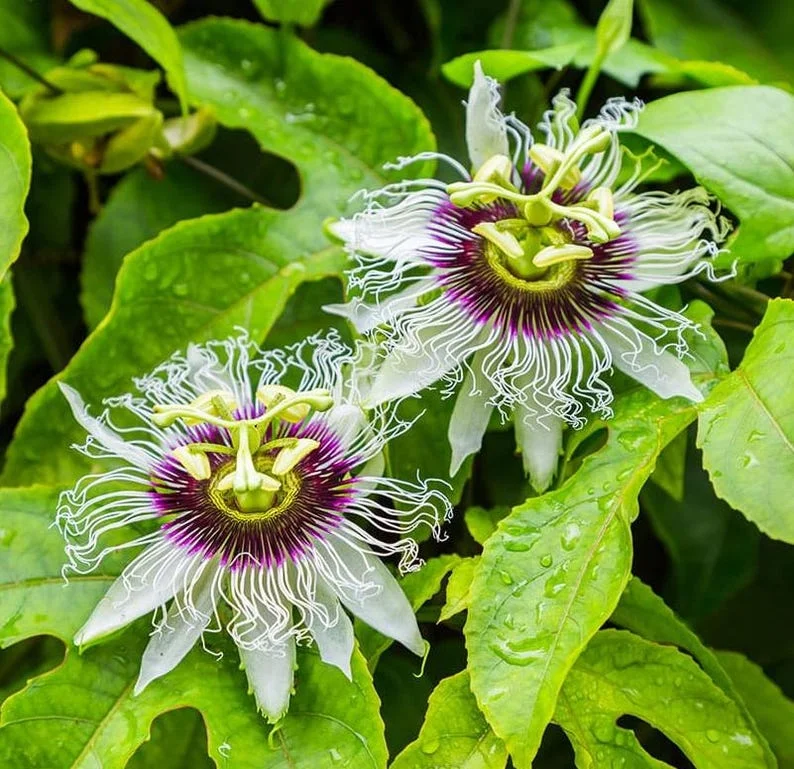
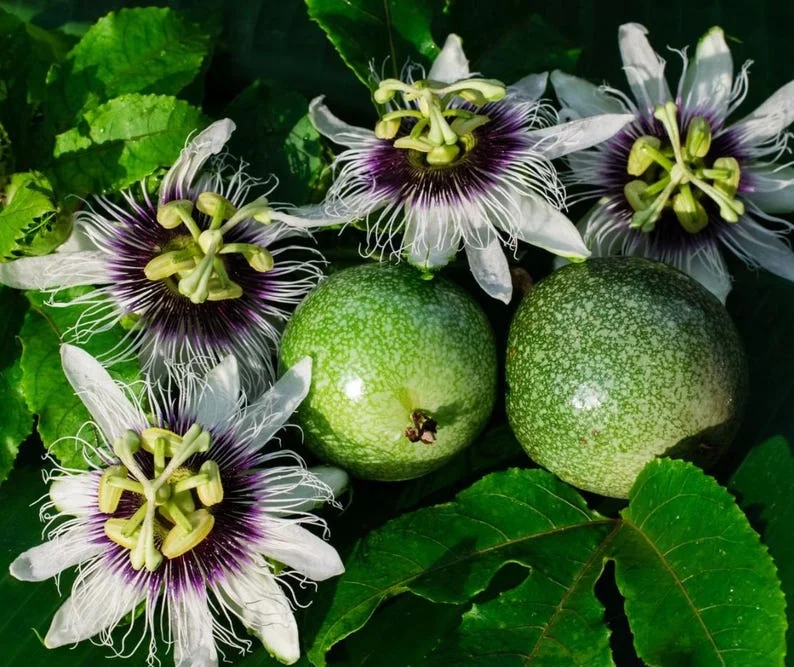
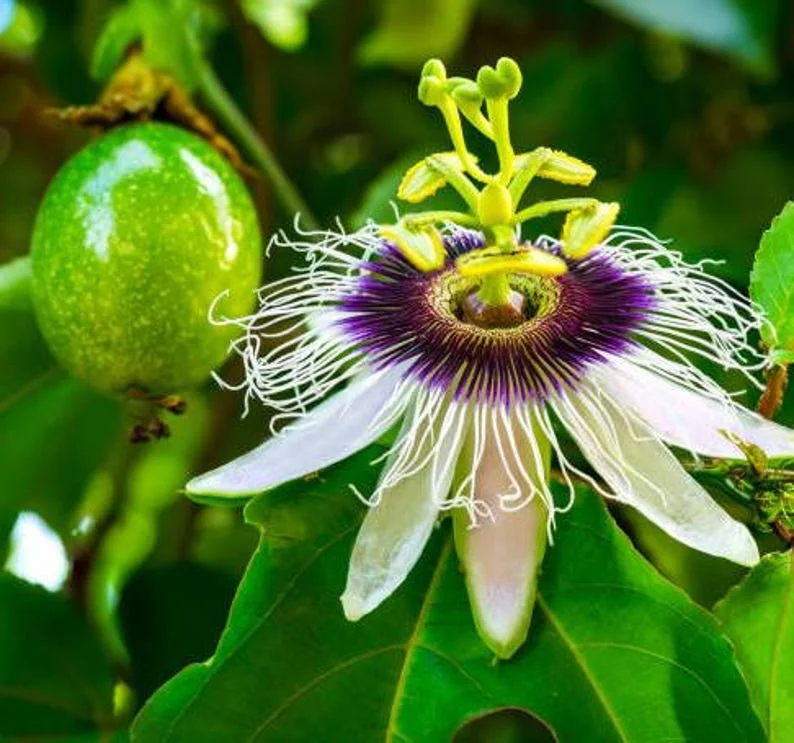
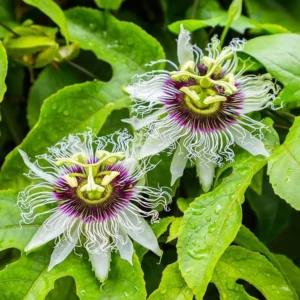
Transform your outdoor space into a tropical paradise with the yellow passion fruit live plant. This vibrant Passiflora Edulis Flavicarpa is a remarkable climbing vine that promises to bring exotic flavor and lush greenery to your garden or patio. Imagine plucking your own sweet and tangy yellow passion fruit, bursting with unique tropical notes, right from your backyard. This live plant, typically arriving 4 to 6 inches tall, is eager to establish itself and begin its vigorous growth, providing a stunning display of green tendrils, beautiful blooms, and ultimately, an abundant harvest of delicious fruit. Known for its robust nature and prolific fruiting, the yellow passion fruit live plant is an excellent choice for anyone looking to add an edible and ornamental marvel to their landscape.
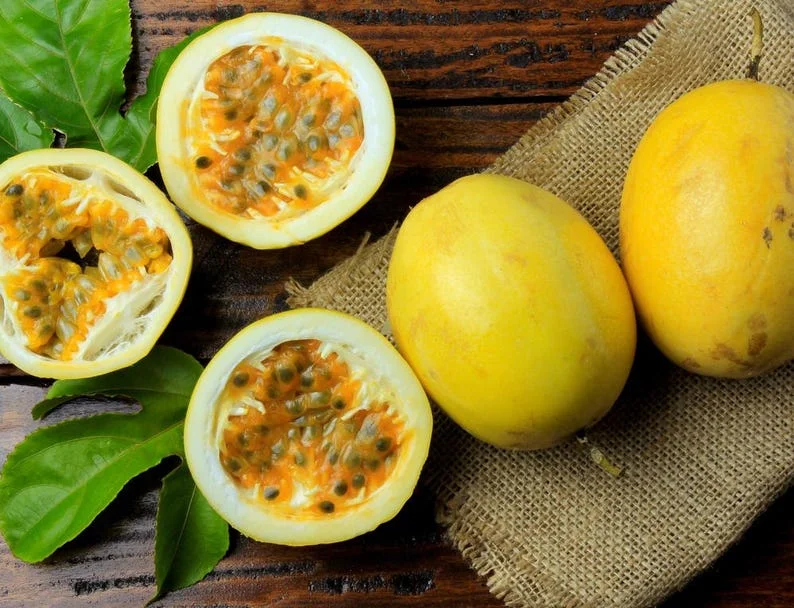
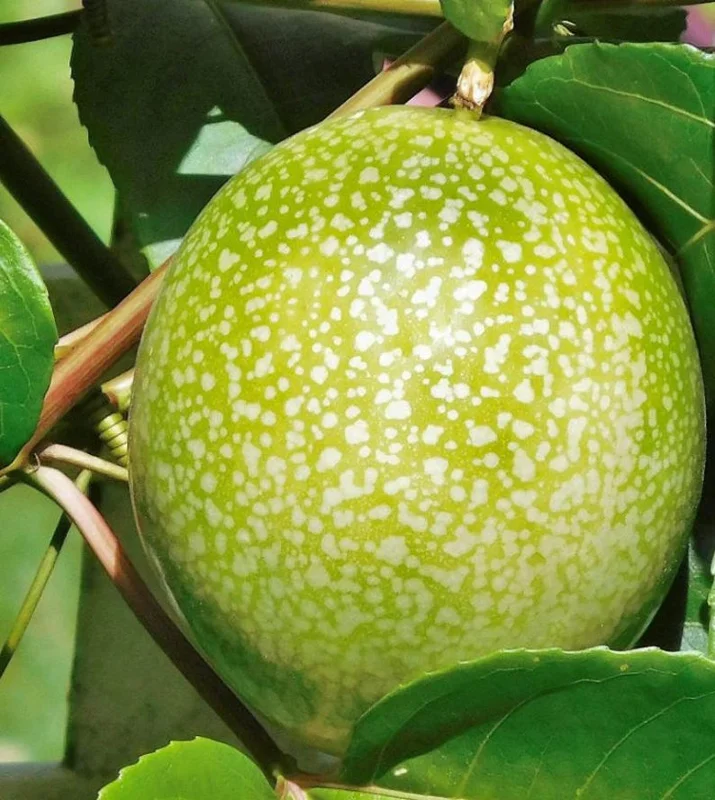
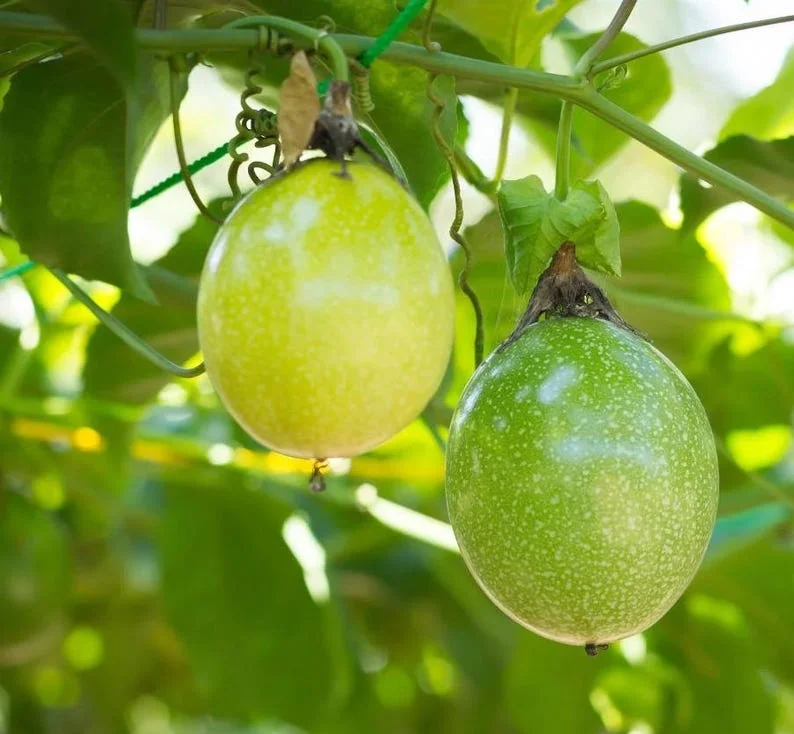
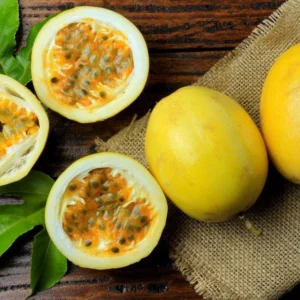
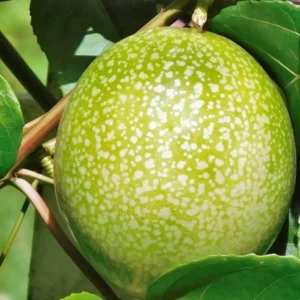
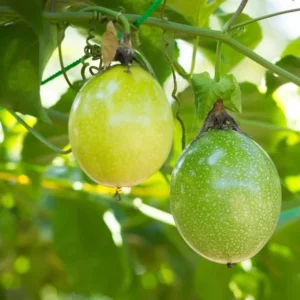
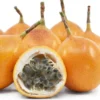
The fruit itself is a round to egg-shaped delicacy, encased in a thick yellow skin that often features subtle lime-green speckles. Inside, you’ll discover a treasure trove of creamy white walls cradling a luscious yellow-orange pulp, brimming with petite brown seeds. The flavor profile is an intricate dance of sweet, acidic, and tropical notes, beautifully complemented by delicate floral undertones, making it ideal for a wide array of culinary uses from refreshing juices to decadent desserts. Cultivating this passiflora edulis flavicarpa is a rewarding experience, offering both aesthetic appeal and gastronomic delight.
Cultivating your own yellow passion fruit live plant offers a multitude of advantages, enriching your home and garden in various ways. From fresh, delicious fruit to a visually appealing climbing vine, this plant is a true asset. Here are some of the key benefits you can expect:
To ensure your yellow passion fruit live plant thrives and produces an abundant harvest, understanding its specific care requirements is crucial. This tropical vine, or passiflora edulis flavicarpa, flourishes under certain conditions that mimic its native environment. Proper attention to sunlight, watering, soil, and temperature will yield the best results for your growing passion fruit vine.
Sunlight Requirements: The yellow passion fruit plant demands full sun, meaning it needs at least 6 hours of direct sunlight daily to produce maximum fruit. In hotter climates, some afternoon shade can be beneficial to prevent scorching, but generally, the more sun, the better. Position your plant in a south-facing location if possible, or an area that receives unobstructed sunlight throughout the day. This consistent sun exposure is vital for flowering and fruit development.
Watering Schedule and Soil Moisture: Consistent moisture is key, especially during flowering and fruiting periods. The soil should be kept consistently moist but never waterlogged. Check the soil moisture regularly by feeling the top inch; if it feels dry, it’s time to water thoroughly. Reduce watering slightly during cooler, dormant periods. Good drainage is paramount to prevent root rot, so ensure your pot or garden bed allows excess water to escape freely.
Soil Type and Drainage: This plant prefers well-drained, fertile soil with a slightly acidic to neutral pH, ideally between 6.0 and 7.0. Amending your soil with organic matter like compost can significantly improve both drainage and fertility. For container planting, use a high-quality potting mix blended with some perlite or coarse sand to enhance drainage. A healthy soil foundation is essential for a robust tropical fruit plant.
Temperature Range and USDA Hardiness Zone: The yellow passion fruit plant thrives in warm, humid conditions. Ideal temperatures range from 68°F to 85°F (20°C to 29°C). It is suitable for USDA hardiness zones 10 to 12, meaning it is not frost-tolerant. In colder zones, it can be grown in containers and brought indoors during winter, or treated as an annual. Protect from temperatures below 50°F (10°C) to prevent damage. Maintaining moderate to high humidity will also benefit its growth.
Fertilization Schedule and Type: Fertilize your passion fruit plant regularly during the growing season (spring through fall) with a balanced fertilizer, or one slightly higher in phosphorus and potassium to encourage flowering and fruiting. Follow the product instructions for application rates. Avoid excessive nitrogen, which can lead to lush foliage at the expense of fruit production. For optimal passion fruit care, a slow-release granular fertilizer or regular liquid feeds can be effective.
Common Problems and Solutions: Watch out for common pests like aphids, spider mites, and whiteflies, which can be managed with insecticidal soaps or neem oil. Fungal diseases can occur in overly humid or poorly ventilated conditions; ensure good air circulation and avoid overhead watering. Proper pruning can also help maintain plant health and encourage better air flow.
This yellow passion fruit live plant typically arrives as a young, actively growing specimen, approximately 4 to 6 inches in height. It is shipped in a nursery pot, ready for transplanting into a larger container or directly into your garden. As a vigorous climbing vine, this passiflora edulis flavicarpa can reach impressive lengths of 15-20 feet under optimal growing conditions, making it an excellent choice for covering arbors, trellises, or fences. Its rapid growth rate means you can expect significant development within the first growing season, quickly establishing itself as a prominent feature in your landscape. While it can begin flowering within the first year, fruit production usually commences within 1-2 years of planting, provided it receives adequate sunlight, water, and nutrients. The plant’s mature spread will depend on the support structure provided and how it is pruned, allowing for flexible integration into various garden designs. This tropical fruit plant is a long-term investment, offering years of beauty and delicious harvests.
You must be logged in to post a review.
Sold 76 products
Original price was: $78.99.$48.99Current price is: $48.99.
Sold 56 products
Original price was: $58.58.$29.29Current price is: $29.29.
Sold 53 products
Original price was: $79.99.$59.99Current price is: $59.99.
Sold 79 products
Original price was: $64.99.$34.99Current price is: $34.99.
Sold 77 products
Original price was: $39.98.$19.99Current price is: $19.99.
Sold 88 products
Original price was: $57.98.$28.99Current price is: $28.99.
Sold 66 products
Original price was: $56.99.$44.90Current price is: $44.90.
Sold 92 products
Original price was: $73.98.$36.99Current price is: $36.99.
Reviews
There are no reviews yet.