Overview
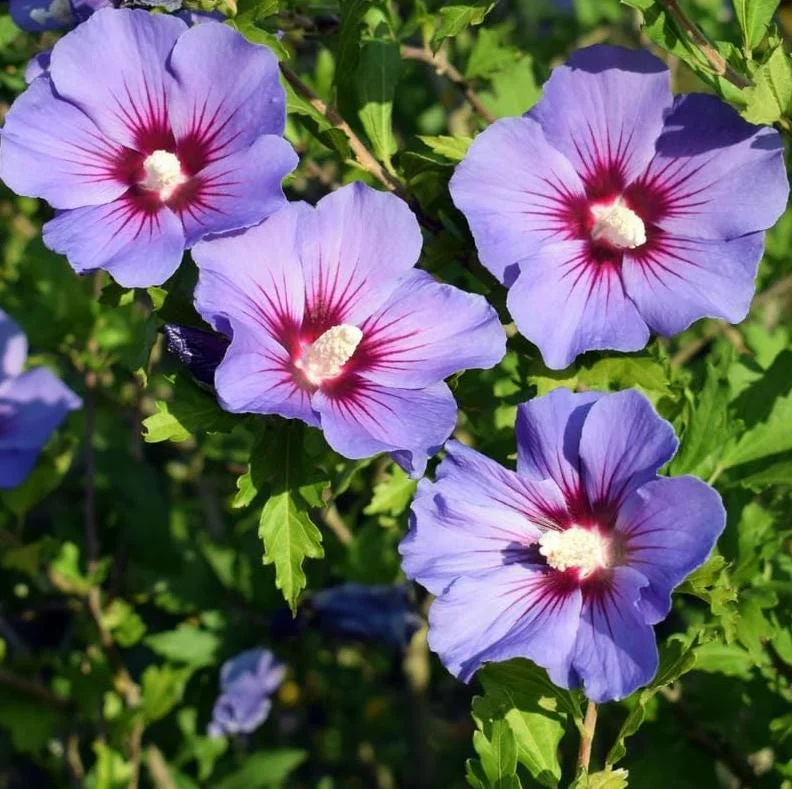
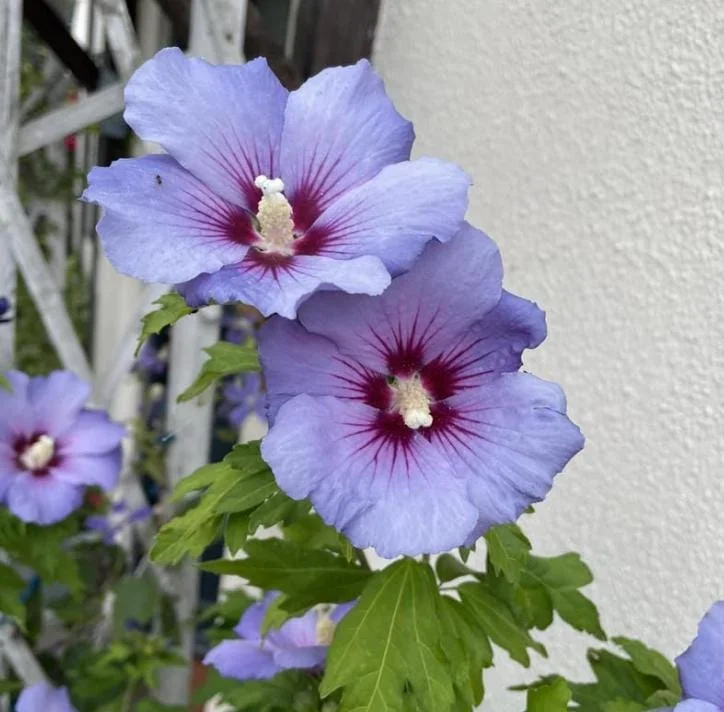
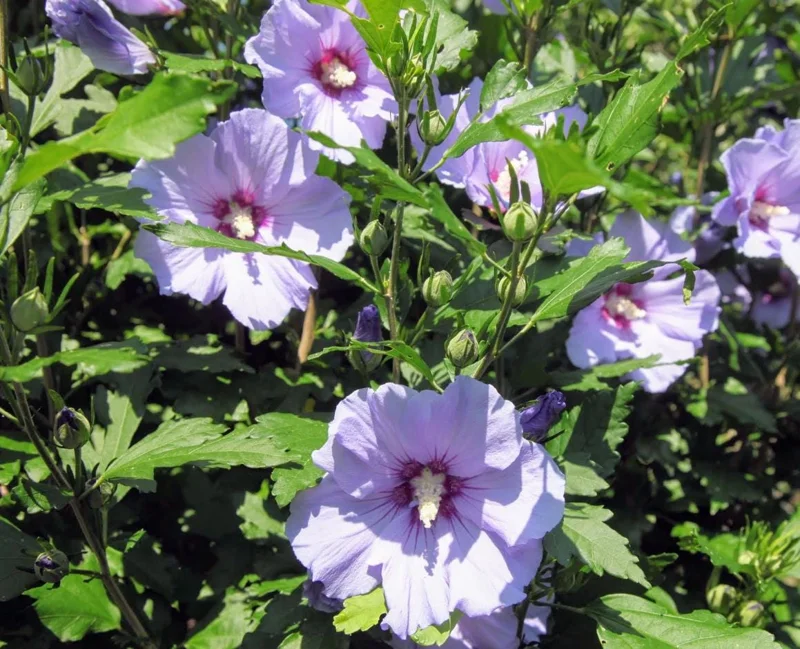
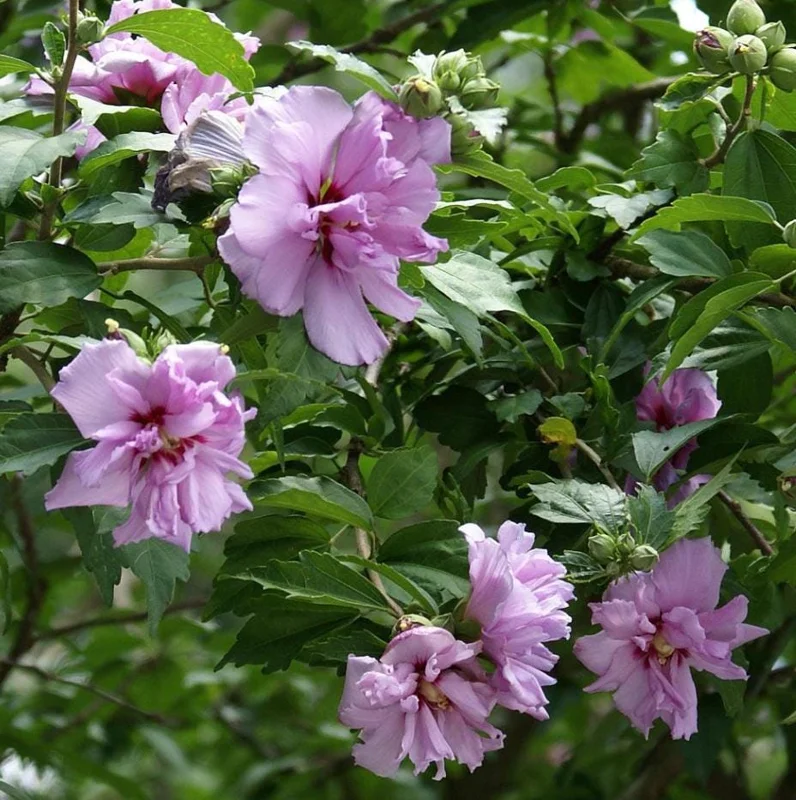
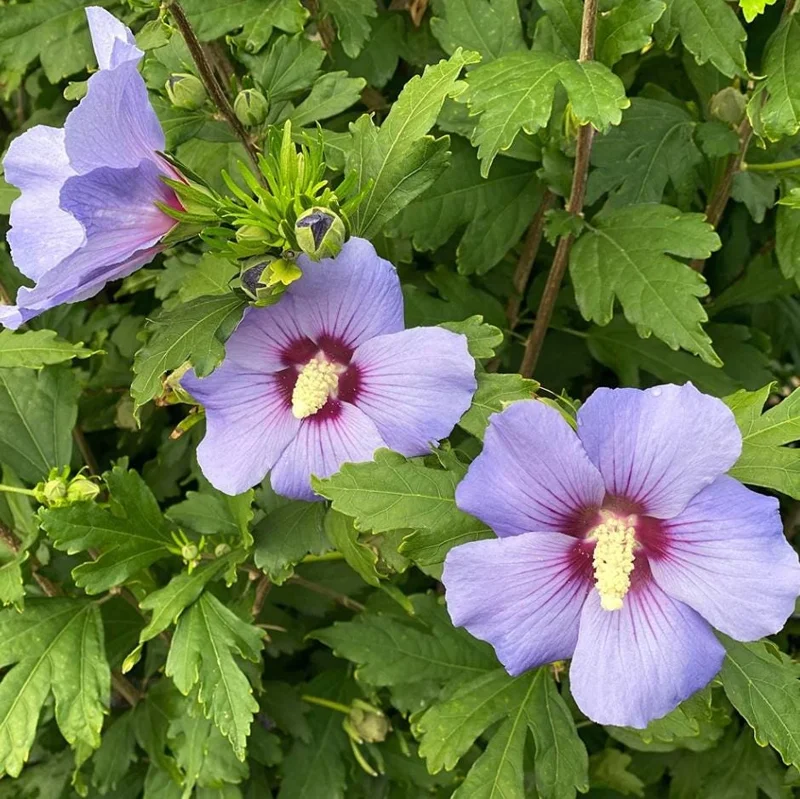
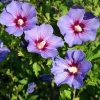
Introduce a touch of elegance and vibrant color to your landscape with the purple Althea Rose of Sharon tree. This beautiful live plant, scientifically known as Hibiscus syriacus, is offered as a 1-year-old dormant seedling in a quart pot, ready for outdoor planting. Renowned for its striking, trumpet-shaped purple flowers that bloom profusely from summer to fall, the Rose of Sharon is a highly sought-after deciduous shrub. Its easy-care nature and ability to thrive in a variety of conditions make it an excellent choice for both novice and experienced gardeners. Whether used as a specimen plant, in a mixed border, or as an informal hedge, this Hibiscus syriacus live plant promises to be a stunning addition, attracting pollinators and adding continuous visual interest throughout the warmer months.
The purple Althea Rose of Sharon tree is a robust and resilient plant, celebrated for its hardiness and adaptability. Unlike some more delicate flowering shrubs, the Rose of Sharon is quite forgiving, tolerating urban pollution and a range of soil types once established. Its upright, vase-shaped growth habit makes it suitable for various garden designs, from formal to cottage gardens. As a cold hardy flowering shrub, it can withstand cooler temperatures, ensuring reliable performance across many USDA zones. This particular offering is a dormant seedling, meaning it will arrive without leaves if ordered during its natural dormant period (typically October-April), which is completely normal and indicates a healthy plant ready to establish roots and flourish in its new home.
Key Benefits
Adding a purple Althea Rose of Sharon tree to your garden offers numerous advantages, enhancing both aesthetic appeal and ecological value. This low-maintenance shrub provides long-lasting beauty and contributes positively to local ecosystems.
- Stunning, Long-Lasting Blooms: Enjoy a profusion of vibrant purple flowers from mid-summer through fall, extending the blooming season in your garden when many other plants are fading. These showy flowers create a dramatic focal point.
- Attracts Pollinators: The beautiful blooms are a magnet for hummingbirds, butterflies, and bees, helping to support local pollinator populations and enhance the biodiversity of your garden space.
- Exceptional Hardiness: As a cold hardy flowering shrub, the Rose of Sharon can endure a wide range of temperatures and is remarkably resilient, making it suitable for many climates and ensuring reliable growth year after year.
- Easy to Grow and Maintain: This plant is known for its forgiving nature, thriving with minimal fuss. It’s an excellent choice for gardeners seeking high impact with low effort, making Rose of Sharon tree care straightforward.
- Versatile Landscaping Plant: Its adaptable size and shape allow it to be used in various landscape applications, from a standalone specimen to a privacy screen or a vibrant addition to a mixed border.
- Rapid Growth Rate: The Althea Rose of Sharon grows quickly, allowing you to achieve a mature, full-bodied shrub in a relatively short period, ideal for fast landscaping needs.
- Drought Tolerant Once Established: While it appreciates consistent moisture, this shrub shows good drought tolerance once its root system is well-established, reducing watering needs during dry spells.
Plant Care & Growing Tips
Caring for your purple Althea Rose of Sharon tree is generally straightforward, making it a rewarding plant for gardeners of all skill levels. To ensure vigorous growth and abundant blooms, proper siting and consistent care are key. This Althea plant outdoor is best planted in a location where it can receive ample sunlight.
For optimal growth, plant your Hibiscus syriacus live plant in a location that receives full sun to partial shade. Full sun (at least 6 hours of direct sunlight per day) encourages the most prolific flowering. While it tolerates partial shade, flowering may be reduced. It prefers well-draining soil, but is adaptable to various soil types, including clay, loam, and sand, as long as drainage is adequate. Avoid constantly waterlogged conditions, which can lead to root rot. When planting, amend heavy clay soils with organic matter to improve drainage, and sandy soils to improve water retention. Dig a hole twice as wide as the root ball and just as deep, ensuring the top of the root ball is level with the soil surface.
Watering should be consistent, especially during the first growing season to help establish a strong root system. Once established, the purple Althea Rose of Sharon tree is moderately drought tolerant but will perform best with regular watering during dry periods. Fertilize in early spring with a balanced, slow-release granular fertilizer formulated for flowering shrubs. Pruning is best done in late winter or early spring before new growth begins. This encourages more blooms, as Rose of Sharon flowers on new wood. You can prune to maintain shape, control size, or remove any dead or damaged branches. This also helps with Rose of Sharon tree care and overall plant health. While generally pest-resistant, keep an eye out for aphids or whiteflies and treat with an insecticidal soap if necessary.
Size & Details
This offering is for a purple Althea Rose of Sharon tree, provided as a 1-year-old dormant seedling, carefully grown in a quart-sized pot. When mature, this deciduous shrub typically grows to a height of 8 to 12 feet tall with a spread of 4 to 10 feet, forming an upright, vase-shaped habit. Its growth rate is considered fast, allowing it to reach a significant size within a few years of planting. The plant will be shipped in its nursery pot, with the root system intact, ready for transplanting into your garden. If ordered between October and April, it will arrive in its natural dormant state, which is normal and ensures a healthy transition to your landscape. Expect the plant to break dormancy and begin leafing out as temperatures warm in spring, followed by its spectacular purple blooms from summer through fall. The Althea plant outdoor thrives in a range of conditions, ensuring a reliable performance.
Frequently Asked Questions
- Q: How big does a purple Althea Rose of Sharon tree get? A: A mature purple Althea Rose of Sharon tree typically reaches a height of 8 to 12 feet and a spread of 4 to 10 feet. Its size can be managed with annual pruning.
- Q: Is this an indoor or outdoor plant? A: This is an outdoor plant, specifically a cold hardy flowering shrub, designed to thrive in garden settings, landscapes, and as a hedge. It is not suitable for long-term indoor cultivation.
- Q: How much sunlight does it need? A: The Hibiscus syriacus live plant prefers full sun (at least 6 hours of direct sunlight daily) for the best flowering. It can tolerate partial shade, but blooms may be less abundant.
- Q: What condition will it arrive in? A: If ordered during fall through early spring (October-April), your purple Althea Rose of Sharon tree will arrive in its natural dormant state, meaning it will not have leaves. This is healthy and normal. During warmer months, it will arrive with foliage.
- Q: Is this plant easy to care for? A: Yes, Rose of Sharon tree care is considered easy. It’s a low-maintenance shrub that tolerates a variety of conditions once established, making it great for beginners.
- Q: When is the best time to plant this Althea plant outdoor? A: The best time to plant is in spring or early fall, allowing the plant sufficient time to establish its root system before extreme weather conditions.
- Q: Will it survive winter in my zone? A: Yes, the purple Althea Rose of Sharon tree is a cold-hardy shrub, typically thriving in USDA Zones 5-9. It is well-adapted to surviving winter in these regions.
- Q: What type of soil does it prefer? A: It prefers well-draining soil but is adaptable to various soil types, including clay, loam, and sand. Good drainage is crucial to prevent root issues.
- Q: How often should I water my Rose of Sharon tree? A: Water regularly during its first growing season. Once established, it becomes more drought-tolerant, but consistent watering during dry spells will encourage better flowering.
- Q: Does this plant attract pollinators? A: Absolutely! The vibrant flowers of the purple Althea Rose of Sharon tree are very attractive to butterflies, bees, and hummingbirds, making it a great addition for supporting local wildlife.








Reviews
There are no reviews yet.