Overview
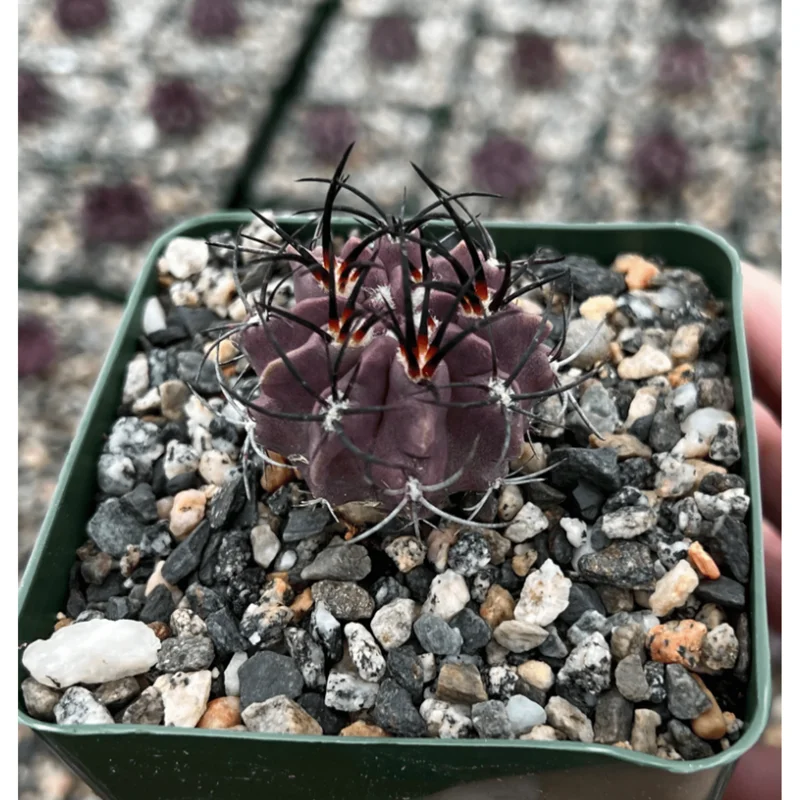
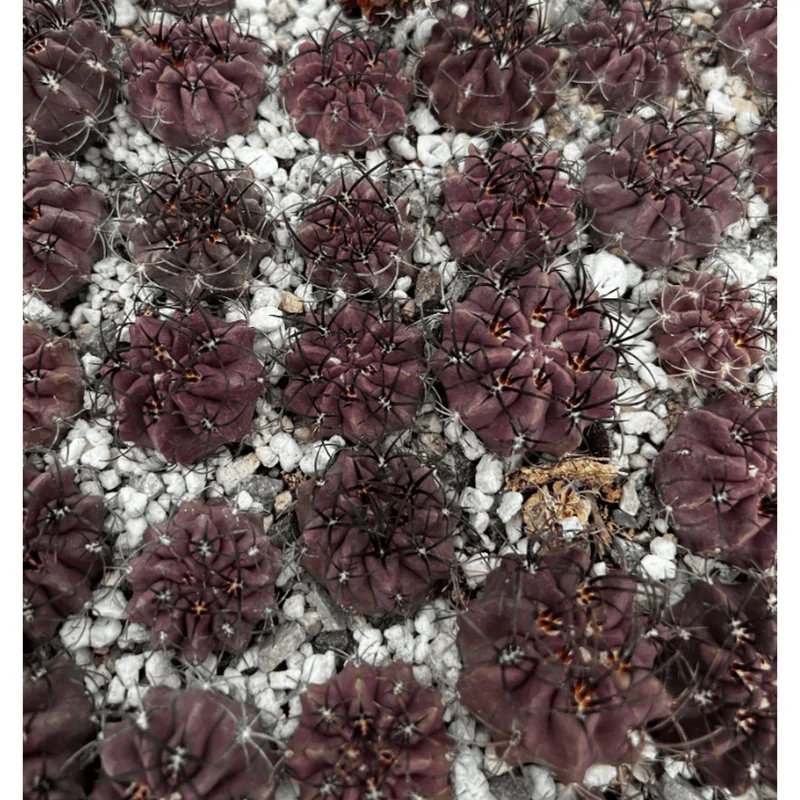
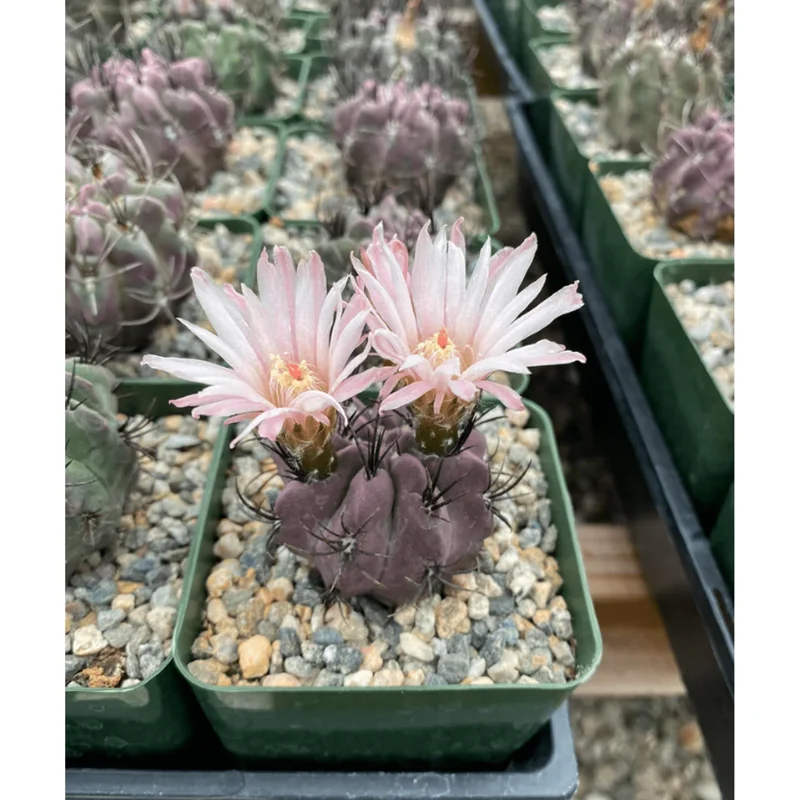
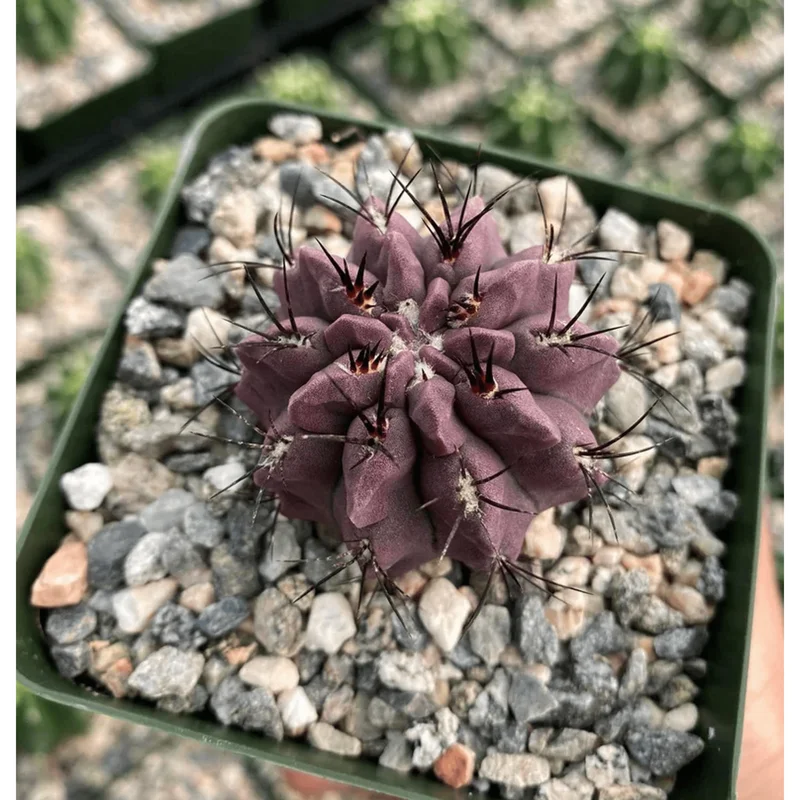
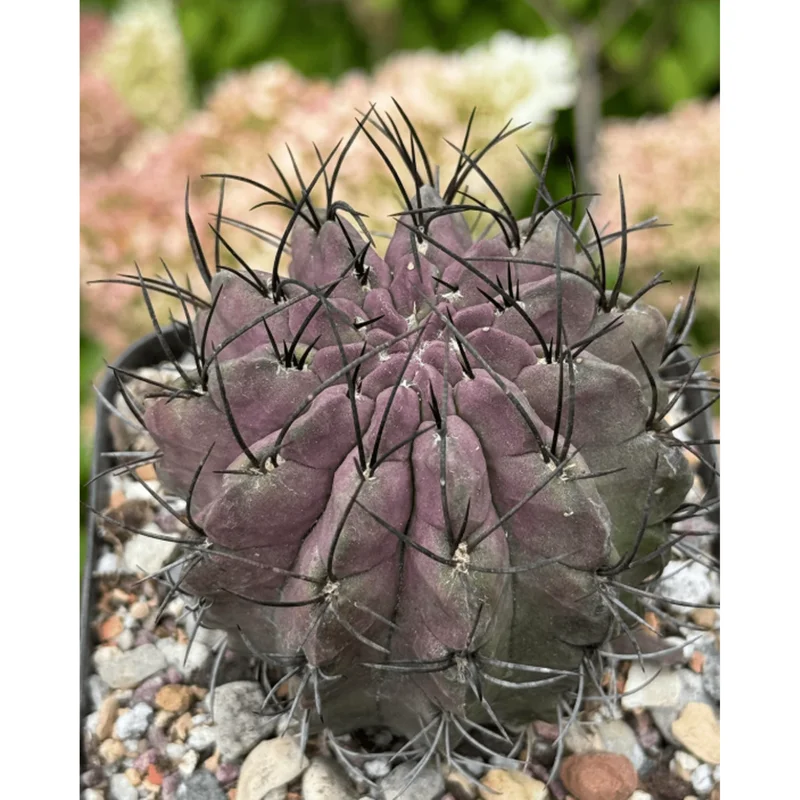
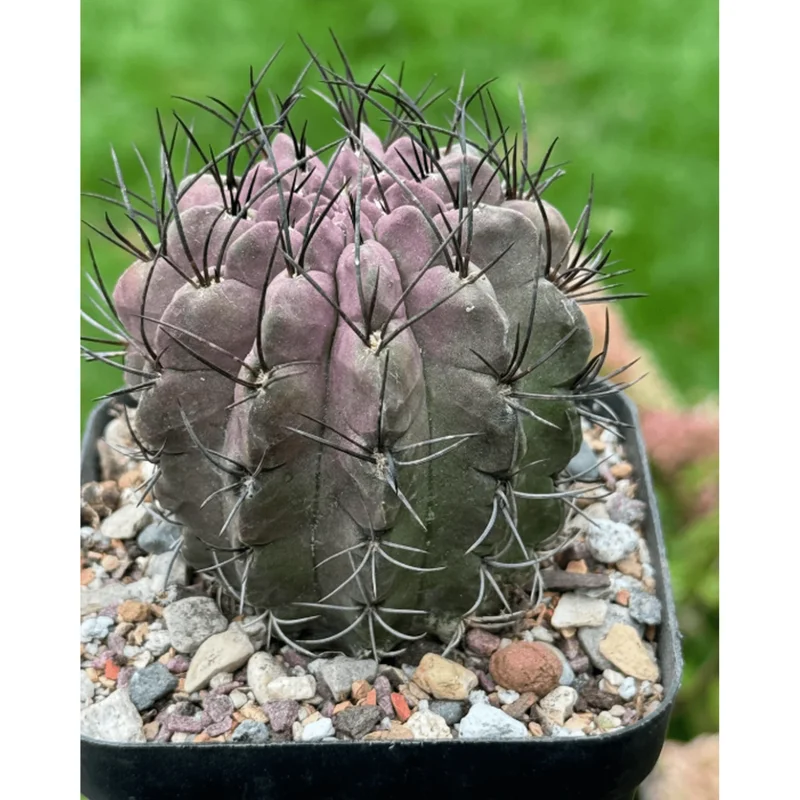
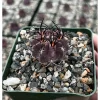
Introduce a touch of exotic beauty to your plant collection with the stunning purple cactus plant, Neochilenia Jussieui. This captivating succulent, often recognized by its vibrant hues and unique spherical to columnar form, is a must-have for enthusiasts seeking a distinctive specimen. Shipped as a healthy live plant in a 3.5-inch pot, the Neochilenia Jussieui (also known as Eriosyce heinrichiana) offers both visual appeal and a relatively straightforward care routine, making it suitable for a wide range of growers. Its striking purple coloration intensifies under optimal light conditions, providing a dynamic focal point in any indoor display or outdoor rock garden.
The Neochilenia Jussieui is celebrated for its robust nature and architectural presence. Originating from arid regions, it has evolved to thrive with minimal intervention, making it an excellent choice for those seeking low-maintenance yet high-impact plants. Its unique appearance and ease of care contribute to its growing popularity among succulent collectors. This live plant arrives ready to be integrated into your home or garden, promising to bring a unique aesthetic and a conversation starter to your space.
Key Benefits
The purple cactus plant offers numerous advantages beyond its captivating appearance, making it a rewarding addition to any plant collection. Its resilience and unique characteristics contribute to a fulfilling growing experience.
- Striking Visual Appeal: The vibrant purple coloration of the Neochilenia Jussieui provides a dramatic contrast to traditional green foliage, making it a standout feature in any succulent arrangement or as a solo specimen. Its unique form adds architectural interest.
- Low Maintenance: As a desert plant, this succulent is incredibly drought-tolerant and requires infrequent watering, perfect for busy individuals or those new to plant care. Its forgiving nature makes it a great choice for beginners.
- Adaptable Growth: While often grown indoors, the Neochilenia Jussieui can also thrive outdoors in appropriate climates, offering versatility in placement and design. It adapts well to various light conditions, though bright light enhances its color.
- Unique Collector’s Item: This rare succulent is not commonly found in average nurseries, making it a special acquisition for collectors looking to diversify their plant portfolio with unusual and distinct species.
- Drought-Tolerant: Its ability to store water efficiently means it can withstand periods of dryness, reducing the need for constant attention and making it resilient in challenging environments.
- Compact Size: The 3.5-inch pot size makes it ideal for windowsills, desks, or small terrariums, allowing you to enjoy its beauty even in limited spaces. It maintains a manageable size for many years.
- Air Purifying Qualities: Like many plants, the Neochilenia Jussieui contributes to a healthier indoor environment by absorbing toxins and releasing oxygen, subtly improving air quality.
Plant Care & Growing Tips
Caring for your purple cactus plant, Neochilenia Jussieui, is relatively straightforward, provided you understand its specific needs as a desert-dwelling succulent. Success hinges on replicating its natural arid environment. The most crucial aspects are ample sunlight, appropriate watering, and well-draining soil. This plant is known for its resilience once established, making it a rewarding choice for both novice and experienced succulent growers.
For optimal growth and to enhance its vibrant purple coloration, the Neochilenia Jussieui requires bright sunlight. Place it in a location where it can receive at least 6 hours of direct sunlight per day. If grown indoors, a south-facing window is ideal. While it loves bright light, protect it from intense, scorching afternoon sun, especially during the hottest summer months, which can cause sunburn. During the growing season (typically spring and summer), water thoroughly but infrequently. Allow the soil to dry out completely between waterings to prevent root rot, which is a common issue for succulents. In winter, during its dormancy period, significantly reduce watering, providing just enough to prevent the plant from shriveling. Overwatering is the most common cause of failure for this rare succulent.
The right soil mix is paramount for the health of your purple cactus plant. Use a specialized cactus or succulent potting mix that ensures excellent drainage. Incorporating additional pumice, perlite, or coarse grit will further improve aeration and prevent waterlogging. Good drainage is essential for healthy root development and to prevent fungal diseases. This plant thrives in temperatures between 60-80°F (15-27°C). While it can tolerate brief dips, protect it from frost. Fertilization is generally not heavily required; a diluted, low-nitrogen cactus fertilizer can be applied once or twice during the peak growing season, but avoid over-fertilizing. Understanding these basic care principles will ensure your Eriosyce heinrichiana flourishes for years to come.
Size & Details
This offering includes one live purple cactus plant, Neochilenia Jussieui, carefully cultivated and shipped in a 3.5-inch nursery pot. The plant’s size will vary slightly due to natural growth, but it will be a healthy young specimen ready to establish itself in your home or garden. Typically, these cacti remain relatively compact, growing slowly but steadily. They will eventually reach a mature height of approximately 4-8 inches, with a similar width, forming a striking globular to short-columnar shape.
The plants are well-rooted and established in their pots, ensuring a smooth transition to their new environment. Expect a robust and vibrant plant upon arrival, with the potential for its unique purple hues to deepen and become more prominent with proper light exposure. This desert plant is a long-lived succulent, providing years of enjoyment with minimal effort. It is shipped in its nursery pot with soil, carefully packaged to protect it during transit.
Frequently Asked Questions
- Q: How big does this plant get? A: The Neochilenia Jussieui typically grows to a compact size, reaching about 4-8 inches in height and width at maturity. Its growth rate is generally slow, making it suitable for smaller spaces.
- Q: What size pot does it come in? A: This purple cactus plant is shipped as a live specimen in a 3.5-inch diameter nursery pot, ready for you to place or repot into a decorative container.
- Q: Is this an indoor or outdoor plant? A: The Neochilenia Jussieui can thrive both indoors and outdoors. If grown outdoors, ensure it is in a climate that doesn’t experience hard freezes. Indoors, place it near a bright window.
- Q: How much sunlight does it need? A: This rare succulent requires bright sunlight, ideally at least 6 hours of direct sun daily. If grown indoors, a south-facing window is best. Avoid prolonged intense afternoon sun that can scorch it.
- Q: Is this plant easy to care for? A: Yes, the Neochilenia Jussieui care routine is considered easy. It’s a drought-tolerant plant that thrives on neglect rather than over-attention, making it great for beginners.
- Q: What condition will it arrive in? A: Your purple cactus plant will arrive healthy and well-packaged in its nursery pot with soil, ready to be enjoyed. We take great care in preparing it for shipment.
- Q: Is it shipped in soil? A: Yes, the live plant is shipped in its original 3.5-inch nursery pot, complete with its well-draining soil mix, to minimize transplant shock and ensure its health upon arrival.
- Q: When is the best time to repot this plant? A: The best time to repot your Eriosyce heinrichiana is during its active growing season in spring or early summer, allowing it to recover quickly from any disturbance.
- Q: What’s the minimum temperature it can tolerate? A: This desert plant prefers temperatures between 60-80°F (15-27°C) and should be protected from temperatures below 40°F (4°C) to prevent cold damage.
- Q: How often should I water my Neochilenia Jussieui? A: Water thoroughly only when the soil is completely dry. This could be every 2-4 weeks during the growing season and even less frequently during winter dormancy.




Reviews
There are no reviews yet.