Overview
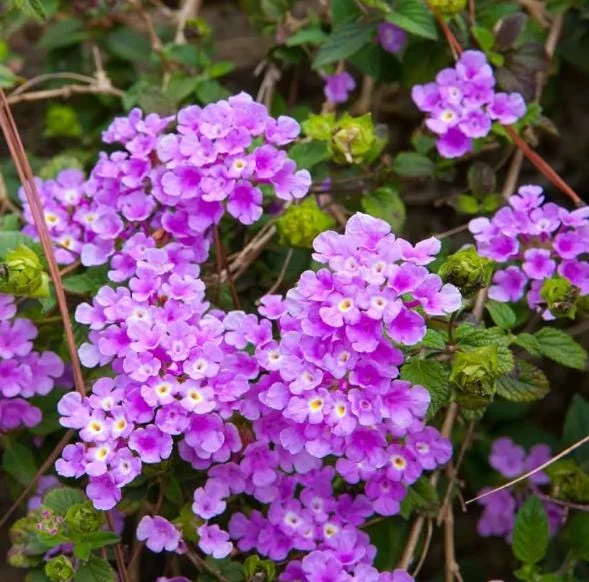
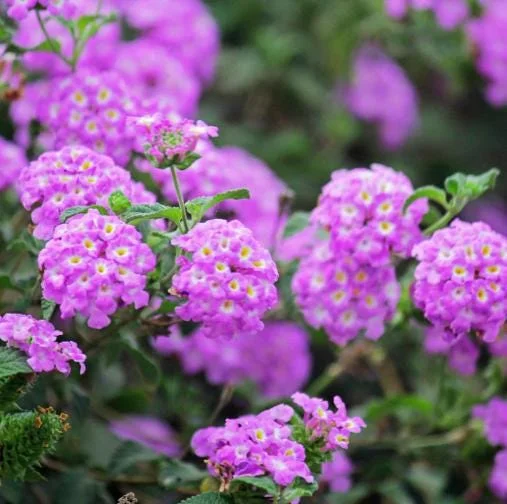
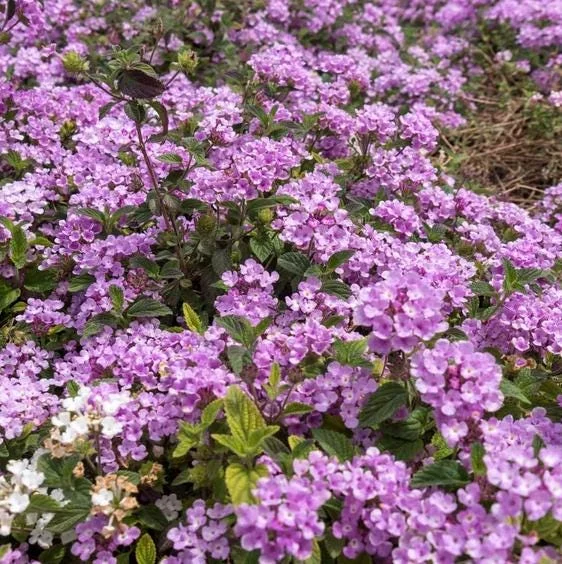
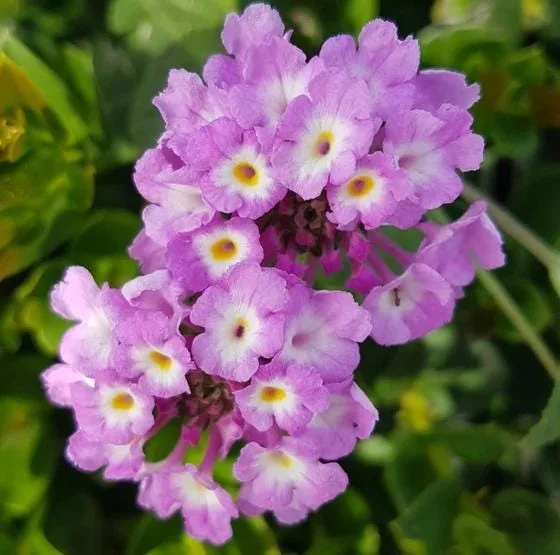
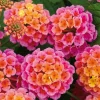
Introduce a splash of vibrant color and delightful fragrance to your outdoor space with the stunning purple lantana live plant. Known for its resilient nature and continuous blooming, this sun-loving perennial is a favorite among gardeners seeking both beauty and ease of care. The Lantana camara, commonly referred to as Lantana, produces charming clusters of small, tubular flowers that transition through various shades of lavender, violet, and deep purple as they mature, creating an enchanting two-tone effect. This dynamic display adds visual interest to any garden bed, container, or hanging basket. Our purple lantana live plant is delivered ready to thrive, offering an immediate impact in your landscape. It’s an excellent choice for attracting pollinators like butterflies and hummingbirds, making your garden a lively sanctuary.
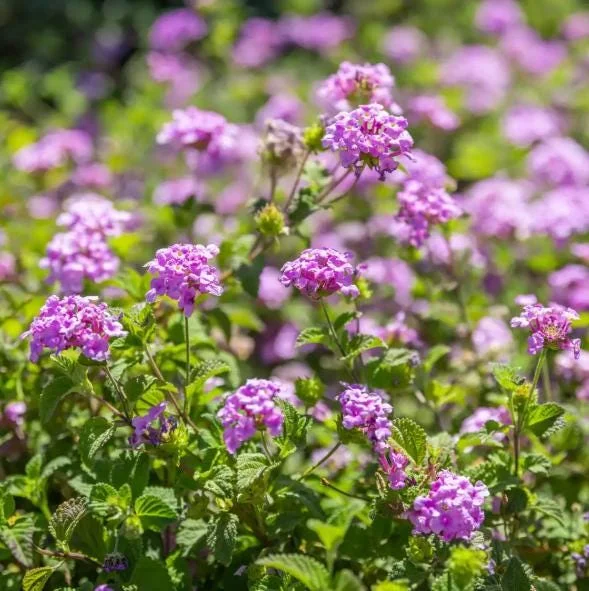
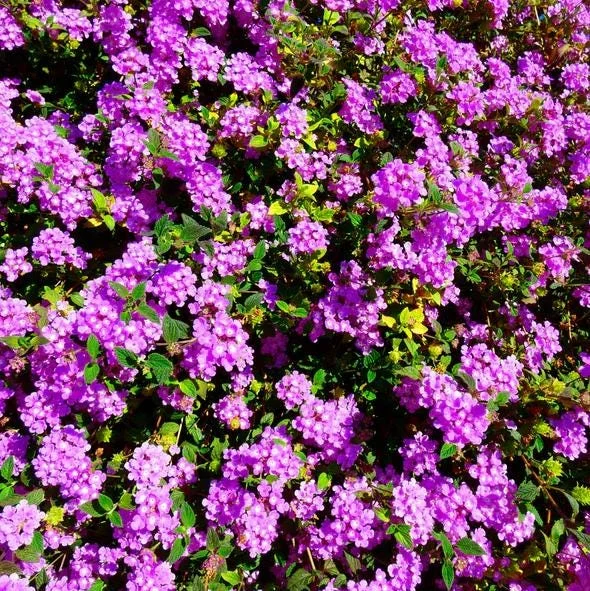
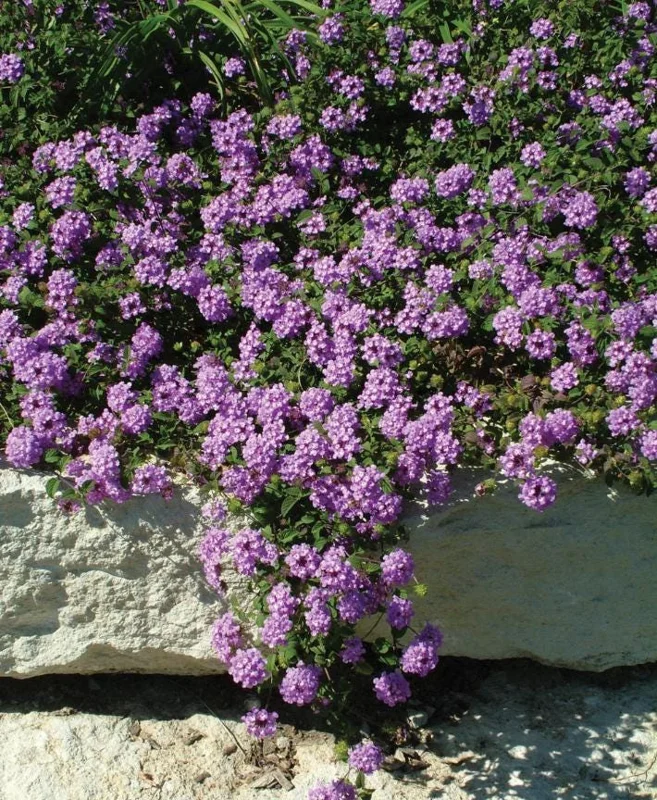
The purple lantana live plant is celebrated for its ability to flourish in challenging conditions, tolerating heat, drought, and a variety of soil types once established. Its vigorous growth habit and profusion of blooms from spring through fall ensure a long season of enjoyment. Whether you’re an experienced gardener or just starting, this plant offers rewarding results with minimal effort. Its versatility allows it to be used as a ground cover, a border plant, or as a vibrant accent in mixed containers. Experience the joy of cultivating a plant that not only beautifies your surroundings but also contributes to the local ecosystem by supporting beneficial insects.
Key Benefits
The purple lantana live plant offers a multitude of benefits, making it an indispensable addition to any garden. Its robust nature and aesthetic appeal contribute significantly to a vibrant and thriving outdoor environment.
- Continuous Blooms: Enjoy a prolonged display of beautiful purple, lavender, and violet flowers from spring through fall, ensuring your garden remains colorful for months. These fragrant lantana flowers provide consistent visual appeal.
- Attracts Pollinators: The nectar-rich blooms are a magnet for butterflies, hummingbirds, and other beneficial pollinators, enhancing the biodiversity and health of your garden.
- Drought Tolerant: Once established, the purple lantana live plant is highly tolerant of dry conditions, making it an ideal choice for water-wise gardening and regions with limited rainfall.
- Low Maintenance: This hardy perennial requires minimal care, thriving with basic attention and resisting many common pests and diseases, perfect for busy gardeners.
- Versatile Landscaping: Its adaptable growth habit allows it to be used in various settings, including garden beds, borders, containers, and as ground cover, offering flexibility in design.
- Heat Tolerant: Thrives in hot, sunny conditions where many other plants might struggle, making it excellent for full-sun exposures.
- Aromatic Foliage: Beyond its beautiful blooms, the foliage of the purple lantana live plant emits a distinctive, pleasant aroma when brushed against, adding another sensory dimension to your garden experience.
Plant Care & Growing Tips
Caring for your purple lantana live plant is straightforward, ensuring a season full of vibrant blooms. These plants are known for their resilience and ability to thrive with minimal intervention, making them a fantastic choice for both novice and experienced gardeners. For optimal growth and prolific flowering, understanding their basic needs is key. Proper care for your perennial lantana care is essential for its long-term health.
Lantana thrives in full sun, requiring at least six hours of direct sunlight per day to produce its best blooms. While it can tolerate partial shade, flowering may be reduced. Well-draining soil is crucial; the plant is not particular about soil type and can even tolerate poor or sandy conditions, but it will not do well in waterlogged soil. When first planting, water moderately to help establish the root system. Once established, lantana is quite drought tolerant, so allow the soil to dry out between waterings. Overwatering can lead to root rot. Ideal temperatures for this plant range between 60°F and 100°F, aligning with its preference for warm climates. It is hardy in USDA Zones 8 to 11, where it will behave as a perennial. In cooler zones, it can be grown as an annual or brought indoors during winter.
Fertilization is generally not heavily required for lantana. If your soil is poor, a balanced, slow-release granular fertilizer applied in spring can encourage more vigorous growth and flowering. Pruning can be done in late winter or early spring to shape the plant and encourage new growth and more blooms. Deadheading spent flowers will also promote continuous blooming throughout the season. Keep an eye out for common pests like whiteflies or spider mites, though lantana is generally quite pest-resistant. Addressing these issues early with insecticidal soap can prevent larger infestations. Providing proper sun-loving lantana plants care ensures a healthy, flourishing display.
Size & Details
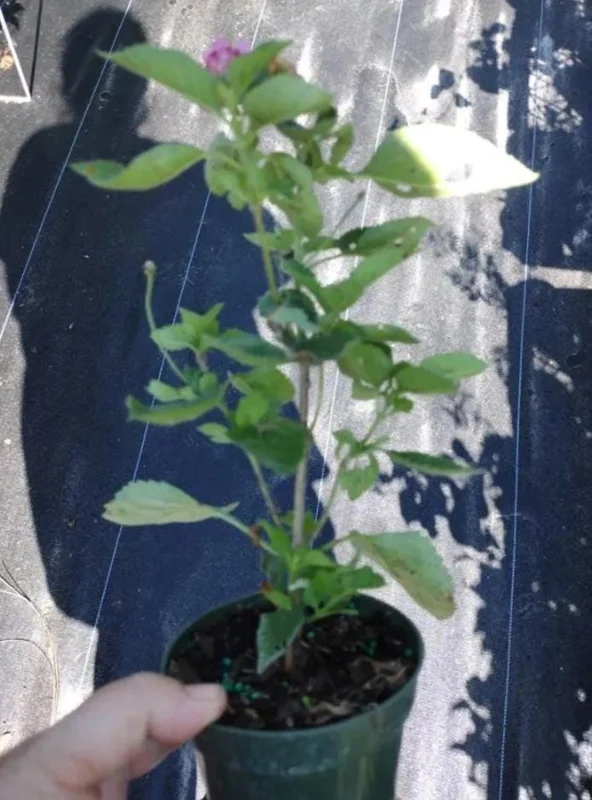
Our purple lantana live plant typically ships at a height of 4 to 6 inches tall, ready to be transplanted into your garden or a larger container. This size ensures a robust root system capable of adapting quickly to its new environment. These plants are delivered without a pot, allowing for easier, more efficient planting upon arrival. Lantana is a relatively fast grower, and you can expect it to reach its mature size within one to two growing seasons. Depending on growing conditions and variety, it can spread up to 3 to 6 feet wide and grow 2 to 5 feet tall, forming a beautiful mounded or spreading habit. Expect the first fragrant blooms to appear within weeks of planting, continuing through the warm months.
The vigorous nature of this lantana for home garden makes it an excellent choice for filling spaces quickly and providing long-lasting color. It’s also suitable for containers where its trailing branches can spill over the edges, creating a stunning visual effect. When planting, consider providing adequate space for its mature spread to ensure proper air circulation and growth. The plant’s hardiness ensures it will quickly establish and become a focal point in your landscape. Your plant will arrive carefully packaged to minimize stress during transit, ensuring it is healthy and ready for planting.
Frequently Asked Questions
- Q: How big does this purple lantana live plant get? A: A: This purple lantana live plant typically grows to a mature size of 2 to 5 feet tall and 3 to 6 feet wide, depending on the variety and growing conditions. It forms a lovely mounded or spreading shape.
- Q: Is this an indoor or outdoor plant? A: Purple lantana live plant is primarily an outdoor plant, thriving in full sun. In USDA Zones 8-11, it is a perennial. In colder zones, it can be grown as an annual or overwintered indoors in a bright location.
- Q: How much sunlight does it need? A: This plant requires at least 6 hours of direct sunlight per day to produce the most abundant and vibrant fragrant lantana flowers. It is truly a sun-loving plant.
- Q: Is this plant easy to care for? A: Yes, perennial lantana care is generally considered very easy. It is drought-tolerant, heat-tolerant, and relatively pest-free, making it an excellent choice for beginner gardeners.
- Q: What condition will it arrive in? A: Your purple lantana live plant will arrive as a healthy, young plant, typically 4 to 6 inches tall, without a pot. It will be carefully packaged to ensure it reaches you in optimal condition for planting.
- Q: How long until it blooms? A: With proper care and sufficient sunlight, your purple lantana live plant should start producing its beautiful flowers within a few weeks of planting and continue blooming throughout the warm season.
- Q: Will it survive winter in my zone? A: Sun-loving lantana plants are perennial in USDA Zones 8 to 11, meaning they will return each year. In zones colder than 8, they are typically grown as annuals or brought indoors to overwinter.
- Q: What is the best soil type for lantana for home garden? A: Lantana prefers well-draining soil and is adaptable to various soil types, including sandy or poor soils. Good drainage is more important than soil richness.
- Q: Does this plant attract pollinators? A: Absolutely! The vibrant and fragrant blooms of the purple lantana live plant are highly attractive to butterflies, hummingbirds, and other beneficial pollinators.
- Q: How often should I water my lantana? A: Water moderately when the plant is young to help establish its roots. Once established, lantana is drought-tolerant, so allow the soil to dry out completely between waterings to prevent root rot.




Reviews
There are no reviews yet.