Overview
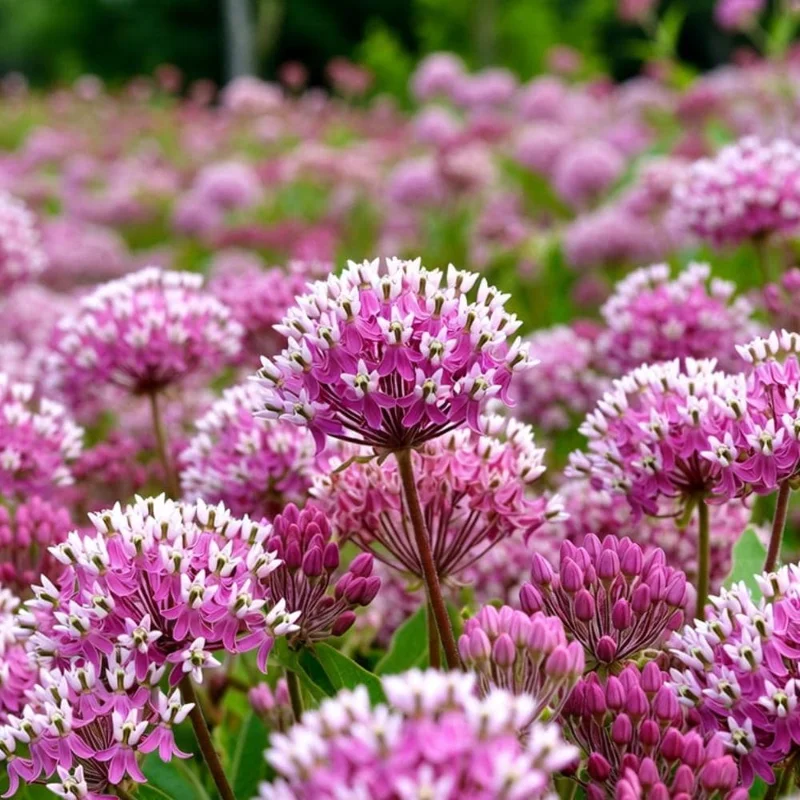
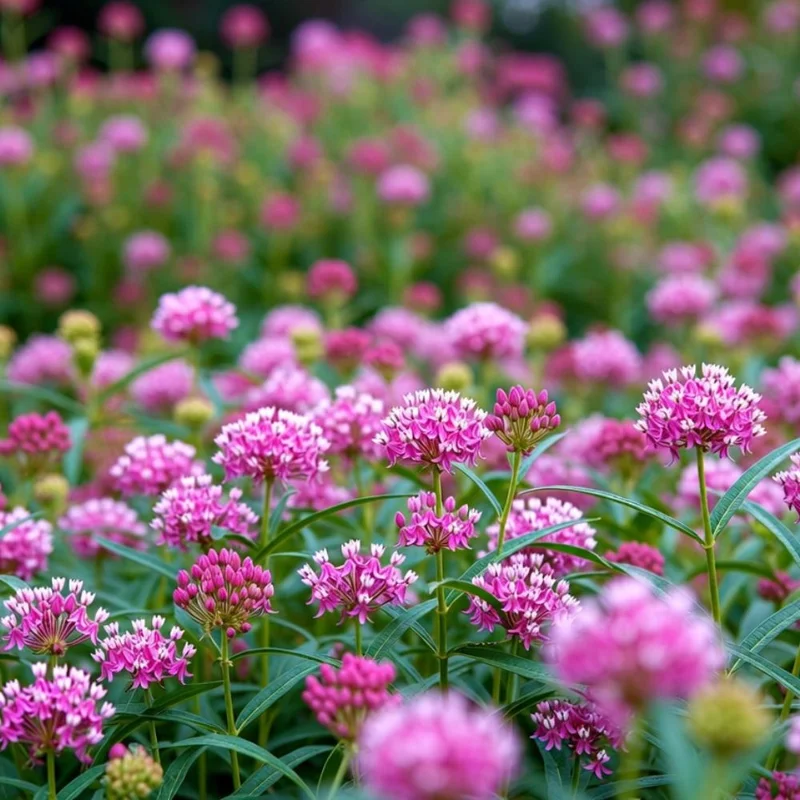
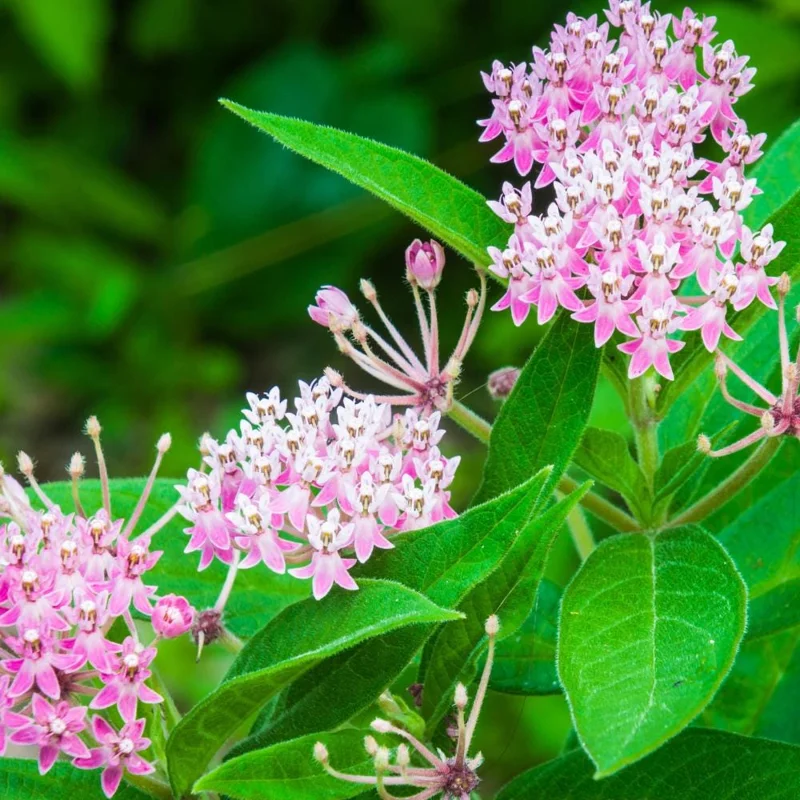
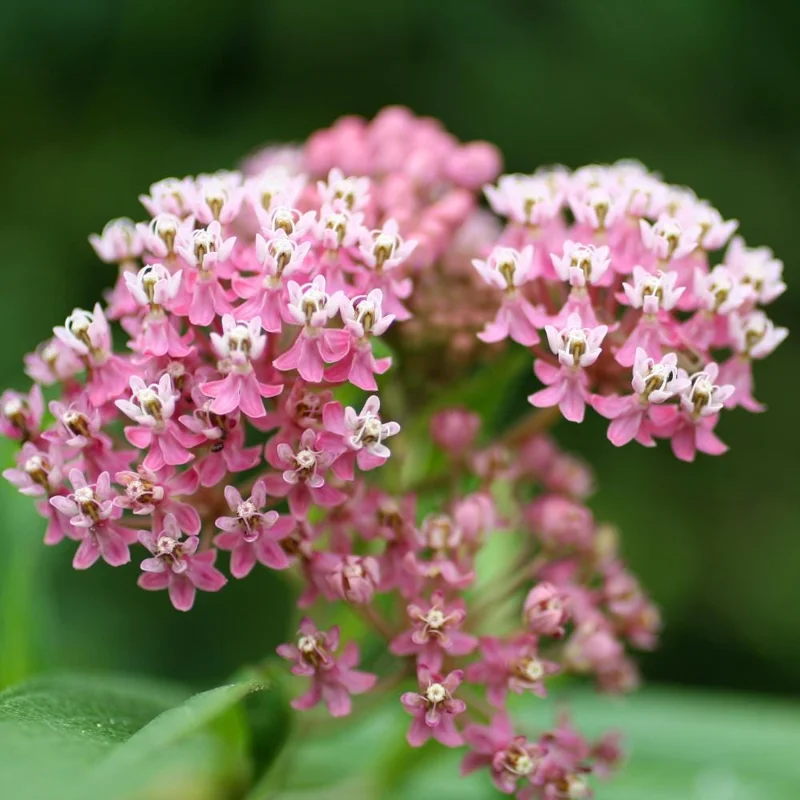
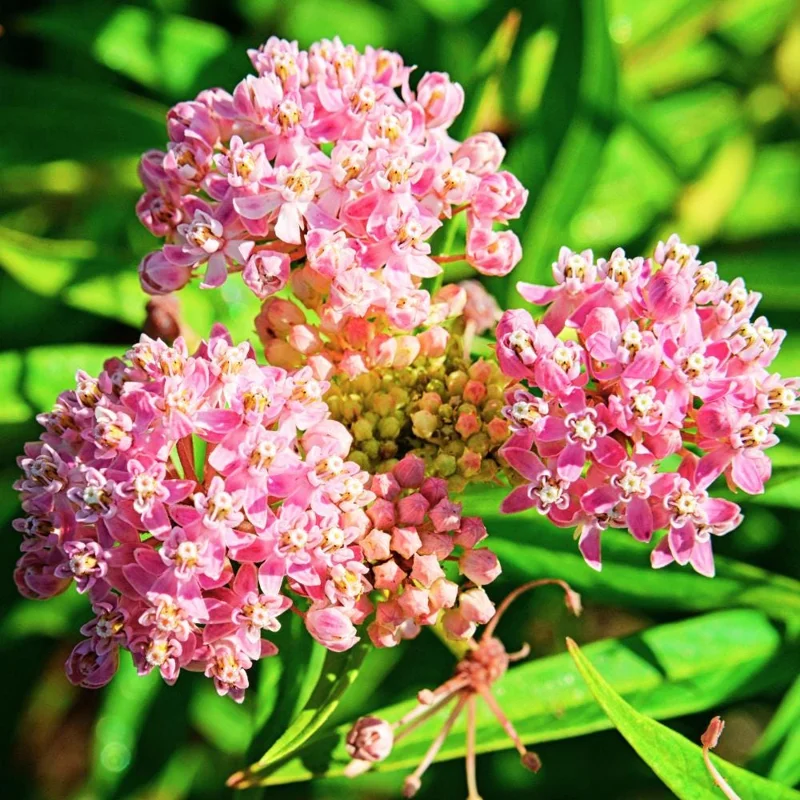
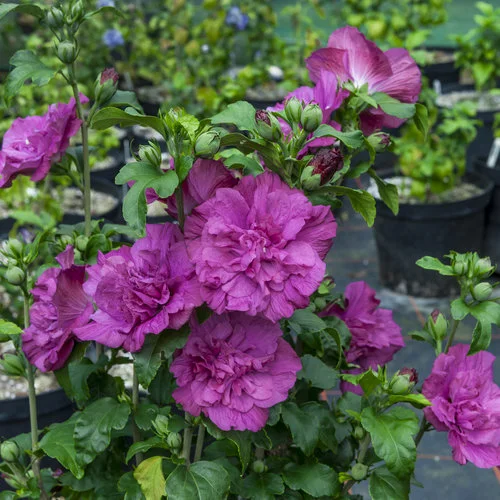
Welcome a crucial addition to your garden ecosystem with the stunning purple milkweed live plant. This captivating perennial, scientifically known as Asclepias Tuberosa, is celebrated for its elegant clusters of purple-snow-white flowers that bloom generously, creating a spectacular display. More than just a beautiful ornamental, this asclepias tuberosa plant is a vital host plant for monarch butterfly caterpillars and a favorite nectar source for a wide array of pollinators, including bees and other butterflies. Growing to a typical height of 2-3 feet, it adds significant visual interest and ecological value to any outdoor space. Our well-rooted live plants are ready to be transplanted into your garden, ensuring a strong start for a thriving, pollinator-friendly landscape.
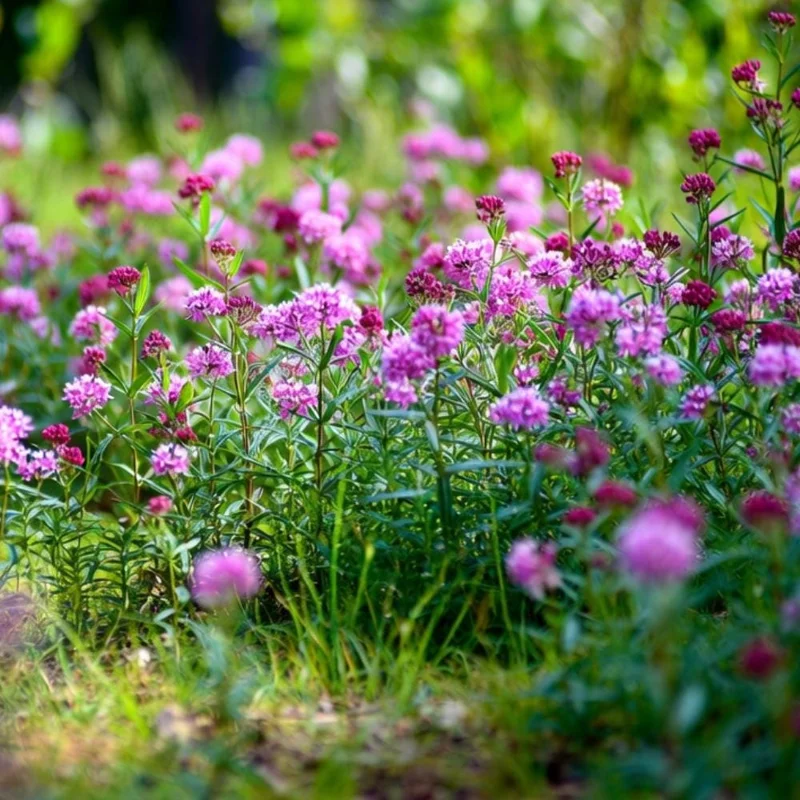
The purple milkweed live plant is a resilient and low-maintenance choice for gardeners looking to enhance biodiversity. Its narrow, dark green leaves provide a lush backdrop for the vibrant blooms, making it an attractive feature throughout the growing season. Whether you’re establishing a dedicated pollinator garden or simply adding color to your existing beds, this plant offers both aesthetic appeal and ecological benefit. It’s a fantastic way to contribute to local wildlife conservation efforts right from your backyard, providing essential resources for declining pollinator populations.
Key Benefits
Integrating the purple milkweed live plant into your garden offers numerous advantages, from its striking appearance to its ecological contributions. This versatile plant is a must-have for any gardener focused on beauty and sustainability.
- Attracts Pollinators: This plant is a magnet for monarch butterflies, bees, and other beneficial insects, providing essential nectar and serving as a host plant for monarch caterpillars. Cultivating milkweed for pollinators is crucial for supporting these vital species.
- Vibrant Blooms: Enjoy elegant clusters of purple-snow-white flowers that add a unique splash of color and texture to your garden. These showy blooms create a stunning visual impact.
- Low Maintenance: Once established, this perennial flowering plant is remarkably hardy and requires minimal care, making it suitable for both experienced and novice gardeners.
- Drought Tolerant: Adapted to various conditions, the purple milkweed can tolerate periods of drought once mature, making it an excellent choice for water-wise gardening.
- Deer Resistant: Its natural properties often deter deer, helping to protect your garden from browsing damage.
- Ecological Impact: By planting this species, you actively participate in creating and restoring habitats for butterflies and other beneficial insects, contributing to local biodiversity.
- Long Blooming Season: Provides continuous blooms throughout much of the summer, ensuring a prolonged period of color and pollinator activity.
Plant Care & Growing Tips
Caring for your purple milkweed live plant is straightforward, ensuring a healthy and vibrant addition to your garden. To achieve the best growth and bloom production, consider the following guidelines. This plant thrives in locations receiving full sun to partial shade, meaning it needs at least 6 hours of direct sunlight daily for optimal flowering. While it can tolerate some afternoon shade, too much shade will reduce its bloom count. Proper light exposure is key for a robust asclepias tuberosa plant.
When it comes to watering, the purple milkweed appreciates soil that stays consistently moist, especially during its establishment phase. However, it is also highly adaptable and performs well in well-draining soil, tolerating drier conditions once mature. Avoid waterlogged conditions, as this can lead to root rot. For soil type, a loamy or sandy soil with good drainage is ideal. This plant is suitable as a perennial in USDA Zones 6-9, meaning it can withstand winter temperatures in these regions and return year after year. Fertilization is generally not heavily required; a light application of a balanced slow-release fertilizer in spring can encourage vigorous growth. Keep an eye out for aphids, a common pest for milkweed; a strong spray of water or insecticidal soap can manage infestations. Understanding good milkweed plant care ensures a thriving plant.
Size & Details
This purple milkweed live plant typically reaches a mature height of 2-3 feet, creating a substantial presence in your garden. Its elegant, purple-snow-white flower clusters emerge from narrow, dark green leaves, offering a beautiful contrast. The plants are shipped well-rooted, ready for immediate transplanting into your garden or a larger container. While growth rate can vary based on conditions, you can expect noticeable development within the first growing season, with full blooming potential often realized in the second year. These plants are grown for their robust nature and their vital role in supporting local ecosystems, particularly monarch butterflies.
Our purple milkweed live plant is propagated to ensure strong root development, giving it the best possible start in its new home. It is delivered in a potted form, minimizing transplant shock and allowing for a smoother transition to your garden environment. The mature spread typically matches its height, forming an attractive, upright clump. This makes it an excellent choice for mixed borders, native plant gardens, or dedicated pollinator patches. Expect a beautiful display of blooms throughout the summer, providing continuous interest and a constant food source for pollinators.
Frequently Asked Questions
- Q: How big does this plant get? A: The purple milkweed live plant typically reaches a height of 2-3 feet at maturity. Its spread is generally similar, creating an attractive, upright clump in your garden.
- Q: Is this an indoor or outdoor plant? A: This is primarily an outdoor perennial plant, best suited for garden beds, borders, or large containers where it can thrive in full sun to partial shade. It is not recommended as an indoor houseplant.
- Q: How much sunlight does it need? A: For optimal blooming and health, the asclepias tuberosa plant requires full sun exposure, meaning at least 6 hours of direct sunlight per day. It can tolerate partial shade, but flowering may be reduced.
- Q: Is this plant easy to care for? A: Yes, this is considered a relatively easy-care perennial. Once established, it is quite hardy and drought-tolerant, making it a good choice for gardeners of all experience levels. Good milkweed plant care is simple.
- Q: What condition will it arrive in? A: Your purple milkweed live plant will arrive well-rooted in a nursery pot, carefully packaged to ensure it reaches you in healthy condition, ready for planting.
- Q: How long until it blooms? A: If planted in spring, established plants typically begin blooming in late spring to early summer and continue through much of the season. Younger plants may bloom less profusely in their first year.
- Q: Will it survive winter in my zone? A: This perennial is suitable for USDA Zones 6-9, meaning it is winter hardy in these regions and will return from its roots each spring.
- Q: Can I grow this plant in a container? A: Yes, you can grow this perennial flowering plant in a large container, provided it has adequate drainage and is placed in a location with sufficient sunlight. Ensure the container is large enough to accommodate its mature size.
- Q: Why is planting milkweed important? A: Planting milkweed is crucial because it is the only host plant for monarch butterfly caterpillars, meaning monarch butterflies cannot complete their life cycle without it. By planting milkweed for pollinators, you directly support monarch populations.
- Q: What kind of soil does it prefer? A: The purple milkweed thrives in well-draining soil. It is adaptable to various soil types, including sandy or loamy soils, but good drainage is essential to prevent root issues.











Reviews
There are no reviews yet.