Overview
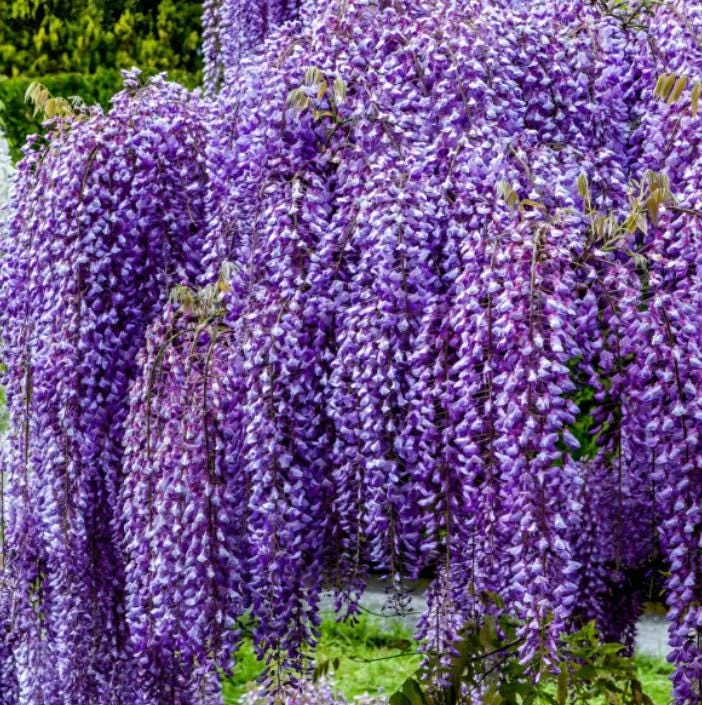
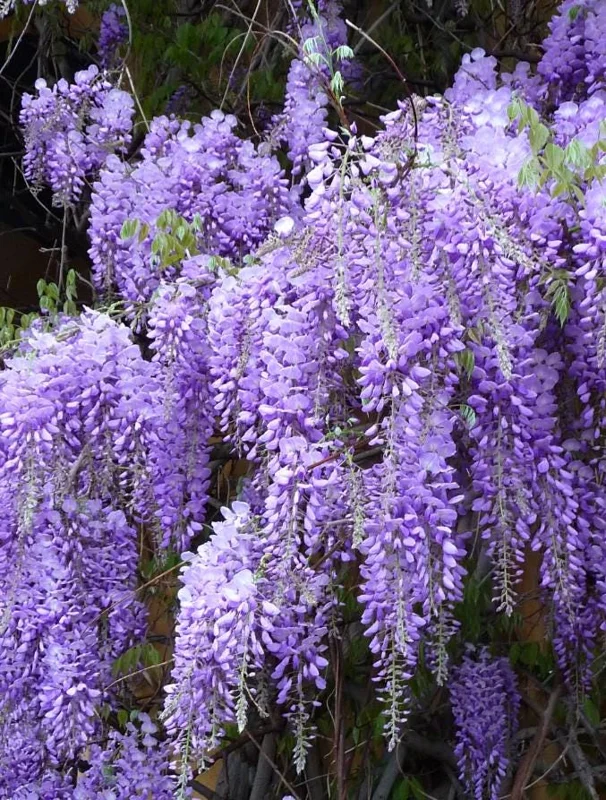
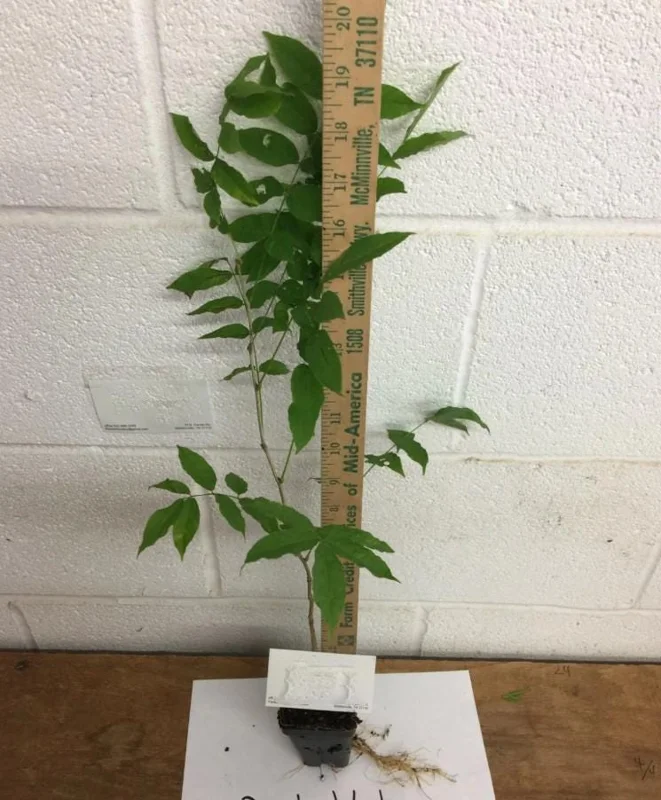
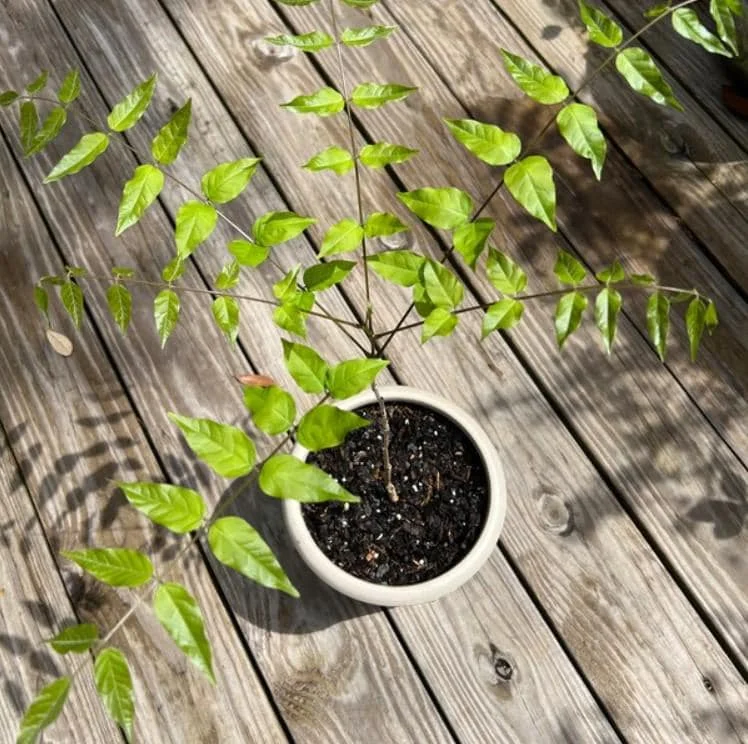
Transform your outdoor space with the breathtaking beauty of a purple wisteria live plant. This captivating vine, scientifically known as Wisteria Sinensis, is celebrated for its spectacular long, cascading clusters of fragrant purple flowers that create a truly magical display. A native of China and Japan, wisteria is not just a plant; it’s a living piece of art that symbolizes love and longevity, capable of thriving for decades and becoming a cherished part of your garden. Our purple wisteria live plant arrives as a healthy, vibrant specimen, typically 6-12 inches tall and rooted in a 3-inch pot, ready to establish itself and bring its enchanting charm to your home garden or landscape project. Whether you’re looking to adorn a trellis, pergola, or arbor, this fast-growing vine offers unparalleled ornamental appeal.
Key Benefits
Investing in a purple wisteria live plant offers numerous advantages, from its aesthetic appeal to its robust growth. Here are some of the key benefits you can expect:
- Stunning Ornamental Value: The primary draw of wisteria is its magnificent floral display. The long, pendulous clusters of purple blooms create a dramatic, elegant visual impact, turning any structure into a focal point.
- Captivating Fragrance: Beyond their beauty, the flowers of purple wisteria live plant release a delightful, sweet fragrance that can perfume your entire garden, enhancing your outdoor living experience.
- Fast-Growing and Long-Lived: Wisteria is known for its vigorous growth, quickly covering trellises, arbors, and fences. With proper care, these vines can live for many decades, providing enduring beauty.
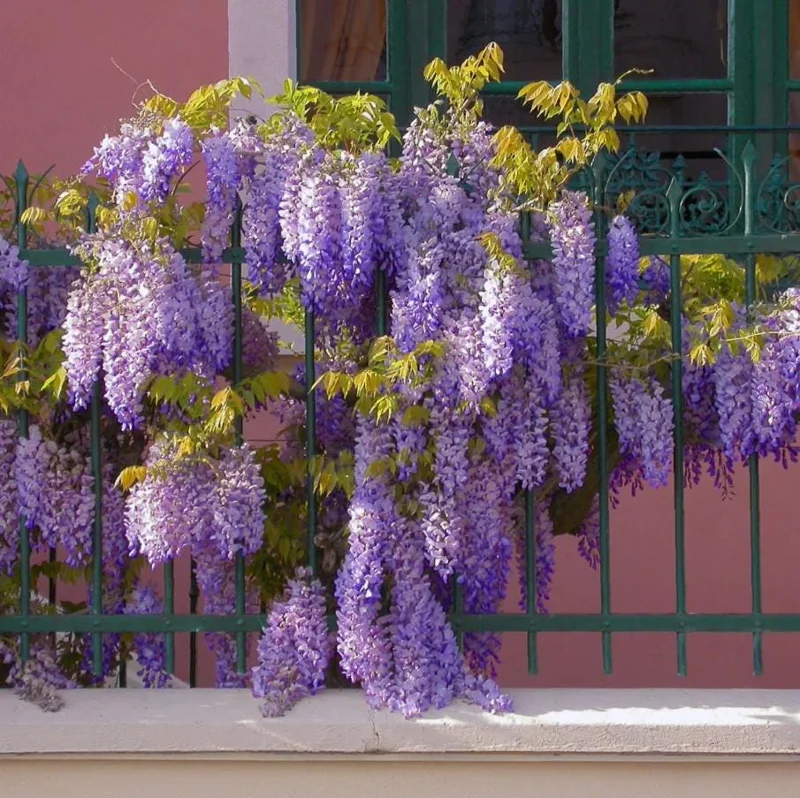
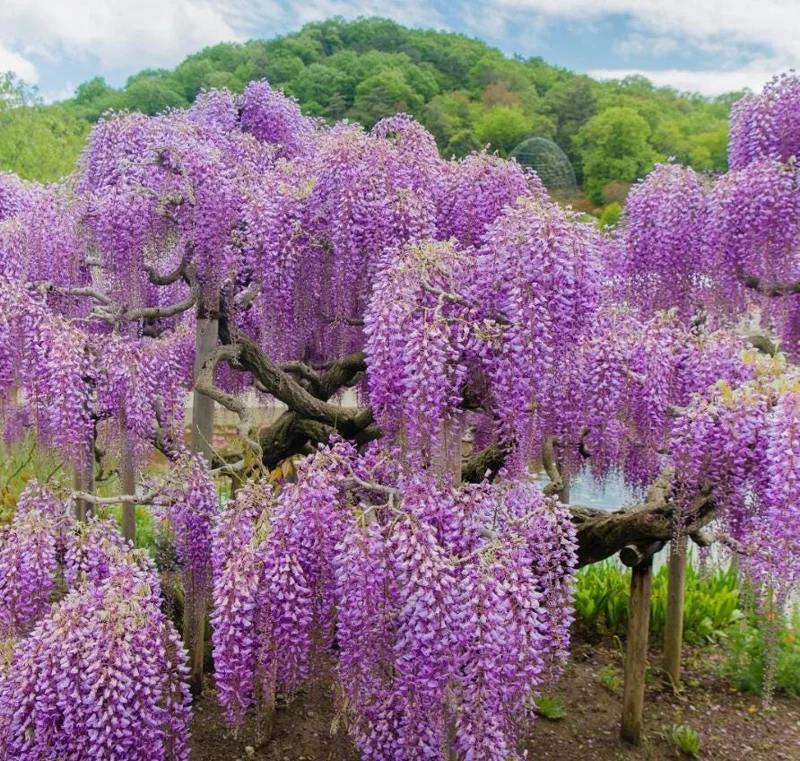
- Versatile Landscaping Use: Ideal for a variety of landscaping applications, including covering pergolas, arbors, fences, and walls. It can also be trained as a standard tree form, adding unique architectural interest.
- Attracts Pollinators: The abundant, fragrant flowers are a magnet for bees, butterflies, and other beneficial pollinators, contributing to the biodiversity and health of your garden ecosystem.
- Drought-Tolerant Once Established: While requiring regular watering during its establishment phase, mature wisteria plants are relatively drought-tolerant, making them a resilient choice for many climates.
- Symbolic Meaning: Wisteria symbolizes love, longevity, and new beginnings, making it a thoughtful and meaningful addition to any garden or a perfect gift.
Plant Care & Growing Tips
To ensure your purple wisteria live plant thrives and produces its signature spectacular blooms, understanding its care requirements is essential. Wisteria prefers temperate climates and is hardy in USDA zones 5–9, making it suitable for a wide range of regions. For optimal flowering, provide your wisteria with full sun exposure, meaning at least 6 hours of direct sunlight daily. While it can tolerate some partial shade, abundant sun is key to prolific blooming. The ideal planting time is early spring or fall, allowing the plant to establish its root system before extreme temperatures.
When it comes to soil, wisteria sinensis care involves well-drained, fertile soil with a pH between 6.0–7.0. While tolerant of various soil types, avoid overly wet or poorly drained areas, as this can lead to root issues. Water regularly during the first growing season to help the roots establish. Once mature, wisteria becomes more drought-tolerant, but occasional deep watering during dry spells will benefit the plant and encourage robust growth. Proper support is crucial for this vigorous vine; ensure you provide a sturdy trellis, pergola, arbor, or fence for it to climb. Spacing plants 10–15 feet apart is recommended if you’re planting multiple vines to allow for adequate growth and air circulation. Pruning is also an important aspect of growing wisteria vine, helping to control its size, shape, and promote flowering.
Size & Details
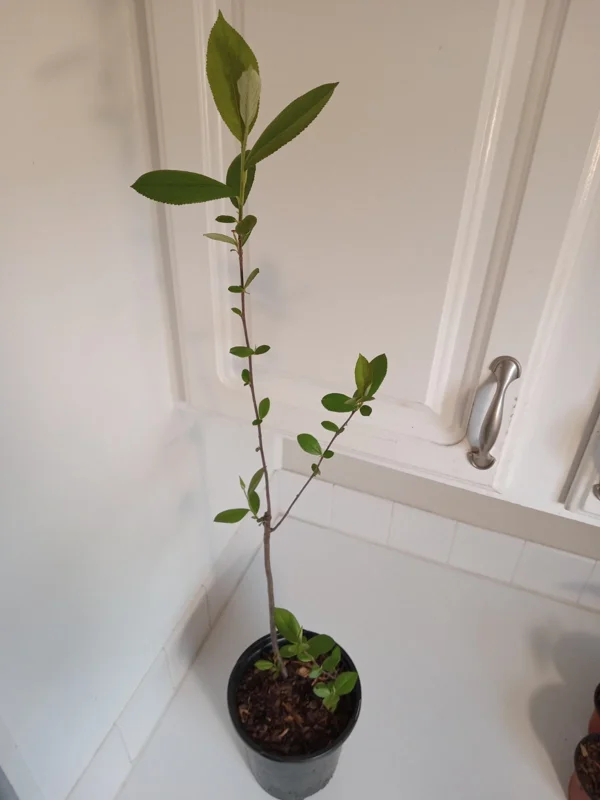
This offering includes one healthy purple wisteria live plant, which will arrive approximately 6-12 inches tall. Each plant is carefully rooted in a 3-inch nursery pot, providing a strong foundation for its journey to your garden. Wisteria is a fast-growing vine, and with ideal conditions, it will quickly begin to climb and establish itself. Expect the plant to develop a robust root system and begin sending out new shoots soon after planting. While blooming typically starts a few years after planting, the vigorous growth and lush foliage provide early garden appeal. The mature size of a wisteria vine can be quite substantial, reaching heights of 10-30 feet or more, depending on the support structure and pruning. The plant is shipped with its roots wrapped in a bit of soil and moist newspaper, secured in a plastic bag, ensuring it arrives in the healthiest and most vigorous condition possible.
Frequently Asked Questions
- Q: How big does this purple wisteria plant get? A: This purple wisteria live plant arrives 6-12 inches tall in a 3-inch pot. With proper care and support, mature wisteria vines can grow to be 10-30 feet long or more, creating a substantial and beautiful display.
- Q: Is this an indoor or outdoor plant? A: Wisteria is primarily an outdoor plant, thriving in full sun conditions. It is hardy in USDA zones 5–9 and requires ample space to grow and climb.
- Q: How much sunlight does a purple wisteria live plant need? A: For the best floral display, your wisteria needs full sun, which means at least 6 hours of direct sunlight per day. Less sun can result in fewer blooms.
- Q: Is this plant easy to care for? A: Once established, wisteria is relatively low-maintenance. The most critical aspects of wisteria sinensis care are providing a sturdy support structure, adequate sunlight, and proper pruning to encourage flowering and manage growth. It’s a great choice for those interested in growing wisteria vine.
- Q: What condition will the plant arrive in? A: Your plant will be freshly dug after payment to ensure health. Its roots will be wrapped with some soil and moist newspaper, then secured in a plastic bag for priority shipping, ready for planting.
- Q: How long until it blooms? A: Wisteria typically takes a few years (often 3-5 years) to establish and begin blooming consistently. Patience is key, and proper care will help encourage earlier and more prolific fragrant wisteria blooms.
- Q: What type of soil is best for growing wisteria? A: Wisteria thrives in well-drained, fertile soil with a pH of 6.0–7.0. It’s important to avoid overly wet or poorly drained areas to prevent root rot.
- Q: Can I use wisteria for a small garden? A: Wisteria is a vigorous grower and requires significant space and a strong support structure. It is best suited for larger gardens where it can spread out, making it ideal for wisteria for pergolas or large arbors rather than small, confined spaces.
- Q: Is the purple wisteria toxic to pets? A: Yes, all parts of the wisteria plant, especially the seeds and pods, are considered toxic if ingested by pets and humans. It’s advisable to plant it in areas where pets or small children won’t have easy access to consume parts of the plant.
- Q: When is the best time to plant wisteria? A: The best times to plant wisteria are in early spring or fall. This allows the plant to settle and establish its root system before the stress of summer heat or winter cold.









Reviews
There are no reviews yet.