Overview
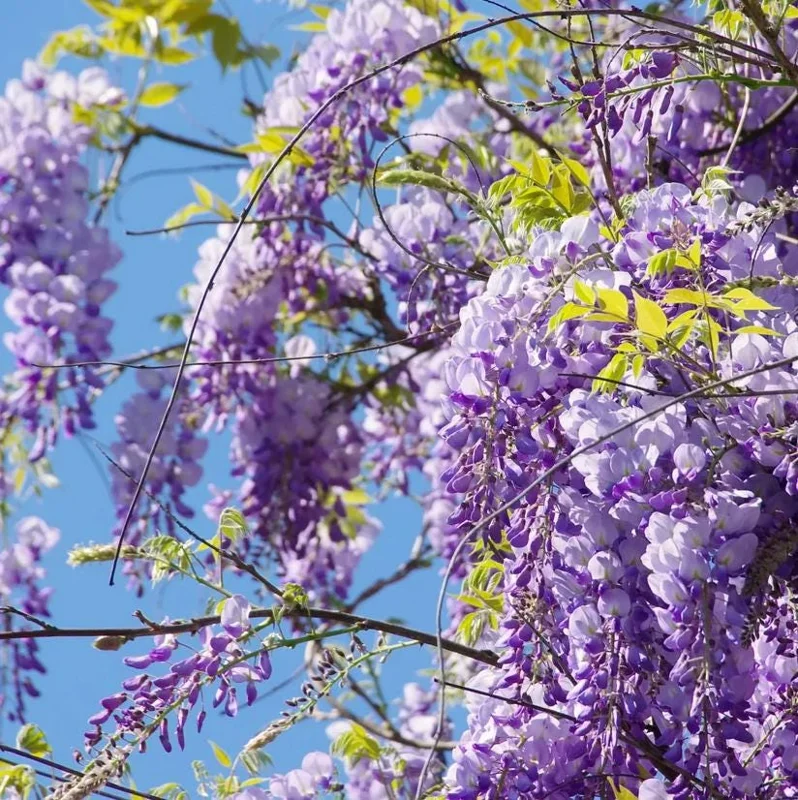
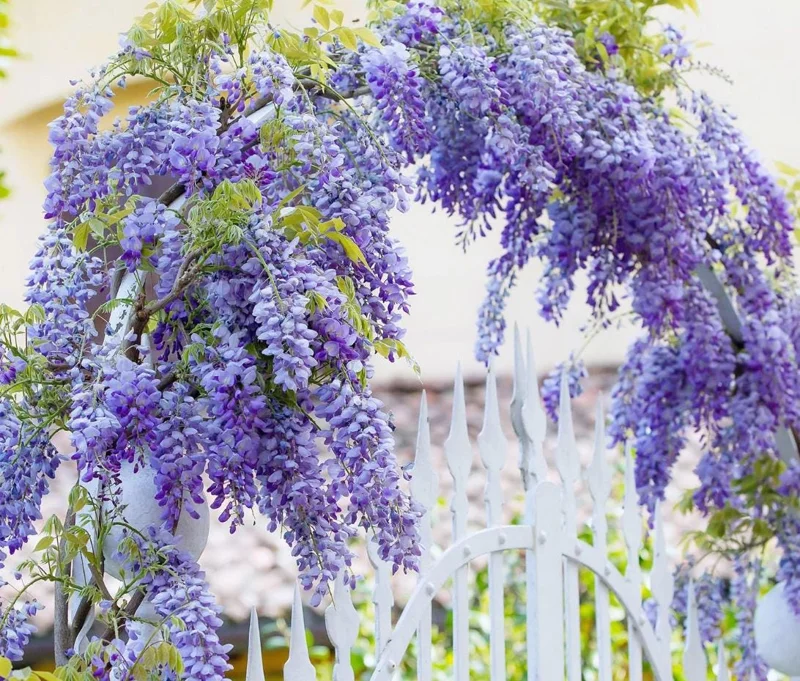
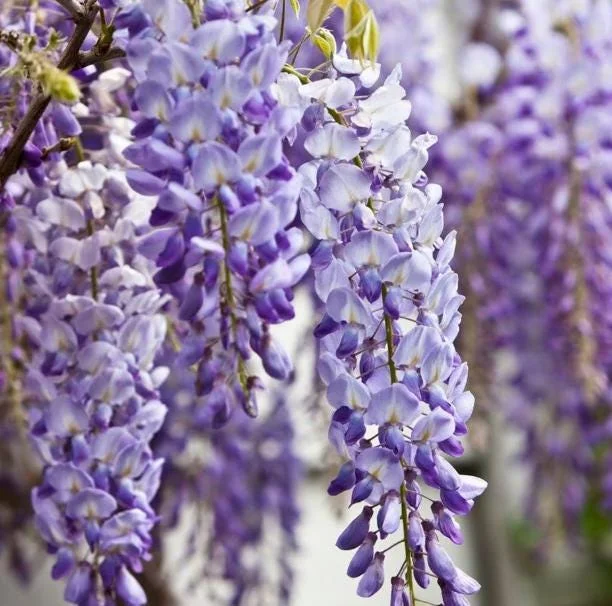
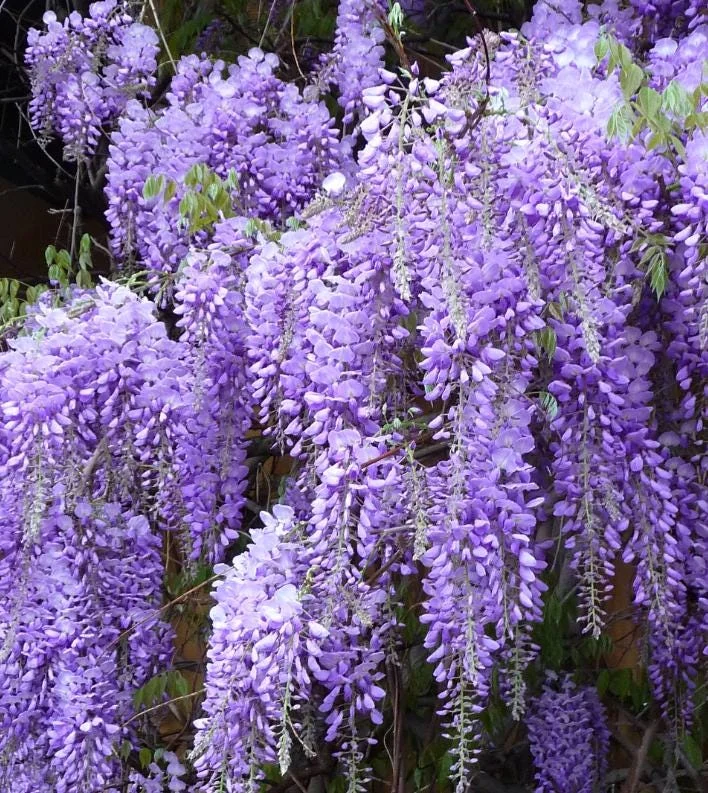
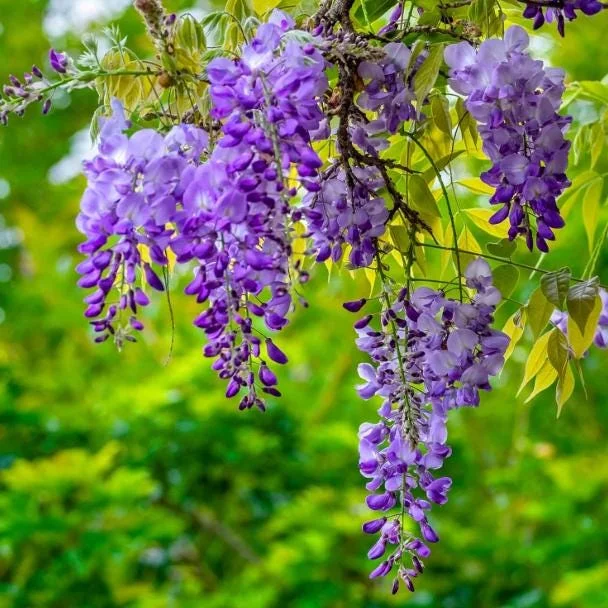
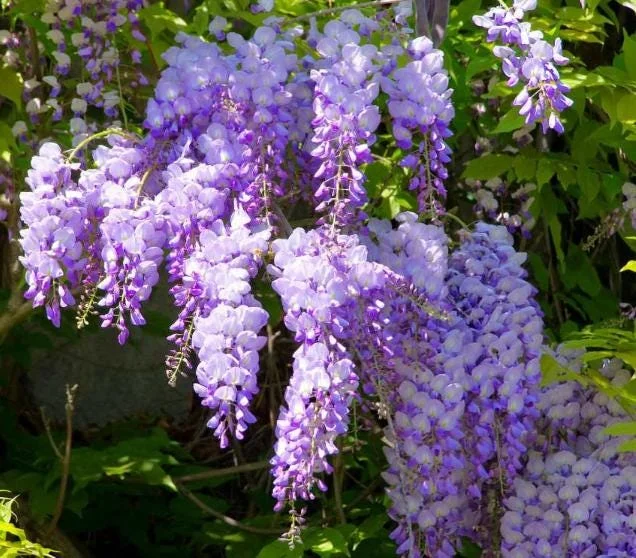
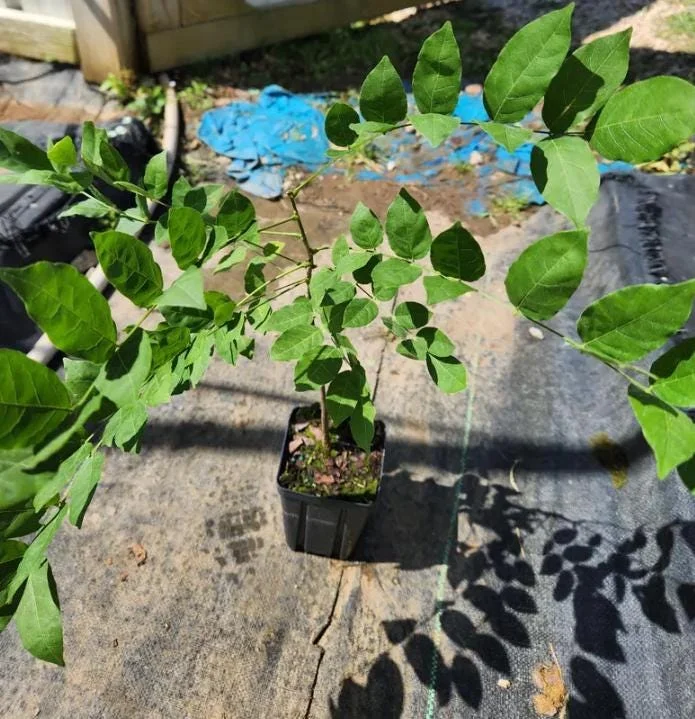
Transform your outdoor space with a captivating purple wisteria tree live plant. This ornamental tree-shaped form of the wisteria vine is renowned for its dramatic, cascading flower clusters that bring a touch of enchantment to any garden. Each purple wisteria tree live plant arrives 6 to 8 inches tall in a 4-inch pot, ready for planting. While it may appear dormant during winter months, this is a natural part of its growth cycle, ensuring a spectacular display of blooms in spring and early summer. Imagine your garden adorned with long, fragrant tassels of purple and lavender, creating an elegant focal point for landscape designs, patios, and garden beds.
The wisteria tree is a magnificent addition for those seeking beauty and a pleasant aroma. Known for its vigorous growth and stunning visual appeal, a wisteria tree for garden use provides both shade and an exquisite floral show. Its sculptural trunk and rounded canopy contribute to its architectural presence, making it a beloved choice among gardeners. This particular variety promises vibrant purple blooms, a classic and highly sought-after color that will surely impress.
Key Benefits
A purple wisteria tree live plant offers numerous advantages for your garden and landscape. Its unique characteristics make it a standout choice for both novice and experienced gardeners alike.
- Stunning Visual Appeal: Enjoy breathtaking cascades of purple flowers during spring and early summer, creating a dramatic and elegant focal point in any garden setting. The vibrant hues and graceful form make it an instant showstopper.
- Fragrant Blooms: The beautiful flowers release a sweet, intoxicating fragrance that can perfume your entire garden, enhancing your outdoor experience and attracting beneficial pollinators.
- Architectural Form: With its sculptural trunk and rounded canopy, the wisteria tree provides a strong, elegant structure to your garden even when not in bloom, adding year-round interest.
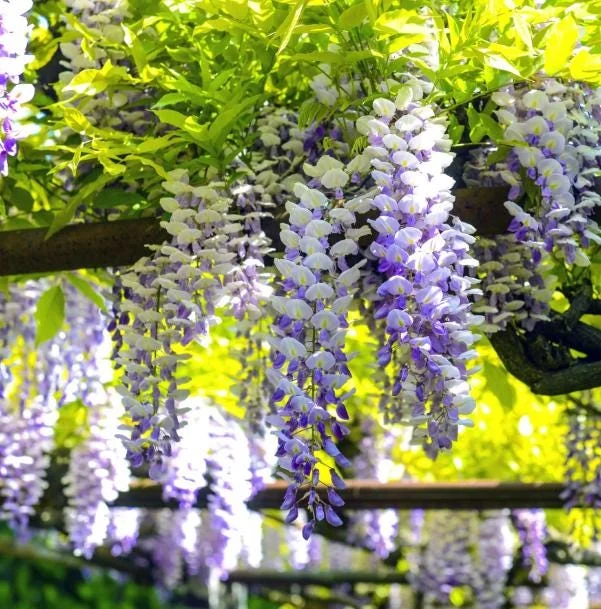
- Versatile Landscaping: Ideal as a specimen tree, for training over pergolas or arbors, or as a patio accent. This wisteria tree for garden designs offers flexibility in how it can be incorporated into your landscape.
- Durable and Long-Lived: Once established, wisteria trees are hardy and can thrive for many years, providing enduring beauty with relatively low ongoing maintenance.
- Attracts Pollinators: The abundant, fragrant flowers are a magnet for bees and other beneficial pollinators, contributing to a healthy and vibrant ecosystem in your garden.
- Seasonal Interest: From its dormant winter state to its lush spring foliage and spectacular summer blooms, the purple wisteria tree live plant provides dynamic seasonal interest.
Plant Care & Growing Tips
Caring for your purple wisteria tree live plant involves understanding its specific needs to ensure vigorous growth and abundant blooms. Wisteria trees thrive in full sun, meaning they require at least 6 hours of direct sunlight per day. This is crucial for optimal flowering. Plant your tree in well-draining loamy soil. While wisteria is adaptable, it prefers soil that is consistently moist but not waterlogged. Avoid heavy clay soils that retain too much moisture, as this can lead to root rot. Good drainage is key to a healthy wisteria tree for garden success.
Water your wisteria tree moderately, especially during dry spells and its first year of establishment. Allow the top inch or two of soil to dry out between waterings. Overwatering can be detrimental. Wisteria trees are hardy in USDA Zones 5 to 9, tolerating a range of temperatures. Ideal temperatures for growth and flowering are between 60°F and 85°F. During winter, the tree will enter dormancy and lose its leaves; this is a normal and healthy process. Fertilize in early spring with a balanced, slow-release fertilizer or one that is higher in phosphorus to encourage flowering rather than just foliage growth. Pruning is essential for maintaining shape and promoting blooms. Prune in late winter or early spring to remove dead or crossing branches, and again in summer after flowering to control growth and encourage flower bud formation for the following year. Keep an eye out for common pests like aphids and scale, treating them with horticultural oil or insecticidal soap if necessary.
Size & Details
This offering is for one purple wisteria tree live plant, which arrives approximately 6 to 8 inches tall, measured from the soil line. It is rooted in a 4-inch nursery pot, providing a healthy root system for successful transplanting. During winter months, the plant will be in its dormant state, appearing without leaves, which is completely normal and indicates a healthy, natural cycle. The tree is ready for planting in your garden upon arrival. With proper care, this dormant wisteria tree will establish quickly and begin to grow, eventually reaching a mature height of 10-25 feet, depending on variety and growing conditions, with a spread of 4-8 feet. Its growth rate is considered moderate to fast once established. Expect the first significant blooms within 2-3 years, with increasing abundance as the tree matures. This beautiful specimen promises to grow into a spectacular feature, offering decades of enjoyment and fragrant beauty.
Frequently Asked Questions
- Q: How big does this wisteria plant get? A: This purple wisteria tree live plant arrives 6-8 inches tall. Once mature, it can reach heights of 10-25 feet and a spread of 4-8 feet, depending on growing conditions and pruning.
- Q: Is this an indoor or outdoor plant? A: This wisteria tree is an outdoor plant, best suited for planting directly in the ground in appropriate USDA Zones. It requires full sun exposure to thrive and produce its signature blooms.
- Q: How much sunlight does it need? A: For the best flowering, your wisteria tree for garden planting requires at least 6 hours of direct sunlight per day. Full sun is absolutely essential for abundant blooms.
- Q: Is this plant easy to care for? A: Wisteria trees are considered moderately easy to care for once established. They require consistent watering during establishment, proper pruning, and full sun. Understanding wisteria plant care basics will ensure its success.
- Q: What condition will it arrive in? A: Your wisteria tree will arrive as a live plant, 6-8 inches tall, in a 4-inch pot. During winter, it will be dormant and leafless, which is normal for a healthy deciduous plant.
- Q: When is the best time to plant this wisteria tree? A: Spring or early fall are generally the best times to plant a purple wisteria tree live plant, allowing it to establish its root system before extreme temperatures.
- Q: Will it survive winter in my zone? A: This wisteria tree is hardy in USDA Zones 5 to 9. If you live within these zones, it will survive winter, going dormant and losing its leaves, only to re-emerge in spring.
- Q: How long until it blooms? A: While some wisteria may bloom in their first year, significant flowering typically begins 2-3 years after planting. Consistent wisteria plant care, especially proper pruning, encourages earlier and more abundant blooms.
- Q: What does “dormant in winter” mean for a wisteria tree? A: “Dormant in winter” means the tree naturally sheds its leaves and slows its growth cycle during colder months. It will appear to be just a woody stem, but it is alive and healthy, preparing for vigorous spring growth and fragrant flowers.
- Q: Can I grow this fragrant wisteria flowers plant in a large container? A: While possible, wisteria trees prefer to be planted in the ground due to their extensive root systems and large mature size. If container growing, choose a very large pot and be prepared for more frequent watering and feeding.







Reviews
There are no reviews yet.