Overview
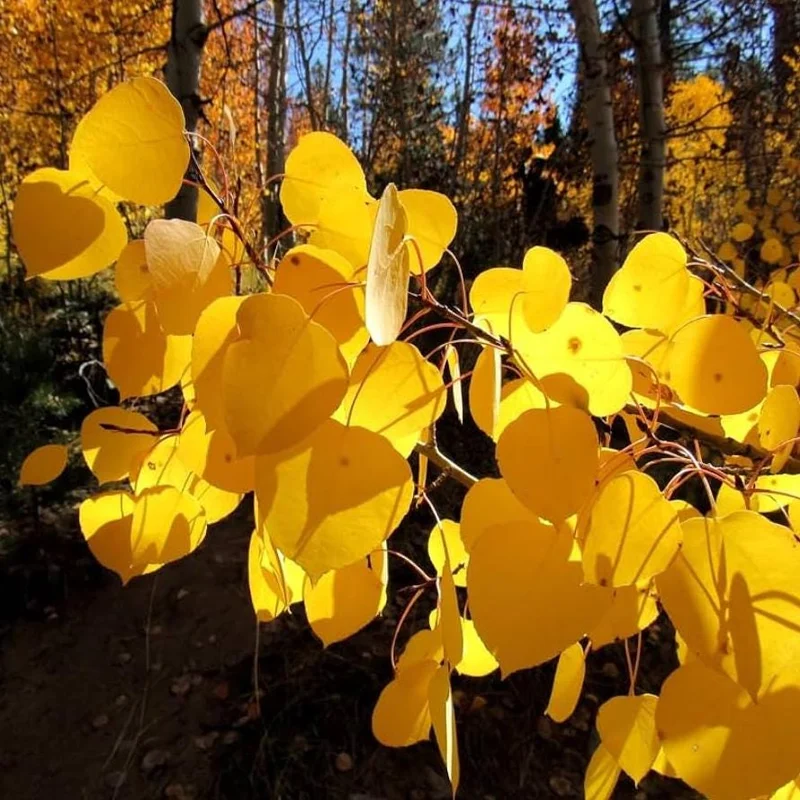
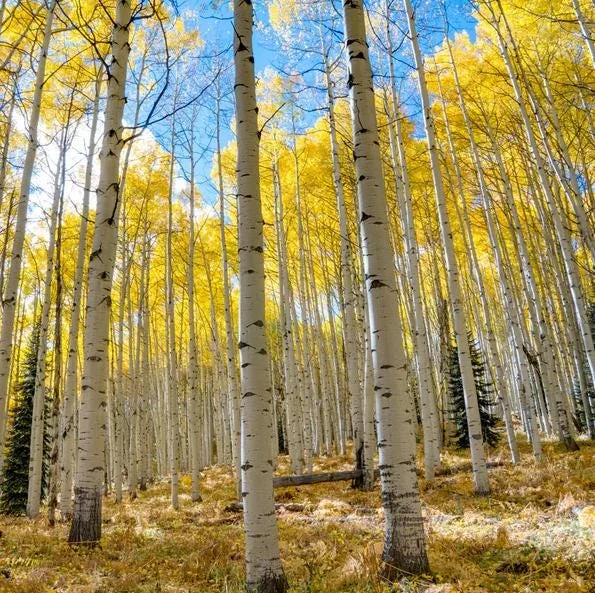
Experience the unique beauty and natural elegance of the quaking aspen trees with this set of two bare root seedlings. Known scientifically as Populus tremuloides, these young trees are celebrated for their distinctive, heart-shaped leaves that flutter and ‘quake’ in the slightest breeze, creating a soothing sound and dynamic visual effect in any outdoor setting. These live aspen seedlings are supplied as bare root plants, typically 2-3 feet tall, making them an excellent starting point for gardeners eager to establish a captivating natural landscape. Planting them while dormant allows for easier establishment and robust growth once spring arrives, ensuring they adapt well to their new environment.
The quaking aspen trees are a fantastic choice for those looking to add vertical interest, gentle movement, and vibrant green foliage to their property. Their rapid growth and distinctive appearance make them a favored option for naturalizing areas, creating property borders, or simply enhancing the aesthetic appeal of a garden. These trees provide a fresh and lively atmosphere, bringing the charm of the wilderness right to your backyard. Whether you’re a seasoned arborist or a budding gardener, these seedlings offer a rewarding planting experience and a beautiful long-term addition to your outdoor space.
Key Benefits
Adding quaking aspen trees to your landscape offers numerous advantages, transforming your outdoor area into a serene and dynamic haven. These trees are not just visually appealing but also contribute positively to the environment and your overall garden design.
- Graceful Movement & Sound: The iconic, trembling leaves of the quaking aspen trees create a mesmerizing visual display and a gentle, rustling sound with every breeze, adding a unique sensory experience to your garden. This natural symphony enhances relaxation and enjoyment of your outdoor space.
- Vibrant Green Foliage: Throughout the growing season, these trees boast bright green leaves that provide a refreshing and lively backdrop. Their consistent color brings vitality and a sense of freshness to your landscape design, complementing other plants beautifully.
- Excellent for Landscaping: As young live aspen seedlings, they are ideal for various landscaping projects, including creating natural screens, enhancing property lines, or establishing a woodland feel. They grow relatively quickly, allowing you to see significant progress in a short period.
- Low Maintenance & Adaptable: Once established, populus tremuloides are quite resilient and require minimal ongoing care. They adapt well to various soil conditions (provided they are well-drained) and thrive in full to partial sun, making them a suitable choice for many garden types.
- Supports Biodiversity: Quaking aspen trees can attract local wildlife, providing habitat and food sources, thereby contributing to the ecological balance of your garden. Their presence can enhance the natural ecosystem of your yard.
- Easy to Plant Bare Root: Shipped as bare root aspen, these seedlings are easy to plant during their dormant stage. This method reduces transplant shock and encourages strong root development, leading to healthier trees in the long run.
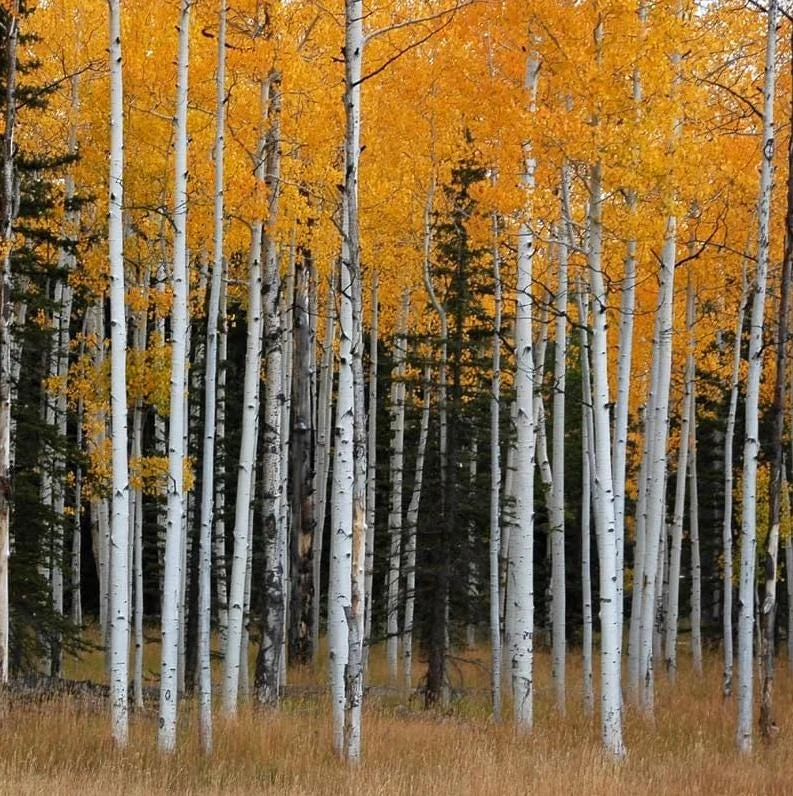
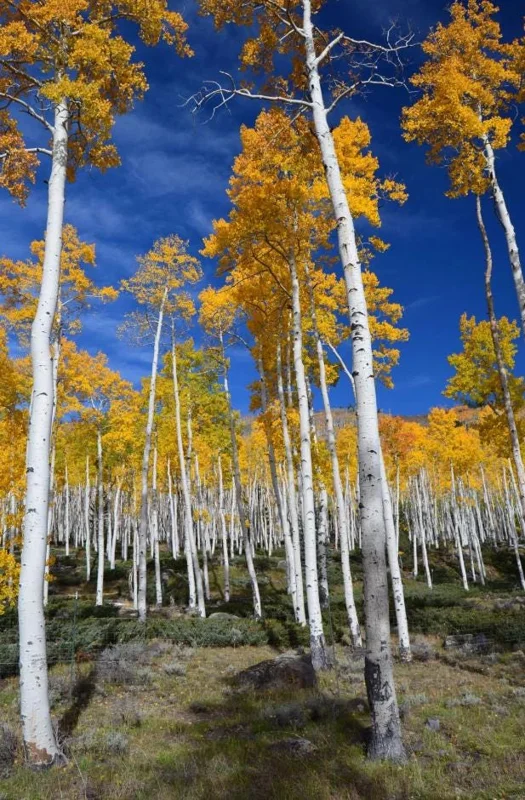
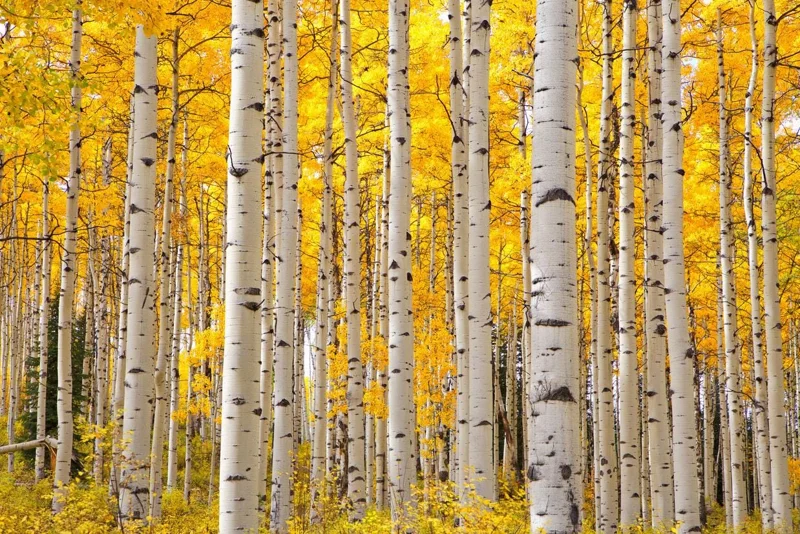
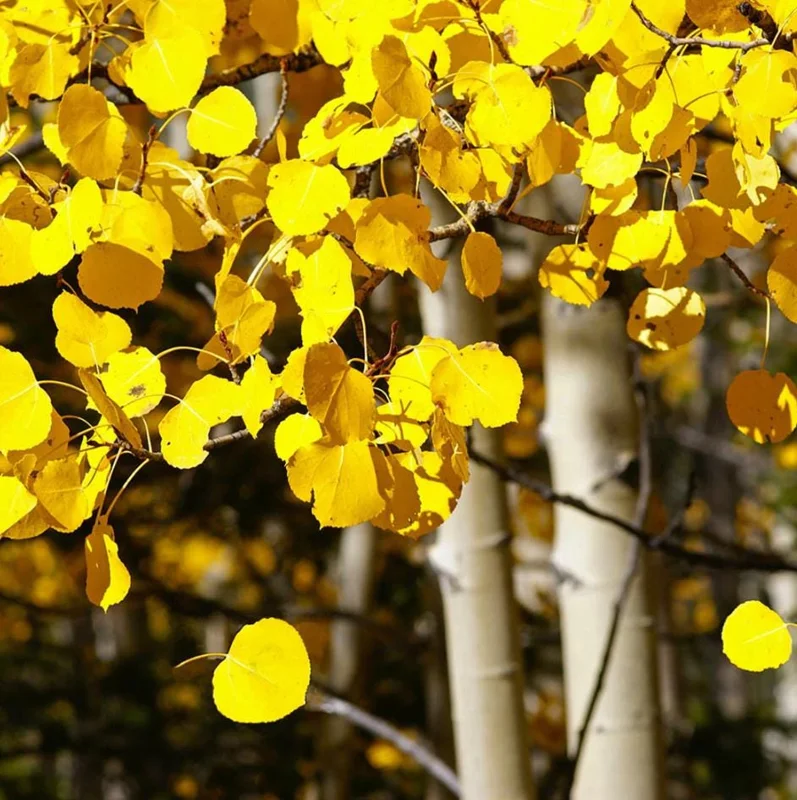
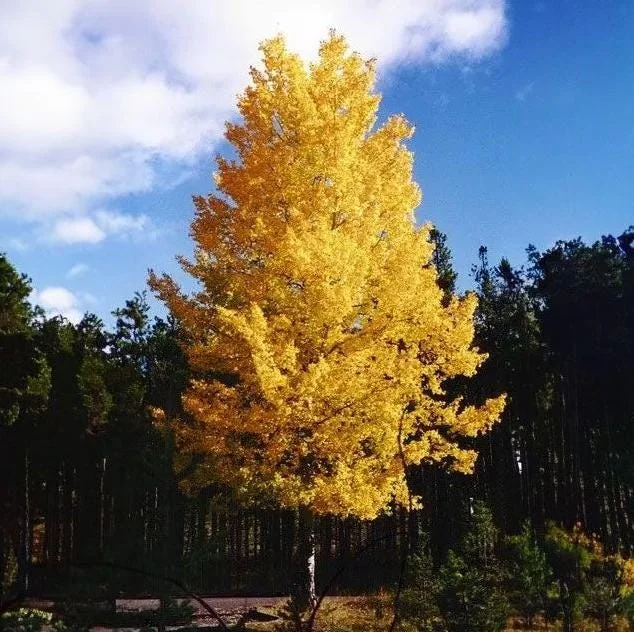
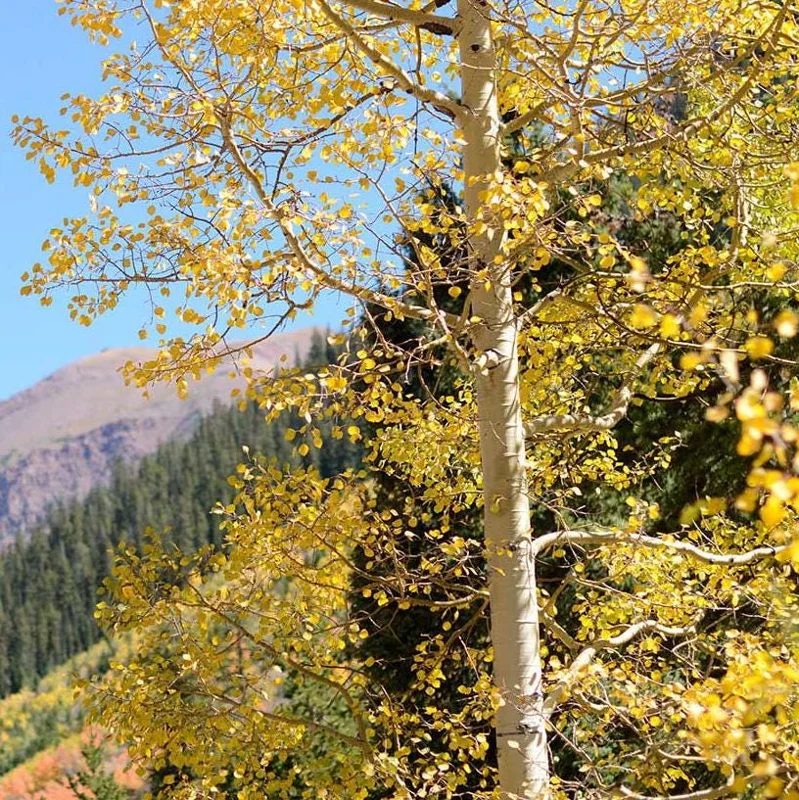
- Visual Interest in All Seasons: While famous for their summer foliage, aspens also offer interesting bark textures in winter and can display beautiful yellow fall colors, providing year-round visual appeal.
Plant Care & Growing Tips
Caring for your quaking aspen trees involves understanding their basic needs, particularly regarding light, water, and soil. These trees are relatively hardy but will thrive with proper attention during their initial establishment phase. For optimal growth, plant your bare root aspen seedlings as soon as possible after arrival, ideally in early spring or late fall when they are dormant. Dig a hole wide enough to accommodate the roots without bending and deep enough so that the root collar is at ground level. Backfill with soil, gently tamping to remove air pockets, and water thoroughly.
Sunlight Requirements: Quaking aspen trees perform best in full sun, meaning they need at least 6 hours of direct sunlight per day. They can tolerate partial sun (4-6 hours of direct sun), but growth may be less vigorous, and the iconic ‘quaking’ effect might be less pronounced. Ensure they are planted in a location where they won’t be overshadowed by larger structures or trees as they mature. Adequate light is crucial for healthy foliage and strong development of these live aspen seedlings.
Watering and Soil: These trees prefer consistently moist, but well-drained soil. Avoid waterlogged conditions, as this can lead to root rot. Water regularly, especially during dry spells and in their first few growing seasons, to help establish a strong root system. Once established, they are moderately drought-tolerant but will benefit from supplemental watering during prolonged dry periods. A rich, loamy soil is ideal, but they can adapt to a range of soil types, including sandy or clay, as long as drainage is good. Mulching around the base can help retain soil moisture and regulate temperature.
Temperature and Hardiness: Populus tremuloides are highly cold-hardy, typically thriving in USDA Zones 1-7. They are well-suited for cooler climates and require a period of cold dormancy. Fertilization is generally not necessary in the first year after planting if your soil is reasonably fertile. After that, a balanced, slow-release fertilizer can be applied in early spring if growth appears sluggish. Watch out for common pests like aphids or borers, and address any signs of disease promptly. Providing good air circulation and avoiding overhead watering can help prevent fungal issues. Regular pruning is usually not required beyond removing dead or damaged branches to maintain the tree’s health and shape.
Size & Details
This offering includes a set of two quaking aspen trees, provided as bare root aspen seedlings. Each seedling stands approximately 2–3 feet tall at the time of shipment. These young trees are ready for immediate planting in your outdoor garden, yard, or landscape. When mature, populus tremuloides can reach impressive heights, typically ranging from 40 to 60 feet, with a spread of 20 to 30 feet, forming a slender, upright canopy. Their growth rate is considered medium to fast, allowing you to enjoy a developing landscape relatively quickly.
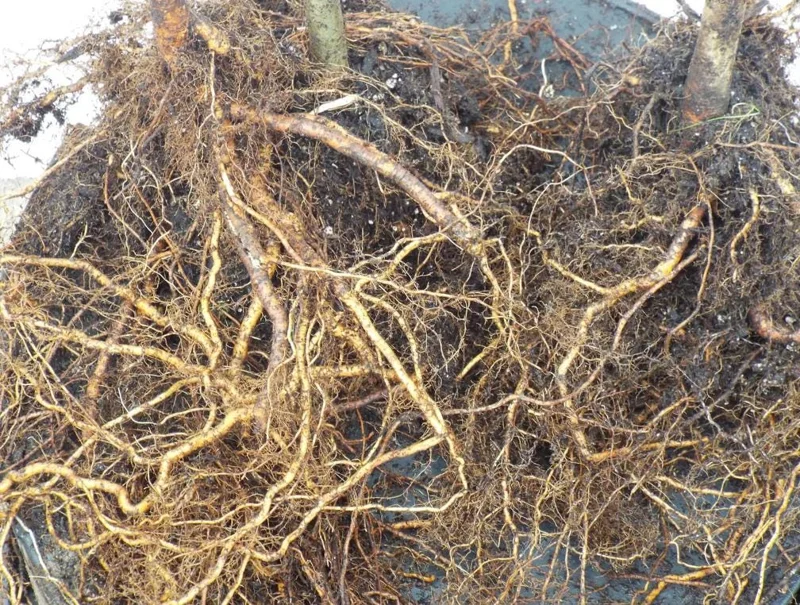
As live aspen seedlings, they are shipped in their dormant state, without leaves, which is normal for deciduous trees and optimal for transplanting. This allows the tree to focus its energy on root development in its new environment. The bare root form ensures minimal soil disturbance during shipping and planting, promoting better establishment. Expect to see new foliage emerge in the spring as temperatures warm and the tree breaks dormancy, marking the beginning of its vibrant growth cycle. These young trees are perfect for those looking to cultivate a natural, dynamic, and visually appealing outdoor space.
Frequently Asked Questions
- Q: How tall will these quaking aspen trees grow? A: These live aspen seedlings are shipped at approximately 2-3 feet tall. When mature, populus tremuloides can reach impressive heights of 40-60 feet, with some specimens growing even taller under ideal conditions.
- Q: What condition will the bare root aspen seedlings arrive in? A: They will arrive dormant and bare root, meaning they will not have leaves and will be without soil around their roots. This is the optimal state for transplanting deciduous trees and helps them establish better in their new environment.
- Q: Are these quaking aspen trees suitable for all climates? A: Populus tremuloides are known for their exceptional cold hardiness, thriving in USDA Zones 1-7. They prefer cooler climates and require a period of winter dormancy to flourish.
- Q: How much sunlight do these live aspen seedlings need? A: For best growth and the most pronounced ‘quaking’ effect, they require full sun, meaning at least 6 hours of direct sunlight daily. They can tolerate partial sun but may grow less vigorously.
- Q: What kind of soil is best for quaking aspen trees? A: They prefer consistently moist, well-drained soil. While adaptable to various soil types, good drainage is crucial to prevent root issues. Loamy soil is ideal for these bare root aspen.
- Q: When is the best time to plant these live aspen seedlings? A: The best time to plant bare root trees is during their dormant season, typically in early spring before new growth emerges, or in late fall after leaves have dropped.
- Q: Are these trees susceptible to any specific pests or diseases? A: Like many trees, aspens can be susceptible to certain pests like aphids or diseases such as cankers. Providing proper care, adequate sunlight, and good air circulation can help maintain their health and resilience.
- Q: Can I plant these quaking aspen trees in a container? A: While you can start them in a large container temporarily, populus tremuloides are large trees that require extensive root systems. For long-term health and mature growth, they should be planted directly in the ground.
- Q: How quickly do these quaking aspen trees grow? A: Quaking aspens have a medium to fast growth rate. You can expect them to grow several feet per year under optimal conditions once established, quickly adding height and presence to your landscape.
- Q: What makes the leaves ‘quake’ on populus tremuloides? A: The petioles (leaf stems) of quaking aspen trees are flattened and long, allowing the leaves to flutter and tremble in the slightest breeze, creating their characteristic ‘quaking’ sound and movement.





Reviews
There are no reviews yet.