Overview
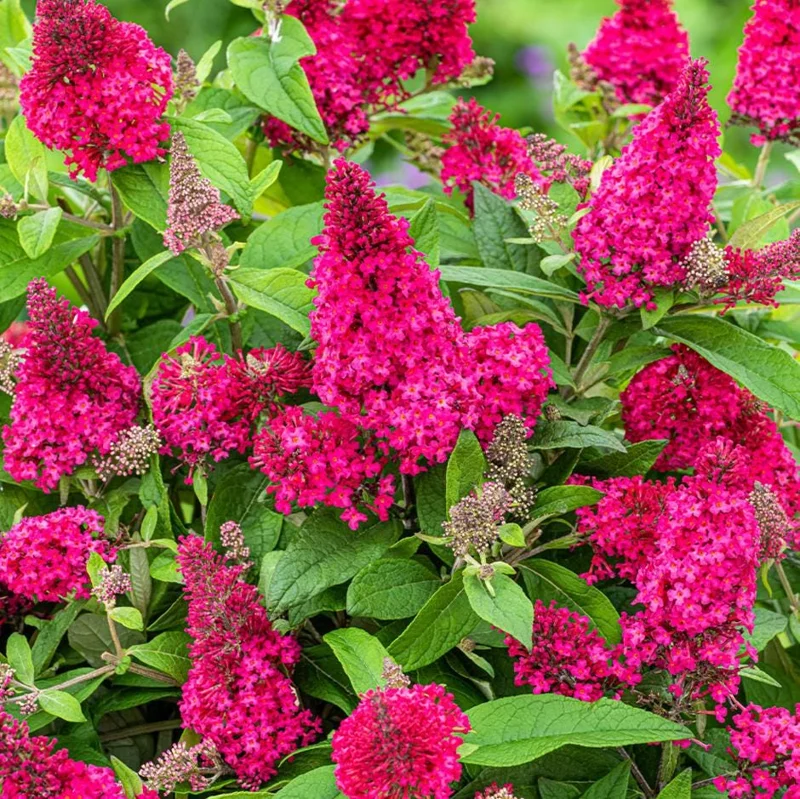
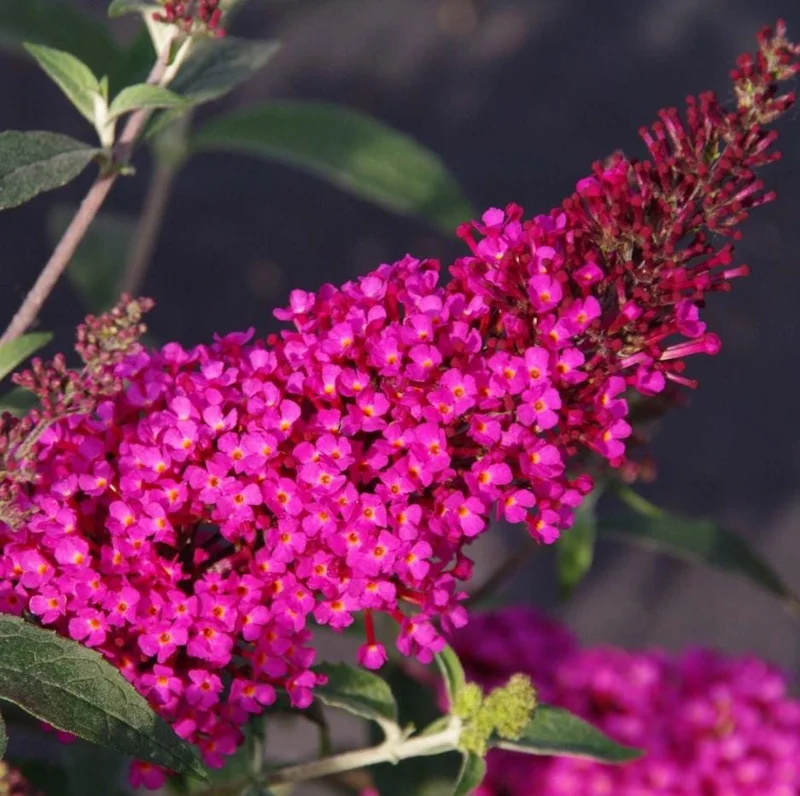
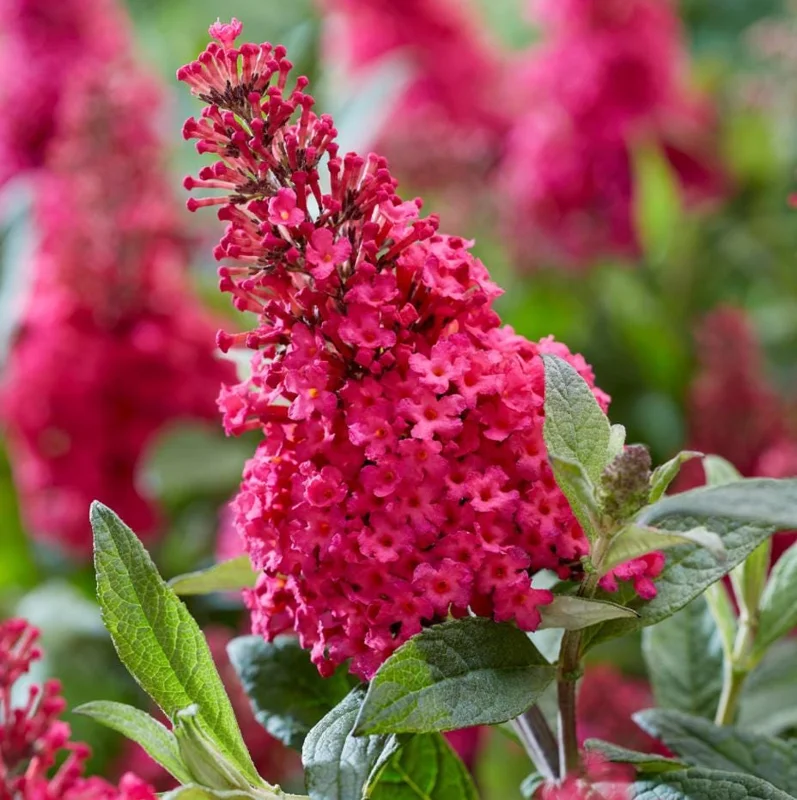
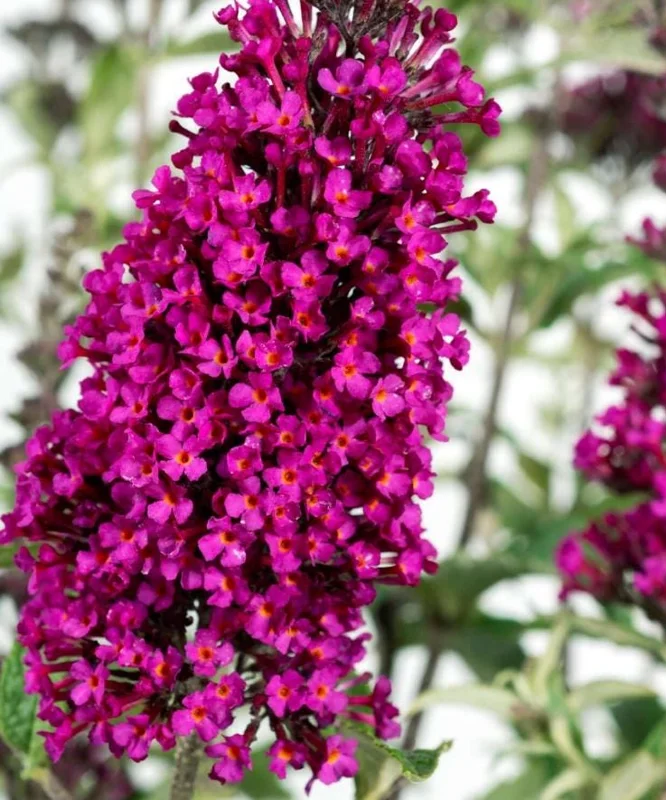
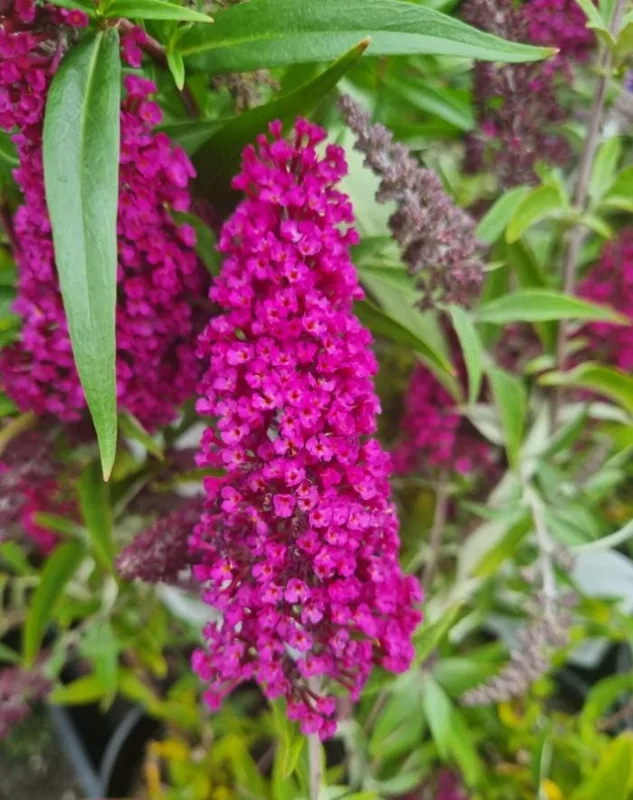
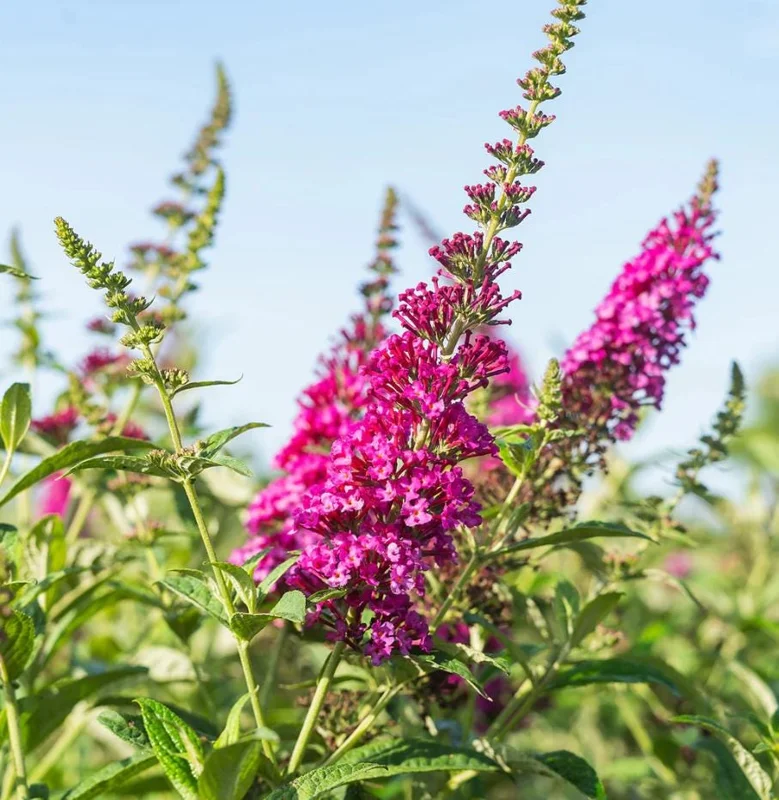
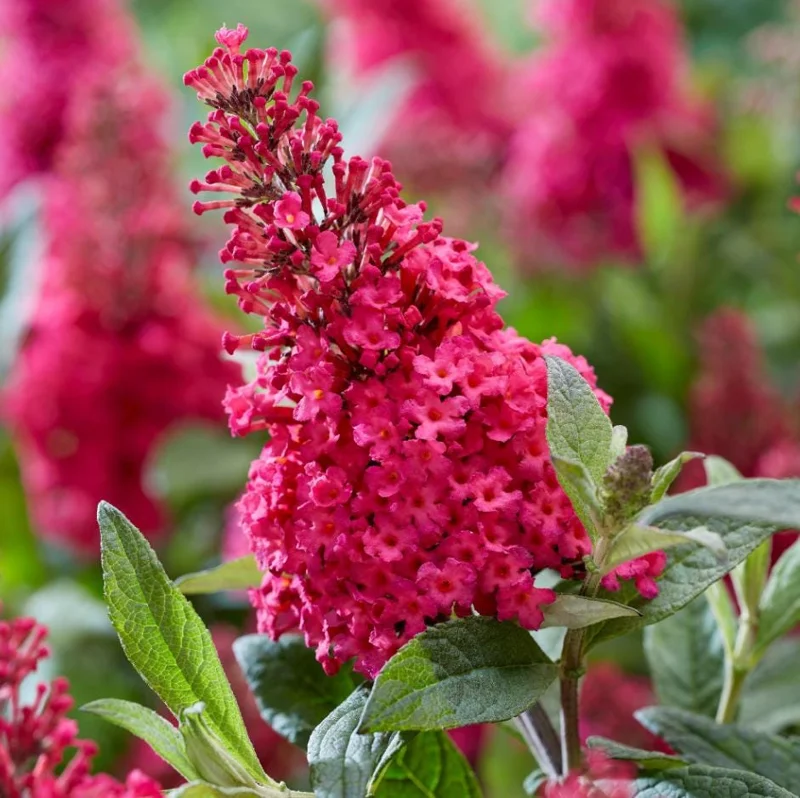
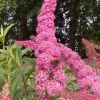
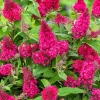
Introduce a splash of vibrant color and a haven for pollinators to your outdoor sanctuary with the stunning raspberry butterfly bush live plant. This captivating Buddleia variety, scientifically known as Buddleja davidii, is celebrated for its striking raspberry-toned flower spikes that emerge gracefully during the warmer months, creating a spectacular visual display. As a deciduous flowering shrub, it offers continuous interest from spring through fall, making it a favorite among gardeners. The raspberry butterfly bush live plant is not just a treat for the eyes; its fragrant blooms are a magnet for butterflies, hummingbirds, and other beneficial insects, transforming your garden into a lively ecosystem. This well-rooted starter shrub arrives approximately 4-8 inches tall, prepared to establish quickly in its new home and begin its journey towards becoming a magnificent specimen.
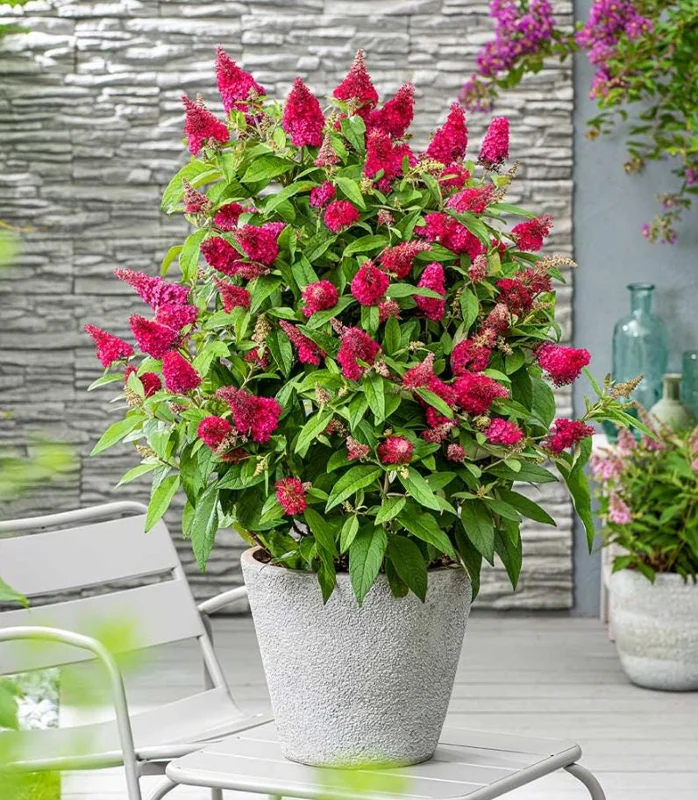
The Buddleia, commonly known as the Butterfly Bush, is renowned for its vigorous growth and resilience, adapting well to various garden settings. This particular variety, with its rich raspberry hues, provides an excellent focal point or a charming addition to mixed borders and cottage gardens. Its upright growth habit ensures a neat and attractive presence, even when not in full bloom. Planting a raspberry butterfly bush live plant is an investment in both beauty and biodiversity, promising seasons of enjoyment and natural charm.
Key Benefits
Cultivating a raspberry butterfly bush live plant brings a multitude of advantages to any garden. Known for its ease of growth and spectacular floral display, this plant is a must-have for both novice and experienced gardeners. Here are some of the primary benefits:
- Attracts Pollinators: The most celebrated feature of the butterfly bush is its incredible ability to draw in butterflies, bees, and hummingbirds. The nectar-rich, fragrant flowers provide a vital food source, making your garden a vibrant hub of activity and supporting local ecosystems.
- Vibrant Raspberry Blooms: Enjoy a prolonged display of stunning raspberry-toned flower spikes throughout the growing season. These eye-catching blooms add rich color and texture, enhancing the aesthetic appeal of your outdoor space.
- Low Maintenance: This buddleia shrub care is remarkably straightforward. Once established, it is relatively drought-tolerant and requires minimal attention, making it perfect for busy gardeners or those seeking an easy-care landscape plant.
- Versatile Landscape Use: Ideal for borders, mixed perennial beds, cottage gardens, or even as a standalone specimen, the butterfly bush fits seamlessly into various garden designs. Its moderate size and upright habit make it a flexible choice for diverse planting schemes.
- Fast Growing: As a starter shrub, this plant establishes quickly and exhibits a moderate to fast growth rate, allowing you to enjoy its beauty sooner. You’ll soon see your garden flourish with the addition of this dynamic plant.
- Deer Resistant: While not completely deer-proof, butterfly bushes are generally less appealing to deer compared to many other garden plants, offering a degree of protection in areas where deer are a concern.
- Seasonal Interest: From its fresh green foliage in spring to its profusion of colorful blooms in summer and fall, the raspberry butterfly bush live plant provides continuous seasonal interest, keeping your garden engaging throughout the year.
Plant Care & Growing Tips
Ensuring the health and vitality of your raspberry butterfly bush live plant is simple with the right care practices. This resilient shrub thrives with a few key considerations. It performs best in full sun to partial sun exposure, meaning it needs at least 6 hours of direct sunlight daily to produce the most abundant blooms. In hotter climates, some afternoon shade can be beneficial to protect the foliage from scorching. Adequate sunlight is crucial for robust growth and vibrant flower production. The ideal USDA hardiness zones for this plant generally range from zones 5 to 9, allowing it to withstand a good range of temperatures.
When it comes to watering, the buddleia shrub care requires consistent moisture during its establishment period. Once rooted, it becomes quite drought-tolerant, but regular watering during prolonged dry spells will promote better flowering. The most critical factor is well-draining soil. Butterfly bushes do not tolerate soggy conditions, which can lead to root rot. Amend heavy clay soils with organic matter like compost or sand to improve drainage. A slightly acidic to neutral soil pH (6.0-7.0) is generally preferred. Fertilization is not always necessary for established plants, especially in rich soil, but a balanced slow-release fertilizer in early spring can encourage more vigorous growth and blooming. Pruning is also an important aspect of buddleia shrub care. Prune in late winter or early spring before new growth appears, cutting back old stems to about 12-18 inches from the ground to encourage a bushier habit and more prolific flowering. Deadheading spent flowers throughout the season can also promote continuous blooming and prevent self-seeding.
Size & Details
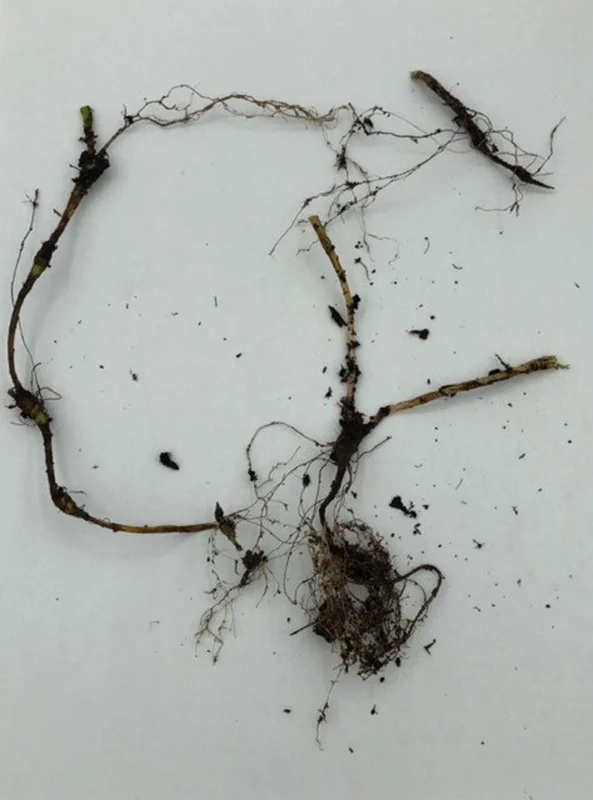
This raspberry butterfly bush live plant arrives as a healthy, well-rooted starter shrub, typically measuring approximately 4–8 inches tall at the time of shipping. Each plant is carefully prepared for transit, ensuring it reaches you in optimal condition, ready for immediate planting. While a starter plant, it possesses a moderate growth rate, and with proper care, it can quickly grow to a mature size of 5-8 feet in height and width, forming a dense, attractive bush. The mature size of a raspberry butterfly bush size can vary based on growing conditions, climate, and pruning practices.
It is suitable for outdoor garden planting in beds or larger containers. This deciduous flowering shrub will shed its leaves in colder months and return with fresh foliage and abundant blooms in spring. Expect to see the first raspberry-toned flowers during its natural blooming cycle, typically from summer through fall, depending on your local climate and care. The plant ships in a nursery pot, maintaining its root ball intact for a smooth transition to your garden.
Frequently Asked Questions
- Q: How big does this plant get? A: A: The raspberry butterfly bush live plant typically grows to a mature size of 5-8 feet tall and wide, depending on growing conditions and pruning. Regular pruning can help maintain a desired size and shape.
- Q: What size pot does it come in? A: This plant ships as a well-rooted starter shrub, approximately 4-8 inches tall, in a suitable nursery pot to ensure its health during transit.
- Q: Is this an indoor or outdoor plant? A: The raspberry butterfly bush live plant is an outdoor shrub, best suited for garden beds or large outdoor containers where it can receive ample sunlight.
- Q: How much sunlight does it need? A: This plant thrives in full sun to partial sun, requiring at least 6 hours of direct sunlight per day for optimal growth and flowering.
- Q: Is this plant easy to care for? A: Yes, buddleia shrub care is considered moderate. Once established, it is quite resilient and relatively low-maintenance, making it suitable for various gardening skill levels.
- Q: What condition will it arrive in? A: Your plant will arrive as a healthy, well-rooted starter shrub, carefully packaged to minimize stress during shipping and ready to plant.
- Q: How long until it blooms? A: With proper care and favorable conditions, your raspberry butterfly bush live plant may begin to produce flowers during its first growing season, typically from summer to fall.
- Q: When is the best time to plant? A: The best time to plant your butterfly bush is in spring or early summer after the last frost, allowing it ample time to establish before colder weather.
- Q: Will it survive winter in my zone? A: Butterfly bushes are generally hardy in USDA Zones 5-9. In colder zones, mulching around the base can provide protection, and it will typically regrow from the roots in spring.
- Q: Does this plant attract butterflies? A: Absolutely! The butterfly bush is specifically named for its strong attraction to butterflies, hummingbirds, and other pollinators, making it an excellent choice for a wildlife-friendly garden.




Reviews
There are no reviews yet.