Overview
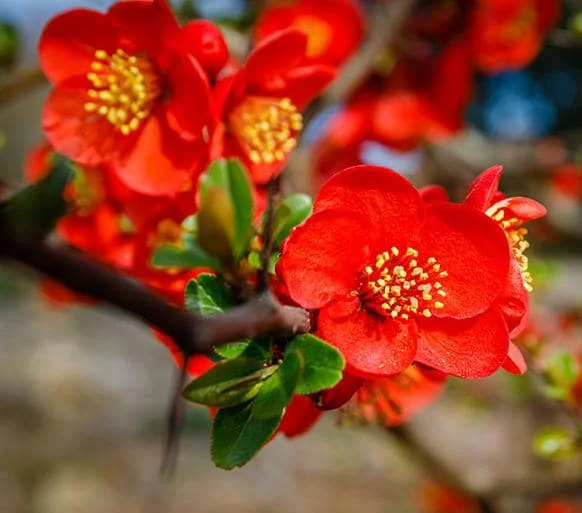
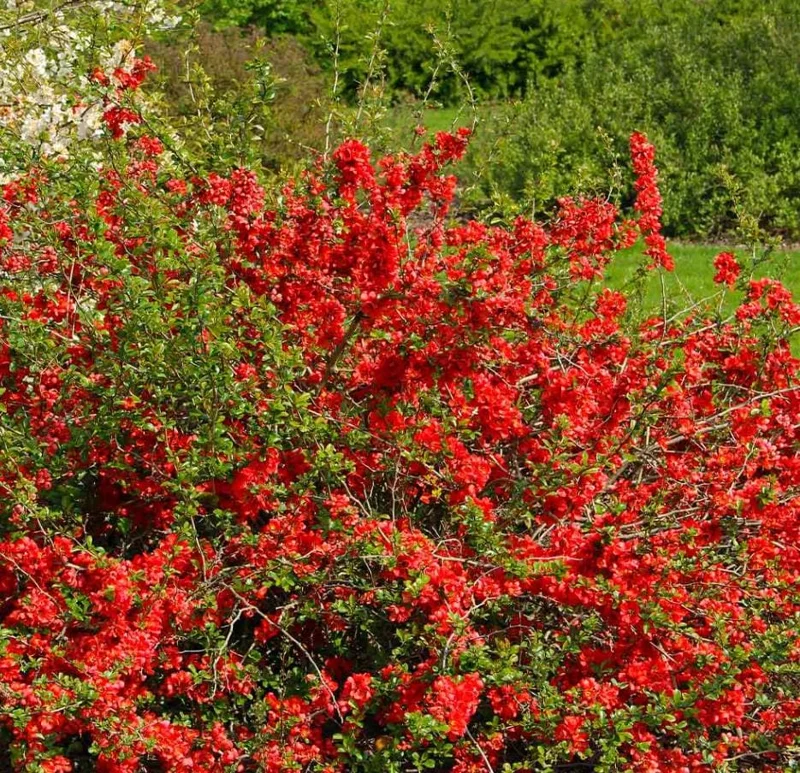
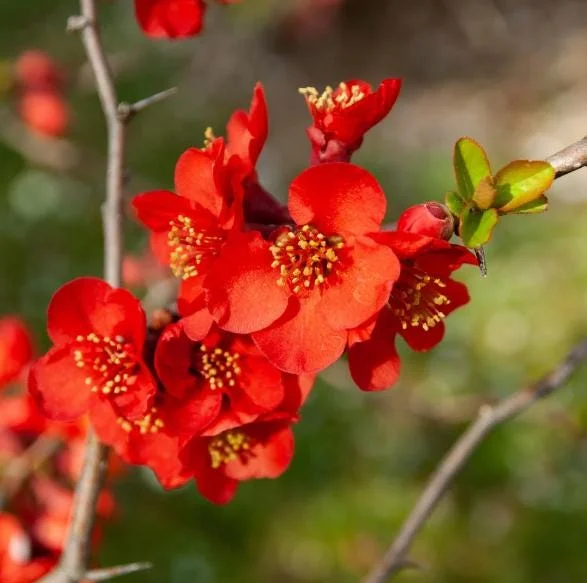
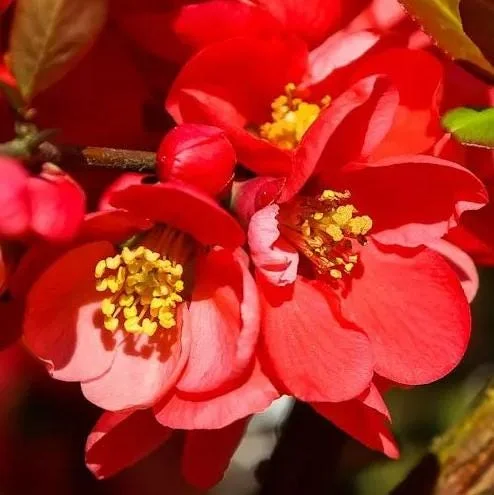
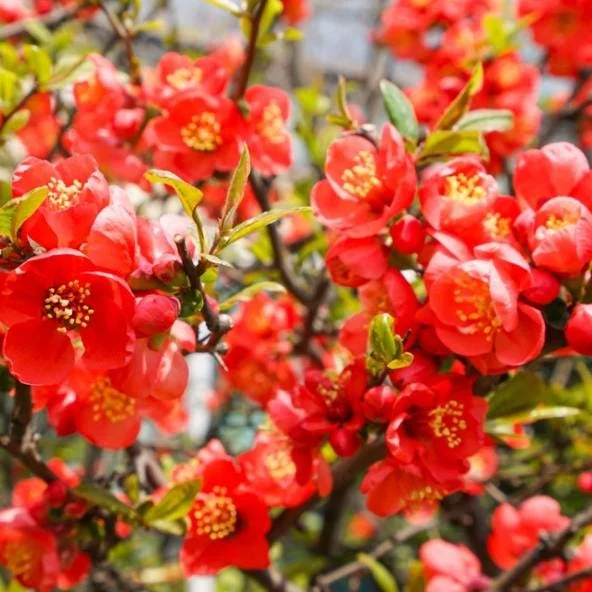
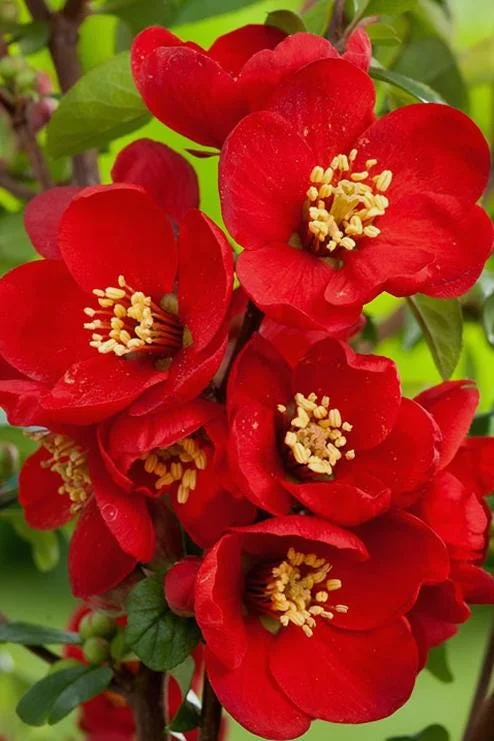
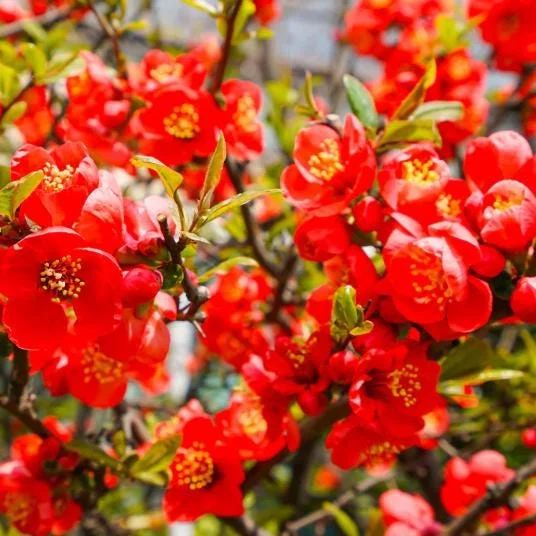
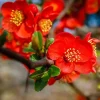
Introduce breathtaking early spring color to your garden with the exquisite red flowering quince plant. This particular variety, scientifically known as Chaenomeles speciosa, is a highly admired deciduous ornamental shrub renowned for its spectacular display of bright red, cup-shaped flowers. These vibrant blossoms appear profusely on bare branches even before the foliage emerges, offering a striking contrast against the still-dormant landscape. A true harbinger of spring, the red flowering quince plant is a resilient and beautiful addition that provides significant visual interest when most other plants are just beginning to stir. It’s an ideal choice for gardeners looking to extend their blooming season and create a dramatic focal point in their outdoor spaces.
The chaenomeles shrub is celebrated not only for its stunning flowers but also for its hardiness and adaptability. It can thrive in a wide range of growing conditions, making it a versatile option for various garden designs. Whether you’re aiming for a vibrant border, a low hedge, or a standalone specimen, this plant delivers consistent beauty year after year. Its vigorous growth and robust nature ensure that even novice gardeners can enjoy its spectacular show. This ornamental shrub is a must-have for anyone desiring a splash of intense color to brighten up their garden after the long winter months.
Key Benefits
The red flowering quince plant offers numerous advantages, making it a popular choice for many landscapes. Its unique blooming habit and ease of care contribute significantly to its appeal. This plant is more than just a pretty face; it’s a resilient and rewarding addition to any garden.
- Spectacular Early Spring Blooms: Provides a dramatic display of bright red flowers in late winter to early spring, often before other plants begin to leaf out. This makes it a crucial source of early color and interest.
- Low Maintenance: Once established, the chaenomeles shrub is quite tolerant of various conditions and requires minimal care, making it suitable for busy gardeners.
- Attracts Pollinators: The early blooms serve as an important nectar source for early-emerging bees and other pollinators, supporting local ecosystems.
- Versatile Landscape Use: Can be used as a specimen plant, in shrub borders, as a hedge, or even for espalier, adding structure and beauty to diverse garden designs.
- Drought Tolerant: Exhibits good drought resistance once mature, reducing the need for frequent watering in established gardens.
- Adaptable to Various Soils: Thrives in a range of soil types, from clay to sandy, as long as it is well-draining, making planting easier.
- Deer Resistant: Generally not favored by deer, which is a significant advantage for gardens in areas with deer populations.
Plant Care & Growing Tips
Caring for your red flowering quince plant is relatively straightforward, ensuring you can enjoy its magnificent blooms with minimal effort. This resilient ornamental shrub thrives when given the right conditions, which primarily involve proper sunlight, appropriate watering, and suitable soil. For optimal flowering, plant your quince in a location that receives full sun, meaning at least 6 hours of direct sunlight per day. While it can tolerate partial shade, a sunnier spot will result in a more abundant and vibrant floral display. This plant is well-suited for a variety of climates, generally hardy in USDA Zones 5 to 9, making it a robust choice for many regions across the US.
When it comes to watering, the chaenomeles shrub prefers moderately moist, well-draining soil. It is adaptable to various soil types, including clay, loam, or sandy soil, but good drainage is key to prevent root rot. Water regularly during its first growing season to establish a strong root system. Once established, it becomes more drought-tolerant, requiring less frequent watering, especially in cooler climates. Fertilization is not typically heavily required; a balanced slow-release fertilizer in early spring can encourage vigorous growth and more abundant red spring flowers. Pruning should be done after flowering to shape the plant and remove any dead or crossing branches, which also helps to promote a healthier and more prolific bloom the following year. This attention to its requirements will ensure your red flowering quince plant remains a vibrant and healthy part of your garden.
Size & Details
This offering is for a red flowering quince plant that is approximately 3 to 6 inches tall, shipped in a 4-inch nursery pot. This size provides a healthy young plant ready for transplanting into your garden or a larger container. The chaenomeles shrub is a moderate to fast grower, and with proper care, it will quickly establish itself and begin to produce its characteristic red spring flowers. Mature plants can reach heights of 6 to 10 feet with a similar spread, depending on pruning and growing conditions. It typically blooms from early spring to summer, with the most intense display occurring before the leaves fully emerge. This vigorous ornamental shrub will grow into a substantial and beautiful addition to your landscape, providing years of enjoyment and stunning visual appeal.
Frequently Asked Questions
- Q: How big does this red flowering quince plant get? A: A mature red flowering quince plant can reach heights of 6 to 10 feet and spread about 6 to 10 feet wide, depending on growing conditions and how it is pruned. The plant you receive will be 3 to 6 inches tall in a 4-inch pot, ready for growth.
- Q: Is this an indoor or outdoor plant? A: The chaenomeles shrub is an outdoor plant, best suited for gardens and landscapes. It thrives in various climates and is hardy in USDA Zones 5 to 9.
- Q: How much sunlight does the red flowering quince need? A: For the best display of red spring flowers, this plant prefers full sun, meaning at least 6 hours of direct sunlight per day. It can tolerate partial shade but may have fewer blooms.
- Q: Is this plant easy to care for? A: Yes, the flowering quince care is considered relatively easy. It’s a low-maintenance shrub once established, making it suitable for both experienced and novice gardeners.
- Q: What condition will the plant arrive in? A: Your red flowering quince plant will arrive as a healthy, live plant in a 4-inch nursery pot, carefully packaged to ensure its safe journey.
- Q: When is the best time to plant a flowering quince? A: The best time to plant a flowering quince is in early spring or fall. This allows the plant to establish its root system before the stress of extreme summer heat or winter cold.
- Q: Will it survive winter in my zone? A: The ornamental shrub is hardy in USDA Zones 5 to 9. If your zone falls within this range, it should successfully survive typical winter conditions.




Reviews
There are no reviews yet.