Overview
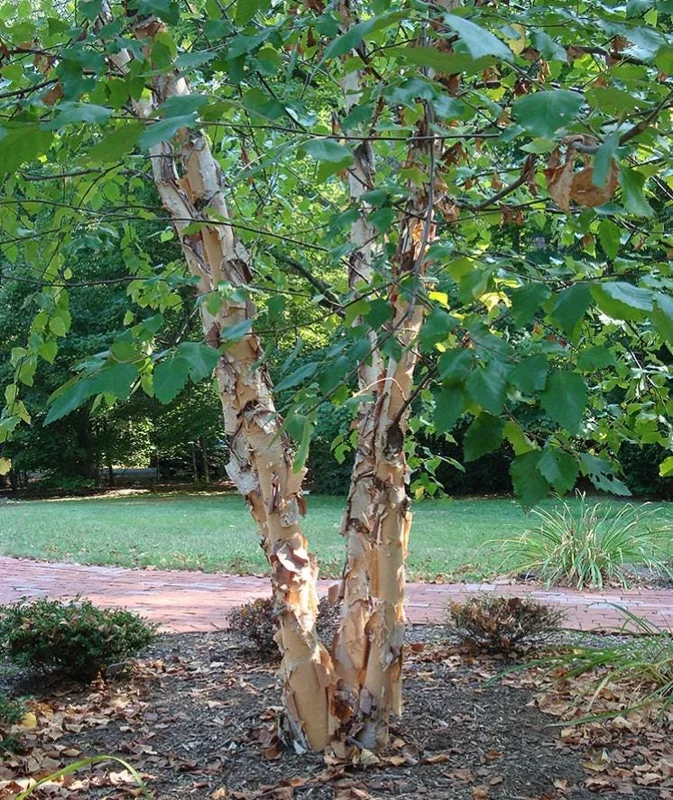
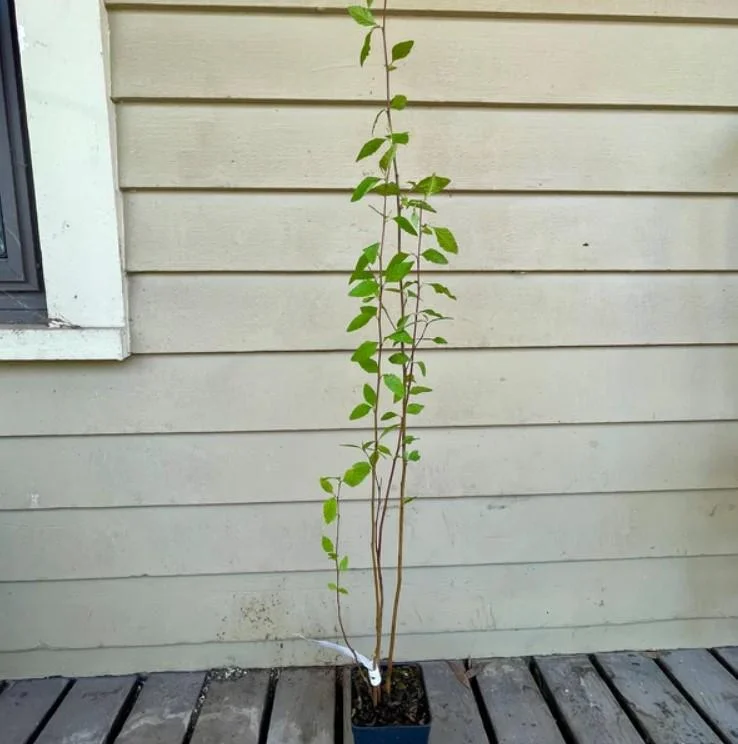
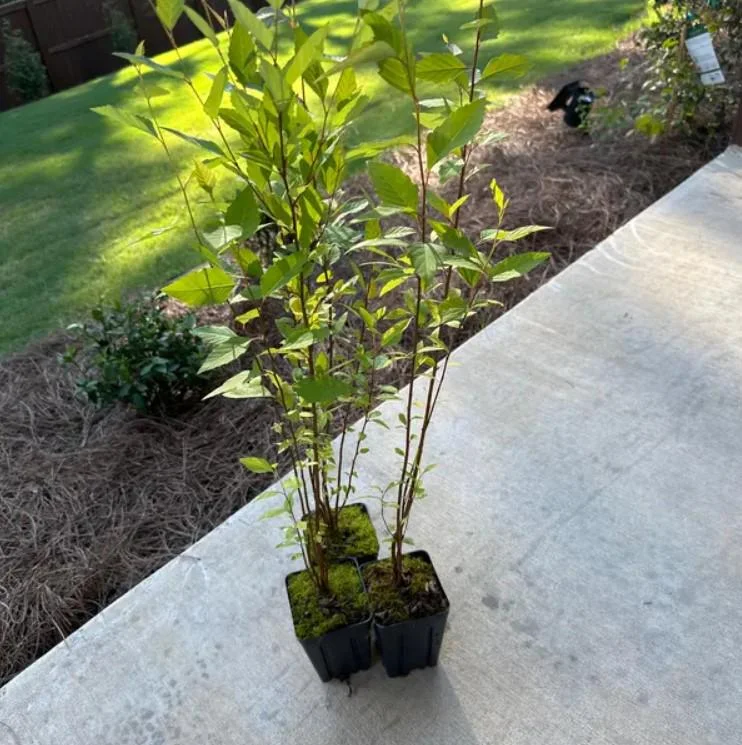
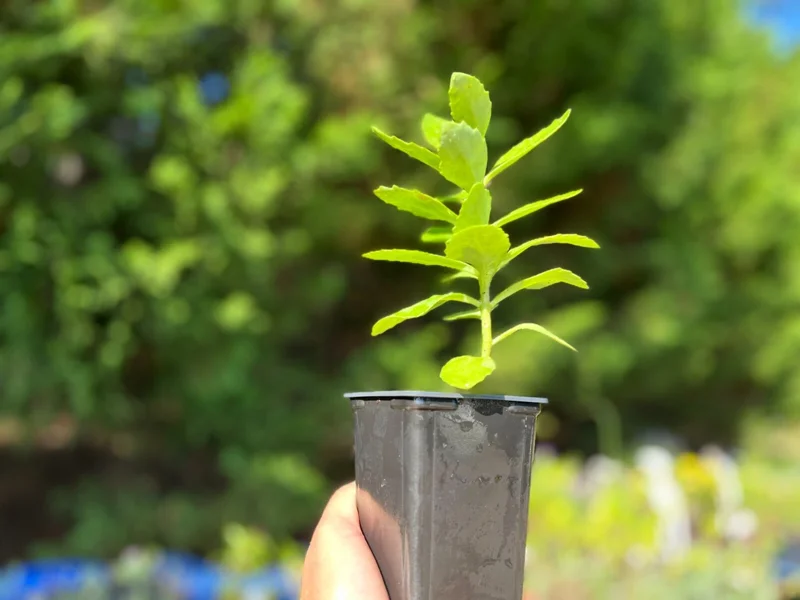
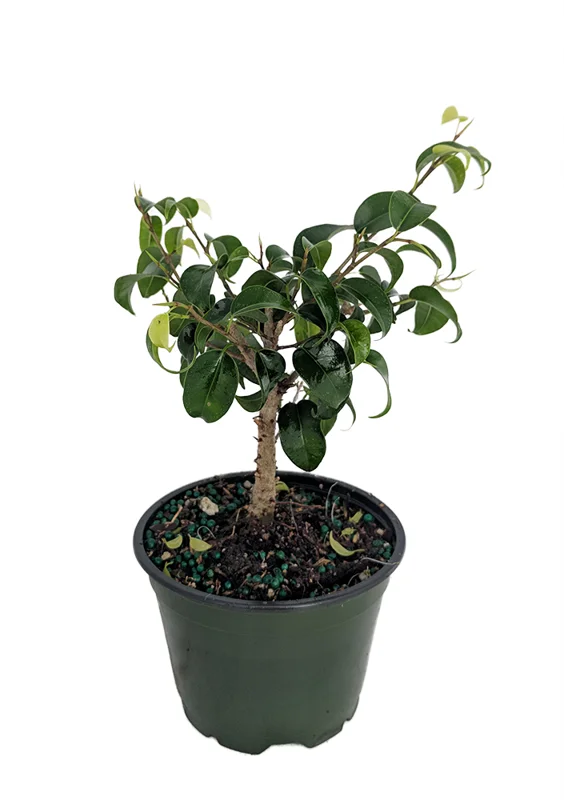
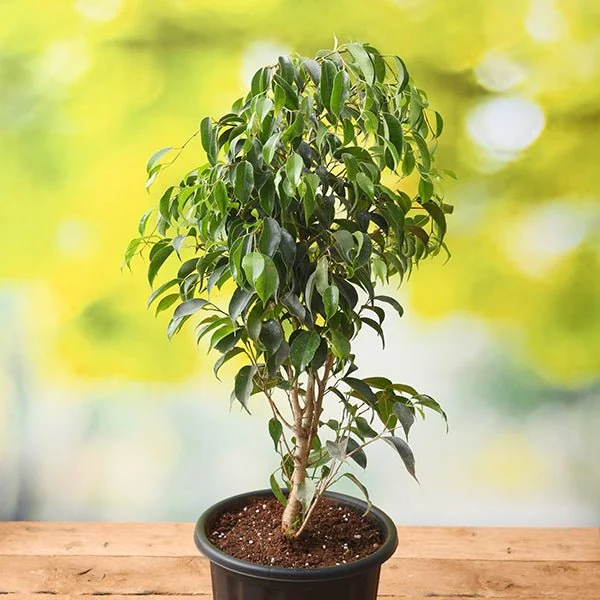
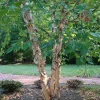
Introduce a touch of natural beauty and robust growth to your landscape with the river birch live tree. This offering features a healthy, multi-stemmed specimen, typically 12-18 inches tall, grown in a 1-quart pot, ready for planting. The Betula nigra tree, commonly known as the River Birch, is a fast-growing, deciduous tree highly prized for its distinctive salmon-pink to reddish-brown bark that exfoliates in papery curls, revealing lighter inner bark. This visual appeal makes it a standout choice for any ornamental landscape. Native to the southeastern United States, this tree is remarkably adaptable and tolerant of various conditions, particularly wet soils, earning its ‘river’ moniker.
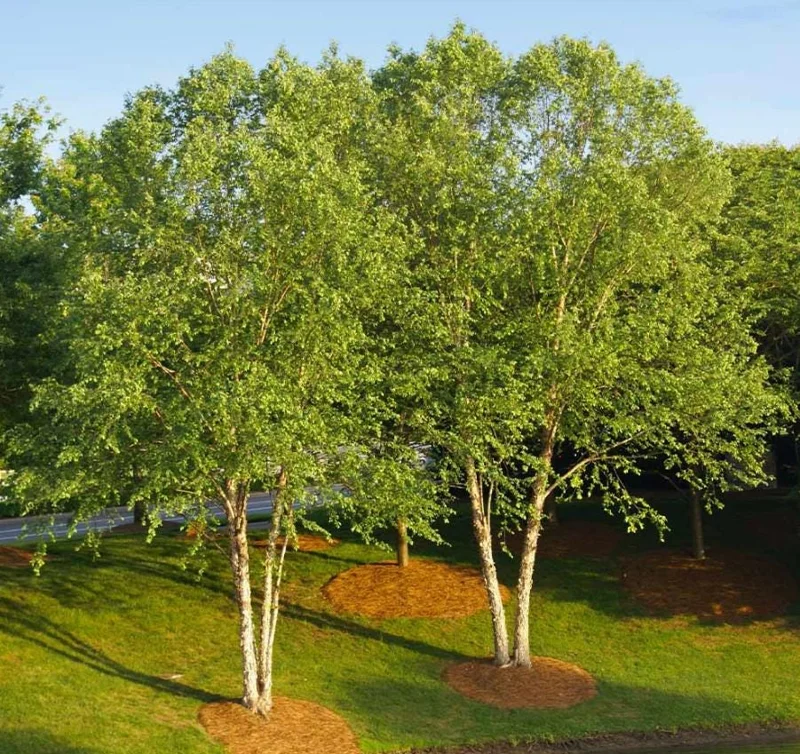
The multi-stem river birch provides excellent shade and year-round visual interest. Its graceful form and striking bark ensure that it remains a focal point even during winter months when other deciduous trees are bare. Ideal for naturalized areas, erosion control near water bodies, or as a specimen tree in gardens and parks, it’s a versatile choice for gardeners and landscapers alike.
Key Benefits
The river birch live tree offers numerous advantages for enhancing your outdoor space, combining aesthetic charm with practical benefits.
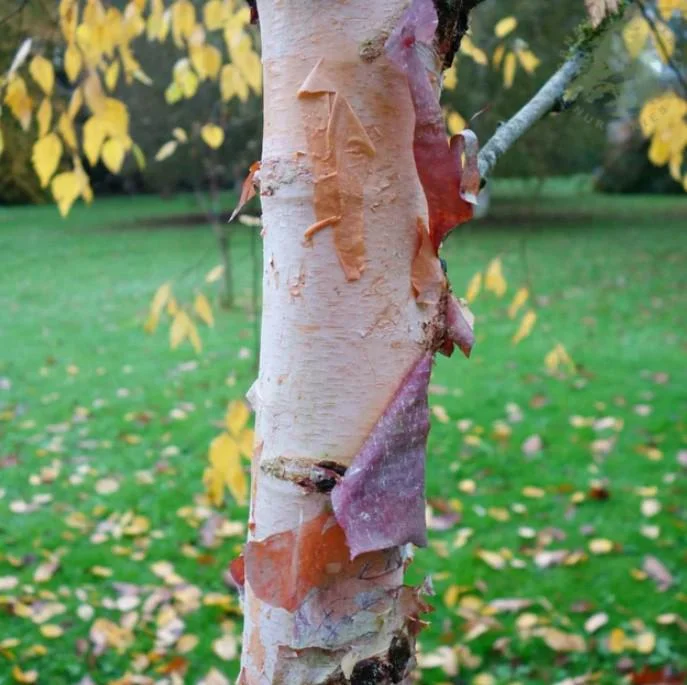
- Attractive Peeling Bark: The most distinctive feature, its exfoliating bark provides year-round visual interest with shades of salmon, pink, and brown, making it a unique ornamental deciduous tree.
- Fast Growth Rate: Enjoy a quickly maturing tree that establishes well and provides shade and beauty in a relatively short period.
- Tolerance to Wet Soils: Unlike many trees, the River Birch thrives in moist to wet soil conditions, making it an excellent choice for low-lying areas or near water features where other trees might struggle.
- Erosion Control: Its strong root system and preference for moist environments make it highly effective for stabilizing banks and preventing soil erosion, especially along streams or ponds.
- Excellent Shade Provider: With its broad canopy, a mature River Birch offers ample shade, helping to cool your home and outdoor living spaces during warmer months.
- Wildlife Habitat: Provides shelter and nesting sites for various bird species, contributing to local biodiversity.
- Hardy and Adaptable: Thrives in USDA zones 4–9, demonstrating good resistance to common pests and diseases, making river birch care relatively straightforward for a deciduous tree.
Plant Care & Growing Tips
Caring for your river birch live tree is relatively simple, given its adaptable nature. It thrives in a range of conditions but performs best with consistent moisture. This tree prefers full sun to partial shade, meaning it will do best with at least 6 hours of direct sunlight per day. While it can tolerate some shade, more sun generally leads to better bark coloration and a denser canopy. Ensure it is planted in moist, fertile, acidic to neutral soils. It is notably tolerant of clay soils and wet conditions, but it is not drought-tolerant, especially when young. Regular watering is crucial, particularly during dry spells and throughout its first few years of establishment. Keep the soil consistently moist, but avoid standing water that can lead to root rot.
The best time for planting a Betula nigra tree is in early spring or fall when cooler temperatures encourage strong root development. When planting multiple trees, space them 20–30 feet apart to accommodate their mature canopy spread. Fertilize annually in spring with a balanced, slow-release fertilizer formulated for deciduous trees, following product instructions. Common problems are few, but watch for leaf spot in overly humid conditions or iron chlorosis in highly alkaline soils, which can be remedied with soil amendments. This ornamental deciduous tree is generally robust and a rewarding addition to any garden.
Size & Details
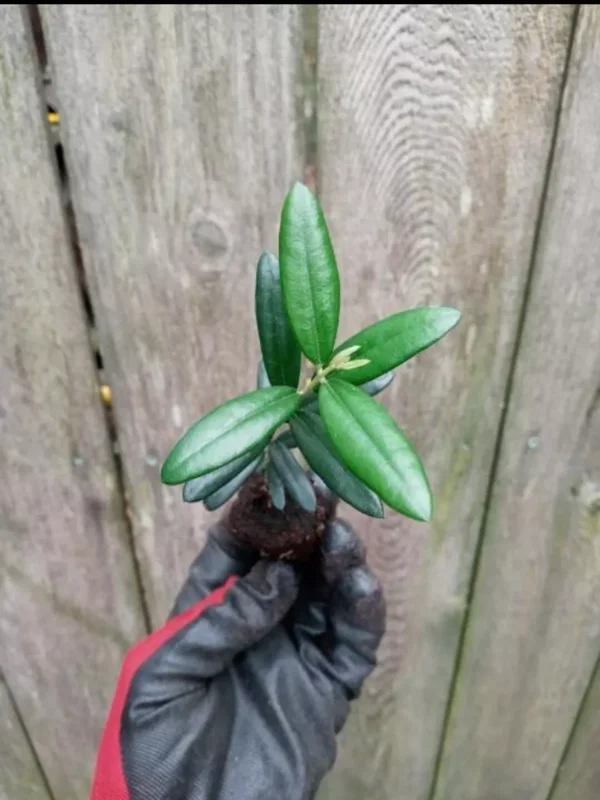
This offering is for a river birch live tree, typically measuring 12-18 inches tall from the top of the soil, supplied in a 1-quart nursery pot. Each tree is a multi-stemmed specimen, providing a fuller, more established look upon planting. The Betula nigra tree is a fast-growing variety, capable of adding 1-2 feet of height per year under optimal conditions. Upon arrival, the plant will be a healthy young tree with an established root system, ready for transplanting into your garden. River Birches can eventually reach mature heights of 40-70 feet with a spread of 25-60 feet, forming a majestic canopy. Expect this multi-stem river birch to begin showcasing its characteristic peeling bark within its first few years as it matures.
Frequently Asked Questions
- Q: How big does this river birch live tree get? A: This young tree typically arrives 12-18 inches tall. Mature River Birches can reach heights of 40-70 feet with a spread of 25-60 feet, depending on growing conditions and cultivar.
- Q: Is this an indoor or outdoor plant? A: The Betula nigra tree is an outdoor deciduous tree. It requires ample space and is not suitable for indoor cultivation.
- Q: How much sunlight does a River Birch need? A: It thrives in full sun to partial shade, ideally receiving at least 6 hours of direct sunlight daily for optimal growth and bark coloration.
- Q: Is this tree easy to care for? A: Yes, river birch care is generally considered easy. Its main requirements are consistently moist soil and adequate sunlight. It’s quite adaptable once established.
- Q: What condition will the tree arrive in? A: Your tree will arrive as a healthy, live plant in a 1-quart pot with its root ball intact and protected, ready for planting.
- Q: When is the best time to plant a River Birch? A: The best times for planting are early spring or fall, when temperatures are cooler, allowing the tree to establish its root system before extreme weather.
- Q: Can the multi-stem river birch tolerate wet feet? A: Absolutely, River Birches are known for their exceptional tolerance to wet soils and can even thrive in areas with occasional flooding, making them great for waterside plantings.
- Q: What USDA zones are suitable for this tree? A: This ornamental deciduous tree is hardy in USDA zones 4 through 9, making it suitable for a wide range of climates across the United States.
- Q: Does the bark really peel? A: Yes, one of the most attractive features of the River Birch is its exfoliating bark, which peels in papery layers, revealing lighter, often salmon-colored inner bark.




Reviews
There are no reviews yet.