Overview
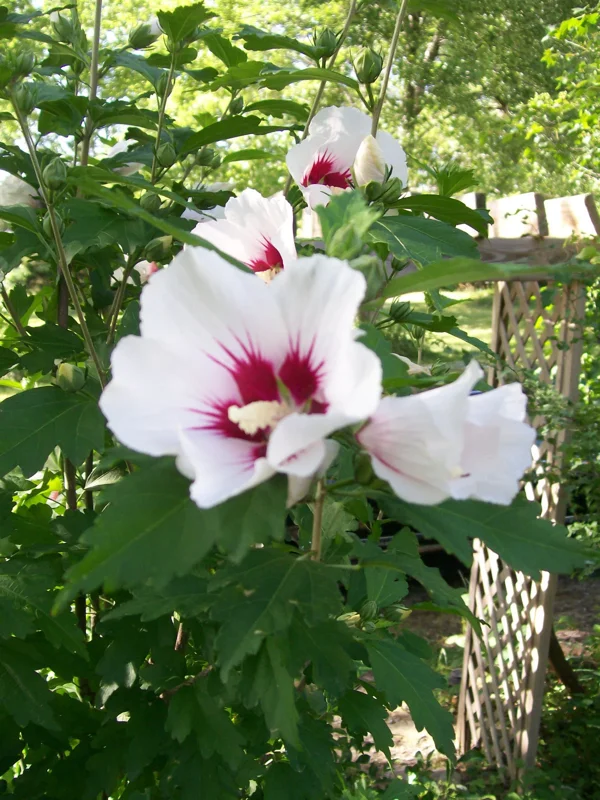
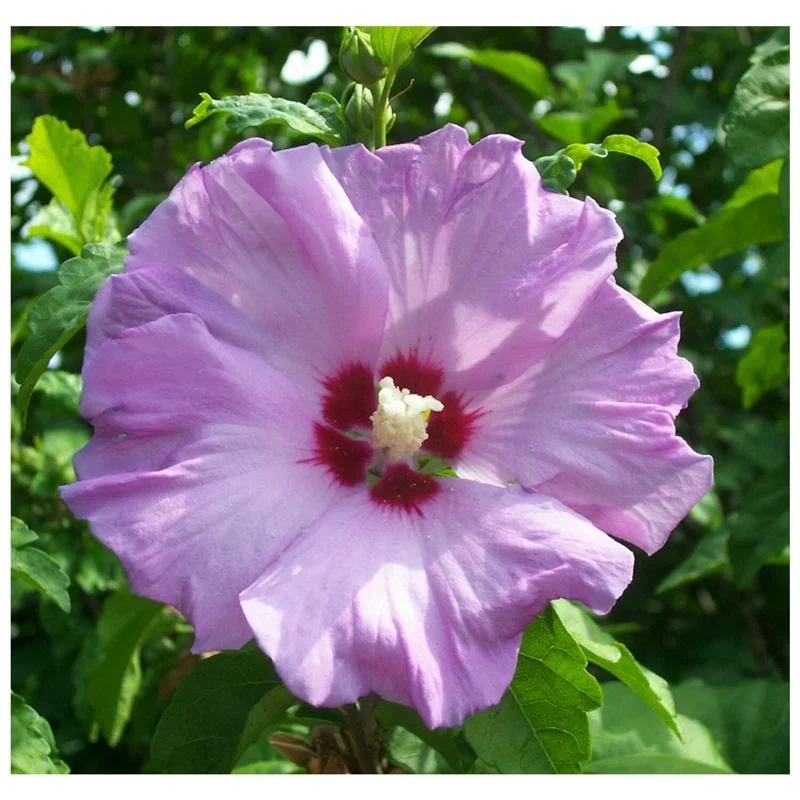
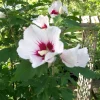
Embark on a rewarding gardening journey with our premium Rose of Sharon plant cuttings. This set includes 10 unrooted cuttings from the beautiful Hibiscus syriacus, offering you the choice of elegant white or vibrant purple blooms. The Rose of Sharon, also known as Shrub Althea, is a popular deciduous shrub renowned for its showy, trumpet-shaped flowers that appear from summer to fall. These cuttings provide an economical and satisfying way to propagate these lovely plants, allowing you to cultivate a stunning flowering hedge, specimen plant, or border in your garden. With a little care and patience, these Rose of Sharon plant cuttings will transform into mature, robust shrubs, gracing your outdoor space with their delightful presence.
The Hibiscus syriacus cuttings are derived from healthy, mature plants, ensuring a strong start for your new shrubs. This variety is known for its hardiness and adaptability, making it an excellent choice for gardeners of all skill levels. Whether you’re an experienced horticulturist looking to expand your collection or a beginner eager to learn how to grow Rose of Sharon, these cuttings offer a fantastic opportunity to create a beautiful, long-blooming landscape feature.
Key Benefits
Growing Rose of Sharon plant cuttings offers numerous advantages, from enhancing your garden’s aesthetic to providing a habitat for local wildlife. This versatile flowering shrub cuttings option brings beauty and life to any outdoor setting.
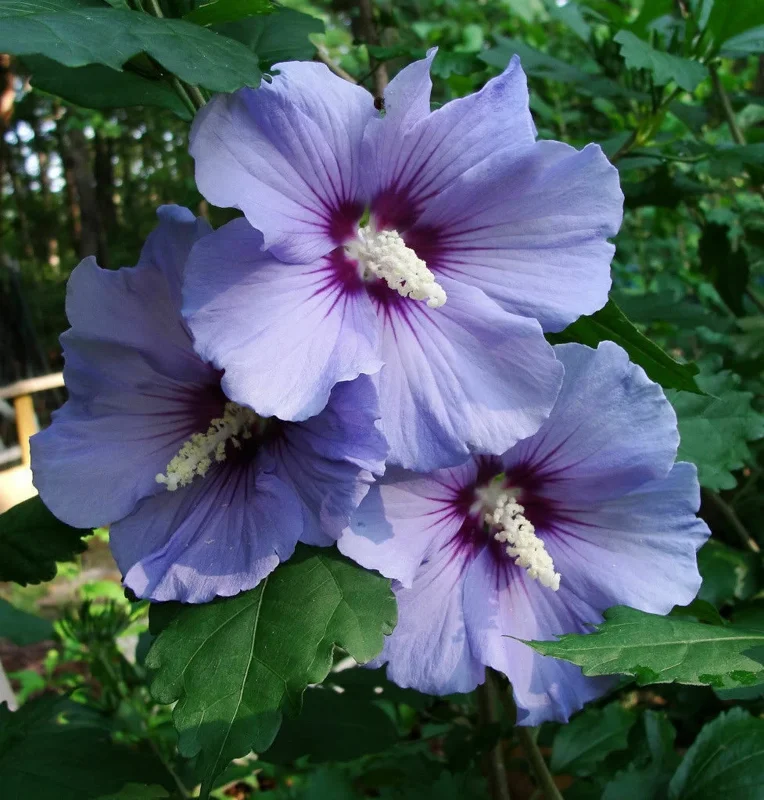
- Stunning Summer Blooms: Enjoy a prolonged display of beautiful white or purple flowers from mid-summer through fall, providing continuous color when many other plants are fading. These blooms are a hallmark of the Rose of Sharon plant cuttings.
- Attracts Pollinators: The vibrant flowers are a magnet for hummingbirds, butterflies, and other beneficial pollinators, contributing to the biodiversity of your garden.
- Easy Propagation: Starting from unrooted cuttings is a cost-effective and engaging way to multiply your favorite shrubs. Many gardeners find great satisfaction in learning how to grow Rose of Sharon from scratch.
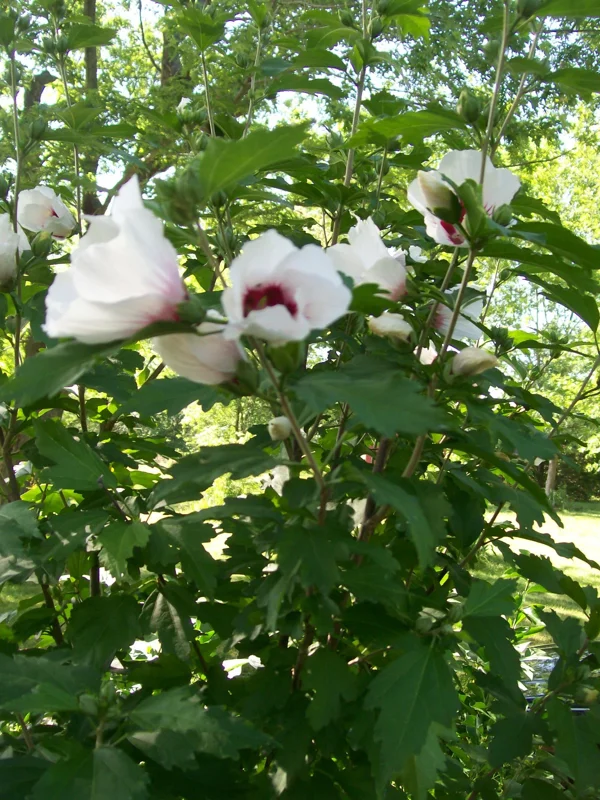
- Versatile Landscape Use: Perfect for creating hedges, screens, mixed borders, or as stand-alone specimen plants. The adaptable nature of Hibiscus syriacus cuttings makes them suitable for various garden designs.
- Hardy and Resilient: Once established, Rose of Sharon plants are known for their tolerance to a range of conditions, including heat, drought, and urban environments.
- Low Maintenance: Requires minimal pruning and care once mature, making it an ideal choice for busy gardeners seeking a beautiful yet easy-care plant.
- Deciduous Beauty: Offers seasonal interest with lush green foliage in spring and summer, followed by brilliant blooms, and then a dormant period in winter.
Plant Care & Growing Tips
Successfully rooting and growing your Rose of Sharon plant cuttings requires attention to a few key environmental factors. These unrooted cuttings will thrive with the right conditions. Start by preparing a well-draining potting mix, ideally a blend of peat moss and perlite or sand, to encourage root development. Plant the bottom end of each cutting about 2-3 inches deep, ensuring at least one node is beneath the soil surface. Keep the soil consistently moist but not waterlogged. Creating a humid environment, such as by covering the tray with a clear plastic dome or bag, can significantly aid in rooting these Hibiscus syriacus cuttings.
Place your newly planted cuttings in a location that receives bright, indirect sunlight. Direct, harsh sun can be too intense for developing roots. A warm spot with temperatures between 65-75°F (18-24°C) is ideal for optimal growth. Rooting typically takes several weeks to a few months. You can gently tug on a cutting to check for resistance, indicating root formation. Once rooted, gradually acclimate the young plants to outdoor conditions before transplanting them into their permanent garden spots. For established plants, the Rose of Sharon prefers full sun to partial shade, meaning at least 6 hours of direct sunlight daily for the best flowering performance. Water regularly, especially during dry spells, and apply a balanced slow-release fertilizer in spring to support vigorous growth and abundant blooms. Understanding how to grow Rose of Sharon effectively will ensure your plants flourish.
Size & Details
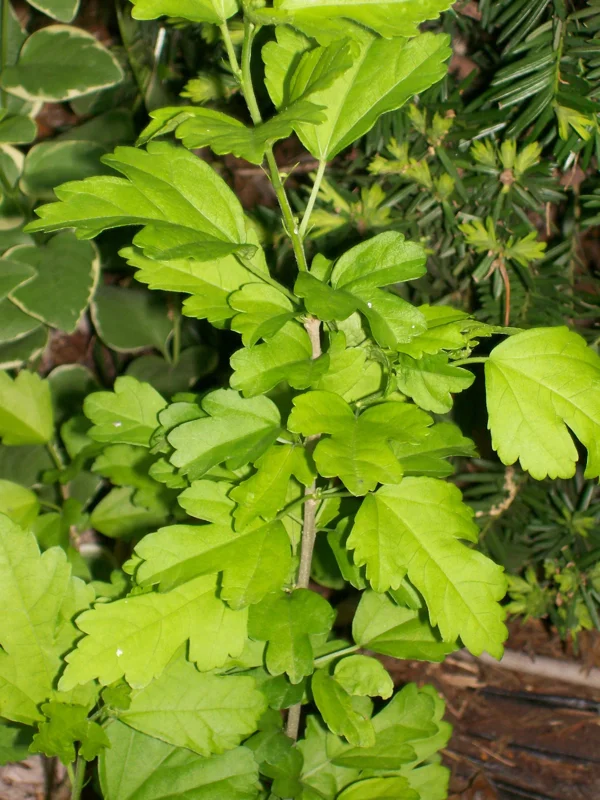
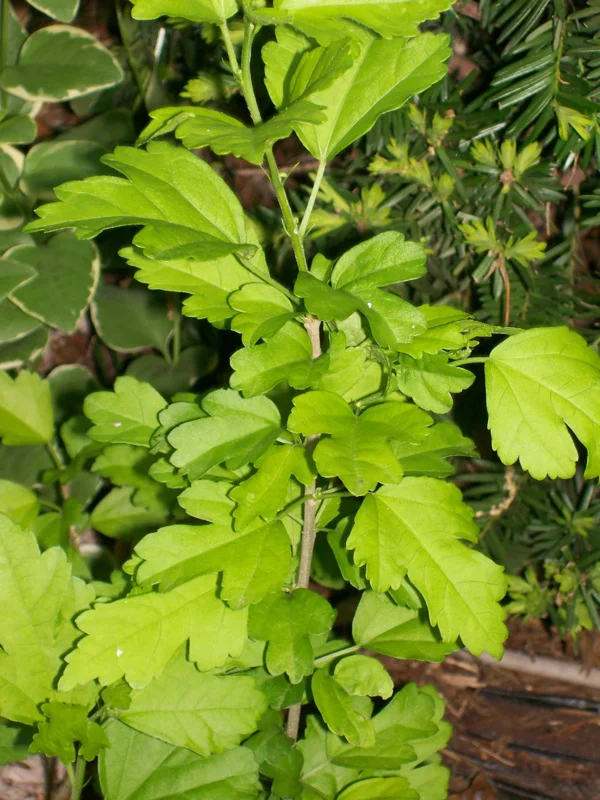
This offering includes a set of 10 unrooted Rose of Sharon plant cuttings, ready for you to propagate. Each cutting is typically 6-8 inches long, selected from healthy, vigorous parent plants to maximize your success rate for rooting. These are fresh cuttings, meaning they do not come with developed roots or foliage, providing you with the satisfaction of nurturing them from their initial stage. The Rose of Sharon is a deciduous shrub that can grow quite large at maturity, typically reaching 8-12 feet in height and 6-10 feet in width, though it can be pruned to maintain a smaller size or desired shape. With proper care, these flowering shrub cuttings will establish themselves and begin to show significant growth within their first year, with blooming usually commencing in the second or third year after successful rooting and planting.
The mature plants are known for their medium growth rate and thrive outdoors in USDA Hardiness Zones 5-9. They are adaptable to various soil types, preferring well-draining soil. This set of 10 cuttings provides ample opportunity to create a substantial planting or to share with fellow gardening enthusiasts. Whether you choose the classic white or the rich purple variety, these Rose of Sharon plant cuttings promise a beautiful addition to your garden.
Frequently Asked Questions
- Q: How big does this plant get? A: A: The Rose of Sharon is a deciduous shrub that typically grows to a mature height of 8-12 feet and a width of 6-10 feet. Its size can be managed through regular pruning to fit your garden space or desired form.
- Q: What condition will the cuttings arrive in? A: You will receive 10 unrooted cuttings, meaning they are fresh stems without developed roots or leaves. They are carefully packaged to ensure freshness upon arrival, ready for immediate planting and propagation.
- Q: Is this an indoor or outdoor plant? A: The Rose of Sharon (Hibiscus syriacus) is primarily an outdoor plant, thriving in garden settings where it can receive adequate sunlight and space to grow. It is best suited for planting directly in the ground.
- Q: How much sunlight does it need? A: For optimal growth and prolific flowering, Rose of Sharon plants prefer full sun (at least 6 hours of direct sunlight per day) to partial sun. While they can tolerate some shade, flowering may be reduced.
- Q: Is this plant easy to care for? A: Yes, once established, the Rose of Sharon is considered a relatively easy-care plant. It tolerates a range of conditions and requires minimal maintenance, making it suitable for gardeners of all experience levels who want to learn how to grow Rose of Sharon.
- Q: When is the best time to plant these cuttings? A: The ideal time to start rooting Rose of Sharon plant cuttings is in late spring or early summer. This allows the cuttings ample time to develop roots and establish themselves before the colder months.
- Q: Will it survive winter in my zone? A: Rose of Sharon is hardy in USDA Zones 5-9. If you are within these zones, your established plants should survive the winter with proper care. In colder zones, some winter protection might be beneficial.
- Q: How long until it blooms? A: Typically, successfully rooted Rose of Sharon plant cuttings will begin to produce their beautiful blooms in their second or third year after planting. Patience is key for these rewarding flowering shrub cuttings.
- Q: What type of soil is best for rooting? A: A well-draining soil mix is crucial for rooting. A blend of peat moss and perlite or sand works well to provide the necessary aeration and moisture retention for developing roots of these Hibiscus syriacus cuttings.
- Q: Can I grow a rooted Rose of Sharon in a container? A: While primarily an outdoor shrub, young Rose of Sharon plants can be grown in large containers, especially in colder climates where they can be moved indoors for winter protection. Ensure the container has excellent drainage.






Reviews
There are no reviews yet.