Overview
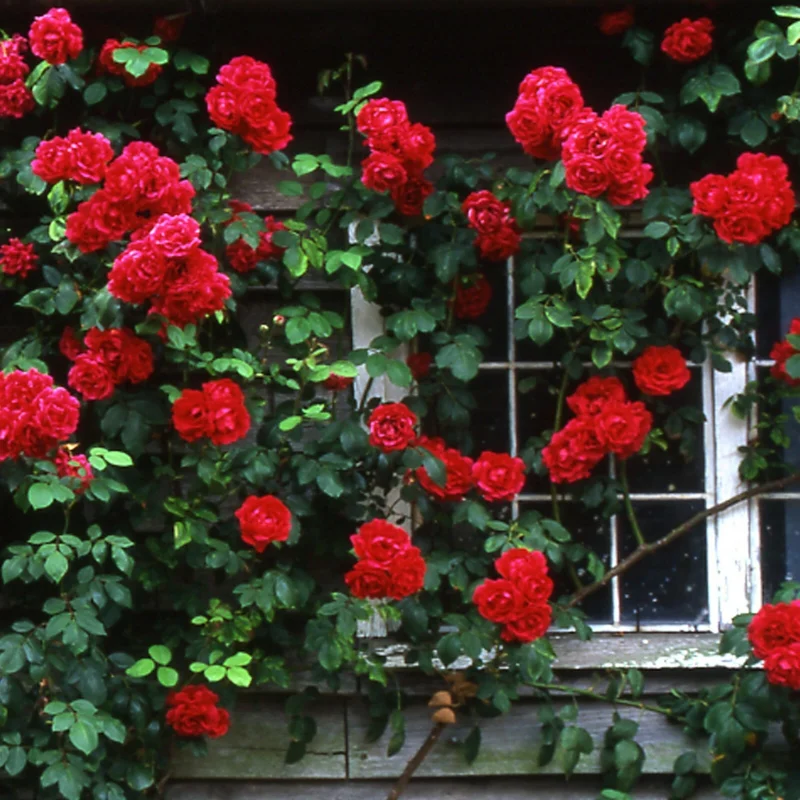
Embark on a rewarding gardening journey with our premium selection of rose plant seeds and rose plant cuttings. Whether you’re a seasoned gardener or just starting, these options provide a fantastic way to cultivate beautiful roses. Roses, known scientifically as Rosa, are celebrated globally for their exquisite blooms, intoxicating fragrance, and diverse forms. This offering focuses on providing you with the foundational elements – either seeds to grow from scratch or cuttings for a head start – to establish your very own vibrant rose display. From classic single-petal varieties to lush, multi-layered blooms, the potential for a stunning rose garden is within your reach. Our collection empowers you to nurture these iconic flowers, transforming your outdoor spaces or indoor environments into fragrant sanctuaries.
The journey of watching a rose grow from a tiny seed or a developing cutting is incredibly fulfilling. These roses are ideal for various landscaping designs, container gardening, or even as elegant indoor accents. We prioritize offering viable and robust options to ensure your success in cultivating these beloved flowers. Prepare to enjoy the timeless elegance and captivating aroma that only freshly grown roses can provide.
Key Benefits
Cultivating roses from seeds or cuttings offers numerous advantages, allowing you to experience the full lifecycle of these magnificent plants. Here are some of the key benefits:
- Aesthetic Appeal: Roses bring unparalleled beauty to any setting. Their diverse colors, shapes, and sizes make them perfect for creating stunning visual displays in gardens, patios, or as indoor floral arrangements. You can truly personalize your space when you grow roses tailored to your vision.
- Fragrance: Many rose varieties are famous for their delightful and complex fragrances, which can uplift spirits and create a sensory haven in your home or garden. The scent of a fresh rose is truly unique and captivating.
- Versatility: These roses can be grown in various environments, from traditional garden beds to pots on balconies or even as indoor houseplants, depending on the variety and care provided. This makes them suitable for almost any gardener.
- Personal Satisfaction: There’s immense joy and satisfaction in nurturing a plant from its early stages and watching it flourish into a beautiful bloom. Successfully growing a rose plant from seeds or cuttings is a truly rewarding experience.
- Long Blooming Season: With proper care, many rose varieties offer an extended blooming season, providing continuous color and fragrance throughout much of the year, especially from spring through fall.
- Cut Flowers: Homegrown roses make exquisite cut flowers, perfect for bouquets and arrangements that add a touch of elegance to any interior space.
- Educational Experience: For new gardeners, starting with rose plant seeds or rose plant cuttings can be an excellent way to learn about plant propagation and care, fostering a deeper connection with nature.
Plant Care & Growing Tips
Successful rose care is a blend of understanding their needs and consistent attention. Whether you choose to plant rose plant seeds or cultivate rose plant cuttings, basic principles remain similar. Roses generally thrive in locations that receive ample sunlight, ideally 6-8 hours of direct sun per day. For indoor growth, a south-facing window or supplemental grow lights are often necessary to ensure vigorous growth and abundant blooms. Adequate air circulation is also important to prevent fungal diseases. When it comes to watering, roses prefer consistent moisture but detest soggy conditions. Water deeply at the base of the plant, allowing the top inch or two of soil to dry out between waterings. Reduce watering during cooler, dormant periods.
The right soil is crucial for a healthy rose garden. Roses prefer rich, well-draining soil with a slightly acidic pH (6.0-6.5). Amend heavy clay soils with organic matter like compost or peat moss to improve drainage and aeration. Sandy soils benefit from organic matter to help retain moisture and nutrients. Fertilize your roses regularly during their active growing season, typically from spring through late summer. Use a balanced rose-specific fertilizer according to package directions. Pruning is essential for promoting new growth, encouraging blooms, and maintaining the plant’s shape and health; remove dead, diseased, or crossing branches. Protecting your roses during winter is important in colder climates (USDA zones 4-7); apply a thick layer of mulch around the base or consider covering tender varieties. Common problems like aphids or black spot can be managed with organic pest control methods or appropriate fungicides, ensuring your efforts to grow roses are successful.
Size & Details
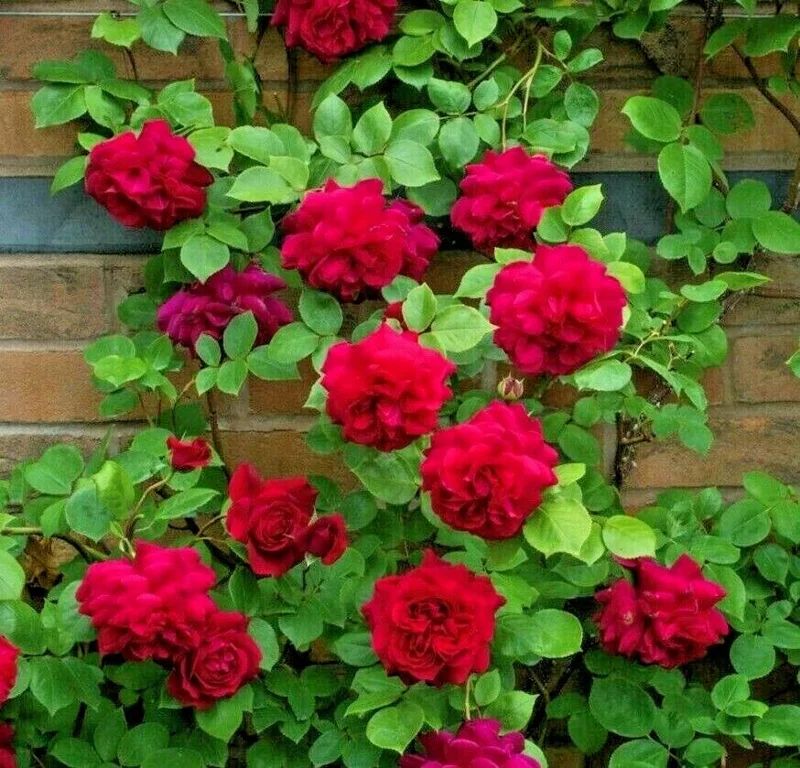
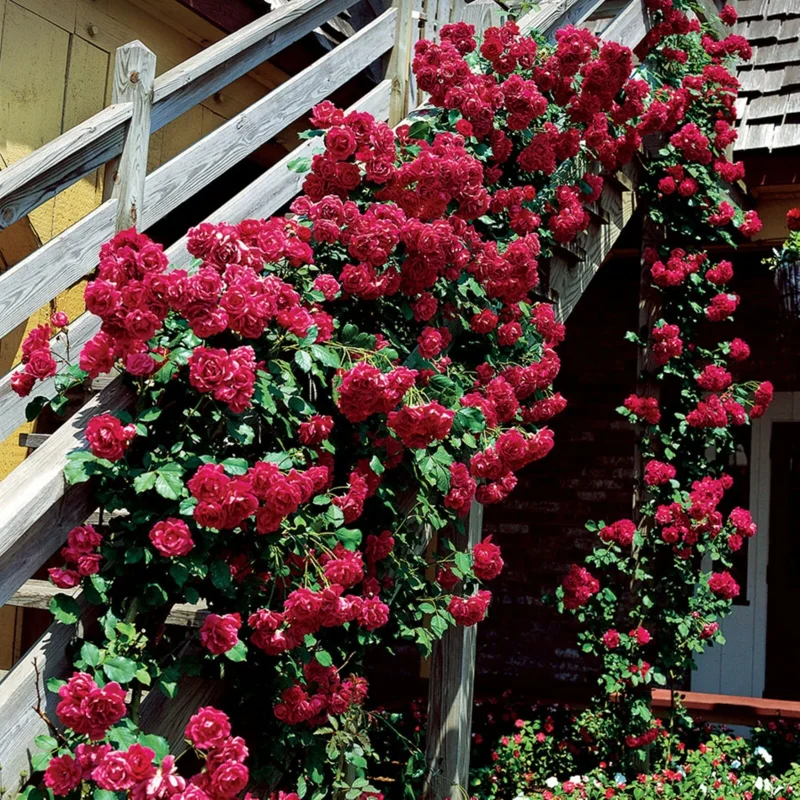
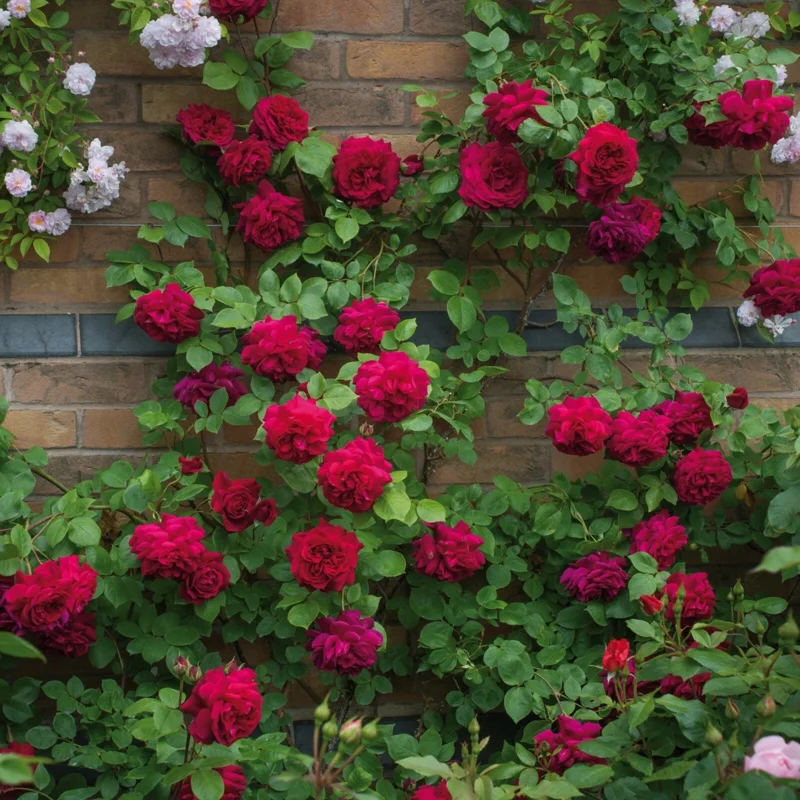
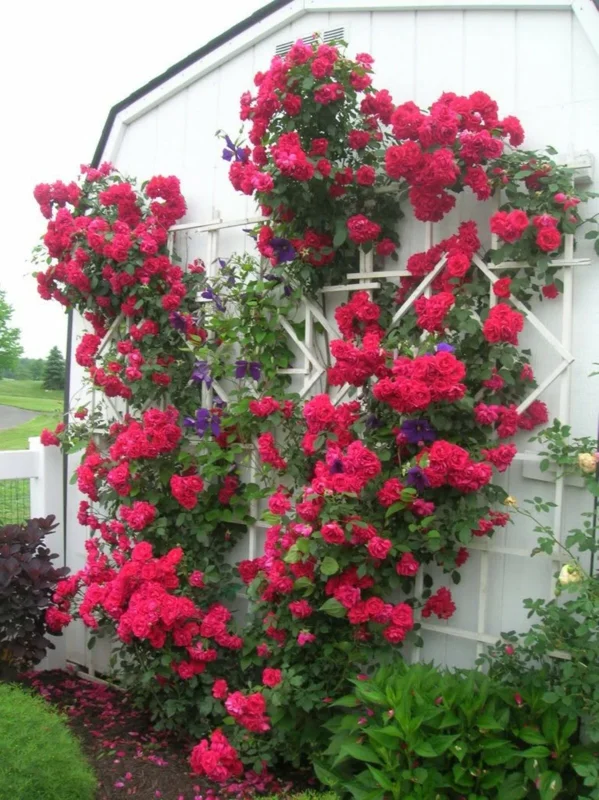
Our rose plant seeds are offered in various pack sizes, typically containing between 20 to 100 seeds, providing ample opportunity to start multiple plants. The exact number of seeds will vary by specific option. For rose plant cuttings, options may include 5 or 10 cuttings, ready for rooting. When grown from seed, plants typically reach a mature height of 2-5 feet and a spread of 2-4 feet, depending on the specific rose variety and growing conditions. Cuttings, once rooted, will establish and grow at a similar rate. Expect blooms to appear within 1-2 years from seed, or within the first year for well-established cuttings. These roses are suitable for growing as climbing roses, shrub roses, or even miniature roses, offering flexibility for your garden design. All products are sourced to ensure viability and quality, providing you with the best start for your rose garden.
Frequently Asked Questions
- Q: How big does this rose plant get? A: The mature size of the rose plant will depend on the specific variety and growing conditions. Generally, they can reach heights of 2-5 feet and spreads of 2-4 feet. Proper pruning can help manage their size and shape.
- Q: Is this an indoor or outdoor plant? A: Roses can be grown both indoors and outdoors, depending on the climate and specific variety chosen. Many varieties thrive in outdoor garden settings, while some smaller or miniature roses can be successfully cultivated indoors with adequate light.
- Q: How much sunlight does it need? A: Roses require a minimum of 6-8 hours of direct sunlight per day to produce abundant blooms. For indoor cultivation, a sunny south-facing window or supplemental grow lights are highly recommended to ensure sufficient light for your rose plant seeds or cuttings.
- Q: Is this plant easy to care for? A: While roses have a reputation for being somewhat demanding, with consistent rose care and attention to their basic needs (sun, water, soil, and fertilizer), they can be quite manageable for gardeners of all experience levels.
- Q: What condition will it arrive in? A: If you order rose plant seeds, they will arrive as dry, viable seeds ready for planting. If you order rose plant cuttings, they will be carefully packaged to maintain freshness and viability during transit, ready for propagation.
- Q: How long until it blooms? A: When growing from rose plant seeds, you can typically expect your first blooms within 1 to 2 years. For cuttings, once successfully rooted and established, blooms may appear in the first growing season.
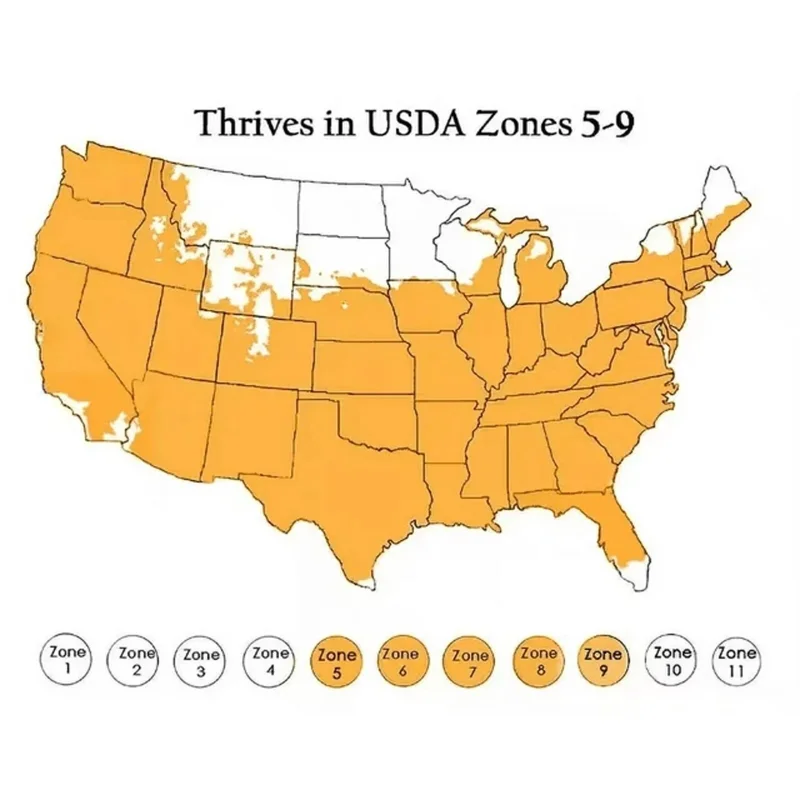
- Q: Will it survive winter in my zone? A: Rose hardiness varies significantly by variety. Most roses are hardy in USDA Zones 5-9. In colder zones, winter protection such as mulching or covering may be necessary. It’s important to choose varieties suitable for your specific climate to ensure your rose garden thrives.
- Q: What is the best soil type for growing roses? A: Roses prefer a rich, well-draining soil with a slightly acidic pH (6.0-6.5). Amending your soil with organic matter like compost is highly beneficial for both drainage and nutrient retention, supporting healthy root development for your rose plant.
- Q: Can I grow these roses in containers? A: Yes, many rose varieties, especially miniature or compact types, are well-suited for container gardening. Ensure the container is large enough to accommodate root growth and has excellent drainage. Container-grown roses may require more frequent watering and feeding.
- Q: What is the ideal watering schedule for roses? A: Water your roses deeply and regularly, especially during dry periods, ensuring the soil remains consistently moist but not waterlogged. Allow the top inch or two of soil to dry out between waterings. Reduce watering frequency during dormancy or cooler weather.








Reviews
There are no reviews yet.