Overview
Embark on the rewarding journey of growing your own precious spice with our premium saffron spice seeds. This offering provides a generous pack of 25+ fresh harvest, Grade A Crocus sativus seeds, commonly known as Saffron Crocus. Saffron is renowned globally as the most expensive spice, prized for its vibrant red stigmas used in culinary dishes, dyes, and traditional medicine. While often grown from corms, cultivating saffron from seeds offers a unique and satisfying experience for dedicated gardeners. Our rare seed pack provides a fantastic opportunity to establish your own saffron patch, whether you’re a seasoned horticulturist or an enthusiastic beginner eager to explore the world of rare herbs. These seeds are carefully selected to ensure high viability, giving you the best chance to grow successful saffron herb seeds.
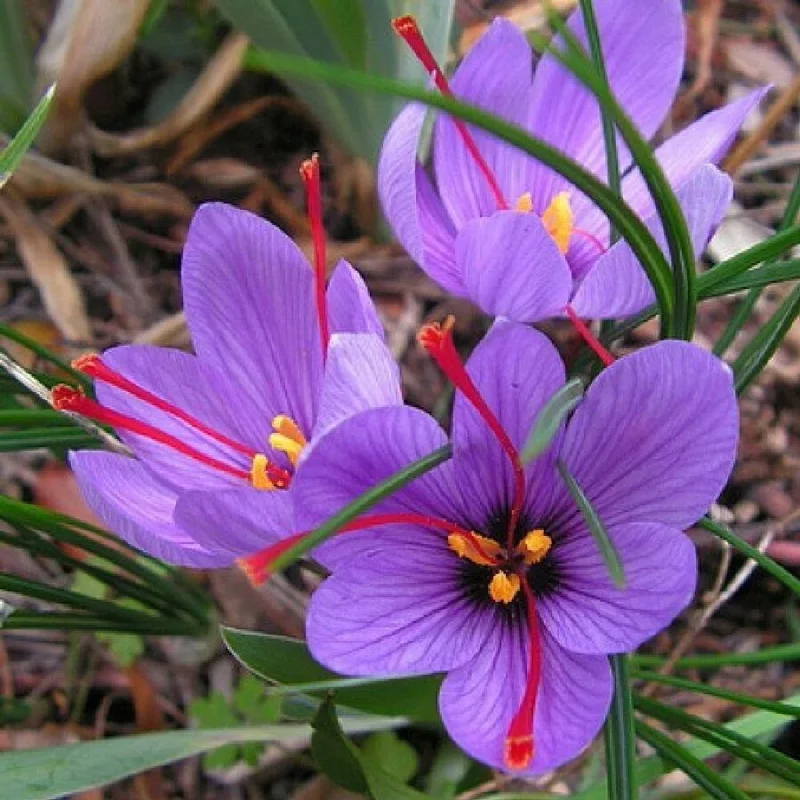
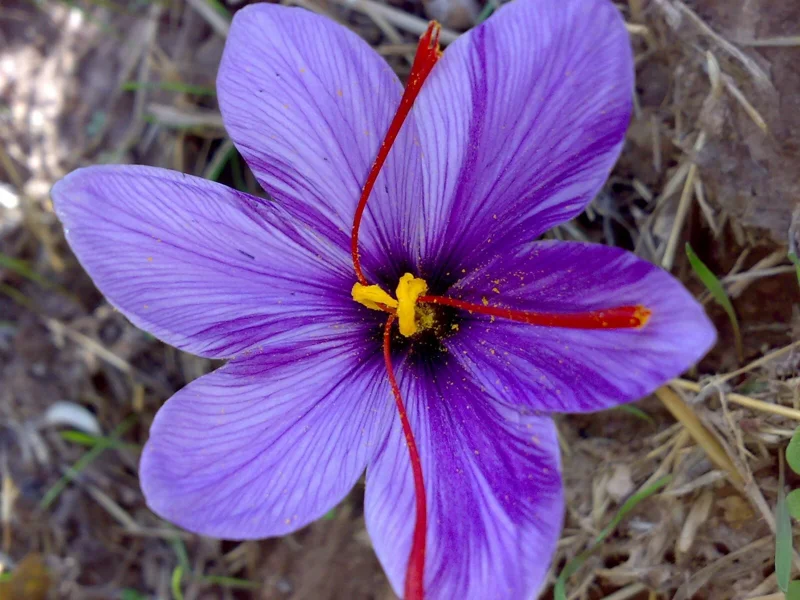
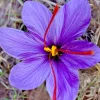
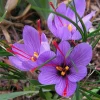
The Saffron Crocus is a beautiful flowering plant that produces delicate violet flowers, from which the valuable saffron threads are hand-harvested. This plant is surprisingly resilient and can thrive in a variety of climates, making it suitable for many gardeners across the United States. Growing saffron from seeds allows you to observe the full life cycle of this remarkable plant, from germination to flowering. It’s an excellent choice for those looking to add an exotic and highly valued herb to their garden or indoor plant collection. With proper care, these seeds will mature into healthy plants ready to yield their precious harvest.
Key Benefits
Growing saffron offers numerous advantages, from its culinary value to its aesthetic appeal. Our saffron spice seeds provide a unique opportunity to experience these benefits firsthand:
- Culinary Excellence: Harvest your own fresh saffron threads, known for their distinct aroma, flavor, and coloring properties, elevating your cooking to gourmet levels.
- Rare Gardening Experience: Cultivate one of the world’s most sought-after spices from seed, a truly rewarding and educational gardening project.
- Beautiful Blooms: Enjoy the delicate and attractive violet-purple flowers that emerge in the fall, adding a touch of elegance to your garden or indoor space.
- Medicinal Properties: Saffron has been traditionally used for its potential health benefits, including antioxidant and anti-inflammatory properties.
- Adaptable Growth: Suitable for both indoor and outdoor cultivation, these seeds can thrive in various well-draining soil types and climates.
- Easy to Grow: Despite its rare status, the saffron plant care for these seeds is considered easy, making it accessible for gardeners of different skill levels.
- Fresh Harvest: Ensure the freshest possible saffron for your kitchen by growing it yourself, bypassing store-bought options that may be old or adulterated.
Plant Care & Growing Tips
Successful cultivation of saffron spice seeds begins with understanding their specific needs. Saffron Crocus (Crocus sativus) thrives in full sun, requiring at least 6-8 hours of direct sunlight per day. If growing indoors, place your pots near a south-facing window or under grow lights to ensure adequate light exposure. The plant is quite tolerant of various climates, but protection from extreme cold is beneficial. It is perennial, meaning it will return year after year with proper care. The optimal planting time for these seeds is typically late summer to early fall, allowing them to establish before their main flowering period.
For watering, saffron prefers light and consistent moisture, especially during its active growth and flowering periods. However, it is crucial to avoid overwatering, as this can lead to rot. Allow the top inch of soil to dry out between waterings. Well-draining soil is paramount for these plants. A sandy loam or a mix with good drainage is ideal. While specific USDA zones are not explicitly provided for seeds, the mature plant generally thrives in USDA zones 6-9. Fertilize sparingly; a balanced, all-purpose fertilizer can be applied once a year in early spring or fall. Common problems are usually related to poor drainage or insufficient light, leading to stunted growth or fungal issues. Good air circulation is also important to prevent diseases.
To ensure optimal germination and growth, plant your saffron spice seeds about 1 inch deep and 3-4 inches apart. If planting in containers, ensure they have drainage holes and use a suitable potting mix. Maintaining consistent soil moisture (not soggy) during germination is key. While growing rare saffron seeds can take a bit more patience than corms, the reward of seeing your own saffron plants flourish is immense. Consider starting seeds indoors in cooler climates to give them a head start before transplanting outdoors after the last frost.
Size & Details
This offering includes a seed pack containing 25+ individual saffron spice seeds. Each seed has the potential to grow into a robust Saffron Crocus plant, which typically reaches a height of 4-6 inches (10-15 cm) with a similar spread. The growth habit is clumping, forming attractive clusters of foliage and flowers. While the initial growth from seed will be slower than from corms, the plants will establish themselves and begin to produce flowers, and subsequently saffron threads, within 1-2 years under ideal growing conditions. The seeds are fresh harvest, ensuring high viability for your planting efforts. These are herb seeds, intended for cultivation into the full plant, not for direct consumption as spice. Expect beautiful red stigmas from the mature flowers, which are the valuable saffron threads. The precise planting time is approximately 6 weeks, referring to the optimal period for seed germination and early establishment. With good saffron plant care, these seeds will flourish.
Frequently Asked Questions
- Q: How big does a saffron plant get? A: A mature Saffron Crocus plant typically grows to about 4-6 inches (10-15 cm) in height and spread, forming an attractive clumping habit. The size can vary slightly depending on growing conditions and climate.
- Q: Is this an indoor or outdoor plant? A: Saffron Crocus can be grown successfully both indoors and outdoors. For outdoor cultivation, it thrives in well-draining soil and full sun. Indoors, ensure it receives ample bright light, preferably from a south-facing window or with supplemental grow lights.
- Q: How much sunlight do saffron spice seeds need to grow? A: Saffron plants require full sun, meaning at least 6-8 hours of direct sunlight per day. Adequate light is crucial for healthy growth and flower production, which is where the valuable spice comes from.
- Q: Is this plant easy to care for? A: Yes, Saffron Crocus is generally considered easy to care for, especially once established. The main requirements are well-draining soil and plenty of sunlight, along with moderate watering. Even beginners can succeed with diligent saffron plant care.
- Q: What condition will the seeds arrive in? A: The saffron spice seeds are fresh harvest and packaged to ensure high viability upon arrival. They are provided as individual seeds, ready for planting.
- Q: How long until saffron grown from seeds blooms? A: When grown from seeds, saffron can take 1-2 years to mature and begin producing flowers and saffron threads. This is a longer process than growing from corms but offers a deeply rewarding experience.
- Q: What’s the best soil type for growing rare saffron seeds? A: Saffron thrives in well-draining soil. A sandy loam mix is ideal, or you can amend heavy soils with sand and organic matter to improve drainage and prevent waterlogging, which can harm the corms.
- Q: Can I use the harvested saffron in cooking? A: Absolutely! The primary purpose of growing these saffron herb seeds is to harvest the red stigmas (saffron threads) from the mature flowers for culinary use. They impart a unique flavor, aroma, and color to various dishes.
- Q: Will it survive winter in my zone? A: Saffron Crocus is generally hardy in USDA zones 6-9. In colder zones, you may need to provide winter protection or consider growing them in pots that can be brought indoors during severe cold.
- Q: What is the optimal watering schedule for saffron plants? A: Water saffron plants lightly but consistently, especially during their active growth and flowering phases. Allow the top inch of soil to dry out completely between waterings to prevent root rot. Reduce watering significantly during dormancy.




Reviews
There are no reviews yet.