Overview
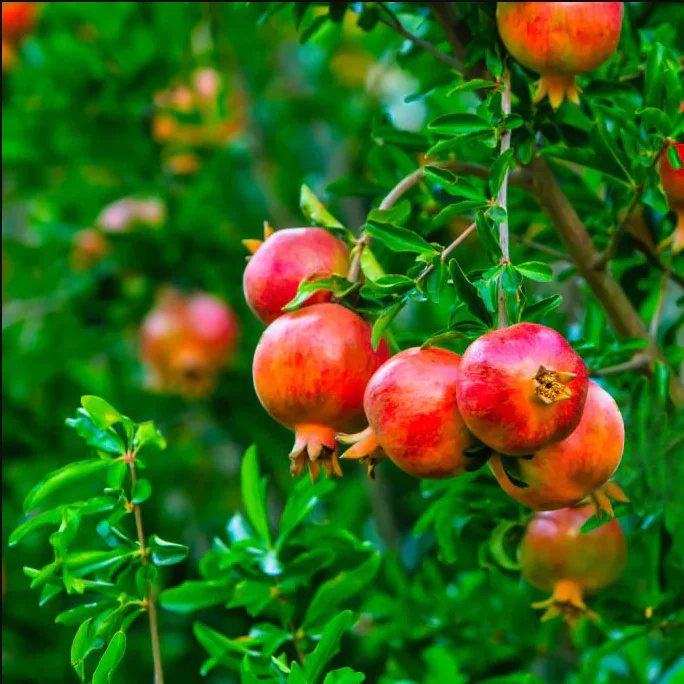
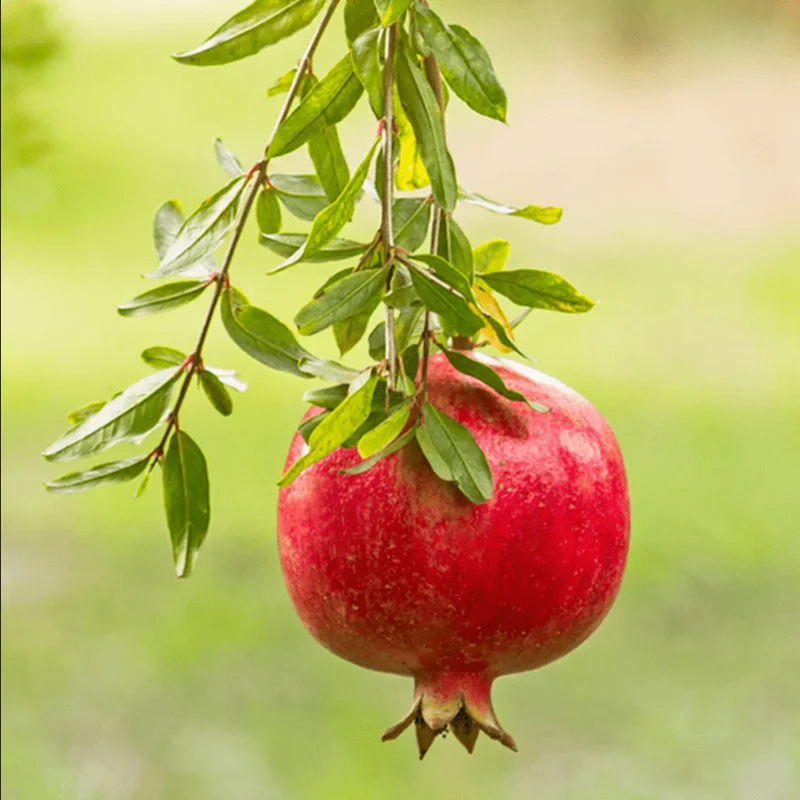
Bring the joy of home-grown fruit to your garden with the Salavatski Pomegranate live plant. Renowned for its cold hardiness and delicious, juicy fruit, the ‘Salavatski’ variety is an excellent choice for both novice and experienced gardeners. This robust plant is perfect for those looking to grow pomegranate tree in a wide range of climates. As a live starter plant, it comes ready to be transplanted into your garden or a larger container, promising a rewarding experience as it matures and begins to bear its distinctive, ruby-red fruits. The ‘Salavatski’ is a self-fertile variety, meaning you can achieve fruit production with just one plant, though planting a second can enhance your yield.
Originating from Central Asia, pomegranates have been cherished for centuries for their ornamental beauty and healthful fruit. The ‘Salavatski’ stands out for its reliability and adaptability, thriving in full sun and well-draining soil. This edible fruit plant is not just a source of food; its vibrant flowers and attractive foliage also add significant aesthetic value to any landscape. Enhance your outdoor space and enjoy the freshest pomegranates straight from your own backyard.
Key Benefits
Adding a Salavatski Pomegranate live plant to your garden offers numerous advantages, from fresh fruit to ornamental appeal. This variety is celebrated for its resilience and ease of care, making it a popular choice for home growers.
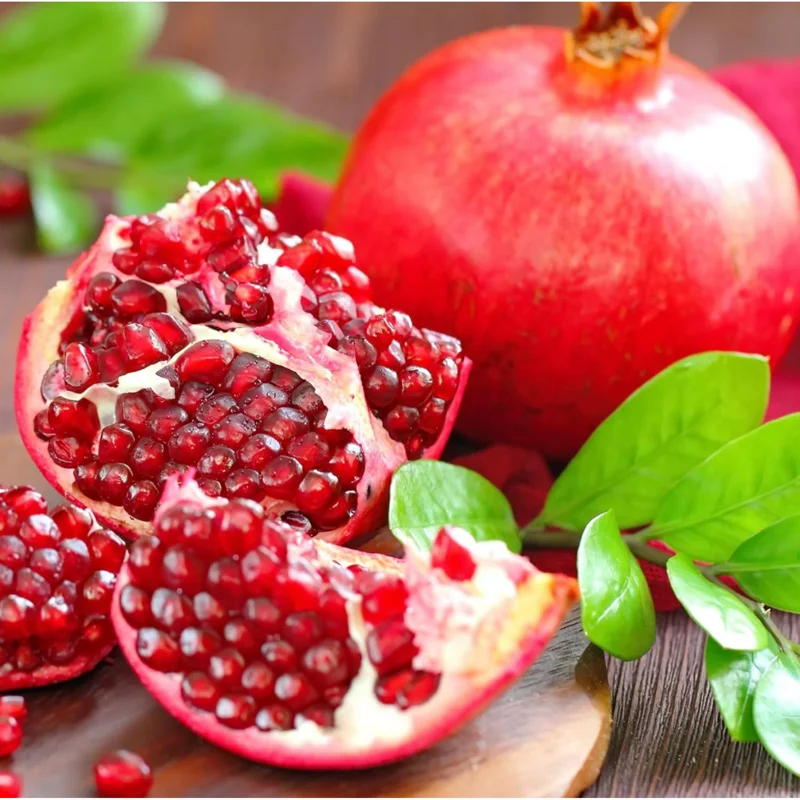
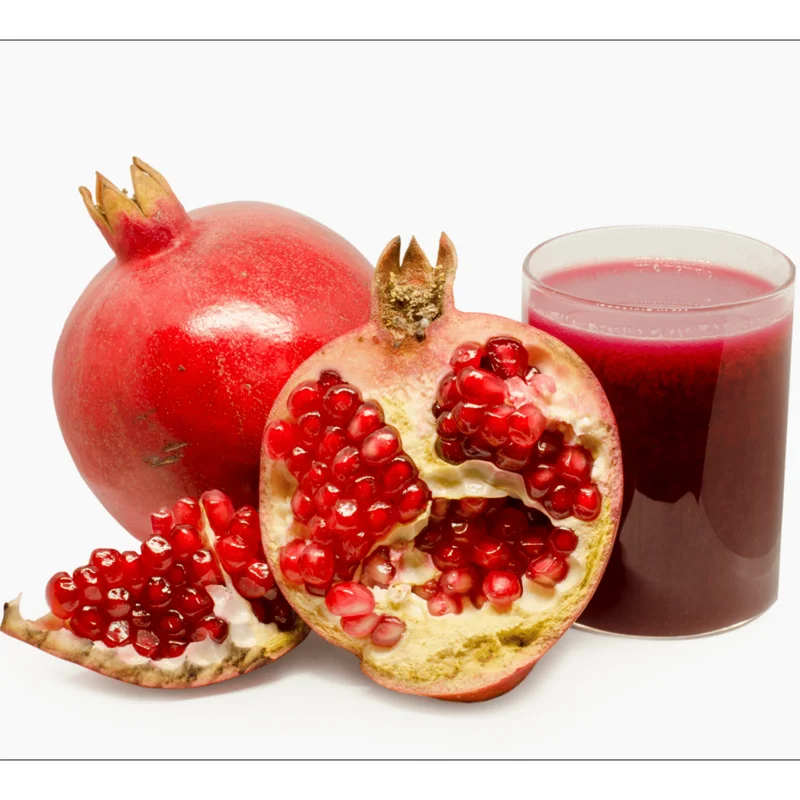
- Abundant, Delicious Fruit: Enjoy a consistent harvest of sweet, tangy, and juicy pomegranates perfect for eating fresh, juicing, or adding to culinary creations. Growing your own ensures the freshest possible taste.
- Exceptional Cold Hardiness: Unlike many pomegranate varieties, ‘Salavatski’ is notably cold hardy, thriving in USDA zone 6 pomegranate regions and up to zone 10. This resilience makes it suitable for a broader range of climates.
- Easy to Grow & Maintain: This plant is relatively low-maintenance once established, making it an ideal choice for gardeners of all skill levels. It adapts well to various soil types, provided they are well-draining.
- Self-Fertile Production: The ‘Salavatski’ is self-fertile, meaning it can produce fruit without the need for a second plant. While a second plant can increase yields, a single specimen will still provide a good harvest.
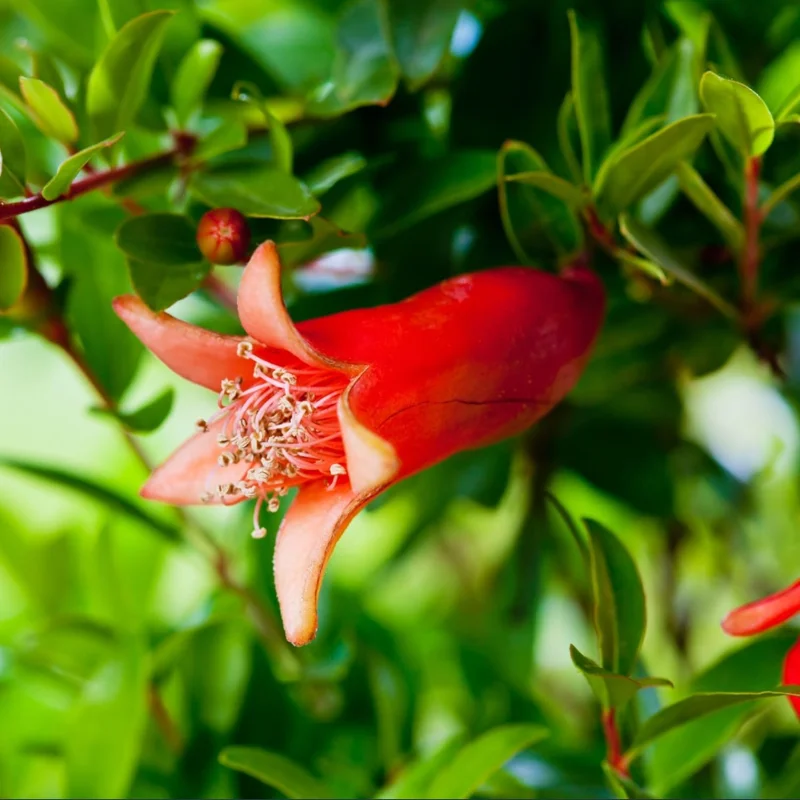
- Ornamental Appeal: Beyond its fruit, the pomegranate tree boasts attractive foliage and beautiful, showy orange-red flowers in spring and summer, adding a tropical touch to your garden.
- Health Benefits: Pomegranates are packed with antioxidants and vitamins, offering a healthy and delicious addition to your diet.
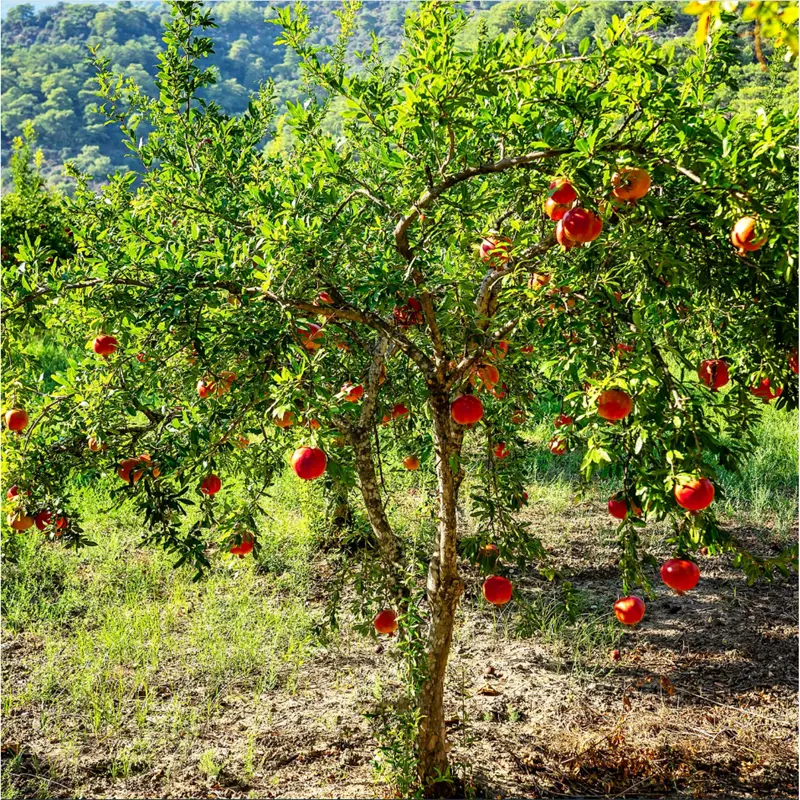
- Versatile Planting Options: Can be grown as a shrub or trained into a small tree, making it versatile for various garden designs, from edible landscapes to ornamental borders.
Plant Care & Growing Tips
Caring for your Salavatski Pomegranate live plant is straightforward, ensuring a bountiful harvest with proper attention. To successfully grow pomegranate tree, choose a location that receives at least six hours of full sunlight daily. Pomegranates are sun-loving plants and require ample light for optimal fruit production and overall health. Ensure the soil is well-draining; a sandy or clay loam with a pH between 5.5 and 6.5 is ideal. If your soil is heavy or prone to waterlogging, amend it with organic matter, perlite, or vermiculite to improve drainage and aeration. Good drainage is crucial to prevent root rot.
Water regularly after planting until the tree is established, typically for the first year. Once established, ‘Salavatski’ pomegranates are surprisingly drought-tolerant but will benefit from moderate watering, allowing the soil to dry slightly between waterings. Avoid overwatering, especially in cooler weather. This edible fruit plant is hardy in USDA zone 6 pomegranate to 10. In colder zones, consider providing winter protection or growing it in a large container that can be moved indoors. Fertilize in early spring with a balanced fertilizer designed for fruit trees. Prune in late winter or early spring to remove dead or crossing branches, shape the plant, and encourage new growth and fruit production. Keep an eye out for common pests like aphids or scale, and treat them with appropriate organic or chemical controls if necessary.
Size & Details
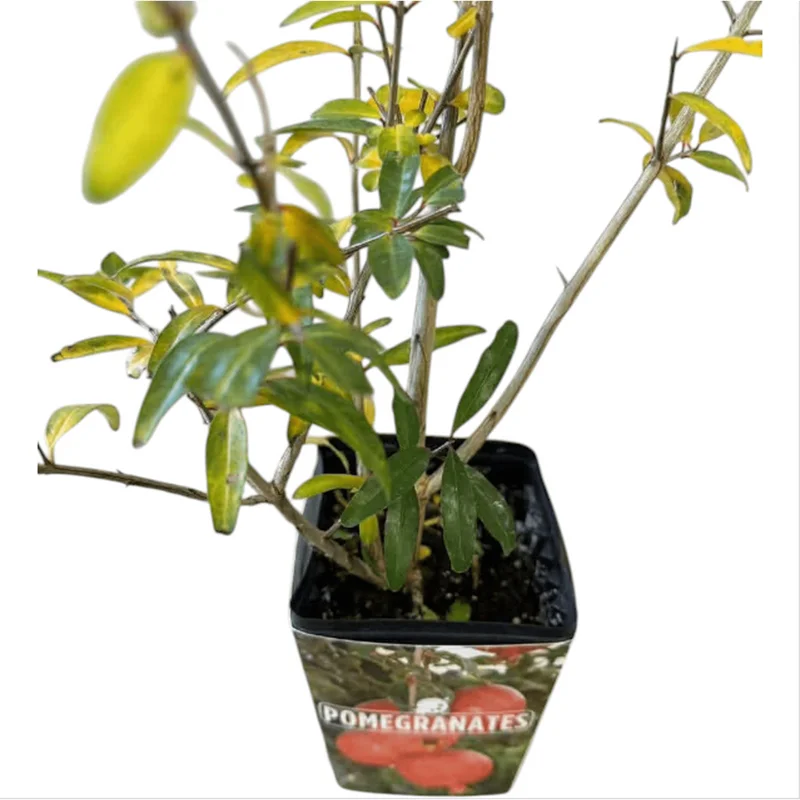
This Salavatski Pomegranate live plant arrives as a healthy starter plant, typically in a 4 Inch Pot, ready for immediate transplanting. At this stage, the plant is young but well-rooted, providing a strong foundation for future growth. Pomegranate trees can reach a mature height of 10-20 feet and a similar spread if left unpruned, though they can be maintained at a smaller size with regular pruning. The growth rate is moderate, with plants typically beginning to bear fruit within 2-3 years of planting. Expect beautiful flowers in late spring to early summer, followed by fruit development that ripens in late summer to fall, depending on your climate.
The plant is shipped carefully to ensure it arrives in optimal condition, protected from transit stress. While the initial size is compact, with proper care, your pomegranate will quickly establish itself and begin its journey towards becoming a productive fruit-bearing tree. This variety is known for its consistent performance and adaptability, making it a valuable addition to any garden focused on edible landscaping or unique fruit cultivation.
Frequently Asked Questions
- Q: How big does this Salavatski Pomegranate live plant get? A: A mature Salavatski Pomegranate tree can reach 10-20 feet tall and wide. Its size can be managed with regular pruning, allowing it to fit into various garden spaces.
- Q: What size pot does the plant come in? A: This Salavatski Pomegranate live plant is typically shipped in a 4 Inch Pot, providing a good starter size for transplanting into your garden or a larger container.
- Q: Is this an indoor or outdoor plant? A: The Salavatski Pomegranate is primarily an outdoor plant, thriving in full sun. It is hardy in USDA zone 6 pomegranate to 10, but can be grown in containers and moved indoors in colder climates.
- Q: How much sunlight does it need? A: For optimal growth and fruit production, this edible fruit plant requires at least six hours of full, direct sunlight daily.
- Q: Is this plant easy to care for? A: Yes, the ‘Salavatski’ Pomegranate is considered relatively easy to care for once established. It’s drought-tolerant and adaptable to various soil conditions, making it suitable for beginners.
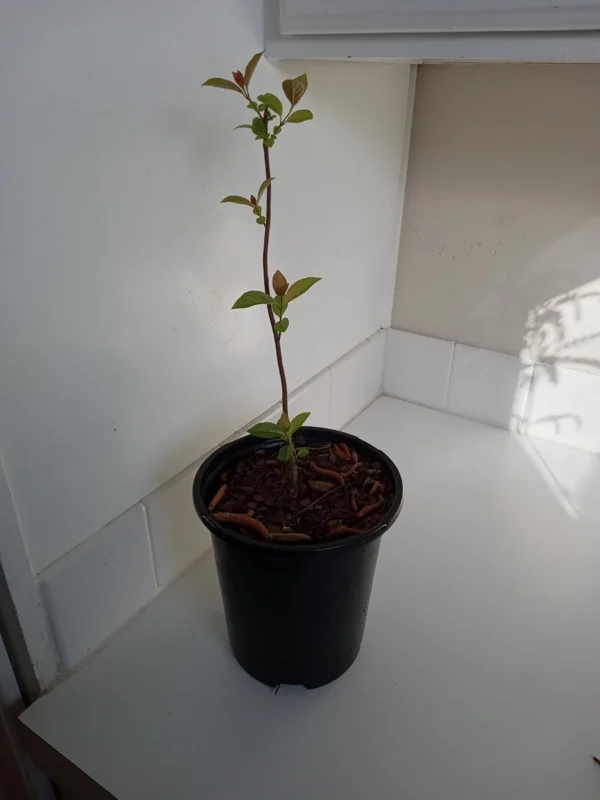
- Q: What condition will it arrive in? A: Your Salavatski Pomegranate live plant will arrive as a healthy, well-rooted starter plant, carefully packaged to ensure its safety during shipping and ready for planting.
- Q: Can I use the fruit for juice? A: Absolutely! The ‘Salavatski’ Pomegranate produces juicy, flavorful fruit that is excellent for fresh eating, juicing, and various culinary uses.
- Q: When is the best time to plant this pomegranate tree? A: The best time to plant your Salavatski Pomegranate live plant is in spring after the last frost, or in early fall in warmer climates, allowing it time to establish before extreme temperatures.
- Q: Will it survive winter in my zone? A: This variety is known for its cold hardiness and is suitable for USDA zone 6 pomegranate to 10. In zone 6, some winter protection may be beneficial.
- Q: How long until it produces fruit? A: Typically, a Salavatski Pomegranate live plant will begin to produce fruit within 2-3 years of planting, with increasing yields as the plant matures.







Reviews
There are no reviews yet.