Overview
Experience the joy of growing your own exotic fruit with this exquisite sapodilla live tree. Also known as the Manilkara zapota, naseberry, or chikoo, the sapodilla is a highly prized tropical evergreen tree renowned for its incredibly sweet and delicious fruit. This particular offering is a healthy, vibrant plant provided in a half-gallon pot, making it an excellent choice for both experienced tropical fruit enthusiasts and adventurous new gardeners. The sapodilla tree is not only a source of luscious fruit but also an attractive addition to any landscape with its dark green, oval leaves that remain on the tree year-round, providing continuous beauty.
This sapodilla live tree is a slow-growing specimen that, while capable of reaching significant heights in its native habitat, generally remains a more manageable size of 15 to 20 feet tall in home garden settings. Its adaptability and the promise of its unique, soft, and sweet fruit make it a truly rewarding plant to nurture. Imagine harvesting your own fresh sapodilla, a taste rarely found in conventional grocery stores, right from your backyard. This tropical gem requires specific conditions to flourish, primarily full sun and warm climates, making it ideal for USDA Zones 10-11.
Key Benefits
Adding a sapodilla live tree to your garden brings a multitude of benefits, from its aesthetic appeal to its highly sought-after fruit. This plant is more than just a tree; it’s an investment in a unique culinary experience and a beautiful landscape element.
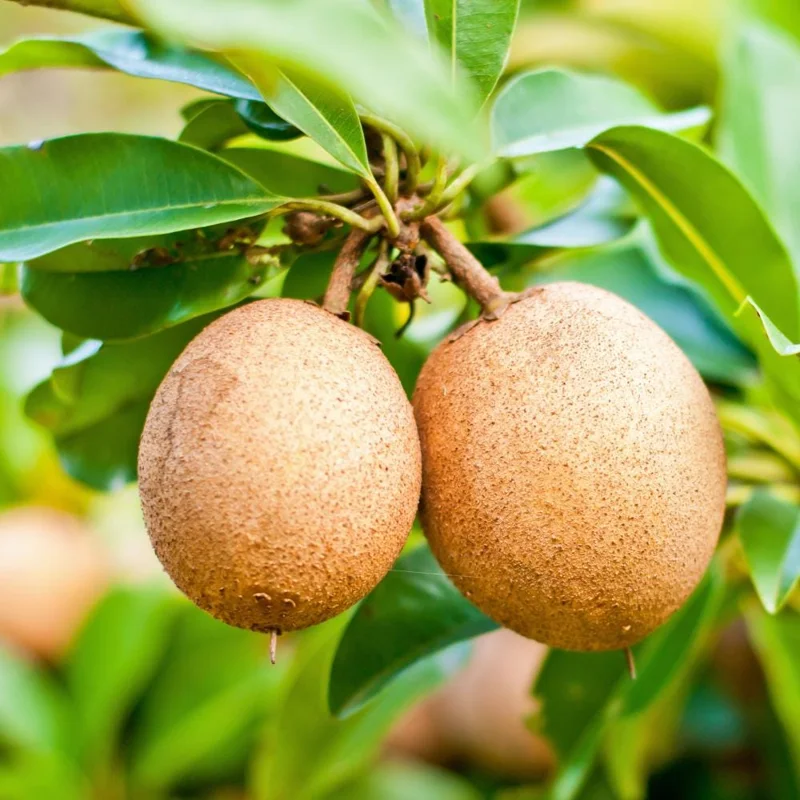
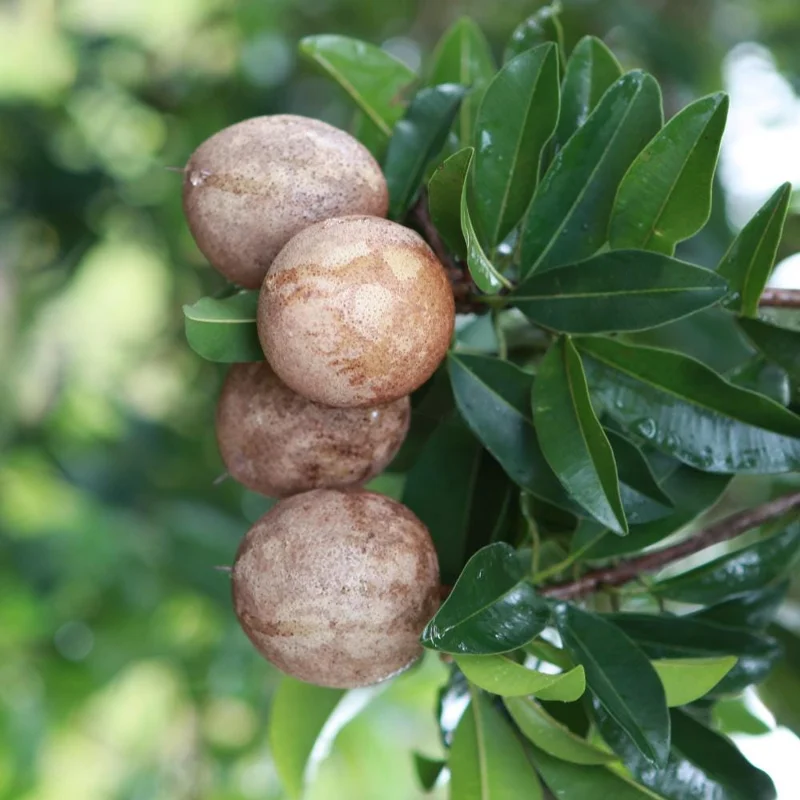
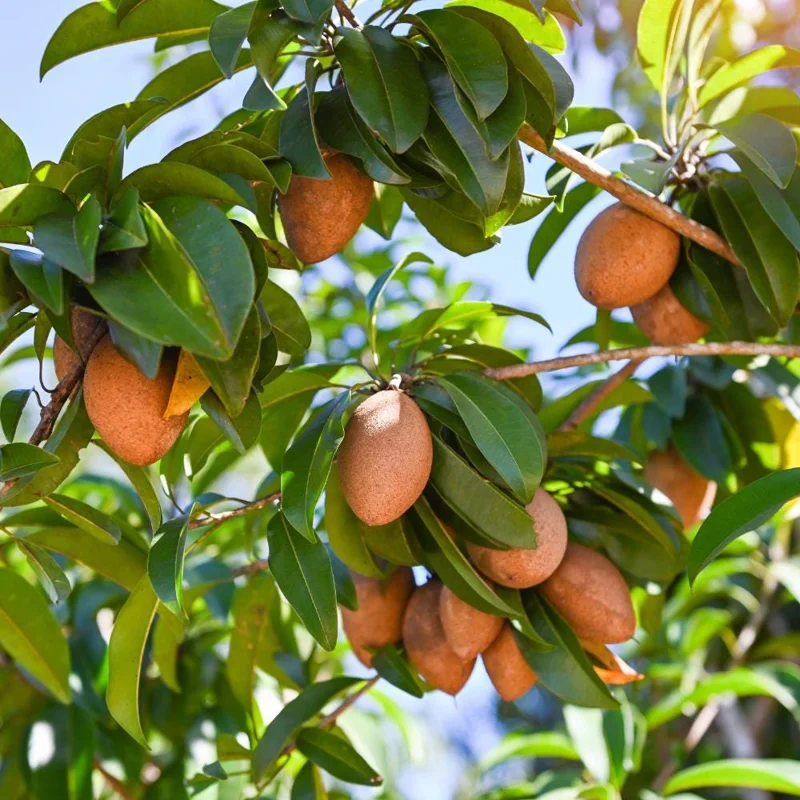
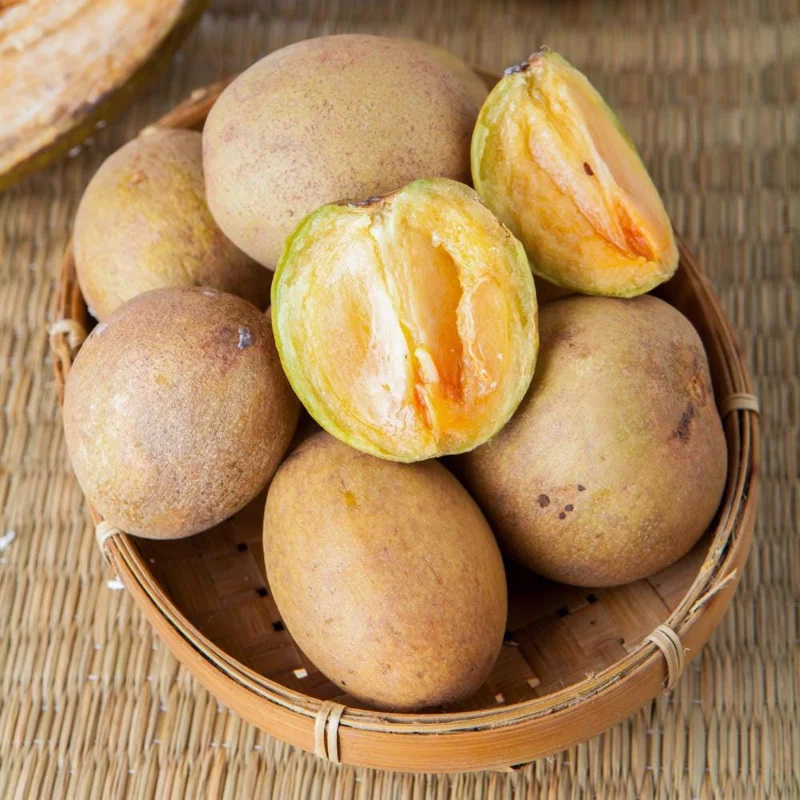
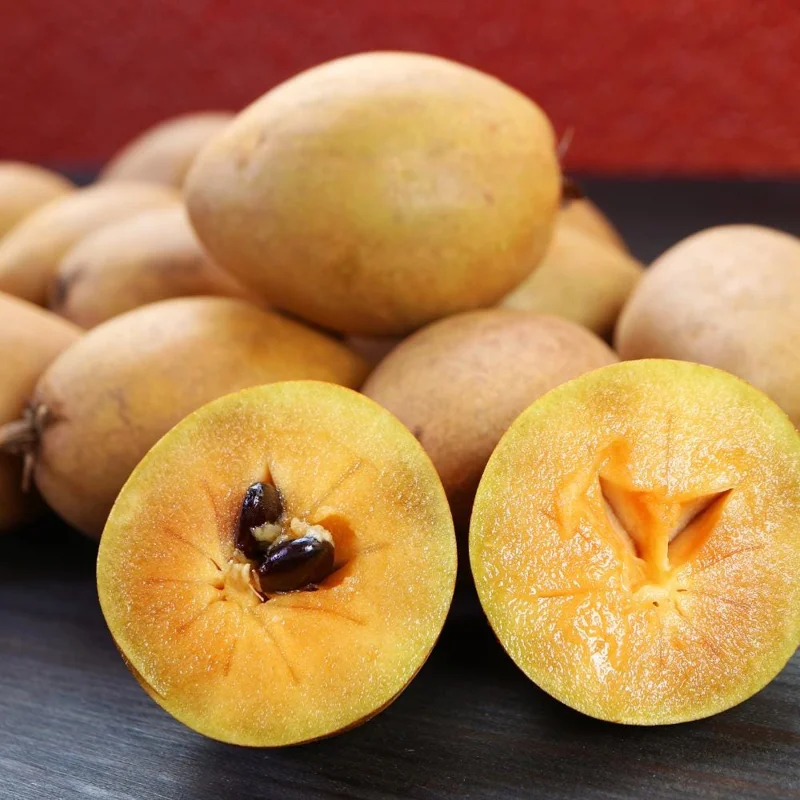
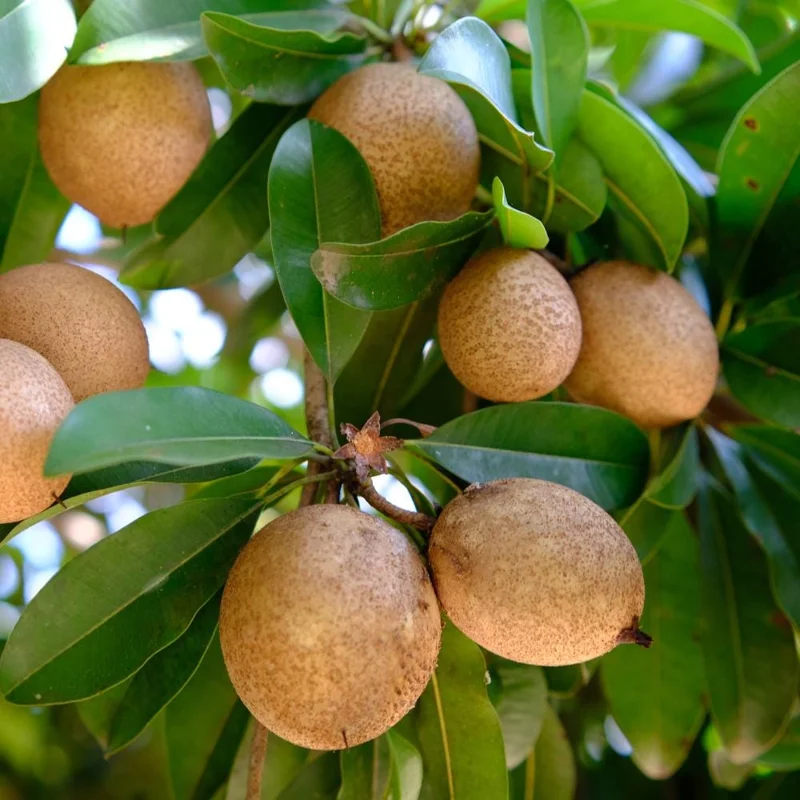
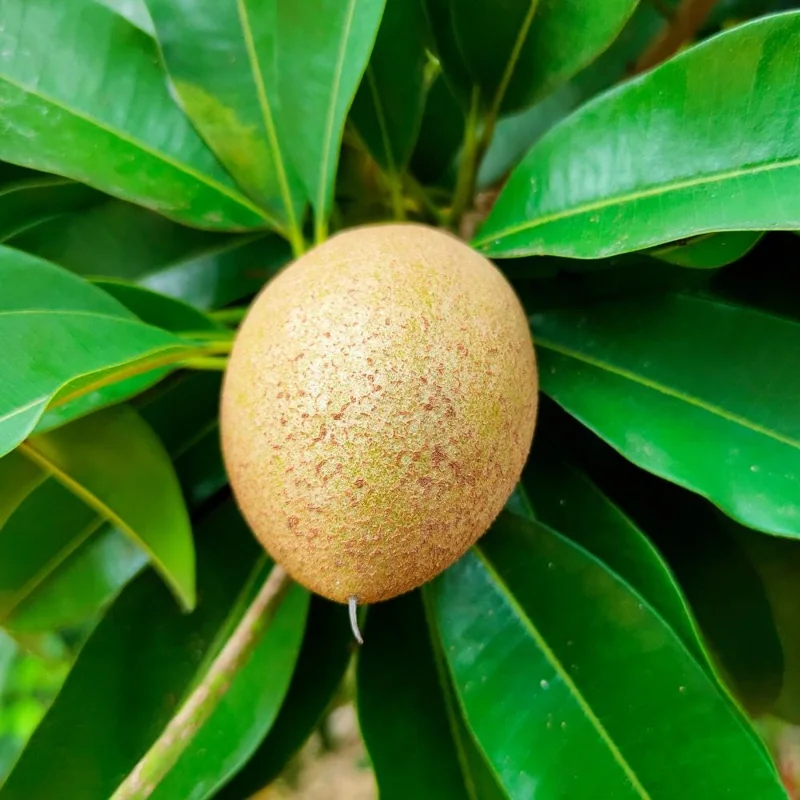
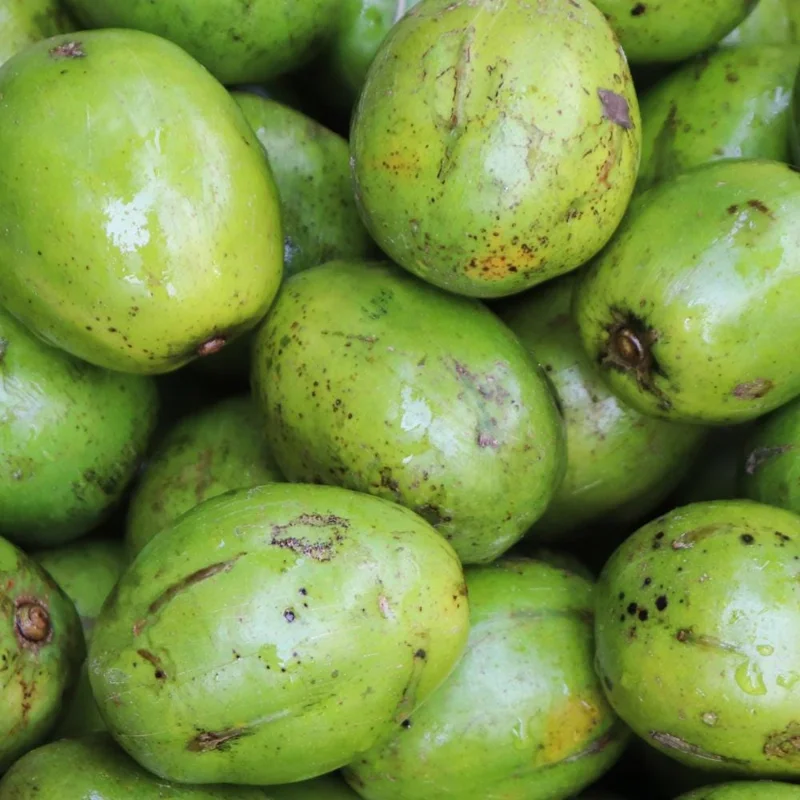
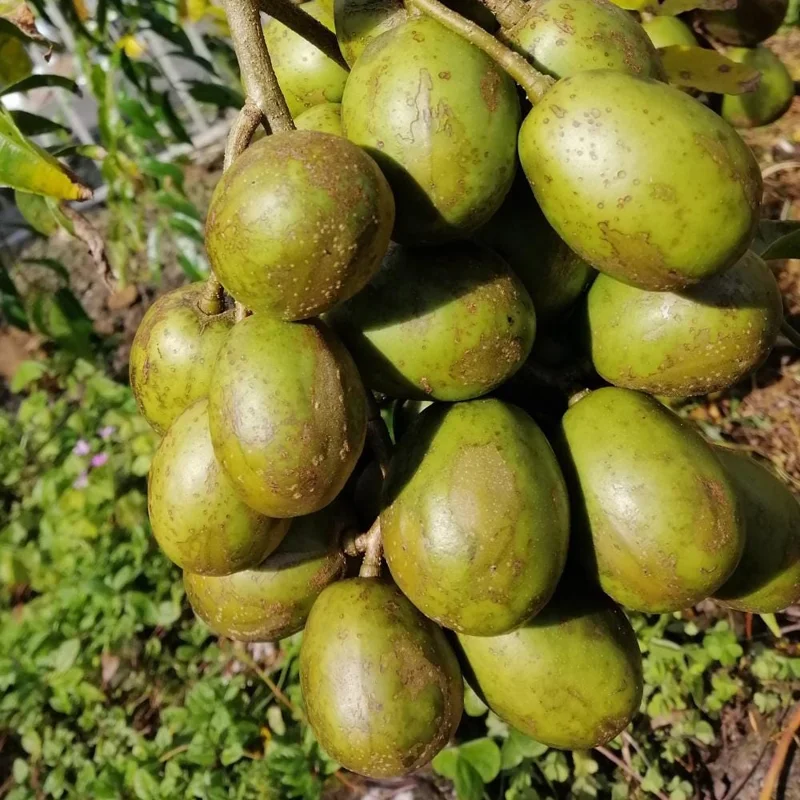
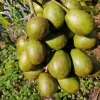
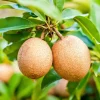
- Delicious Edible Fruit: The primary benefit is undoubtedly the production of sweet sapodilla fruit. The fruit is round or oval with a thin, brown skin, and its interior is soft, juicy, and incredibly sweet, often described as having notes of brown sugar and pear.
- Year-Round Foliage: The tree boasts attractive dark green, oval leaves that grow in clusters and remain evergreen, providing continuous visual interest in your garden throughout the year.
- Tropical Garden Appeal: Its lush, tropical appearance instantly enhances the exotic feel of any outdoor space, creating a serene and vibrant atmosphere.
- Unique Culinary Ingredient: Beyond fresh eating, the fruit can be used in desserts, smoothies, shakes, and jams, offering a versatile ingredient for culinary experimentation. Learning how to grow sapodilla tree opens up a world of unique recipes.
- Moderate Maintenance: Once established, the sapodilla tree has moderate water needs and is relatively easy to care for, making it suitable for gardeners looking for a rewarding yet manageable fruit tree.
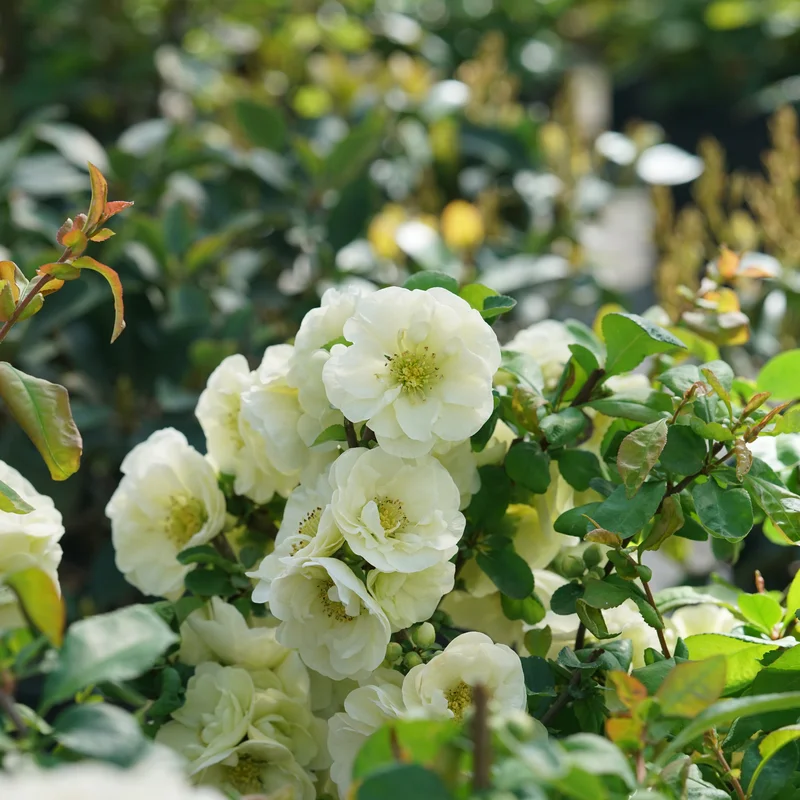
- Small, Charming Flowers: The tree produces small, white, bell-shaped flowers that, while not showy, add a subtle charm and are a precursor to the delicious fruit.
- Long-Term Investment: As a slow-growing, long-lived tree, a sapodilla live tree is a long-term investment that will provide bountiful harvests and beauty for many years.
Plant Care & Growing Tips
Successful cultivation of your sapodilla live tree requires attention to its specific needs, particularly concerning light, water, and climate. This tropical fruit tree thrives in conditions that mimic its native environment. For optimal growth and fruit production, ensure your tree receives ample sunlight. It needs full sun exposure, meaning at least 6-8 hours of direct sunlight per day. In USDA Zones 10-11, it can be grown outdoors year-round. If you are in a cooler climate, consider growing it in a large container that can be moved indoors during colder months, or provide winter protection.
When it comes to watering, the sapodilla has moderate needs. While mature trees can tolerate some dry spells, young trees and fruiting trees require consistent moisture. Water regularly, ensuring the soil remains evenly moist but not waterlogged. Good drainage is crucial to prevent root rot. A well-draining soil mix, possibly amended with organic matter, is ideal. The tree prefers a slightly acidic to neutral soil pH. Fertilize your sapodilla live tree with a balanced slow-release fertilizer during the growing season, reducing frequency in cooler months. Watch out for common pests like scale insects or mealybugs, and treat promptly with horticultural oil or insecticidal soap. Understanding sapodilla plant care is key to a thriving tree.
Pruning is generally minimal for sapodilla trees, mainly for shaping and removing dead or diseased branches. Avoid heavy pruning as it can reduce fruit production. Protect young trees from strong winds, which can damage tender new growth. While learning to grow sapodilla tree, remember that patience is a virtue, as this slow-growing tree will reward your efforts with its unique and delicious fruit. Providing consistent care will ensure your tree remains healthy and productive for years to come. For those looking to enjoy sweet sapodilla fruit, diligent care will pay off handsomely.
Size & Details
This sapodilla live tree is supplied in a half-gallon pot, providing a well-established root system ready for transplanting into a larger container or directly into the ground in appropriate climates. While a slow-growing species, in home gardens, it typically reaches a mature height of 15 to 20 feet, though it can grow up to 30 to 50 feet in ideal conditions. The tree will arrive with healthy, dark green foliage, indicative of its evergreen nature. Expect the tree to begin producing fruit within a few years of planting, depending on its age upon arrival and growing conditions.
It’s important to note that the sapodilla tree is a truly tropical fruit tree, best suited for outdoor cultivation in warmer regions (USDA Zones 10-11). In cooler zones, it can be grown as a patio plant, brought indoors during winter, or cultivated in a greenhouse. The moderate size makes it suitable for various garden layouts, and its attractive form adds year-round interest. This tropical fruit tree is a fantastic choice for those seeking to expand their edible landscape.
Frequently Asked Questions
- Q: How big does this sapodilla live tree get? A: In home garden settings, a sapodilla live tree typically grows to a mature height of 15 to 20 feet. In optimal tropical conditions, it can reach 30 to 50 feet, but it is a slow-growing tree.
- Q: What size pot does it come in? A: This sapodilla live tree is shipped in a half-gallon pot, providing a good head start for its root development. You will need to transplant it into a larger container or directly into the ground upon arrival.
- Q: Is this an indoor or outdoor plant? A: The sapodilla is a tropical tree best suited for outdoor planting in USDA Zones 10-11. In cooler climates, it can be grown in containers and moved indoors during colder periods.
- Q: How much sunlight does it need? A: This tree requires full sun, meaning at least 6-8 hours of direct sunlight daily, to thrive and produce sweet sapodilla fruit.
- Q: Is this plant easy to care for? A: Once established, the sapodilla tree has moderate care needs. It requires regular watering when young or fruiting, and protection from frost, but is generally low maintenance otherwise. Good sapodilla plant care is straightforward.
- Q: What condition will it arrive in? A: Your sapodilla live tree will arrive as a healthy, live plant in its half-gallon nursery pot, carefully packaged to ensure its safe journey.
- Q: How long until it produces fruit? A: Depending on the age of the tree upon arrival and your specific growing conditions, you can expect your sapodilla live tree to start producing fruit within a few years of planting.
- Q: What’s the minimum temperature this tropical fruit tree can tolerate? A: As a tropical plant, the sapodilla tree is sensitive to cold. It thrives in warm climates and should be protected from temperatures below freezing (32°F or 0°C).
- Q: Can I grow sapodilla in a large pot on my patio? A: Yes, you can successfully grow sapodilla tree in a large container on a patio, especially if you live outside its ideal USDA Zones, allowing you to bring it indoors during winter.
- Q: What kind of soil is best for sapodilla? A: The sapodilla prefers well-draining soil, ideally a loamy or sandy loam mix with good organic content. Good drainage is crucial for its root health.



Reviews
There are no reviews yet.