Overview
Introduce stunning beauty and ecological value to your garden with the Sargent Roselow Crabapple Trees. This offering includes two live, dormant starter plants, each measuring 6-12 inches tall, ready to establish and flourish in your outdoor space. Known botanically as Malus sargentii, the Sargent Roselow Crabapple is a highly prized ornamental tree, celebrated for its spectacular display of white flowers in spring, followed by vibrant, persistent red crabapples that add color through fall and winter. These compact, spreading trees are an excellent choice for adding natural charm and seasonal interest to various landscaping designs, from small gardens to borders and yard focal points. They are shipped without pots, often as bare root or with wrapped roots, which is ideal for successful transplanting and quick establishment, ensuring your new live crabapple plant gets a great start.
The Sargent Roselow Crabapple Trees are a resilient and low-maintenance option for gardeners seeking both aesthetic appeal and wildlife support. Their dense branching habit and attractive foliage provide year-round structure, while the abundant blossoms serve as a vital food source for pollinators like bees and butterflies. Later, the small, bright red fruits become a valuable food source for birds, ensuring your garden remains a lively habitat throughout the colder months. This particular variety, ‘Roselow’, is noted for its exceptional flowering and fruiting characteristics, making it a standout choice among ornamental crabapples.
Key Benefits
Investing in Sargent Roselow Crabapple Trees brings a multitude of advantages to your home garden, enhancing both its beauty and its ecological function. These benefits make it a rewarding addition for any landscape enthusiast:
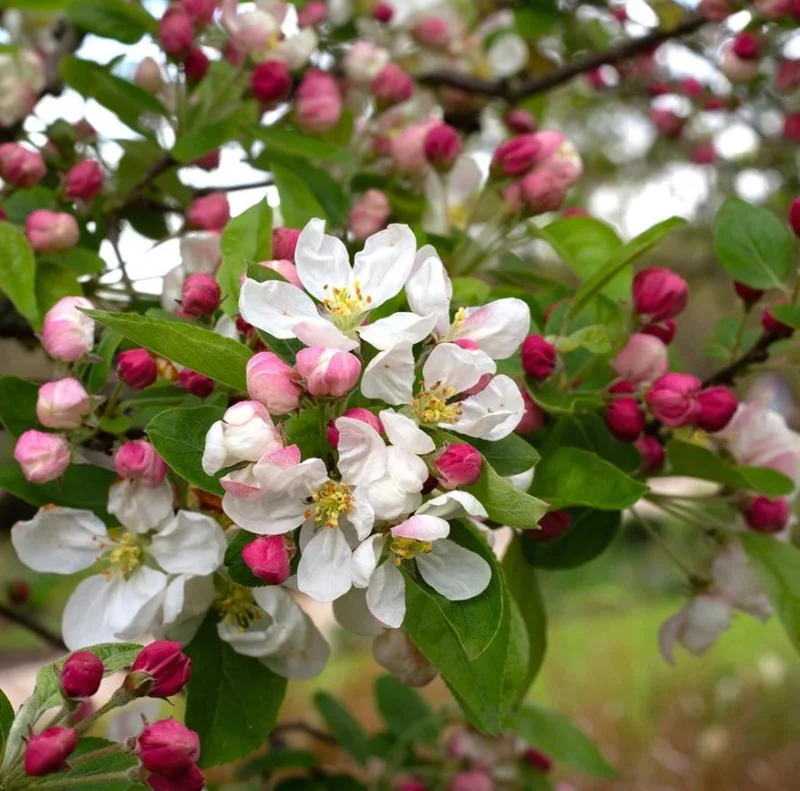
Spectacular Spring Blooms: In early spring, these ornamental crabapple trees burst into a profusion of delicate white flowers, creating an absolutely breathtaking display that signals the arrival of warmer weather. This mass of blossoms is not only visually stunning but also emits a subtle, pleasant fragrance.
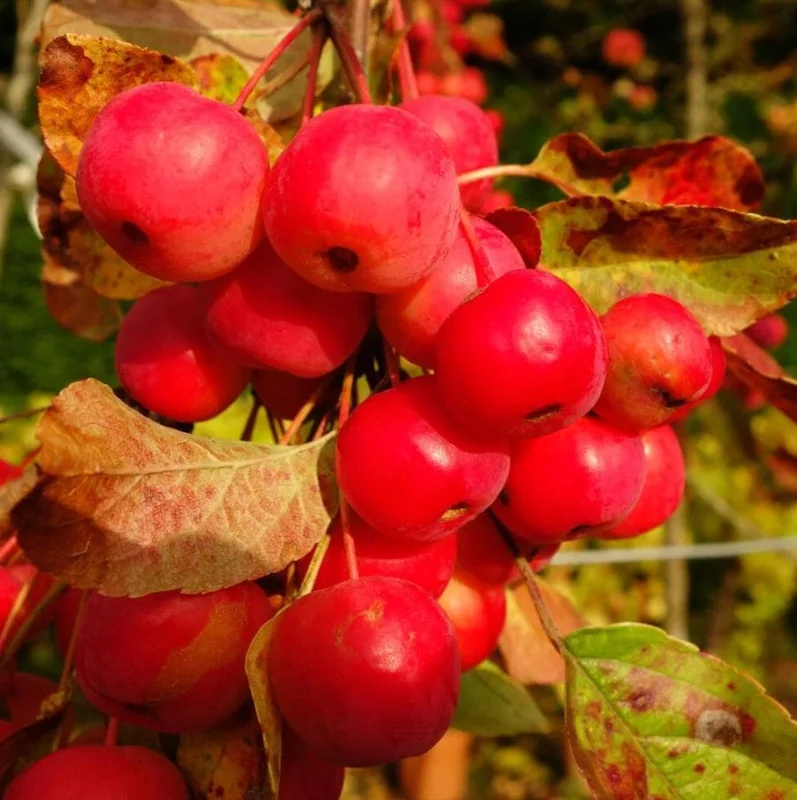
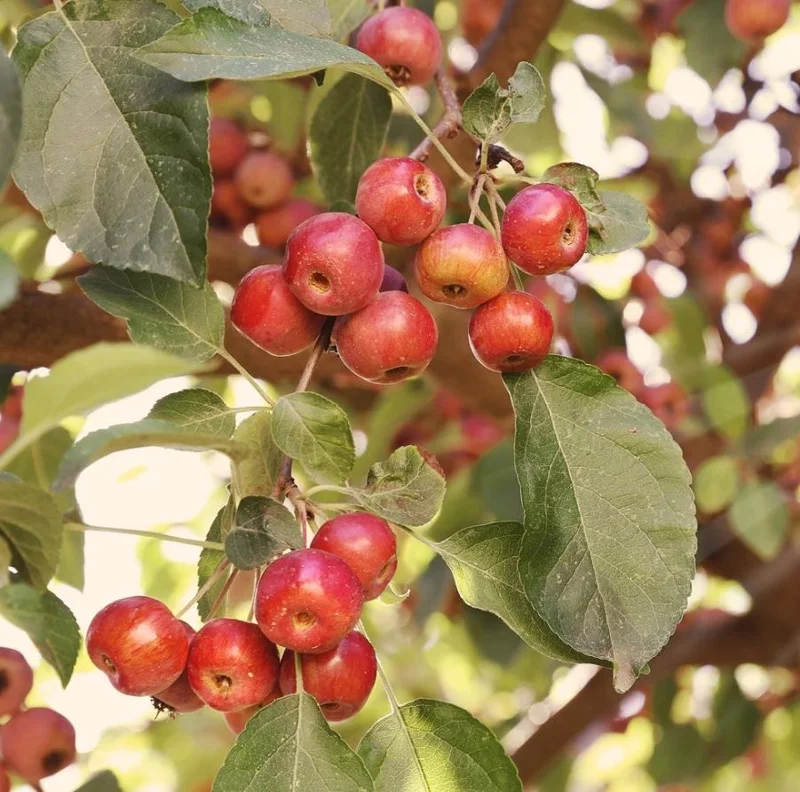
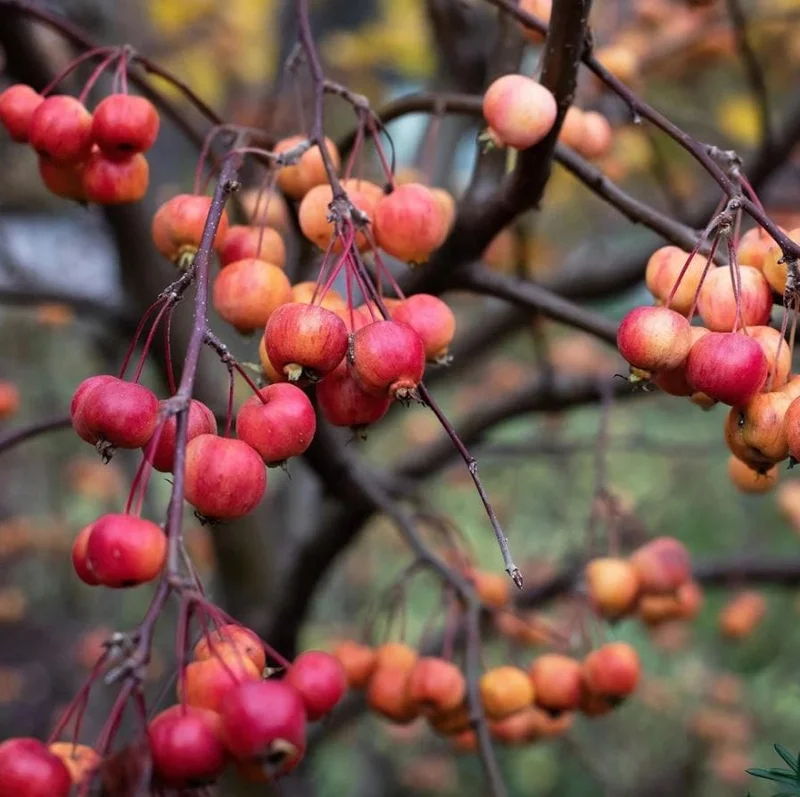
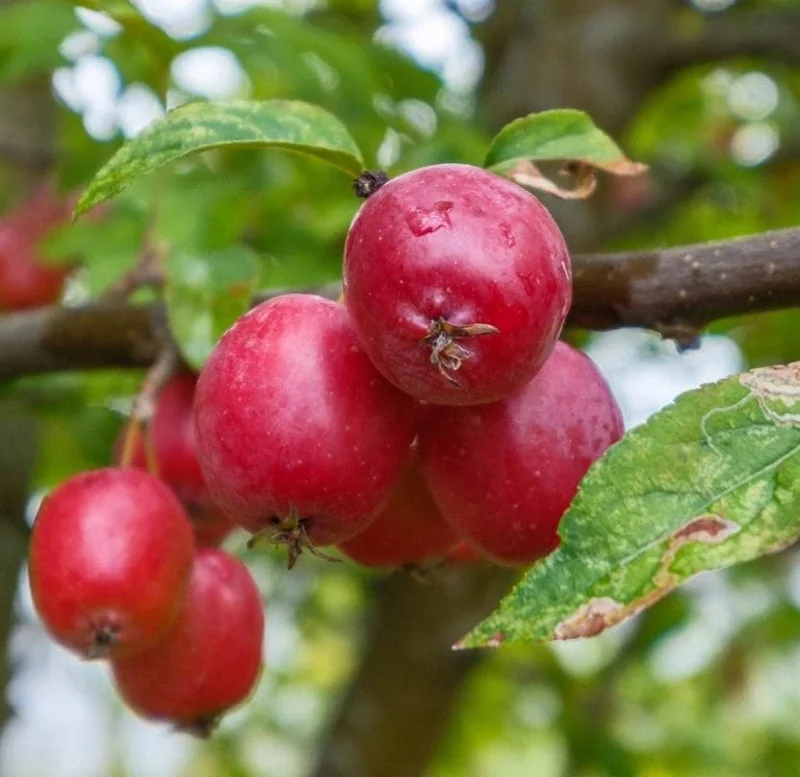
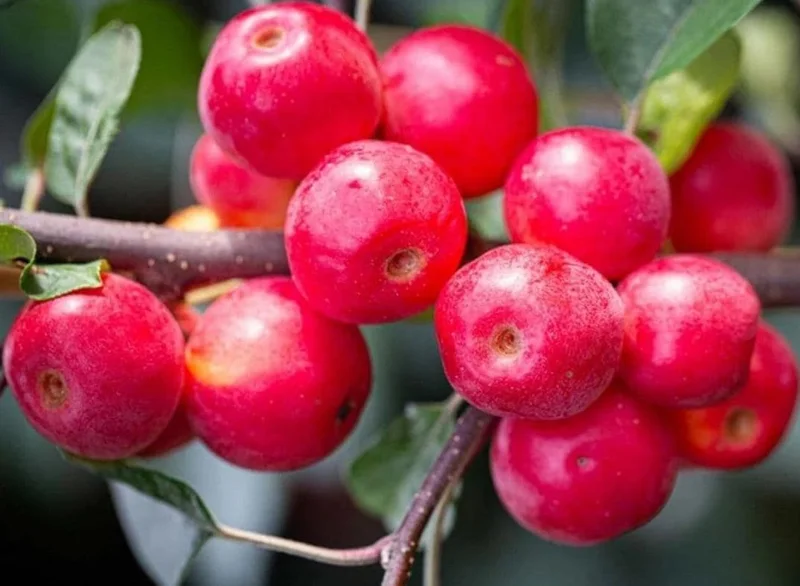
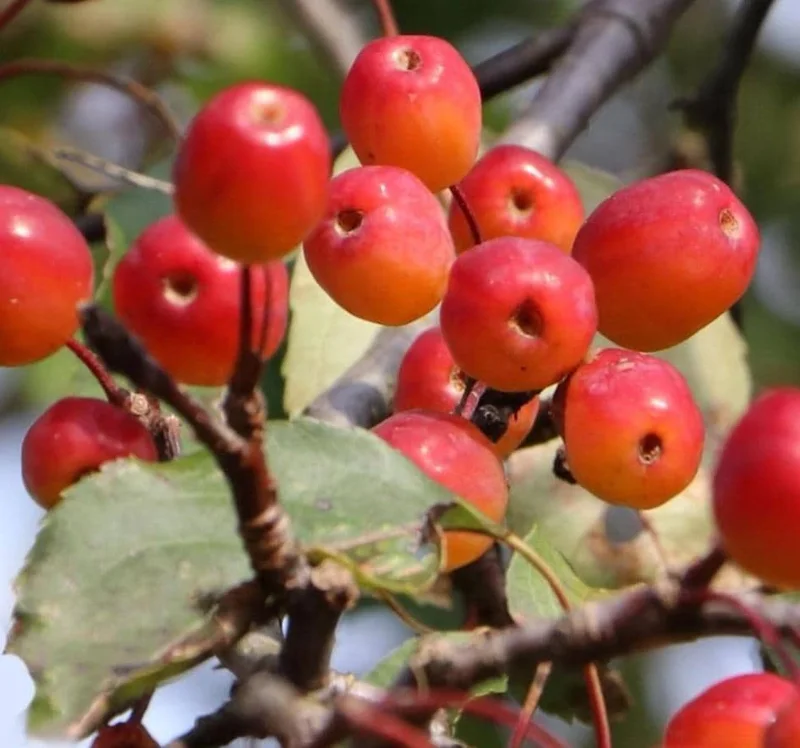
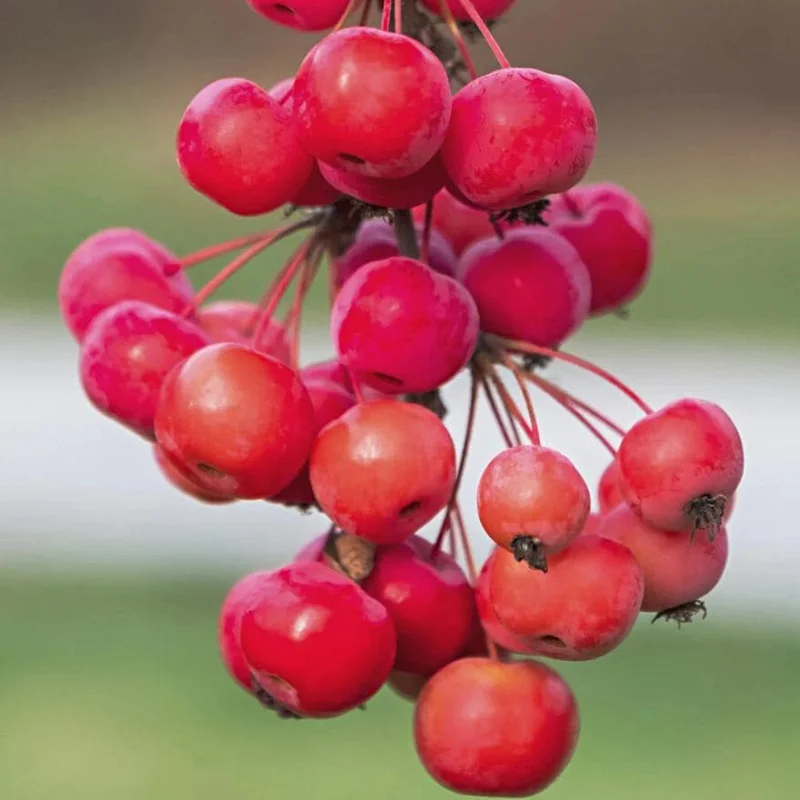
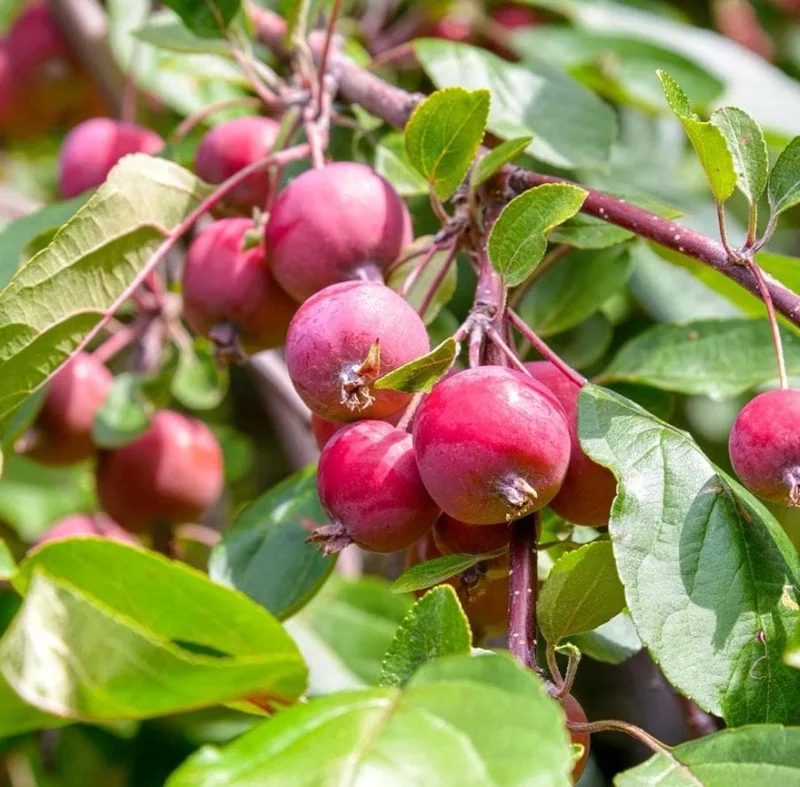
Ornamental Fruit Production: Following the spring flowers, the tree develops small, bright red crabapples that persist well into fall and winter. These fruits provide exceptional ornamental value, adding vibrant color to the dormant landscape and serving as a natural decoration.
Pollinator and Wildlife Attractor: The abundant spring flowers are a magnet for essential pollinators such as bees and butterflies, contributing to local biodiversity. The persistent crabapples also provide a valuable food source for birds during the colder months, making your garden a haven for wildlife.
Compact and Versatile Growth: The Malus sargentii ‘Roselow’ typically forms a compact, spreading shape, making it an ideal choice for smaller gardens, landscape borders, foundation plantings, or as a decorative specimen tree in larger yards. Its manageable size ensures it doesn’t overwhelm the space.
Hardy and Adaptable: These trees are known for their hardiness and ability to thrive in a range of conditions, particularly in USDA Zones 4-8. They are relatively low-maintenance once established, tolerating various soil types as long as they are well-draining.
Year-Round Interest: From the striking spring blossoms and lush green summer foliage to the vibrant fall fruits and interesting winter silhouette, the Sargent Roselow Crabapple Trees offer continuous visual appeal throughout all four seasons, ensuring your garden always has something special to offer.
Plant Care & Growing Tips
Proper crabapple tree care ensures your Sargent Roselow Crabapple Trees thrive and provide years of beauty. These dormant starter trees are relatively easy to establish and maintain, making them suitable for gardeners of various experience levels. The key to success lies in understanding their fundamental requirements for light, water, and soil.
For optimal growth, plant your Malus sargentii in a location that receives full sun, meaning at least 6 hours of direct sunlight per day. Adequate sunlight is crucial for maximizing flower and fruit production. The tree prefers well-drained soil; while it can tolerate various soil types, avoid heavy, waterlogged conditions, which can lead to root issues. Incorporating organic matter into the planting hole can improve drainage and fertility. Ensure the planting site allows for its mature spread, as this is a compact but spreading tree. When planting the dormant trees, dig a hole twice as wide as the root ball and just as deep, ensuring the root flare is level with or slightly above the soil surface. Backfill with soil, gently tamp down to remove air pockets, and water thoroughly.
Watering is critical during the establishment phase, typically the first year after planting. Keep the soil consistently moist but not soggy, watering deeply once or twice a week, especially during dry periods. Once established, the ornamental crabapple is more drought-tolerant but will benefit from supplemental watering during extended dry spells. Fertilize in early spring with a balanced, slow-release granular fertilizer formulated for trees and shrubs. Pruning should be done in late winter or early spring while the tree is dormant to remove any dead, diseased, or crossing branches, and to maintain its desired shape. Regular monitoring for common pests and diseases, and addressing them promptly, will help ensure the long-term health of your live crabapple plant.
Size & Details
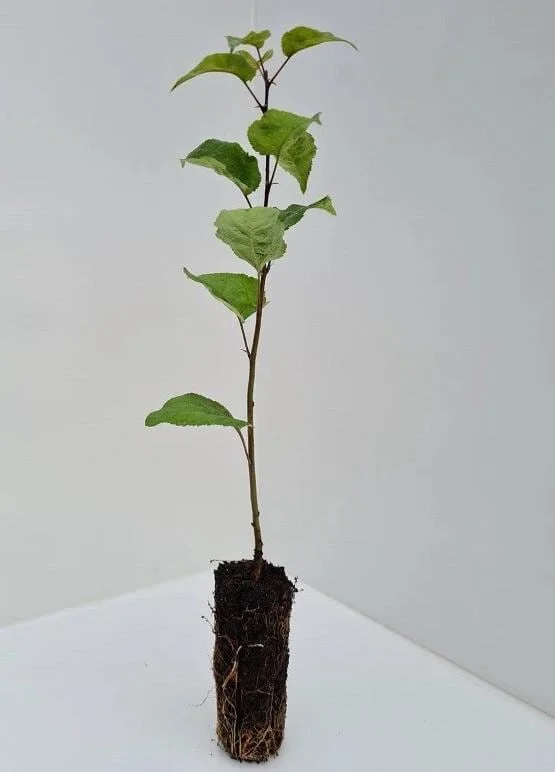
Each order includes two Sargent Roselow Crabapple Trees live plants, provided as dormant starter trees. These young trees typically measure between 6 and 12 inches in height upon arrival, offering a robust foundation for growth. They are carefully shipped without pots, often as bare root or with their roots carefully wrapped to protect them during transit and facilitate easy transplanting. This method ensures the plants arrive in optimum condition for establishment in your garden.
The Malus sargentii ‘Roselow’ is known for its compact and spreading growth habit. While mature heights can vary based on growing conditions and pruning, these trees generally reach a height of 6-10 feet with a similar spread, making them an excellent choice for various landscape applications. They are relatively fast-growing once established, quickly developing into a beautiful ornamental feature. Expect the first significant blooms and fruit production within a few years of planting, provided they receive appropriate care and growing conditions.
Frequently Asked Questions
Q: How big does this Sargent Roselow Crabapple Tree get? A: The Sargent Roselow Crabapple Trees typically grow to a compact height of 6-10 feet with a similar spread at maturity, making them suitable for smaller gardens and landscape borders.
Q: What condition will the live crabapple plant arrive in? A: Your live crabapple plant will arrive as a dormant starter tree, 6-12 inches tall, shipped without a pot (bare root or with wrapped roots) to ensure safe transit and easy establishment.
Q: Is this an indoor or outdoor plant? A: The Sargent Roselow Crabapple Trees are outdoor ornamental trees, hardy in USDA Zones 4-8, and are not suitable for indoor cultivation.
Q: How much sunlight does the Malus sargentii need? A: This Malus sargentii thrives in full sun, requiring at least 6 hours of direct sunlight per day for the best flowering and fruiting performance.
Q: Is this crabapple tree care intensive? A: No, crabapple tree care for the Sargent Roselow variety is relatively low-maintenance once established, requiring well-drained soil, full sun, and occasional watering during dry periods.
Q: When is the best time to plant these dormant trees? A: Dormant trees are best planted in early spring or late fall when the weather is cool and the trees are not actively growing, allowing them to establish roots before extreme temperatures.
Q: Will the crabapples attract birds to my garden? A: Yes, the small, bright red crabapples produced by the Sargent Roselow Crabapple Trees are a popular food source for birds, especially during the fall and winter months.
Q: What type of soil is best for this ornamental crabapple? A: This ornamental crabapple prefers well-drained soil. While it can adapt to various soil types, good drainage is crucial to prevent root issues.
Q: How long until it blooms? A: These starter trees typically begin to produce significant blooms and fruit within 2-3 years after planting, depending on growing conditions and care.
Q: Can I grow this tree in a container? A: While possible for a short period, the Sargent Roselow Crabapple Trees are best suited for planting directly in the ground to allow for their mature root development and overall growth.







Reviews
There are no reviews yet.