Overview
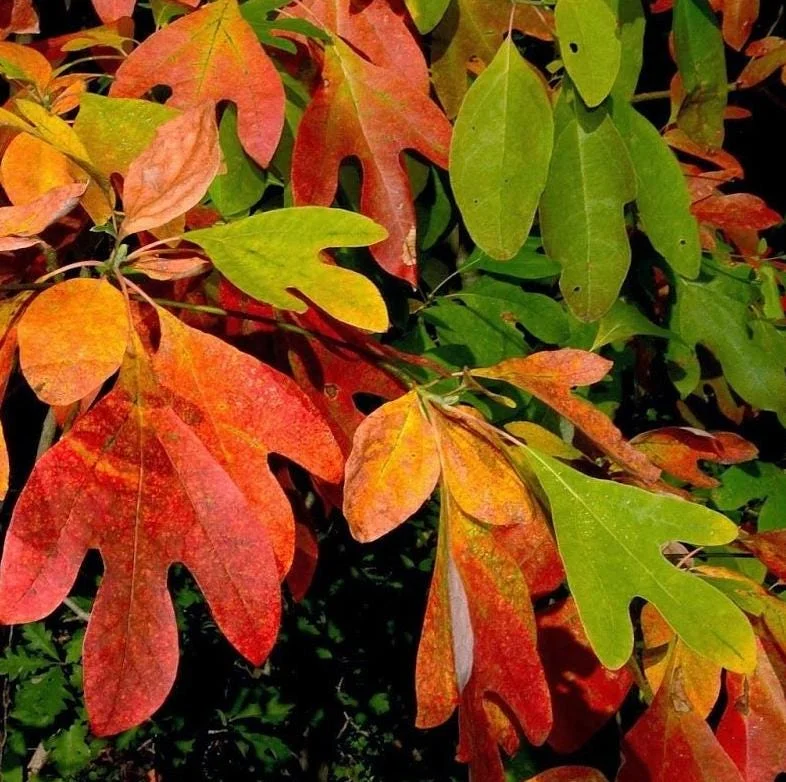
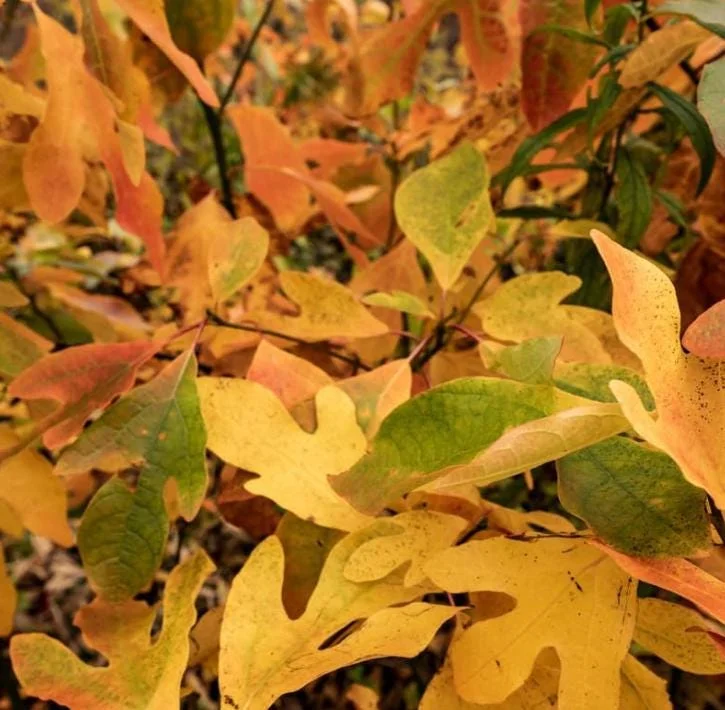
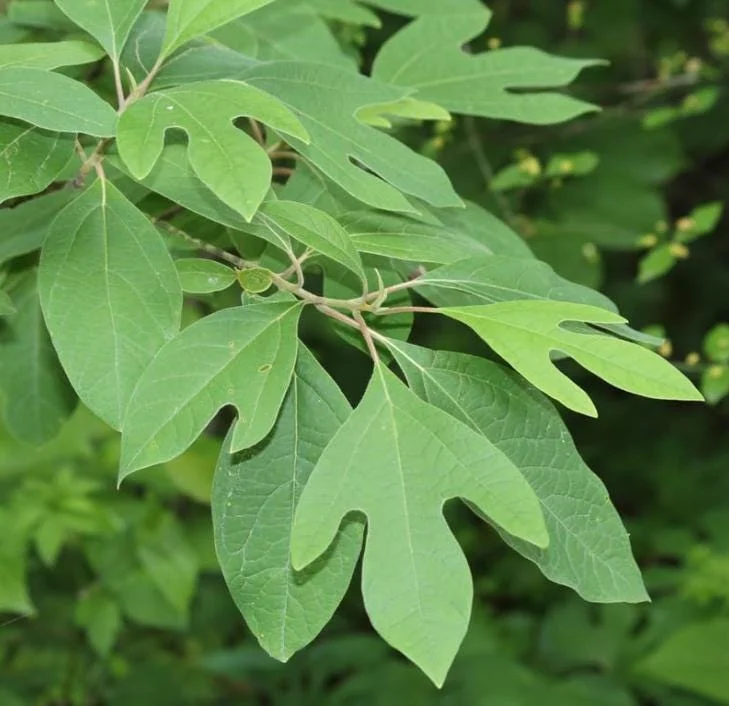
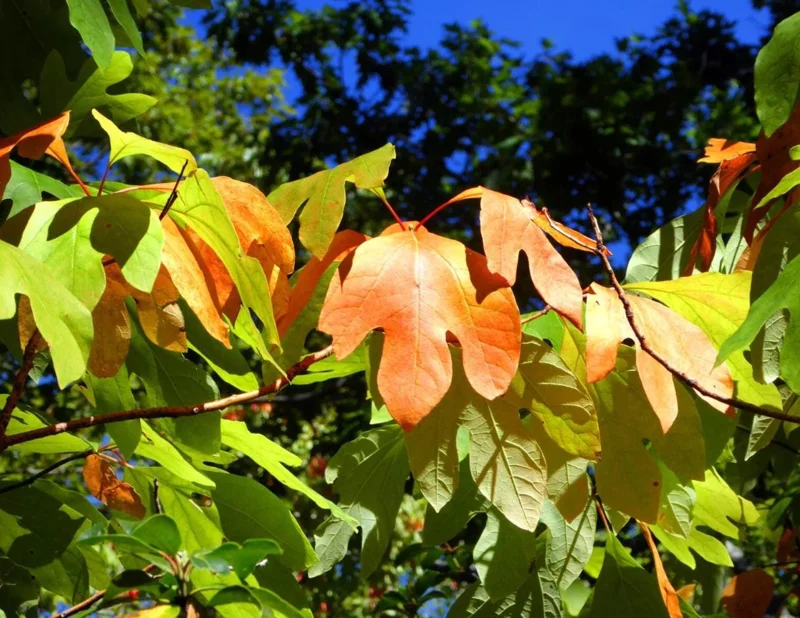
Introduce the majestic sassafras bare roots to your landscape, a captivating native tree renowned for its unique leaves, aromatic bark, and brilliant autumn display. This offering includes a set of two 12-18 inch tall bare roots, ready for planting and establishment as a robust shade tree in your garden. Sassafras (Sassafras albidum) is a deciduous tree native to eastern North America, cherished for its distinctive mitten-shaped leaves, which transform into stunning shades of gold, orange, and red in the fall. Beyond its ornamental appeal, the sassafras is a vital part of its ecosystem, providing food and shelter for various wildlife. As a low-maintenance, drought-tolerant plant once established, it’s an excellent choice for gardeners looking to add a touch of natural beauty and ecological value to their outdoor spaces. These sassafras bare roots are dormant, ensuring a strong start when planted.
The sassafras tree is a fantastic addition for those seeking a hardy, resilient, and visually appealing specimen. It thrives in a variety of conditions and is particularly noted for its ability to grow into a substantial shade tree, offering comfort during warmer months. Its adaptability and striking seasonal changes make it a focal point in any garden, promising years of natural splendor. When you plant these sassafras bare roots, you’re not just planting a tree; you’re cultivating a piece of natural heritage.
Key Benefits
Discover the numerous advantages of incorporating sassafras bare roots into your garden. This native tree offers more than just aesthetic appeal, providing a range of environmental and practical benefits that enhance any outdoor setting.
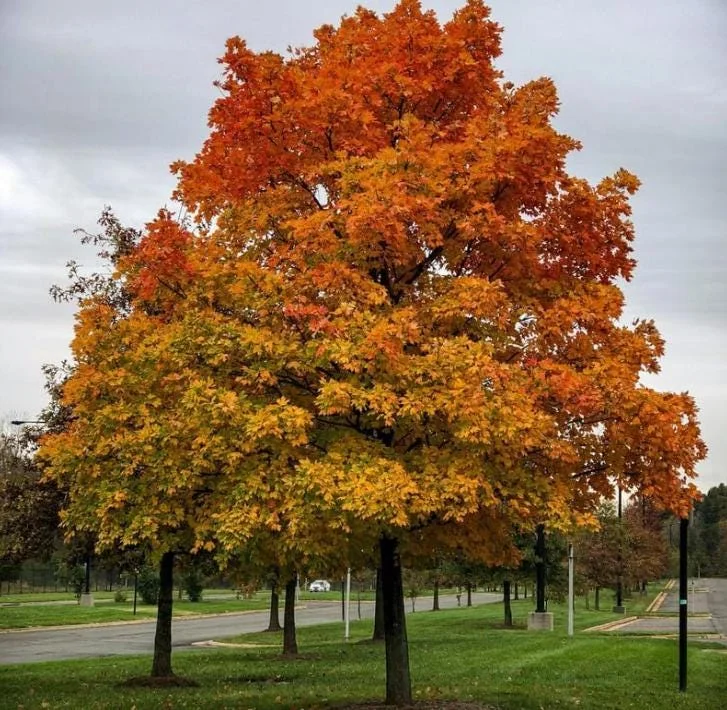
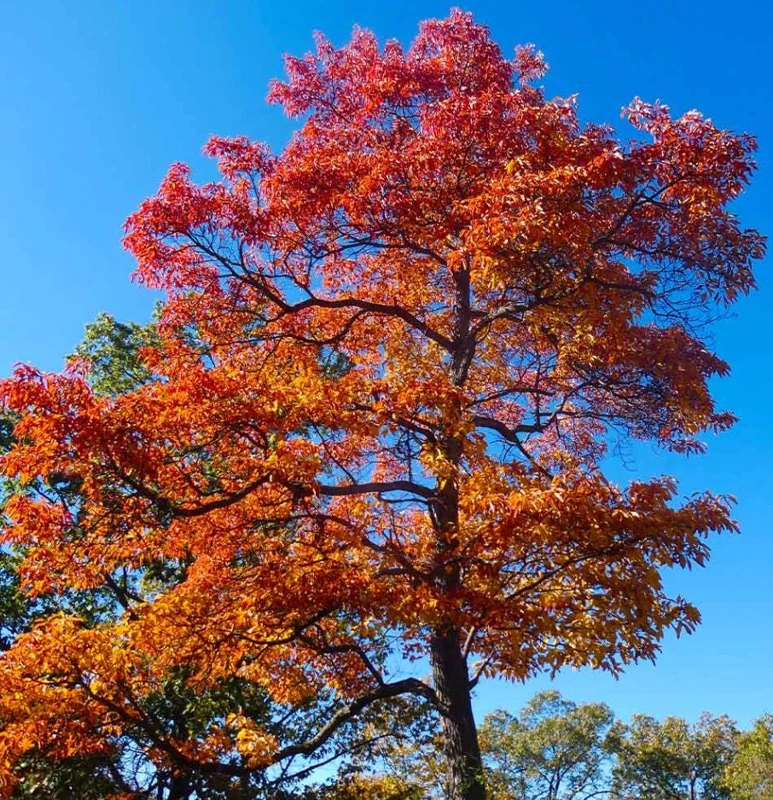
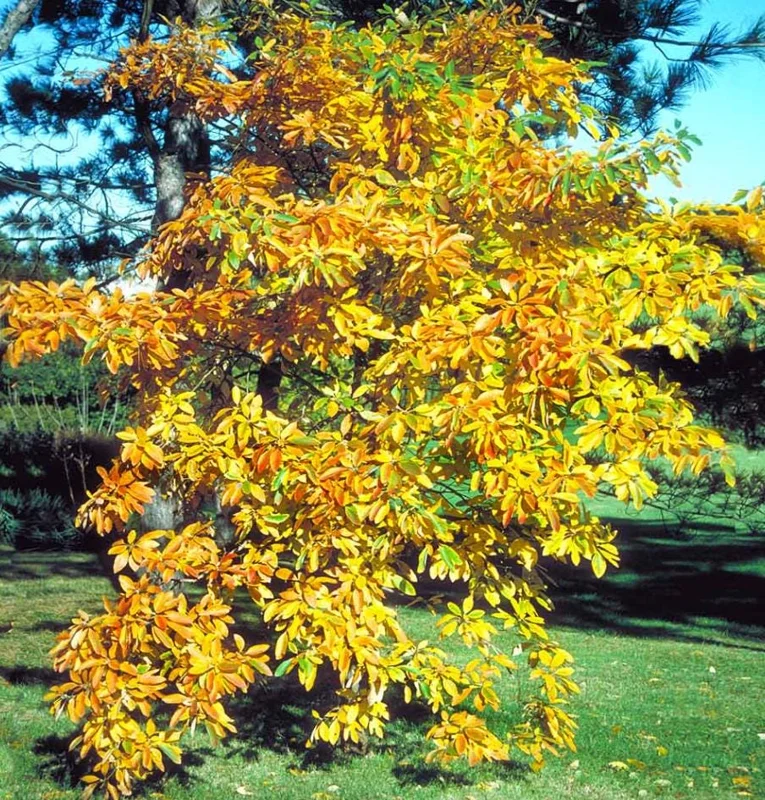
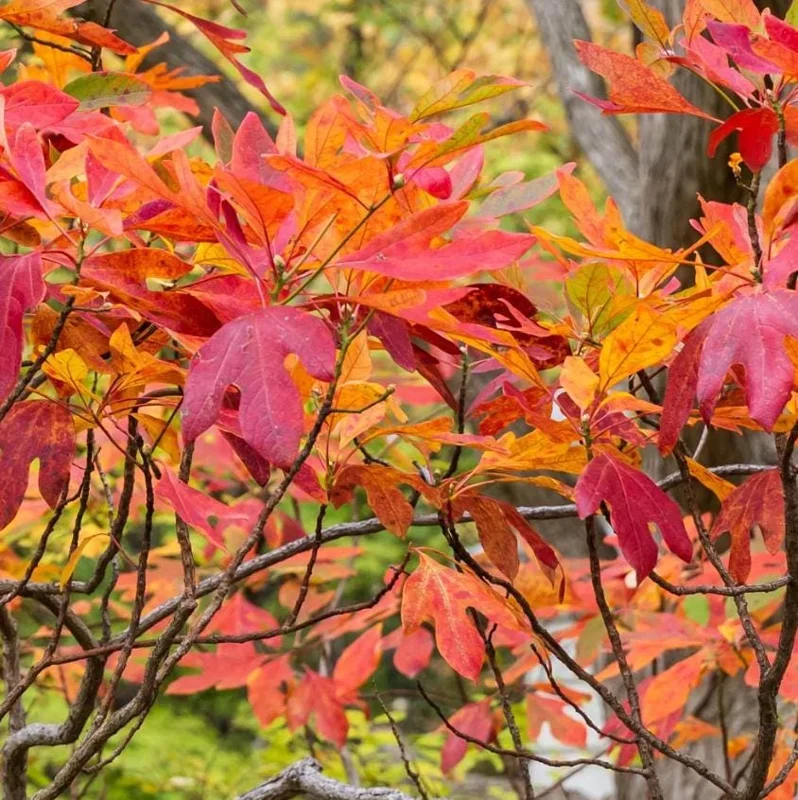
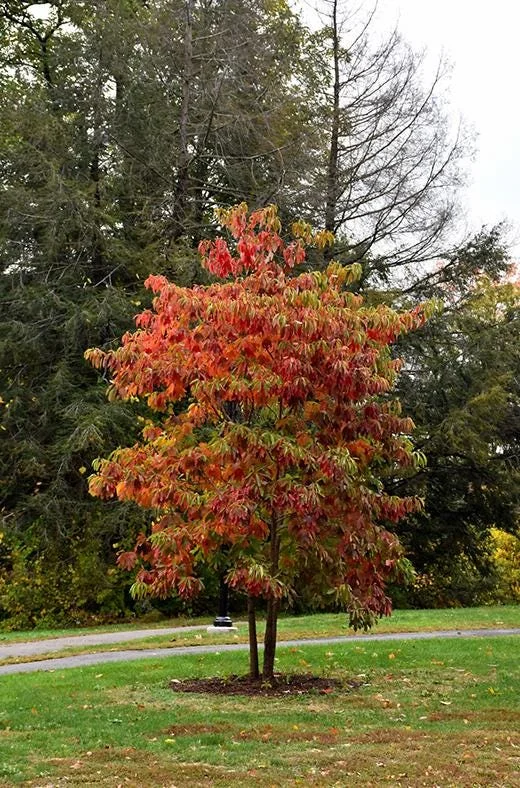
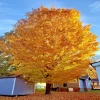
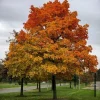
- Stunning Fall Foliage: Experience a spectacular autumn show as the leaves of your sassafras tree transition from green to brilliant hues of gold, orange, and red, creating a vibrant focal point in your landscape.
- Hardy & Drought-Tolerant: Once established, the sassafras is remarkably resilient, tolerating periods of drought and a wide range of growing conditions, making it a low-maintenance choice for busy gardeners.
- Ecological Value: Provide essential habitat and food for local wildlife, including birds and butterflies, contributing to a healthier and more diverse ecosystem in your backyard.
- Unique Aromatic Qualities: The bark, leaves, and roots of the sassafras tree possess a distinctive, pleasant aroma, adding a sensory dimension to your garden experience. This contributes to the overall appeal of sassafras plant live specimens.
- Natural Shade Provider: Grow a beautiful, tall shade tree that offers welcome relief from the summer sun, perfect for creating comfortable outdoor living spaces.
- Adaptable Growth: While preferring full sun to partial shade, the sassafras can adapt to various light conditions and soil types, though it thrives best in well-drained, acidic soil.
- Easy to Establish: Planting sassafras bare roots is an effective way to establish this beautiful tree, allowing for robust root development and healthy growth from the start.
Plant Care & Growing Tips
Caring for your sassafras bare roots is straightforward, especially once the tree is established. To ensure a successful start, plant your sassafras in well-drained, sandy or loamy, slightly acidic soil. While it tolerates poor soils, avoid heavy clay or areas with prolonged wetness. The ideal location offers full sun to partial shade; while it grows well as an understory tree, its vibrant fall colors are best expressed when it receives ample sunlight. Dig a hole wide enough to spread the roots comfortably and deep enough so the root collar is at soil level. Backfill with soil, gently tamping down to remove air pockets, and water thoroughly.
For young trees, consistent watering is crucial. Water weekly until the tree is well-established, typically for the first one to two growing seasons. Once mature, the sassafras becomes quite drought-tolerant, requiring less frequent irrigation. Fertilization is generally not necessary, especially in good soil, but a balanced, slow-release fertilizer can be applied in early spring if growth appears slow. Pruning should focus on maintaining a single-trunk form if desired, as sassafras tends to spread via suckers. Remove these suckers from the base of the tree to encourage upward growth. The sassafras tree care routine is minimal, making it an excellent choice for a native, resilient landscape.
Sassafras is hardy in USDA Zones 4–9, tolerating cold temperatures down to -25°F. Ideal growing temperatures range from 55–85°F, and it prefers moderate humidity. Keep an eye out for common pests and diseases, though sassafras is generally robust. Good air circulation and proper planting techniques will help prevent most issues. Ensuring the correct light and soil conditions will contribute significantly to the health and longevity of your sassafras plant live specimen, allowing it to flourish and provide seasonal beauty for many years.
Size & Details
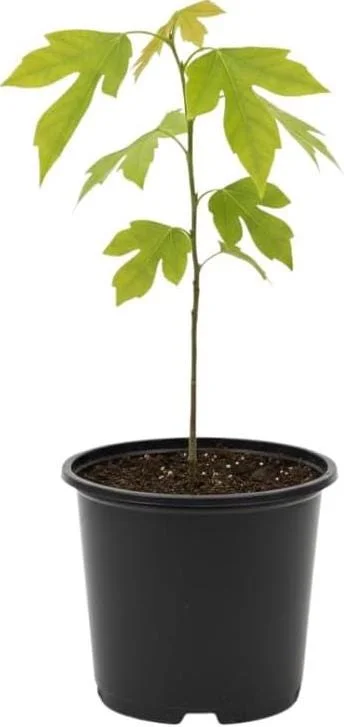
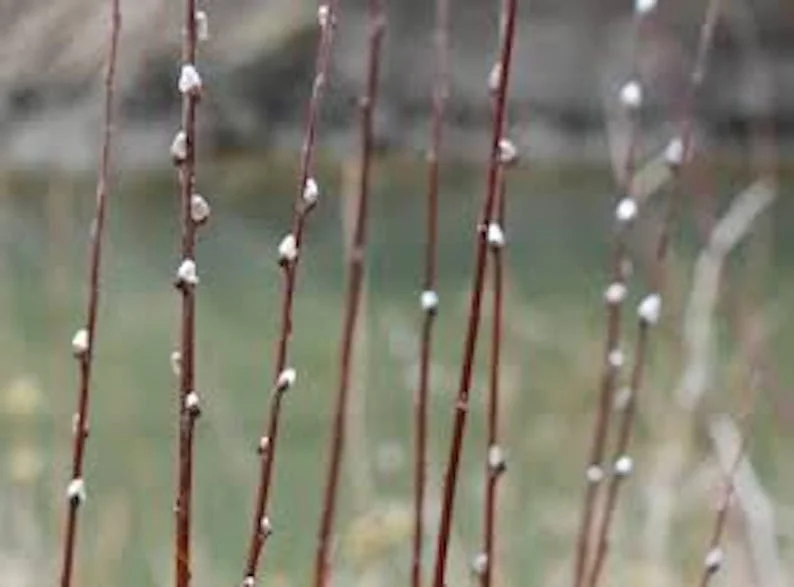
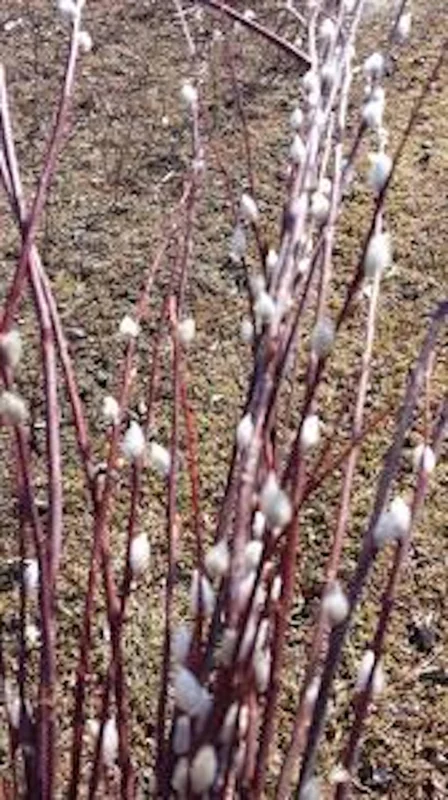
This offering includes a set of two sassafras bare roots, each measuring approximately 12-18 inches tall. These bare roots are shipped dormant, meaning they will not have leaves, especially if ordered between October and April, which is their natural state during the cooler months. This dormant state is optimal for planting and allows the tree to focus its energy on root development once planted. Upon maturity, a sassafras tree can reach an impressive height of 30-60 feet with a spread of 25-40 feet, creating a significant canopy for shade.
The growth rate of sassafras is moderate, and it will gradually develop its characteristic form and fall color intensity over several seasons. Blooming typically occurs in early spring (March–April), with small, yellowish-green flowers appearing before the leaves emerge, adding subtle charm to the early spring landscape. These hardy shade tree specimens are ready to be planted directly into your garden, providing a cost-effective and robust way to establish this beautiful native tree.
Frequently Asked Questions
- Q: How big do these sassafras bare roots get? A: Each bare root plant is 12-18 inches tall upon arrival. Once mature, a sassafras tree can reach an impressive height of 30-60 feet with a spread of 25-40 feet, providing substantial shade.
- Q: Is this an indoor or outdoor plant? A: The sassafras bare roots are intended for outdoor planting. Sassafras is a native deciduous tree that requires outdoor conditions to thrive and grow to its full potential as a shade tree.
- Q: How much sunlight does a sassafras tree need? A: For the best growth and most vibrant fall color, a sassafras tree prefers full sun to partial shade. It can tolerate some shade, but more sun encourages better coloration.
- Q: What condition will the bare roots arrive in? A: If ordered between October and April, your sassafras bare roots will arrive in their natural dormant state, meaning they will not have any leaves. This is normal and ideal for planting.
- Q: Is this plant easy to care for? A: Yes, sassafras is considered a low-maintenance tree. Once established, it is drought-tolerant and generally robust, requiring minimal sassafras tree care.
- Q: When is the best time to plant sassafras bare roots? A: The best time to plant bare roots is typically in late fall after the leaves have dropped or in early spring before new growth begins, when the tree is still dormant.
- Q: Will this tree survive winter in my zone? A: Yes, sassafras is very cold hardy and thrives in USDA Zones 4–9, tolerating temperatures down to -25°F. This makes it a great hardy shade tree for many regions.
- Q: What type of soil does a sassafras prefer? A: Sassafras prefers well-drained, sandy or loamy, slightly acidic soil. While it tolerates poor soils, it does not do well in heavy clay or areas with prolonged wetness.
- Q: How often should I water my young sassafras plant? A: For young sassafras plant live specimens, water weekly until the tree is well-established, typically for the first one to two growing seasons. After that, it becomes drought-tolerant.
- Q: Does sassafras have fragrant parts? A: Yes, the bark, leaves, and roots of the sassafras tree are known for their distinctive and pleasant aromatic qualities, adding another appealing characteristic to this native tree.




Reviews
There are no reviews yet.