Overview
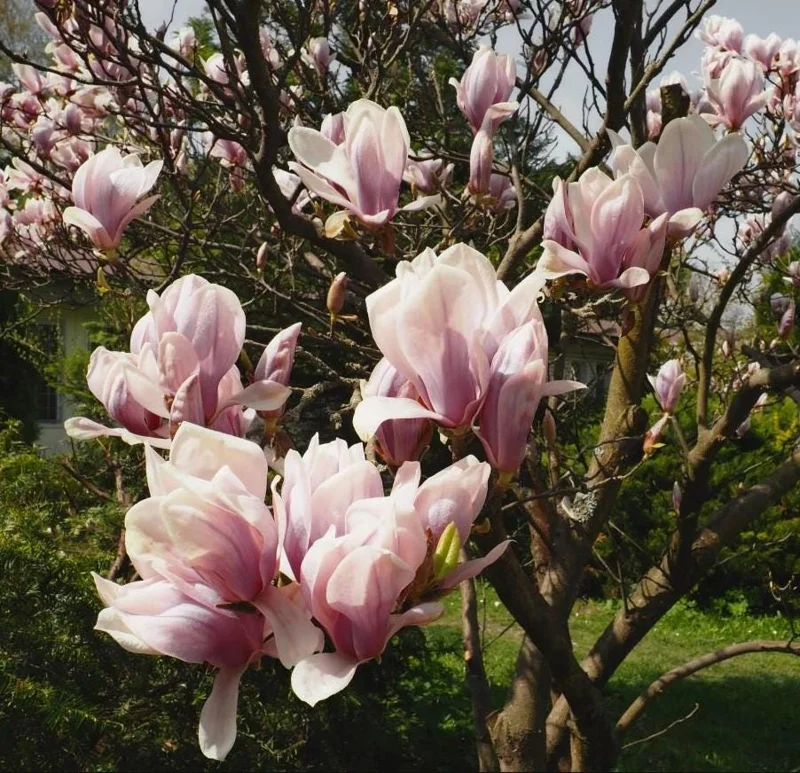
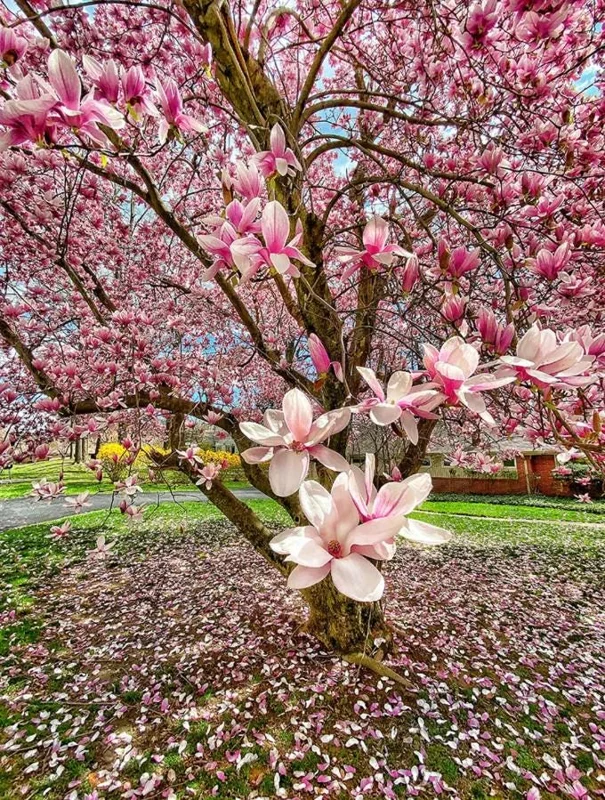
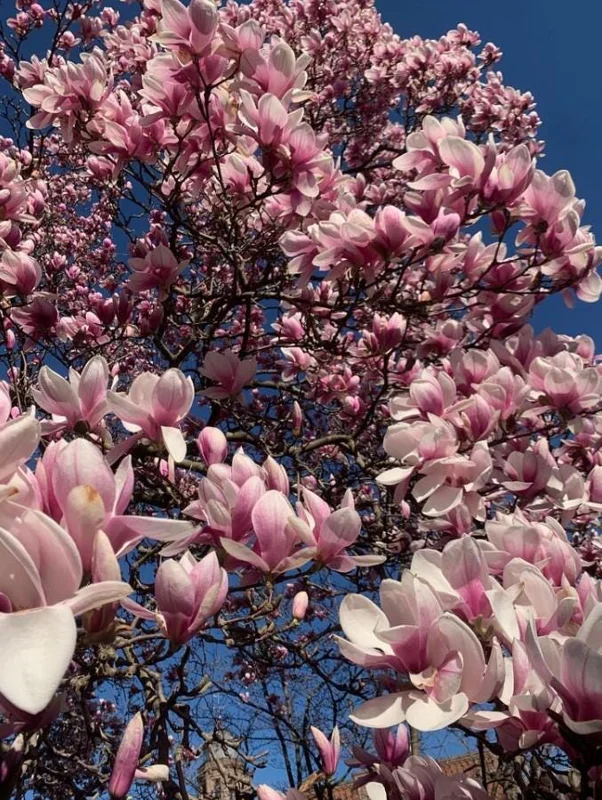
Introduce breathtaking beauty to your garden with a saucer magnolia live plant. Revered for its spectacular early-spring display, the Saucer Magnolia (Magnolia × soulangeana) is a beloved ornamental tree that transforms landscapes with its large, tulip-shaped flowers. These exquisite blooms emerge in a stunning array of pinks, purples, and whites, often before the leaves appear, creating a dramatic visual impact. This hybrid magnolia, originating in Europe in the early 19th century, combines the best characteristics of its parent species, M. denudata and M. liliiflora, resulting in a vigorous and aesthetically pleasing specimen. A true harbinger of spring, the pink magnolia tree is a focal point in any design, drawing admiration and enhancing curb appeal. Whether you’re looking to create an elegant entry or add a touch of classic charm, this plant is an exceptional choice for gardeners across many climates.
The magnolia soulangeana plant is a testament to natural elegance and horticultural artistry. Its deciduous nature means it offers seasonal interest, from the bare branches adorned with furry buds in winter to the glorious floral show in spring, followed by lush green foliage throughout summer. This specific offering is a healthy, young specimen, ready to establish itself in your garden and provide years of enjoyment. Its moderate growth rate means you won’t wait forever for it to mature, yet it offers a significant presence once established. Perfect for those seeking an early spring flowering tree that delivers consistent beauty.
Key Benefits
The saucer magnolia live plant offers a multitude of benefits, making it a highly desirable addition to any landscape. Its striking visual appeal is just the beginning of what this magnificent tree brings to your home and garden.
- Spectacular Early Spring Blooms: Enjoy an explosion of large, tulip-shaped flowers in shades of pink, purple, and white that appear before the leaves, providing an unparalleled splash of color when most other plants are still dormant. This makes it an ideal early spring flowering tree.
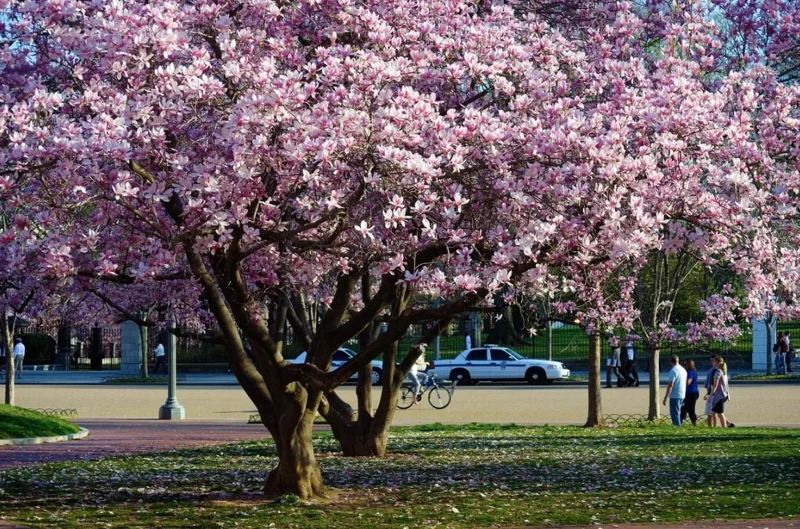
- Exceptional Ornamental Value: With its elegant form and showy flowers, the Saucer Magnolia serves as an outstanding specimen plant or focal point in garden designs, enhancing the aesthetic appeal of front yards and landscape beds.
- Adaptable to Various Climates: Hardy in USDA zones 4–9, this magnolia is surprisingly resilient and can thrive in a wide range of temperate climates, offering consistent performance and beauty.
- Relatively Low Maintenance: Once established, the pink magnolia tree is moderately drought-tolerant and requires minimal care, making it suitable for both experienced and novice gardeners.
- Attracts Pollinators: While not a primary pollinator magnet, its early blooms can provide a valuable nectar source for early emerging bees and other beneficial insects, supporting local ecosystems.
- Versatile Landscape Use: Ideal for ornamental landscaping, specimen planting, or creating a stunning visual anchor in your yard, its adaptability allows for diverse placement options.
- Long-Term Garden Investment: A well-cared-for magnolia soulangeana plant can live for many decades, growing into a substantial and majestic tree that adds significant value and beauty to your property over time.
Plant Care & Growing Tips
Caring for your saucer magnolia live plant ensures it develops into a magnificent specimen, gracing your garden with its iconic blooms for many years. These trees thrive with proper attention to their environmental needs, particularly during establishment. They prefer a site with full sun to partial shade; flowering is most prolific with at least 6 hours of direct sunlight daily. While they can tolerate some afternoon shade, especially in hotter climates, too much shade can reduce bloom production.
The ideal soil for a pink magnolia tree is moist, well-drained, and slightly acidic, rich in organic matter. Avoid overly alkaline or dry sites, as these conditions can stress the plant and impair growth. When planting, incorporate compost or other organic amendments to improve soil structure and fertility. Water deeply and regularly during the first growing season to help establish a strong root system. Once mature, the tree becomes moderately drought-tolerant, but it will still benefit from occasional deep watering during prolonged dry spells, especially when buds are forming or during blooming. Mulching around the base of the tree helps retain soil moisture, regulate temperature, and suppress weeds.
This ornamental magnolia is hardy in USDA zones 4–9, preferring temperate climates with distinct seasons. The best time to plant is in early spring or fall when temperatures are mild, allowing the roots to establish before extreme heat or cold. Provide adequate spacing, allowing at least 10–20 feet from other trees or structures, depending on the cultivar’s mature size, to accommodate its eventual spread. Fertilize in early spring with a balanced, slow-release granular fertilizer formulated for trees and shrubs, or an organic option. Pruning should be done sparingly after flowering to remove dead, damaged, or crossing branches, and to shape the tree if necessary. Avoid heavy pruning, as magnolias tend to bleed sap. Watch for common pests like scale insects or magnolia borers, and address them promptly with appropriate horticultural oils or insecticides if necessary. Good air circulation also helps prevent fungal diseases.
Size & Details
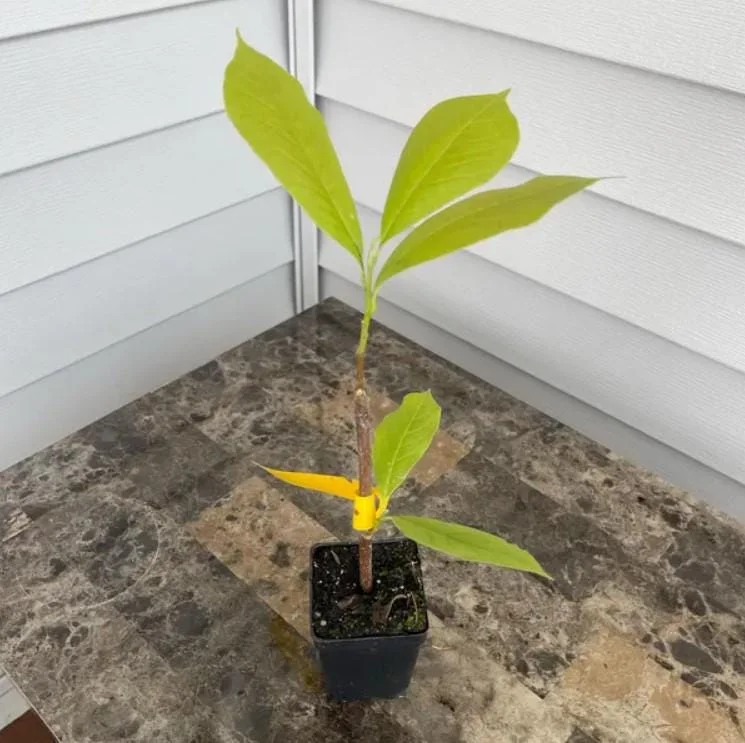
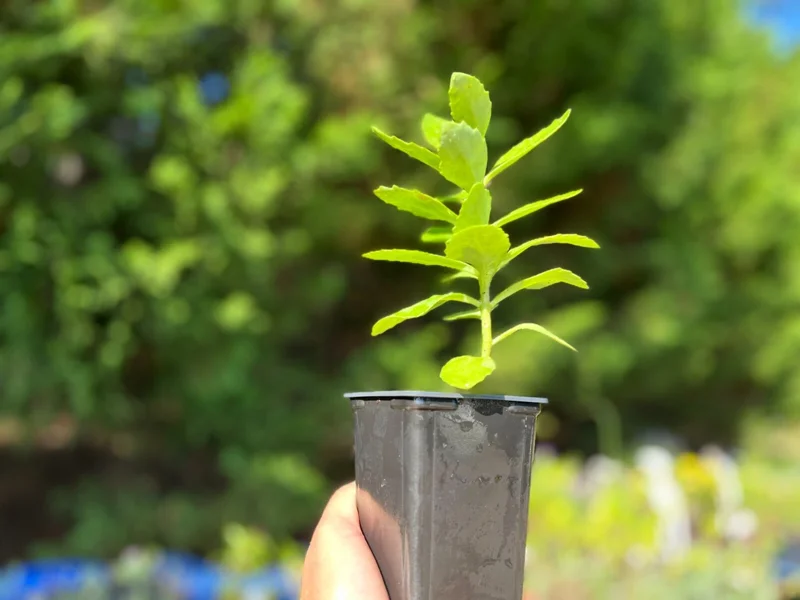
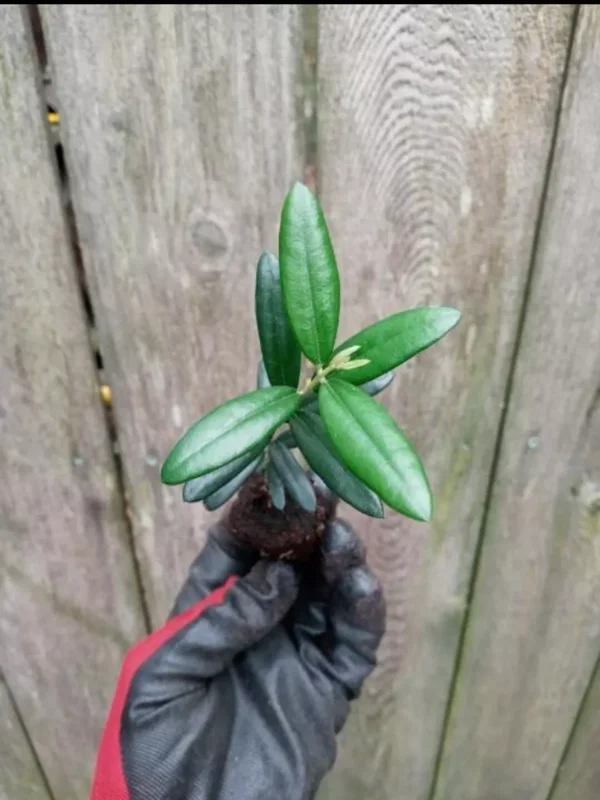
This offering is for one healthy saucer magnolia live plant, which measures approximately 6-12 inches in height from the top of the soil. It is grown and shipped in a 3-inch nursery pot, providing a robust root ball ready for transplanting into your garden. The young tree is a vibrant specimen, carefully selected to ensure vigorous growth upon arrival. The cultivar is typically Magnolia × soulangeana, renowned for its classic beauty and reliable performance as an ornamental magnolia. Expect a moderate growth rate, reaching a mature height of 20-30 feet with a similar spread over many years, creating a substantial presence in your landscape. While it may take a few seasons to reach its full blooming potential, you can anticipate its first beautiful flowers within a few years of planting.
Your plant will arrive with its roots carefully wrapped in a bit of soil and moist newspaper, then secured in a plastic bag to ensure moisture retention during transit. This method protects the delicate root system, ensuring your magnolia soulangeana plant arrives in optimal condition for planting. The tree is deciduous, so it may arrive without leaves depending on the season, especially during winter dormancy. This is a natural state for the plant and indicates healthy, seasonal growth. Plan to plant your new magnolia in its permanent location as soon as possible after arrival to minimize transplant shock and encourage rapid establishment.
Frequently Asked Questions
- Q: How big does this plant get? A: This saucer magnolia live plant is currently 6-12 inches tall in a 3-inch pot. When mature, it can reach a height of 20-30 feet with a similar spread, forming a beautiful, broad tree.
- Q: Is this an indoor or outdoor plant? A: The Saucer Magnolia is an outdoor tree, best suited for landscape planting. It thrives in USDA zones 4-9 and requires space to grow to its full potential.
- Q: How much sunlight does it need? A: This pink magnolia tree performs best in full sun to partial shade. For the most abundant flowering, it requires at least 6 hours of direct sunlight daily.
- Q: Is this plant easy to care for? A: Once established, the Saucer Magnolia is relatively low-maintenance. It requires consistent watering during its first year but becomes moderately drought-tolerant thereafter, making it a good choice for various gardeners.
- Q: What condition will it arrive in? A: Your ornamental magnolia will arrive with its roots carefully prepared and protected to ensure freshness and vitality. It will be a healthy young plant, ready for planting.
- Q: How long until it blooms? A: While young plants may take a few seasons to establish, you can typically expect your magnolia soulangeana plant to begin producing its spectacular early spring blooms within 2-4 years after planting, with increasing abundance as it matures.
- Q: What’s the best time to plant this tree? A: The ideal time to plant your Saucer Magnolia is in early spring or fall when temperatures are mild. This allows the root system to establish without the stress of extreme heat or cold.
- Q: What kind of soil does it prefer? A: This tree prefers moist, well-drained, slightly acidic soil that is rich in organic matter. Avoid heavy clay or overly sandy soils for best results.
- Q: Will it survive winter in my zone? A: The Saucer Magnolia is hardy in USDA zones 4 through 9. If you are within these zones, it should successfully overwinter and return with beautiful blooms each spring.
- Q: Can I grow this in a large pot? A: While you can start this young early spring flowering tree in a larger container, it will eventually outgrow pots due to its mature size. It is best suited for permanent planting in the ground.




Reviews
There are no reviews yet.