Overview
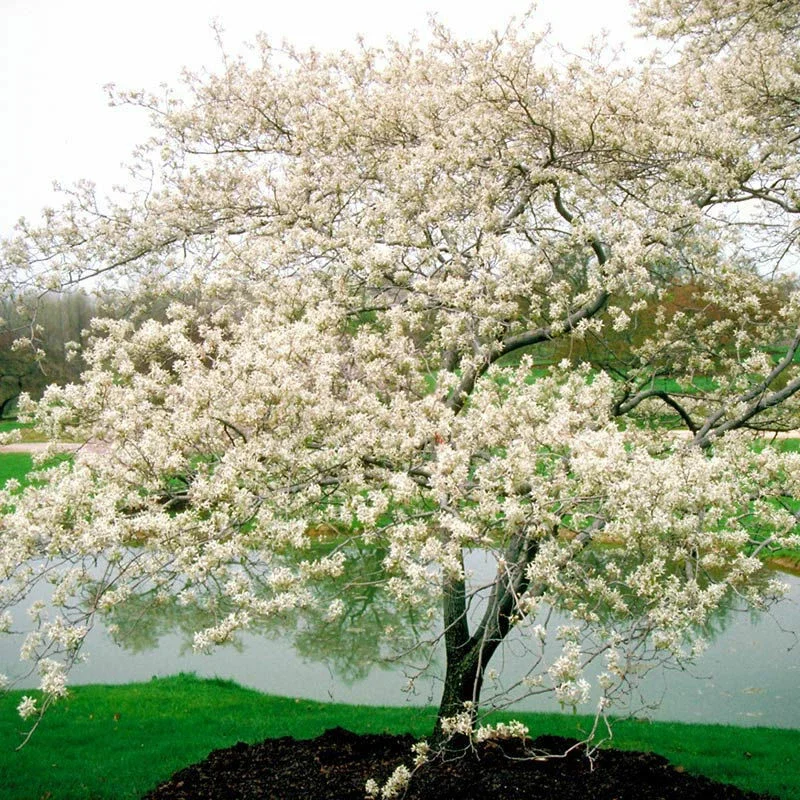
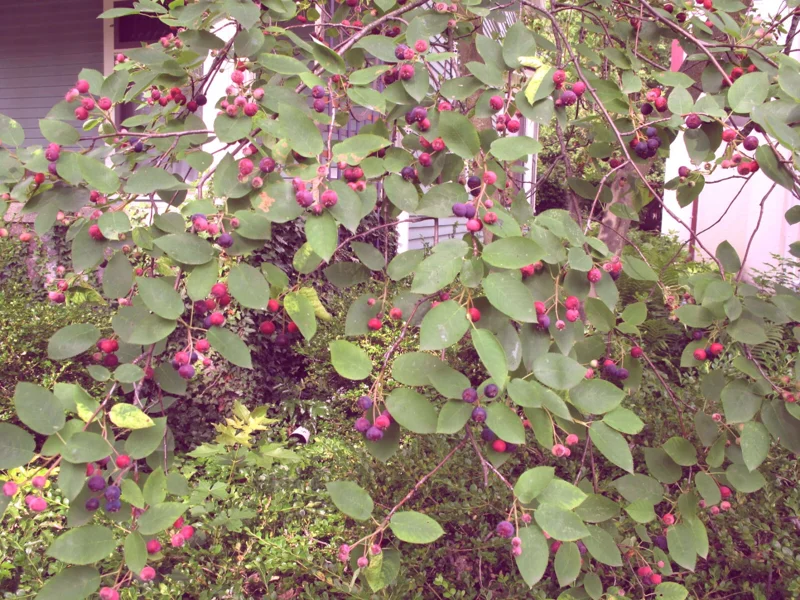
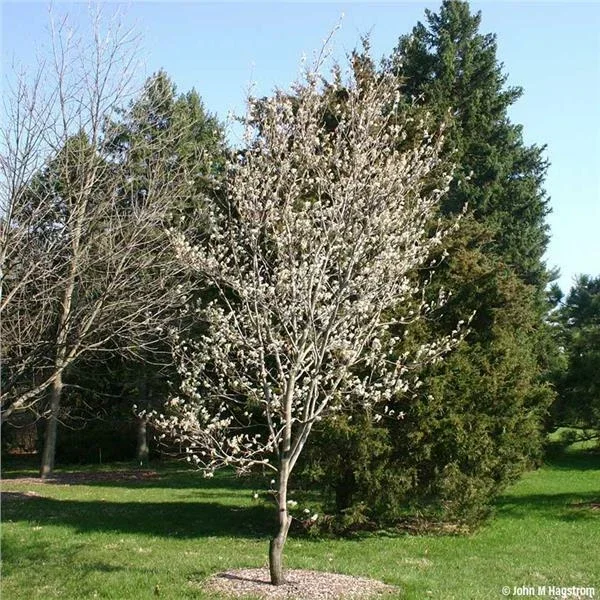
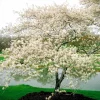
Introduce natural beauty and ecological value to your garden with this exceptional serviceberry live plant, scientifically known as ‘Amelanchier arborea’. This deciduous shrub or small tree is a beloved native North American species, celebrated for its multi-seasonal appeal. In early spring, before the leaves fully emerge, it bursts forth with delicate, star-shaped white flowers that create a stunning visual display. These blooms are quickly followed by lush green foliage that provides a cool canopy throughout the summer months. As autumn approaches, the leaves transform into brilliant shades of orange, red, and purple, offering a spectacular fall show. Beyond its ornamental qualities, the serviceberry is also prized for its small, purplish-black berries, which ripen in early summer and are not only delicious for human consumption but also a vital food source for birds and other wildlife. This particular specimen is a robust 16 to 24 inches tall and approximately 2 to 3 years old, ensuring a well-established start for your landscape. It’s an excellent choice for those looking to add a resilient, attractive, and wildlife-friendly plant to their outdoor spaces.
Key Benefits
The serviceberry live plant offers a multitude of benefits, making it a highly desirable addition to any garden or landscape. Its adaptability and aesthetic appeal ensure it stands out in various settings. Whether you’re a seasoned gardener or just starting, an edible serviceberry bush brings both beauty and utility.
- Multi-Seasonal Appeal: Enjoy beautiful white flowers in spring, green foliage in summer, and stunning red-orange fall colors, providing year-round visual interest. This makes the serviceberry live plant a dynamic feature in your garden.
- Edible Berries: Produces delicious, sweet, purplish-black berries in early summer that can be enjoyed fresh, in pies, jams, or jellies.
- Attracts Wildlife: The flowers provide nectar for pollinators, and the berries are a favorite food source for birds and other small animals, boosting your garden’s biodiversity.
- Adaptable & Hardy: Tolerant of a wide range of growing conditions and climates, making it a resilient choice for many regions.
- Low Maintenance: Once established, ‘Amelanchier arborea’ requires minimal care, thriving with basic watering and occasional pruning.
- Versatile Landscaping Use: Can be grown as a specimen tree, part of a hedgerow, or in naturalized plantings, suitable for various design schemes.
- Native Plant: Being a native species, it is well-suited to local ecosystems and often requires less intervention to thrive.
Plant Care & Growing Tips
Caring for your serviceberry live plant (‘Amelanchier arborea’) is relatively straightforward, making it an excellent choice for gardeners of all experience levels. This hardy plant thrives in a variety of conditions but performs best with a few key considerations. For optimal growth, ensure your serviceberry receives full sun to partial shade; at least 4-6 hours of direct sunlight daily is ideal for abundant flowering and fruiting. While it can tolerate some shade, too much will reduce flower and berry production. The amelanchier arborea care routine also includes proper watering. Keep the soil consistently moist, especially during its first growing season after planting. Once established, it is moderately drought-tolerant but will benefit from watering during prolonged dry spells.
Soil requirements for the serviceberry are flexible, but it prefers well-draining, slightly acidic to neutral soil (pH 6.0-7.0). Amend heavy clay soils with organic matter to improve drainage. When considering planting serviceberry tree, choose a location where it has room to grow, as it can reach heights of 15-25 feet and a similar spread. Fertilize annually in early spring with a balanced, slow-release granular fertilizer, or a compost top-dressing. Pruning is best done in late winter or early spring before new growth begins, focusing on removing dead, damaged, or crossing branches to maintain a strong structure and open canopy. The serviceberry is generally resistant to pests and diseases, but keep an eye out for common issues like rust or powdery mildew, which can usually be managed with proper air circulation and appropriate fungicides if necessary. This robust plant is cold-hardy, typically thriving in USDA zones 4-9.
Size & Details
This offering is for one vigorous serviceberry live plant, ‘Amelanchier arborea’, which stands approximately 16 to 24 inches tall. This young shrub is typically 2 to 3 years old, providing a strong foundation for future growth and establishment in your garden. It is shipped as a bare root plant, meaning it will arrive without soil around its roots, ready for immediate planting upon arrival. Bare root plants are an economical and efficient way to transport and establish deciduous trees and shrubs. The ‘Amelanchier arborea’ has a medium growth rate, typically adding 1-2 feet of height per year under ideal conditions. Expect it to begin producing its characteristic white flowers and delicious berries within a few years of planting. When mature, this plant can reach an impressive height of 15-25 feet and a spread of 10-15 feet, forming an attractive multi-stemmed shrub or small tree. Its clumping growth habit adds to its natural charm, making it a focal point in any serviceberry landscaping ideas.
Frequently Asked Questions
- Q: How big does this serviceberry live plant get? A: This particular plant is 16 to 24 inches tall and 2-3 years old upon arrival. Mature Amelanchier arborea can reach heights of 15-25 feet and a spread of 10-15 feet, forming a multi-stemmed shrub or small tree.
- Q: Is this an indoor or outdoor plant? A: The serviceberry live plant is an outdoor deciduous shrub or small tree, best suited for garden and landscape planting. It is not intended for indoor cultivation.
- Q: How much sunlight does it need? A: Serviceberry thrives in full sun to partial shade, ideally receiving at least 4-6 hours of direct sunlight daily for optimal flowering and fruit production.
- Q: Is this plant easy to care for? A: Yes, ‘Amelanchier arborea’ is considered a low-maintenance plant. Once established, it is quite hardy and adaptable, requiring minimal attention beyond initial planting and occasional watering. This makes amelanchier arborea care relatively simple.
- Q: What condition will it arrive in? A: This serviceberry live plant is shipped as a bare root plant, meaning it will arrive dormant without soil around its roots. This is a common and effective method for shipping deciduous plants.
- Q: Can I eat the berries from this serviceberry bush? A: Absolutely! The ‘Amelanchier arborea’ produces edible, sweet, purplish-black berries in early summer. They are delicious fresh or can be used in various culinary applications, making it a true edible serviceberry bush.
- Q: When is the best time to plant a serviceberry tree? A: The best time for planting serviceberry tree is in the spring or fall when temperatures are moderate. This allows the plant to establish its root system before extreme heat or cold.
- Q: What USDA hardiness zones is this serviceberry suitable for? A: This serviceberry is cold-hardy and thrives in USDA Zones 4 through 9, capable of withstanding a good range of winter temperatures.
- Q: What kind of soil does it prefer? A: It prefers well-draining, slightly acidic to neutral soil. Amending heavy clay soils with organic matter is recommended for best results.
- Q: Are there specific serviceberry landscaping ideas you recommend? A: Serviceberries are excellent as specimen plants, in mixed shrub borders, as part of a native plant garden, or even as an informal hedge. Their multi-seasonal interest makes them versatile for various landscape designs.



Reviews
There are no reviews yet.