Overview
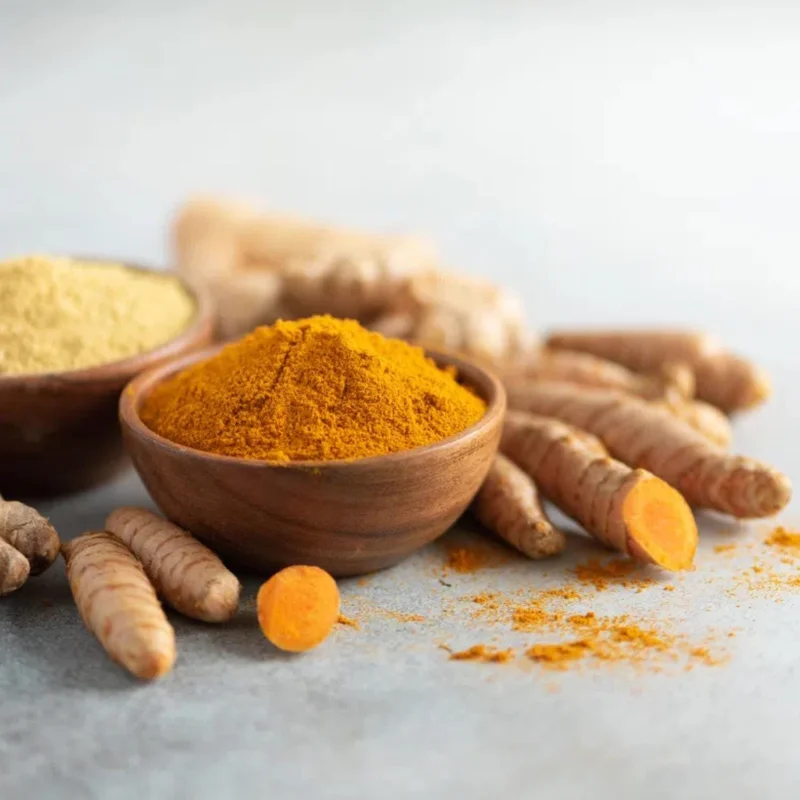
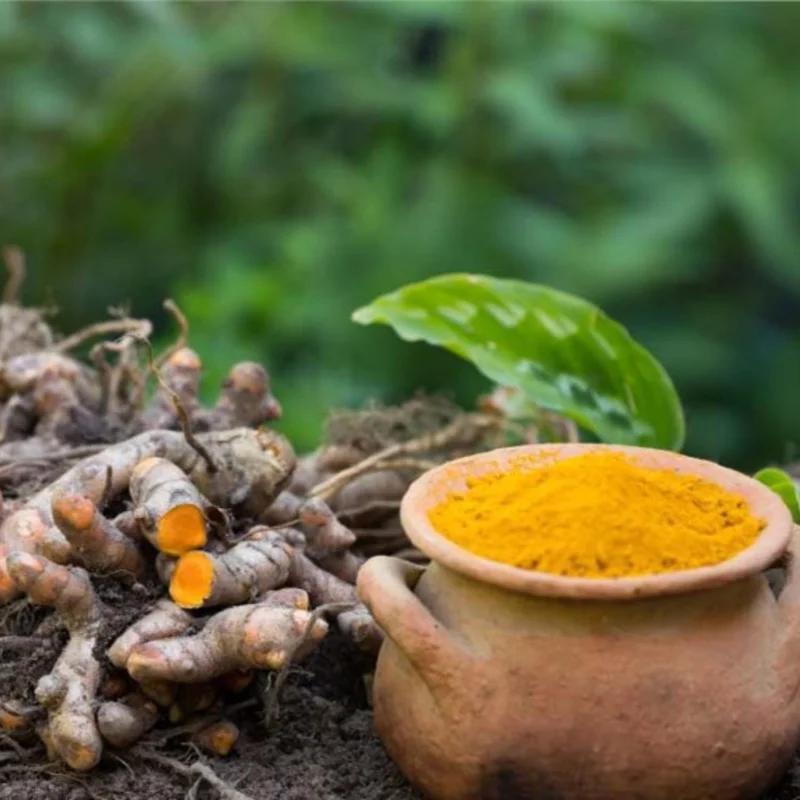
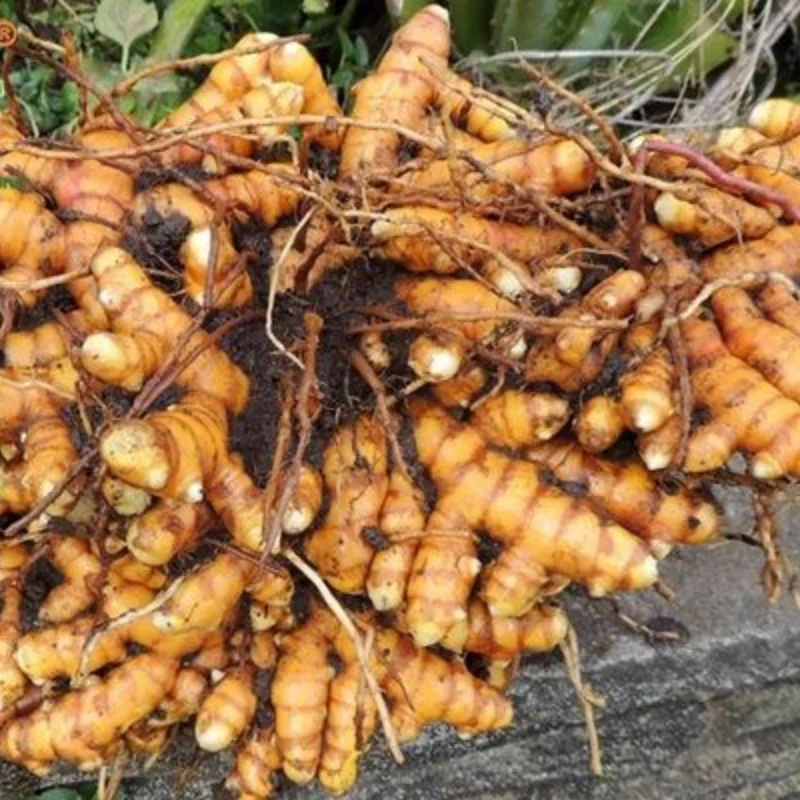
Embark on a rewarding gardening journey with this exceptional set of 20 turmeric roots for planting. These high-quality, viable rhizomes, also known as curcuma tumeric rhizomes, are carefully selected to ensure successful growth whether you choose to cultivate them indoors or outdoors. Turmeric (Curcuma longa) is a vibrant, golden-hued root renowned globally for its distinctive flavor, brilliant color, and numerous benefits, making it a staple in kitchens and traditional practices alike. Growing your own fresh turmeric root at home provides a convenient way to access this versatile ingredient, free from additives and preservatives. This collection of robust rhizomes is ready to be planted, offering an exciting opportunity for both novice and experienced gardeners to enjoy the satisfaction of harvesting their own organic turmeric.
Each of the 20 turmeric roots for planting is a healthy, ready-to-sprout segment, poised to transform into lush, leafy plants that produce more of these valuable rhizomes. The process of growing turmeric is relatively straightforward, and with proper care, you can expect a bountiful yield. Imagine adding freshly grated turmeric to your curries, smoothies, teas, or even using it for DIY remedies. These rhizomes are not just for planting; they represent a commitment to sustainable living and an appreciation for natural, wholesome ingredients. Begin your journey to cultivate vibrant, aromatic turmeric today and discover the joy of harvesting from your own garden.
Key Benefits
Growing your own turmeric roots for planting offers a multitude of advantages, enriching both your garden and your lifestyle. From culinary delights to the simple pleasure of nurturing a plant, the benefits are diverse and significant:
- Fresh & Organic Supply: By growing your own, you ensure a constant supply of fresh, organic turmeric. You control the growing conditions, guaranteeing that your fresh turmeric root is free from pesticides and artificial treatments, providing a healthier option for your kitchen and well-being.
- Culinary Versatility: Fresh turmeric offers a more potent and nuanced flavor profile compared to dried, ground turmeric. It’s perfect for enhancing curries, stir-fries, marinades, and beverages like golden milk, adding a unique earthy and peppery note.
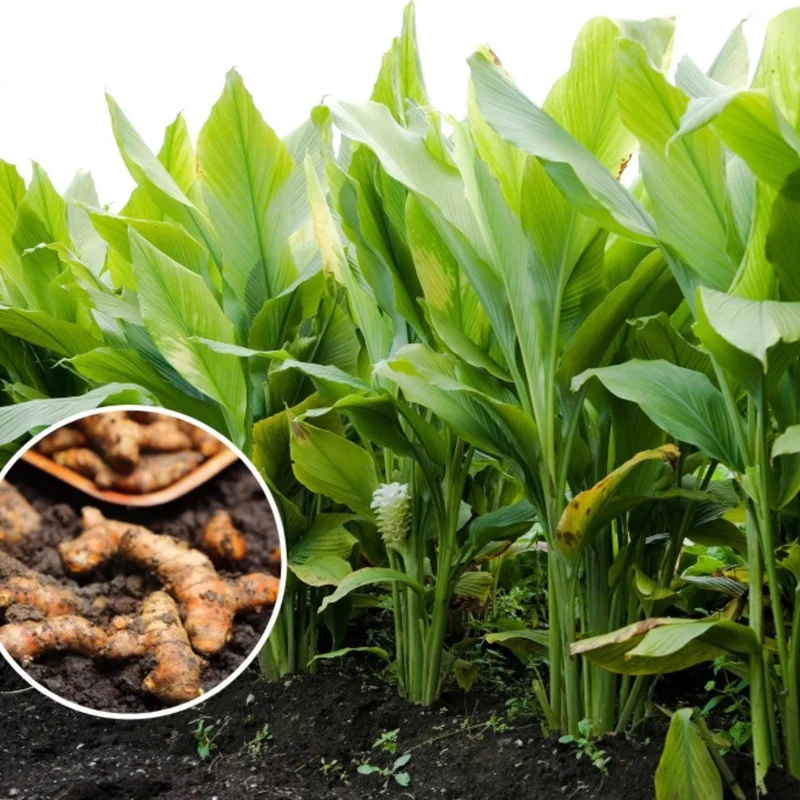
- Beautiful Foliage: Beyond its valuable rhizomes, the turmeric plant itself is an attractive addition to any garden or indoor space. Its large, lush, tropical-looking leaves can add a touch of exotic beauty, making it both ornamental and functional.
- Cost-Effective & Sustainable: Once established, a single turmeric roots for planting can produce multiple rhizomes, providing an ongoing harvest year after year. This makes it a cost-effective and sustainable way to enjoy turmeric without needing to purchase it regularly from stores.
- Educational & Rewarding: The process of growing curcuma tumeric rhizomes is an engaging and educational experience. Watching the plant sprout, grow, and eventually yield its roots is incredibly rewarding, fostering a deeper connection to nature and food production.
- Easy to Grow: Turmeric is surprisingly simple to cultivate, thriving in warm, humid conditions. With basic care, even beginner gardeners can successfully grow healthy plants, making it an accessible option for anyone interested in home gardening.
- Enhanced Flavor & Potency: Nothing compares to the vibrant taste and aroma of freshly harvested turmeric. The essential oils and active compounds are at their peak, offering superior flavor and potential benefits compared to processed versions.
Plant Care & Growing Tips
Successfully growing your turmeric roots for planting requires understanding their specific environmental needs. Turmeric thrives in warm, humid climates, mimicking its natural tropical habitat. When planting your curcuma tumeric rhizomes, choose a location that receives partial shade to full sun. While it can tolerate full sun in cooler climates, in hotter regions, afternoon shade is beneficial to prevent leaf scorching. Aim for at least 6-8 hours of sunlight daily for optimal growth. If growing indoors, place pots near a south or west-facing window, or supplement with a grow light to ensure sufficient light exposure.
Watering is crucial for healthy turmeric development. The soil should be kept consistently moist but never waterlogged. Overwatering can lead to rhizome rot, while underwatering will stunt growth. A good rule of thumb is to water when the top inch of soil feels dry to the touch. During the active growing season (spring and summer), turmeric will require more frequent watering. Reduce watering in the fall as the plant prepares for dormancy. For soil, turmeric prefers rich, well-draining soil with a slightly acidic to neutral pH (6.0-7.0). Amend heavy clay soils with compost or peat moss to improve drainage and fertility. A good quality potting mix designed for tropical plants works well for container-grown grow turmeric indoors plants.
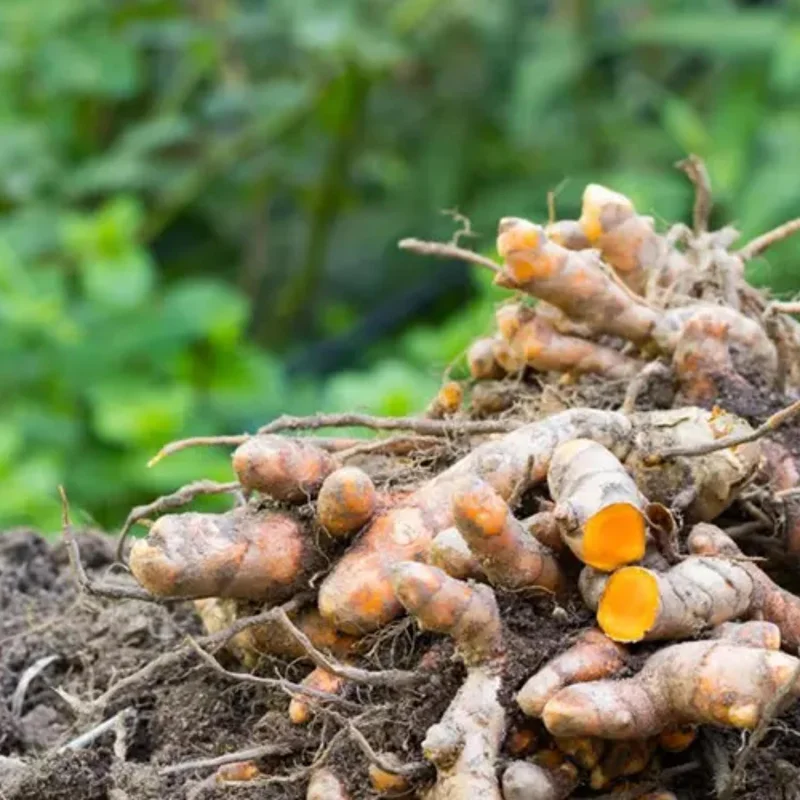
Turmeric is a heavy feeder, so regular fertilization will promote robust rhizome growth. Start fertilizing once new shoots emerge, using a balanced liquid fertilizer (like 5-5-5 or 10-10-10) every 2-4 weeks during the growing season. Alternatively, incorporate slow-release organic fertilizers or compost into the soil at planting time. Maintain warm temperatures, ideally between 68°F and 86°F (20°C-30°C). Turmeric is sensitive to frost, so if growing outdoors in cooler zones, consider it an annual or bring containers indoors before the first frost. Organic turmeric plants are generally resilient, but watch out for common pests like spider mites or mealybugs, especially in dry indoor environments. Address these promptly with insecticidal soap or neem oil. Harvesting typically occurs 8-10 months after planting, once the leaves begin to yellow and die back. This signals that the rhizomes have matured and are ready to be dug up.
Size & Details
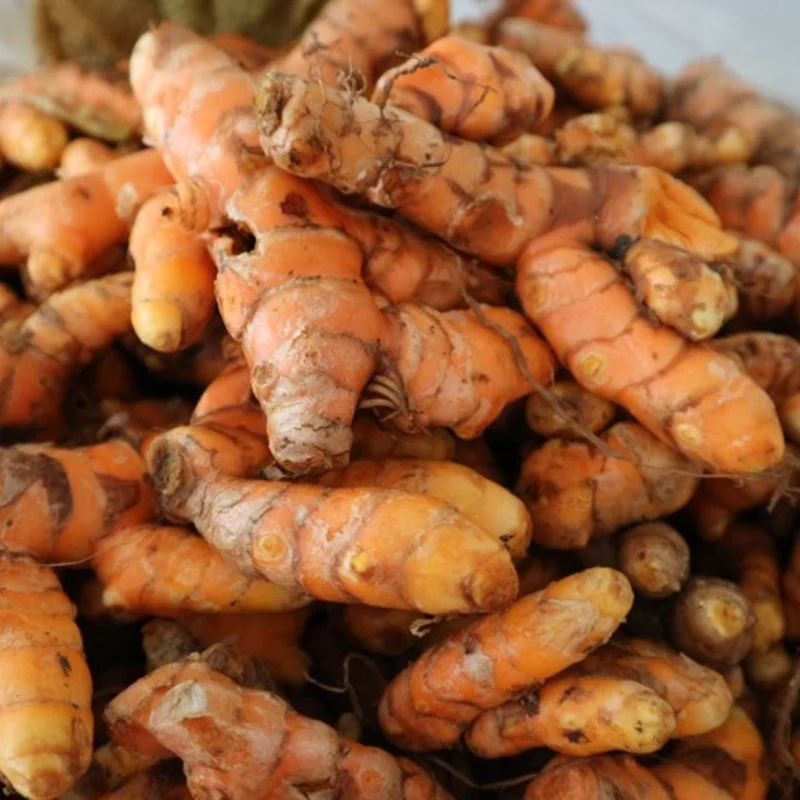
This offering includes a set of 20 turmeric roots for planting, carefully selected for viability and readiness to grow. Each rhizome piece is typically 1-2 inches in length and contains at least one ‘eye’ or bud from which new shoots will emerge. When mature, a single turmeric plant can reach an average height of 3-4 feet, displaying lush, broad green leaves that add a tropical aesthetic to your garden or indoor space. The underground rhizomes, which are the valuable harvest, can vary in size depending on growing conditions and duration, but generally grow into substantial clusters. These curcuma tumeric rhizomes are shipped as bare roots, ensuring they are fresh and ready for immediate planting upon arrival.
Expect new shoots to appear within 4-8 weeks after planting, provided optimal conditions are met. The plant will actively grow throughout the warm season, and the rhizomes will continue to expand underground. For outdoor planting, turmeric is best suited for USDA Zones 7-11 as a perennial, or it can be grown as an annual in cooler zones. For those who grow turmeric indoors, it can be a year-round houseplant, consistently producing rhizomes. The full maturity and harvest of the rhizomes typically takes 8-10 months from planting, culminating in a rewarding yield of your own fresh turmeric root.
Frequently Asked Questions
- Q: How big does a turmeric plant get and what size pot does it come in? A: A mature turmeric plant can grow 3-4 feet tall with large, leafy foliage. This product provides 20 individual turmeric roots for planting, which are bare rhizomes, not potted plants. You will need to provide your own pots (at least 10-12 inches in diameter for a single plant or larger for multiple rhizomes) and soil.
- Q: Is this an indoor or outdoor plant? How much sunlight does it need? A: Turmeric can be grown both indoors and outdoors. It thrives in warm, humid conditions. Outdoors, it prefers partial shade to full sun (especially in cooler climates). Indoors, place it in a location with bright, indirect light, such as a south or west-facing window, or use a grow light to help your grow turmeric indoors.
- Q: Is this plant easy to care for? Is it good for beginners? A: Yes, turmeric is relatively easy to care for and is a great choice for beginners. Its main requirements are warmth, consistent moisture, and rich, well-draining soil. Following basic care guidelines will lead to a successful harvest of fresh turmeric root.
- Q: What condition will the turmeric roots arrive in? Is it shipped in soil? A: The turmeric roots for planting will arrive as fresh, bare rhizomes, not shipped in soil. They are carefully packaged to ensure they remain healthy and viable during transit, ready for you to plant upon arrival.
- Q: Can I use these curcuma tumeric rhizomes in cooking right away? A: While these are meant for planting, they are viable turmeric rhizomes. You could technically use a small piece in cooking, but for a substantial harvest, it’s best to plant them and allow them to grow for 8-10 months. This will yield a much larger quantity of fresh turmeric root.
- Q: How long until it blooms? When is the best time to plant? A: Turmeric plants can produce beautiful, cone-shaped flowers, but this typically occurs after the first year of growth and is less common when grown as an annual for rhizome harvest. The best time to plant these turmeric roots for planting is in late winter or early spring, after the last frost, when soil temperatures begin to warm.
- Q: Will it survive winter in my zone? What’s the minimum temperature? A: Turmeric is perennial in USDA Zones 7-11. In colder zones, it should be grown as an annual or brought indoors before temperatures drop below 50°F (10°C). It is very sensitive to frost, so protect your organic turmeric plants from cold.
- Q: What kind of soil is best for growing organic turmeric plants? A: Turmeric prefers rich, loose, well-draining soil that is slightly acidic to neutral. A good quality potting mix amended with compost or well-rotted manure is ideal for both in-ground and container planting.
- Q: How often should I fertilize my turmeric plants? A: During the active growing season (spring and summer), fertilize every 2-4 weeks with a balanced liquid fertilizer. Alternatively, incorporate slow-release granular fertilizer or plenty of compost into the soil at planting time for sustained nutrition for your curcuma tumeric rhizomes.
- Q: Can I grow these turmeric roots for planting in containers on a patio? A: Absolutely! Turmeric grows very well in containers, making it an excellent choice for patio gardening, especially in regions with colder winters where pots can be moved indoors. Ensure the containers are large enough (at least 10-12 inches deep and wide) and have good drainage.










Reviews
There are no reviews yet.