Overview
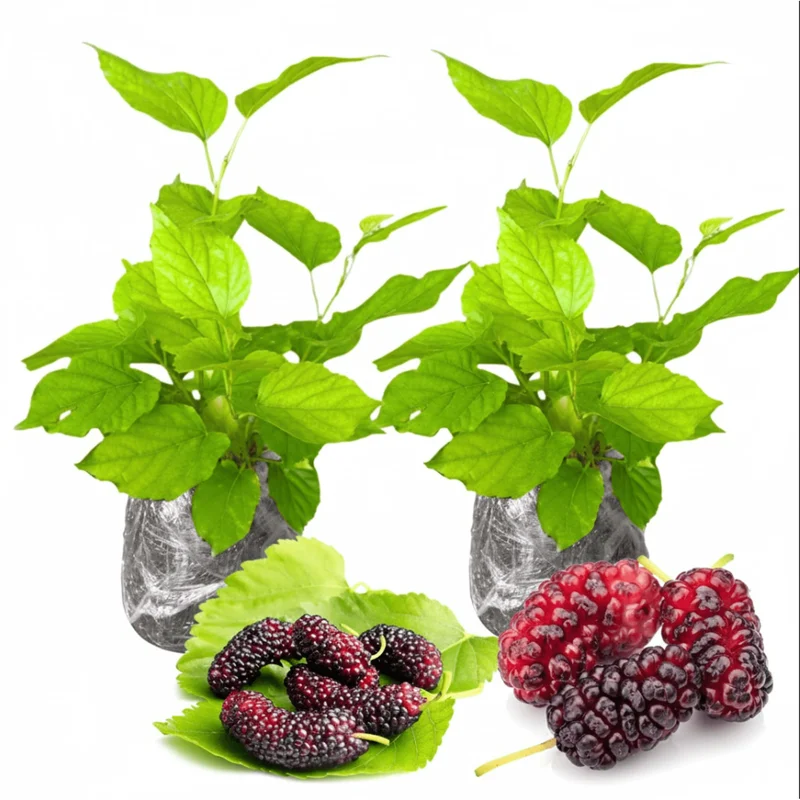
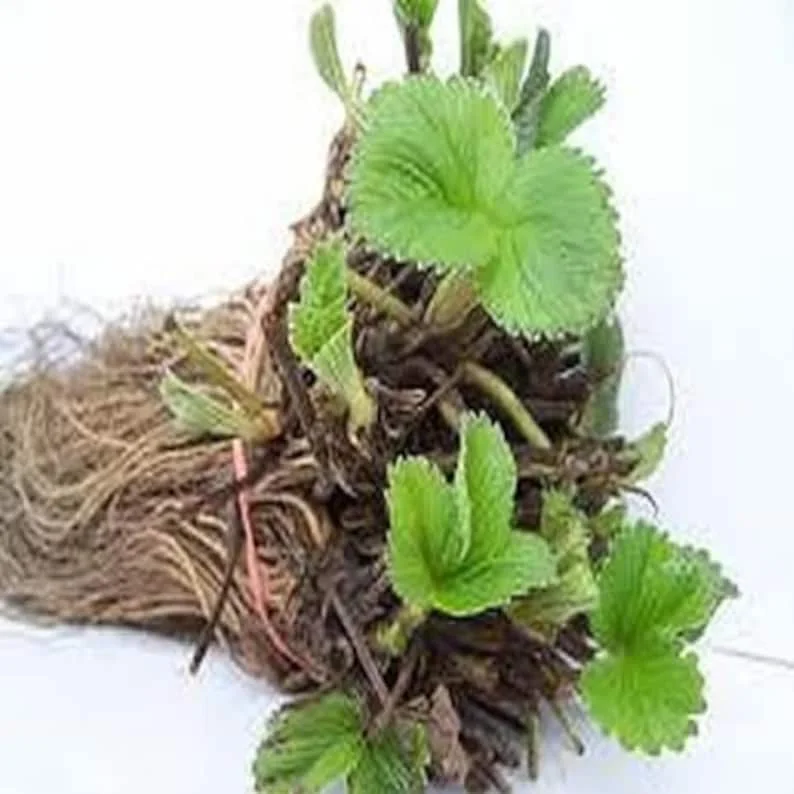
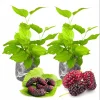
Introducing the red mulberry live plant, a fantastic addition for any gardener looking to cultivate their own delicious, sweet fruits. This offering includes a set of two vibrant, rooted starter plants, each standing 4-6 inches tall, ready to thrive in your landscape. The Red Mulberry (Morus rubra) is a native deciduous tree renowned for its rapid growth and abundant yield of juicy, dark purple berries. These trees are not only a source of delectable fruit for humans but also attract a variety of wildlife, adding ecological value to your property. With their attractive foliage and robust nature, these young sweet mulberry tree saplings promise to grow into majestic, fruit-bearing specimens, providing shade and sustenance for years to come. Planting red mulberry trees means investing in a resilient and rewarding perennial that enhances both your garden’s beauty and biodiversity.
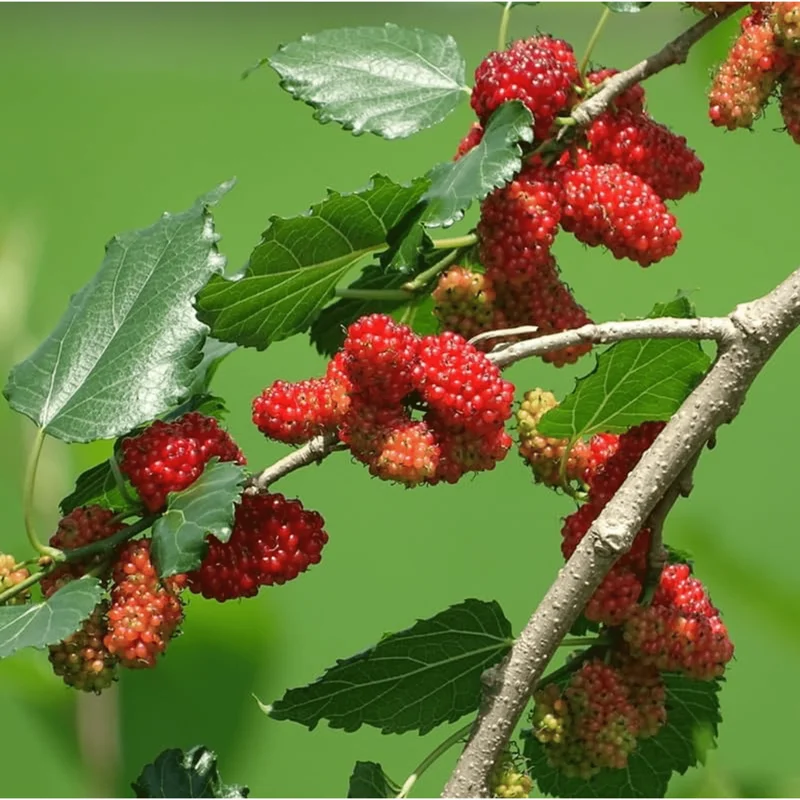
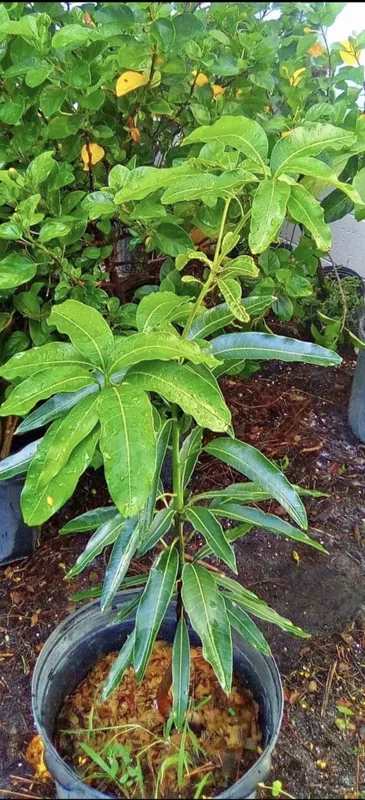
Our red mulberry live plant starters are carefully nurtured to ensure they arrive healthy and ready for successful transplanting. Known for their adaptability and hardiness, Red Mulberries are an excellent choice for various climates across the United States. They typically grow into large trees, reaching heights of 30-60 feet or more, with a spreading canopy that provides ample shade. The leaves are variable in shape, often rough to the touch, and contain a milky sap. The bark is a distinctive dark reddish-brown, adding textural interest to your garden even in winter. These trees are a true gem for edible landscaping, offering a sustainable and delightful harvest right from your backyard. Experience the joy of growing your own berries with these robust deciduous fruit tree starters.
Key Benefits
Growing a red mulberry live plant offers a multitude of advantages for both the gardener and the environment. These trees are incredibly rewarding, providing a consistent supply of delicious fruit and contributing positively to local ecosystems. The benefits extend beyond just the harvest, enriching your outdoor space in several ways.
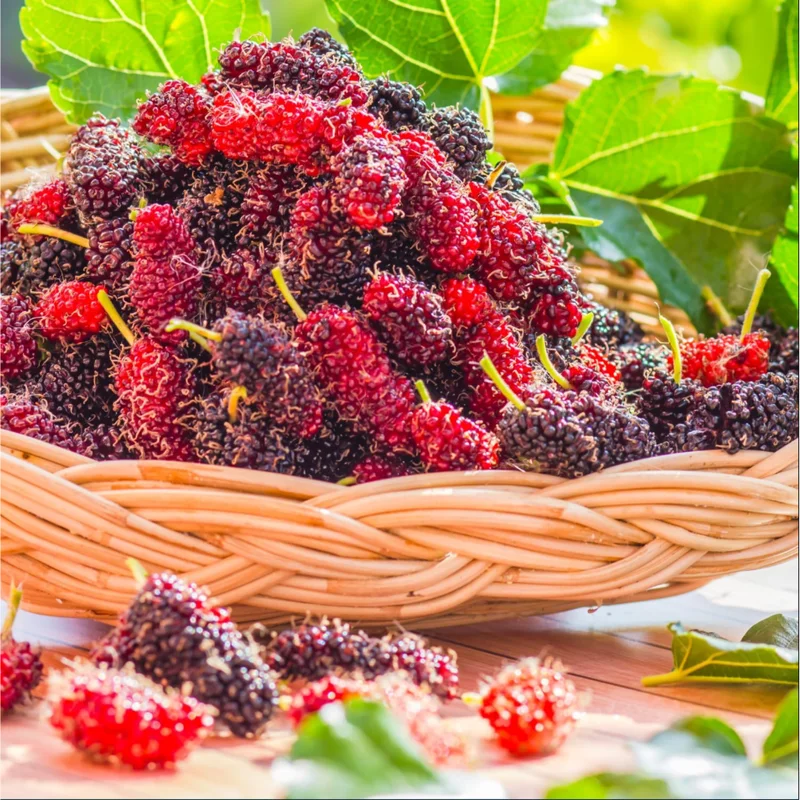
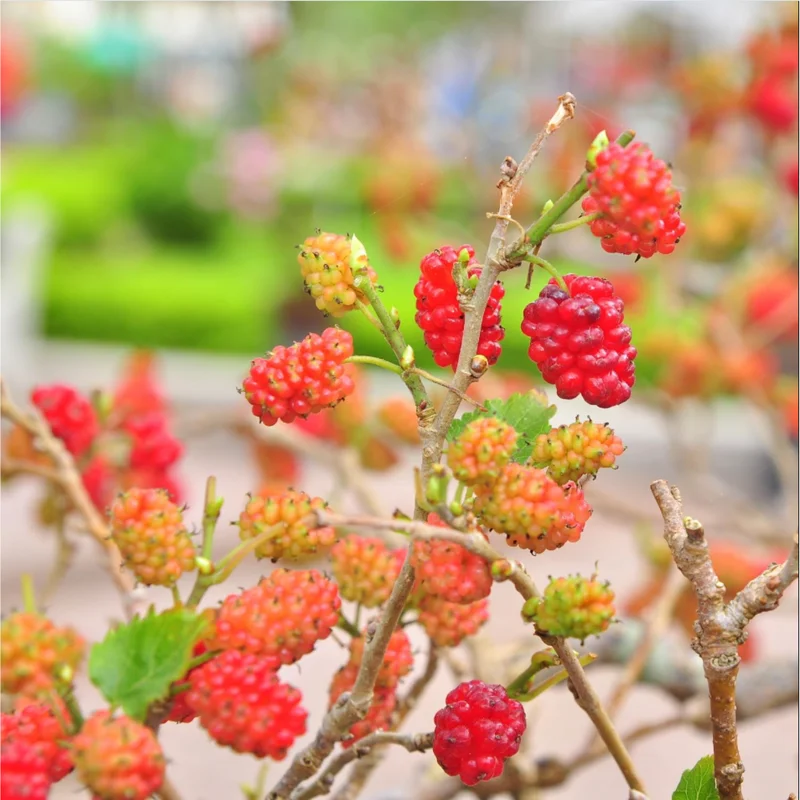
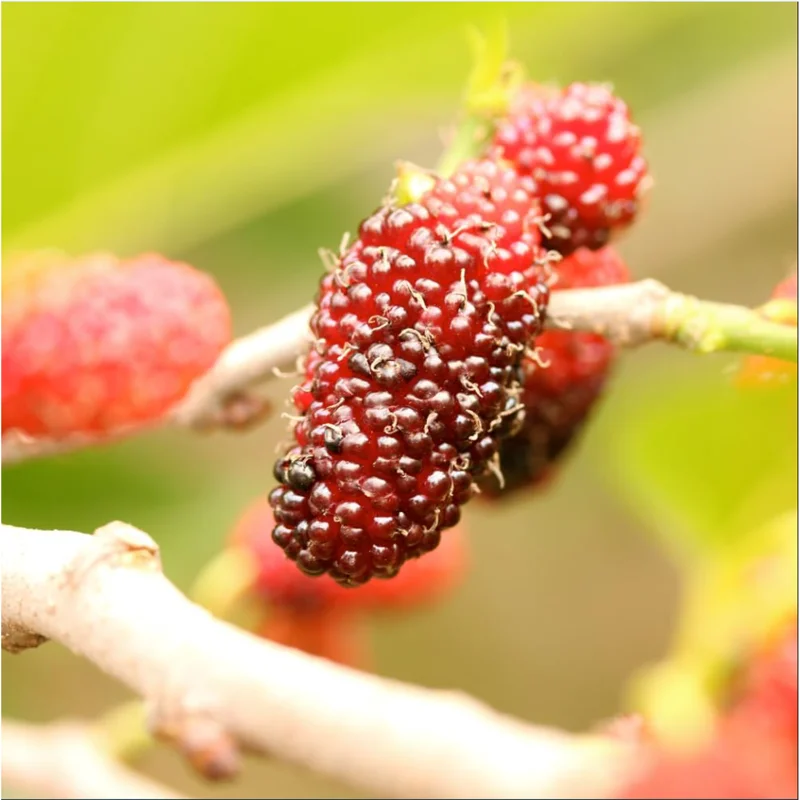
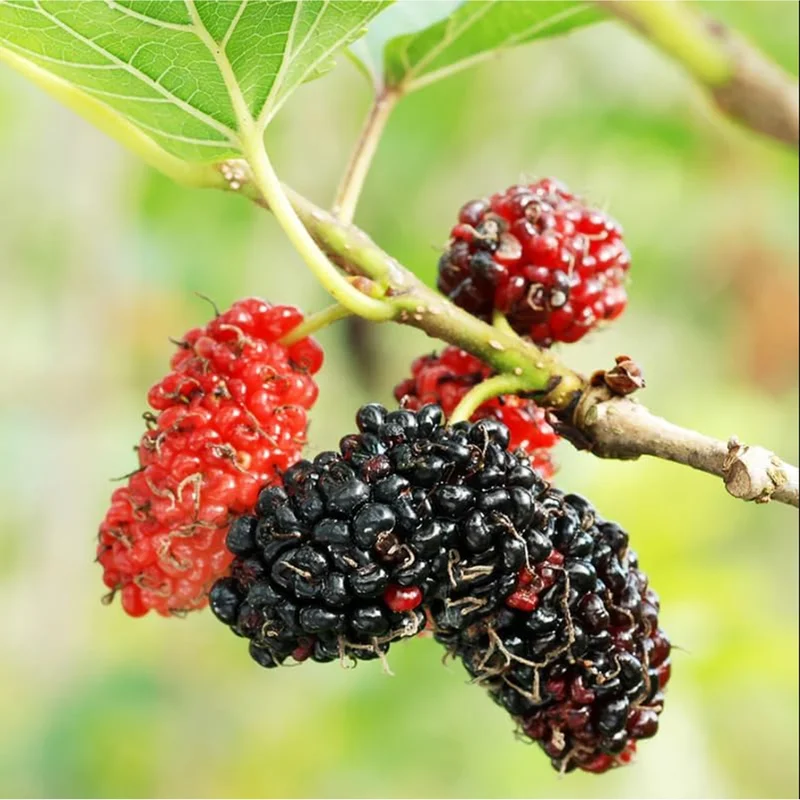
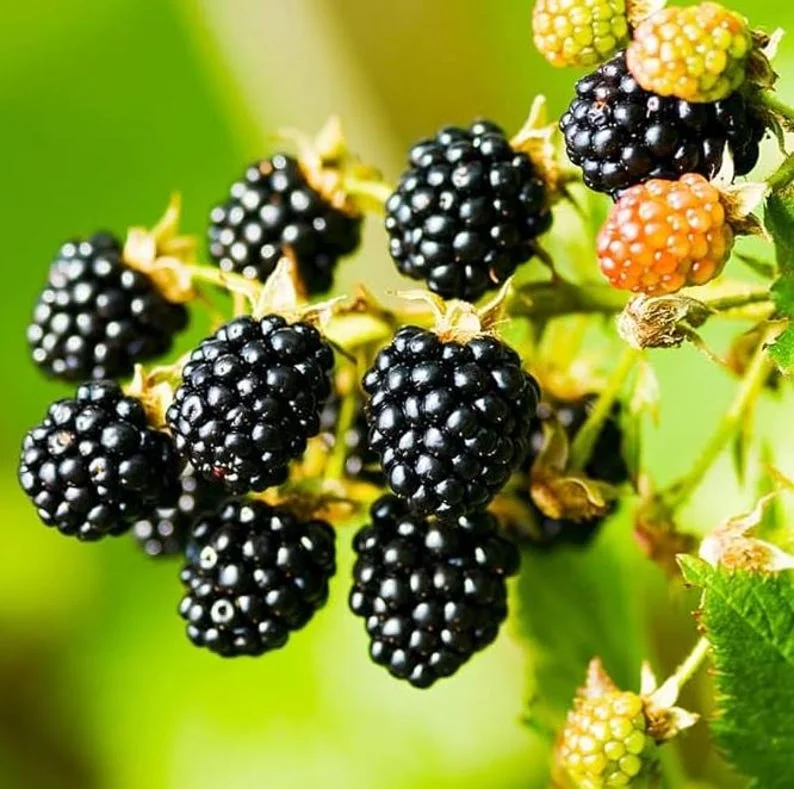
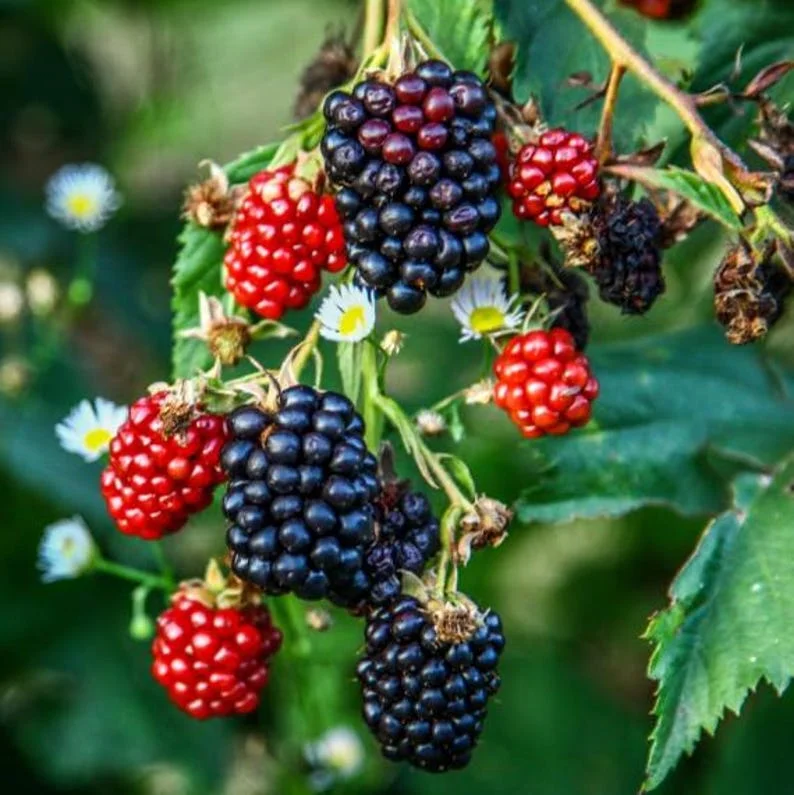
- Abundant Sweet Fruit: Enjoy a prolific harvest of sweet, juicy, blackberry-like fruits that ripen to a dark purple. These berries are perfect for fresh eating, jams, pies, or dried snacks, offering a versatile culinary ingredient directly from your garden. The taste of a fresh sweet mulberry tree berry is truly unparalleled.
- Attracts Wildlife: The ripe mulberries are a favorite food source for birds, squirrels, and other local wildlife, making your garden a lively and biodiverse habitat. This natural attraction helps support local ecosystems and provides endless opportunities for nature observation.
- Fast-Growing Shade Tree: Red Mulberries grow quickly, establishing a substantial canopy within a few years, providing welcome shade during hot summer months. Their rapid growth makes them an excellent choice if you’re looking for a quick landscape transformation.
- Low Maintenance & Adaptable: Once established, these trees are remarkably drought-tolerant and adaptable to a wide range of soil types, simplifying mulberry plant care. They are a resilient choice for gardeners seeking a productive yet undemanding fruit tree.
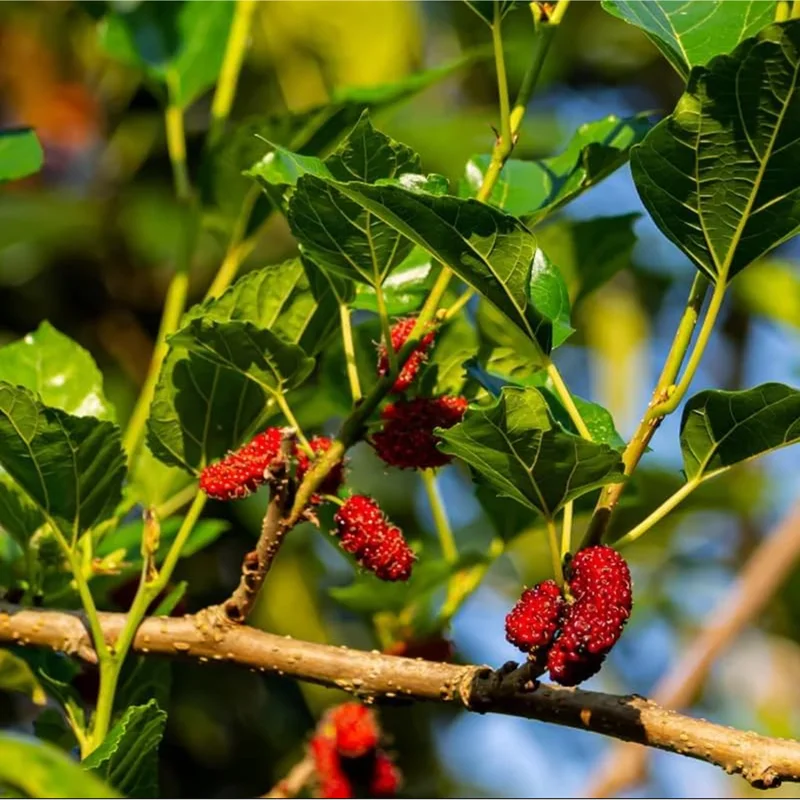
- Beautiful Deciduous Foliage: The variable, rough leaves provide an attractive green backdrop throughout the growing season, turning a pleasant yellow in the fall. The dark reddish-brown bark also adds visual interest, making it a beautiful deciduous fruit tree for any season.
- Edible Landscaping: Integrate a productive food source directly into your ornamental landscape design. The beauty of the tree combined with its fruit-bearing capabilities makes it a prime candidate for permaculture and edible garden designs.
- Supports Pollinators: While typically wind-pollinated, the tree’s flowers can still attract some early season pollinators, contributing to the overall health of your garden ecosystem.
Plant Care & Growing Tips
Proper mulberry plant care is essential for ensuring your red mulberry live plant thrives and produces an abundance of fruit. These trees are generally robust, but providing optimal conditions from the start will lead to the best results. When considering planting red mulberry, choose a location that receives ample sunlight. They prefer full sun for best fruiting, meaning at least 6-8 hours of direct sunlight per day. While they can tolerate part shade, fruit production may be reduced. Ensure the planting site has good air circulation to prevent fungal issues.
Red Mulberries are adaptable to various soil types, but they flourish in rich, moist, well-drained soil. They can tolerate sandy, clay, or loam soils, as long as drainage is adequate. The ideal soil pH ranges from 4.5 to 7.0. When planting, dig a hole twice as wide as the root ball and just as deep. Gently loosen the roots before placing the sapling in the hole, ensuring the top of the root ball is level with the ground. Backfill with soil, gently tamping down to remove air pockets, and water thoroughly. For young trees, consistent moisture is crucial. Once established, the sweet mulberry tree is quite drought-tolerant, requiring medium water use. Water deeply once or twice a week during dry periods, especially during the first few years.
Fertilization is not always necessary for a healthy deciduous fruit tree like the Red Mulberry, especially if planted in rich soil. However, if your soil is poor, a balanced, slow-release fertilizer can be applied in early spring before new growth begins. Follow package instructions carefully to avoid over-fertilization. Pruning should be done in late winter or early spring while the tree is dormant. Focus on removing dead, damaged, or crossing branches, and thin out overcrowded areas to improve air circulation and light penetration. This also helps shape the tree and can make fruit harvesting easier. Watch out for common pests like scale insects or mealybugs, and treat with horticultural oil or insecticidal soap if necessary. Fungal diseases are rare but can occur in overly wet or humid conditions; ensure good air circulation and avoid overhead watering.
Size & Details
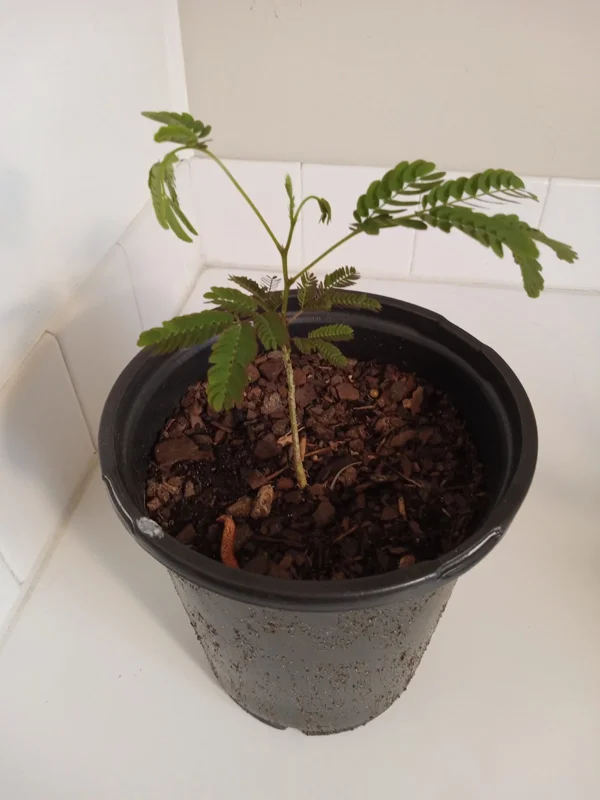
This offering includes a set of two red mulberry live plant starters, each measuring approximately 4-6 inches tall from the base of the stem to the top of the foliage. These are rooted plants, meaning they have an established root system, which significantly increases their chances of successful transplanting and growth. They are typically shipped in a small nursery pot or with their roots carefully wrapped to protect them during transit, ensuring they arrive in optimal condition for planting red mulberry. Red Mulberries are known for their vigorous growth rate, and these young saplings will quickly begin to establish themselves in your garden.
Upon maturity, a sweet mulberry tree can reach an impressive height of 30-60 feet or even taller, with a spread that can match its height, creating a broad, rounded canopy. The exact size will depend on growing conditions, climate, and pruning practices. Expect these small plants to grow several feet per year once established. Fruit production typically begins within 3-5 years after planting, with peak yields occurring as the tree matures. This deciduous fruit tree is a long-lived specimen, providing delicious fruit for many decades. The variable leaves, dark reddish-brown bark, and sweet, juicy fruits make it a highly desirable addition to any garden.
Frequently Asked Questions
- Q: How big will my red mulberry live plant get? A: A mature red mulberry live plant can reach an impressive height of 30-60+ feet tall with a similar spread, creating a large, spreading canopy. Its ultimate size depends on growing conditions and whether it’s pruned.
- Q: Is this an indoor or outdoor plant? A: The Red Mulberry is primarily an outdoor tree. It requires ample space to grow and thrives in garden settings where it can receive full sun and develop its extensive root system. It is not suitable as a permanent indoor houseplant.
- Q: How much sunlight does a sweet mulberry tree need? A: For the best fruit production, your sweet mulberry tree requires full sun, which means at least 6-8 hours of direct sunlight per day. It can tolerate partial shade, but fruiting may be reduced.
- Q: What condition will the plants arrive in? A: Your red mulberry live plant starters will arrive as rooted saplings, 4-6 inches tall, carefully packaged to ensure their health and vitality during transit. They will be ready for immediate planting upon arrival.
- Q: When is the best time for planting red mulberry? A: The ideal time for planting red mulberry trees is in the spring or early fall when the weather is mild, allowing the roots to establish before extreme heat or cold.
- Q: What kind of soil is best for mulberry plant care? A: For optimal mulberry plant care, Red Mulberries prefer rich, moist, well-drained soil. They are adaptable to various soil types, including sandy, clay, or loam, as long as drainage is good and the pH is between 4.5-7.0.
- Q: How long until my deciduous fruit tree produces fruit? A: A young deciduous fruit tree like the Red Mulberry typically begins producing fruit within 3-5 years after planting. Production will increase as the tree matures.
- Q: Is the red mulberry drought tolerant? A: Yes, once established, the Red Mulberry is quite drought-tolerant. Young trees will require regular watering, but mature trees have medium water needs and can withstand dry periods.
- Q: Do I need to prune my mulberry tree? A: Pruning is beneficial for shaping the tree, promoting air circulation, and removing dead or diseased branches. It is best done in late winter or early spring while the tree is dormant.
- Q: Can I use the fruits from my red mulberry live plant? A: Absolutely! The fruits of the red mulberry live plant are sweet and delicious, perfect for fresh eating, making jams, jellies, pies, or other culinary delights. They are a highly sought-after berry.




Reviews
There are no reviews yet.