Overview
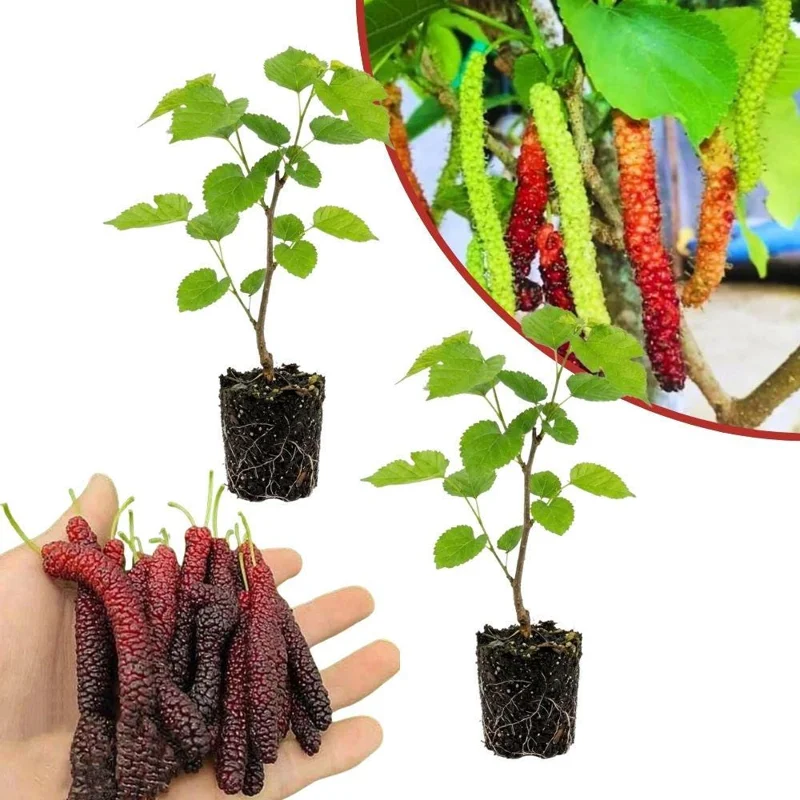
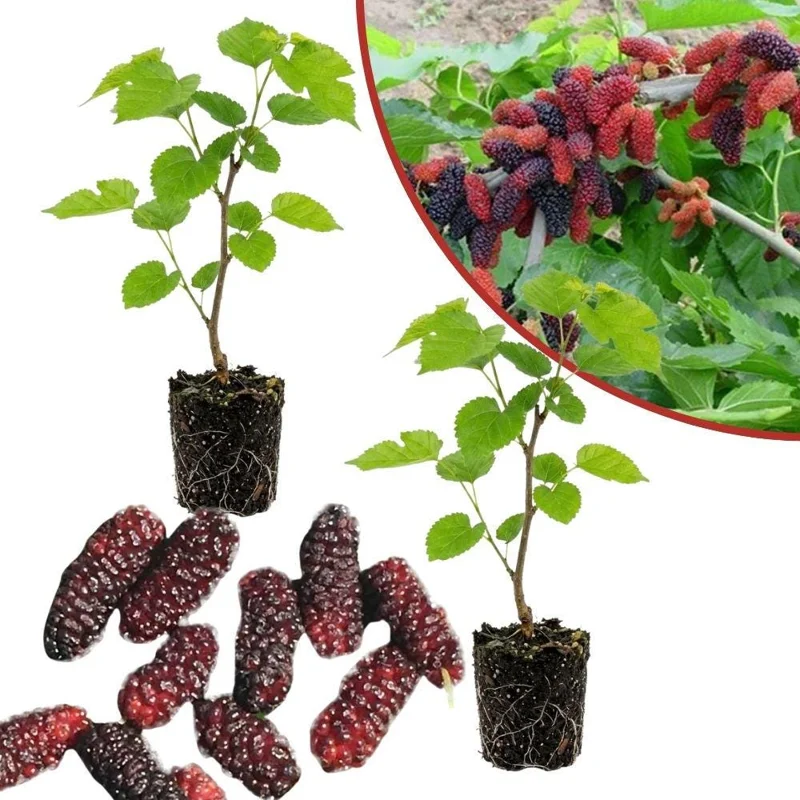
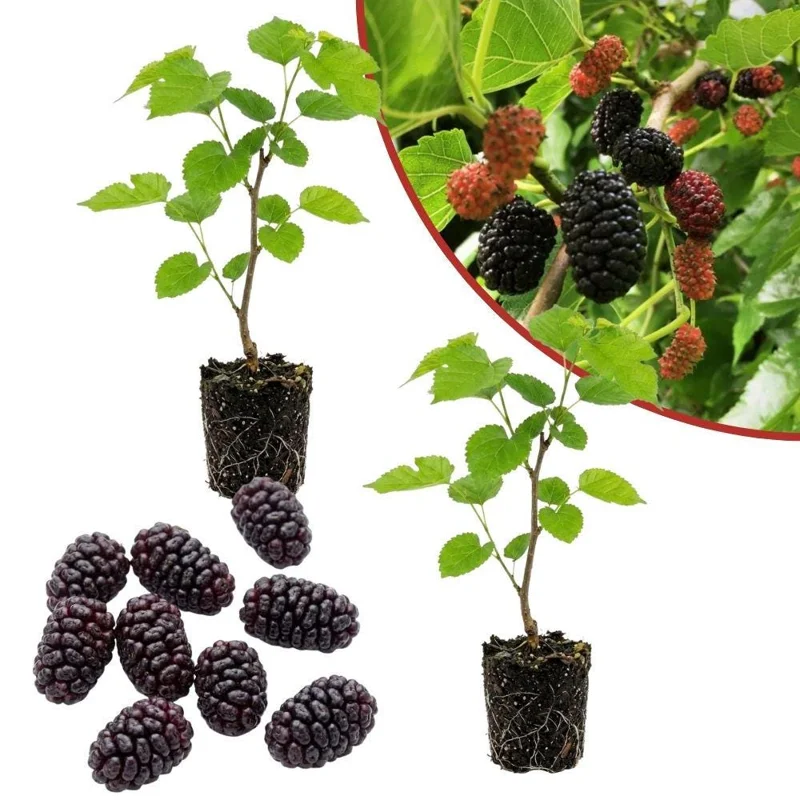
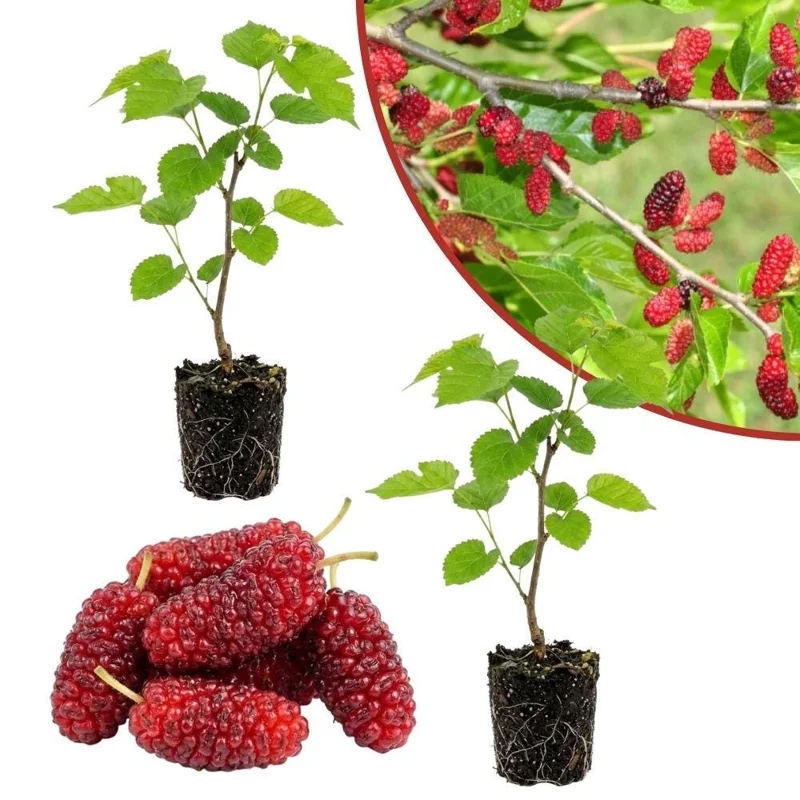
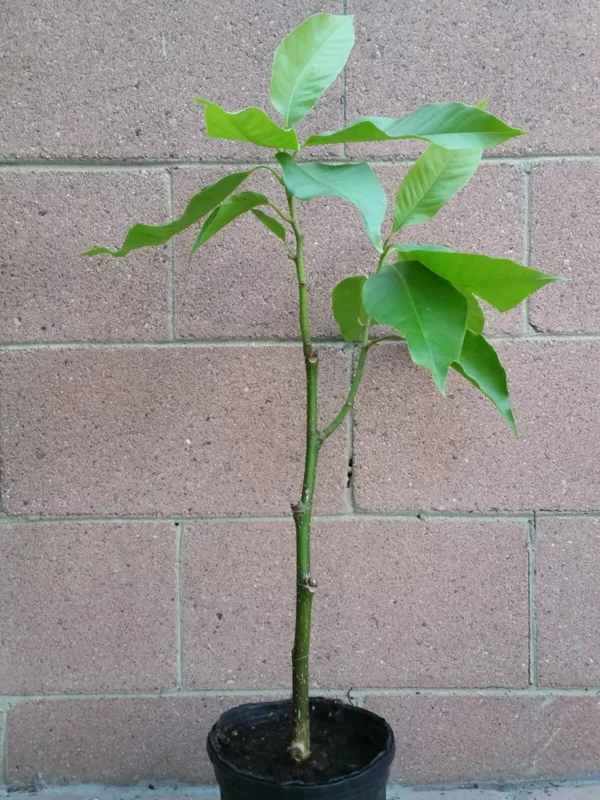
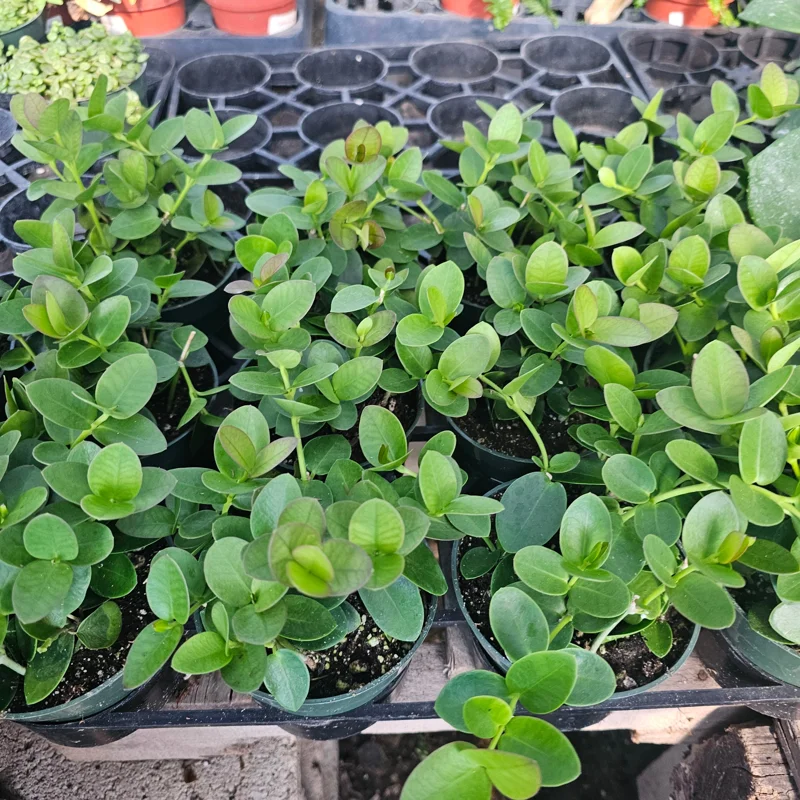
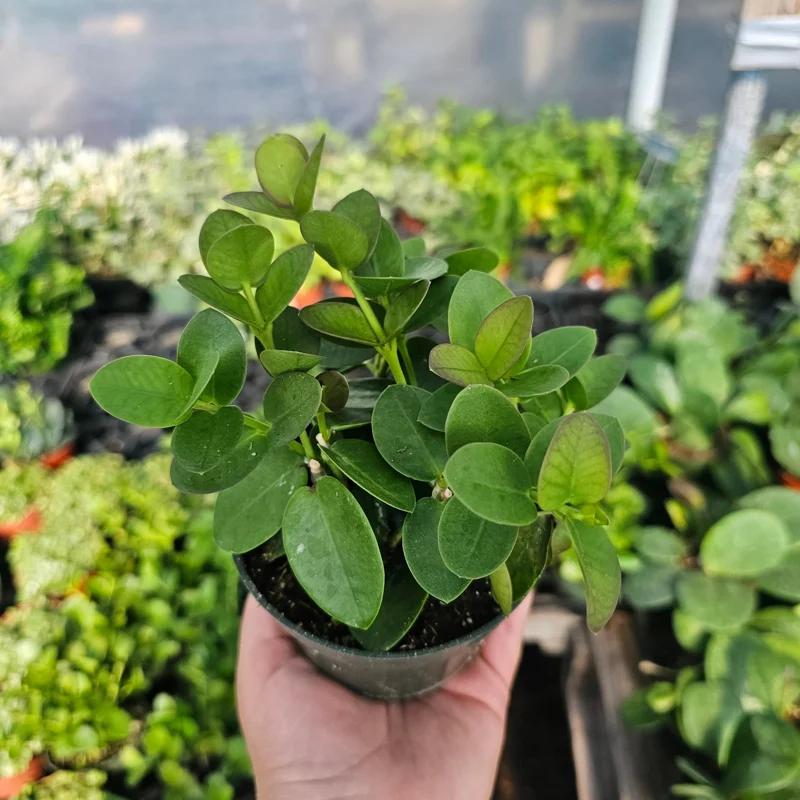
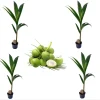
Transform your garden into a productive and beautiful space with this sweet mulberry live plant set. Mulberry trees are renowned for their rapid growth and the abundance of sweet, juicy berries they produce during the growing season. This offering includes two healthy live plants, each standing approximately 6-8 inches tall, perfectly sized for successful transplanting into your outdoor garden or orchard. Known for their lush green foliage, mulberry trees not only provide a bountiful harvest but also add significant aesthetic value, offering natural shade and visual interest to any landscape. They are a fantastic addition for gardeners seeking to grow their own fruit and enjoy the benefits of a thriving, natural environment. Whether you’re an experienced horticulturist or just starting your gardening journey, these young sweet mulberry live plant specimens are an excellent choice for cultivating a rewarding fruit-bearing tree.
Mulberry trees, scientifically known as Morus, are deciduous trees native to various temperate and subtropical regions. They are highly adaptable and relatively easy to care for, making them a popular choice for home gardens across the United States. The berries, which ripen in late spring to early summer, are celebrated for their distinctive sweet-tart flavor and can be enjoyed fresh off the tree, or used in a wide array of culinary applications. These plants are grown for both their ornamental beauty and their delicious fruit, making them a dual-purpose addition to any outdoor setting. Embrace the joy of homegrown produce and the natural beauty of a mature mulberry tree with this convenient twin pack.
Key Benefits
Adding a mulberry tree to your garden offers numerous advantages, from fresh fruit to environmental enrichment. These plants are not just producers; they are also attractive and contribute to a healthier ecosystem.
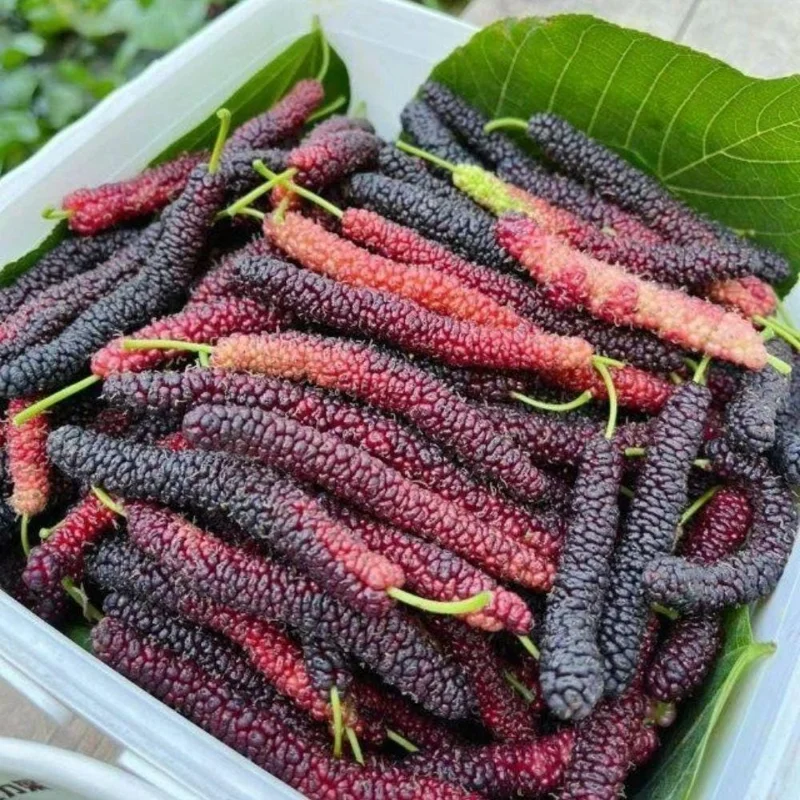
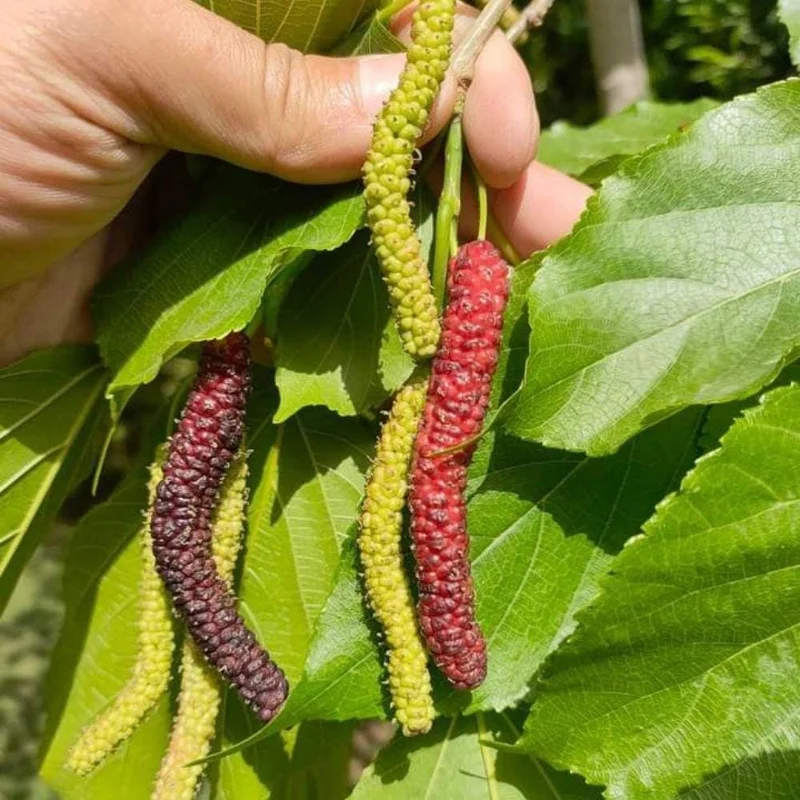
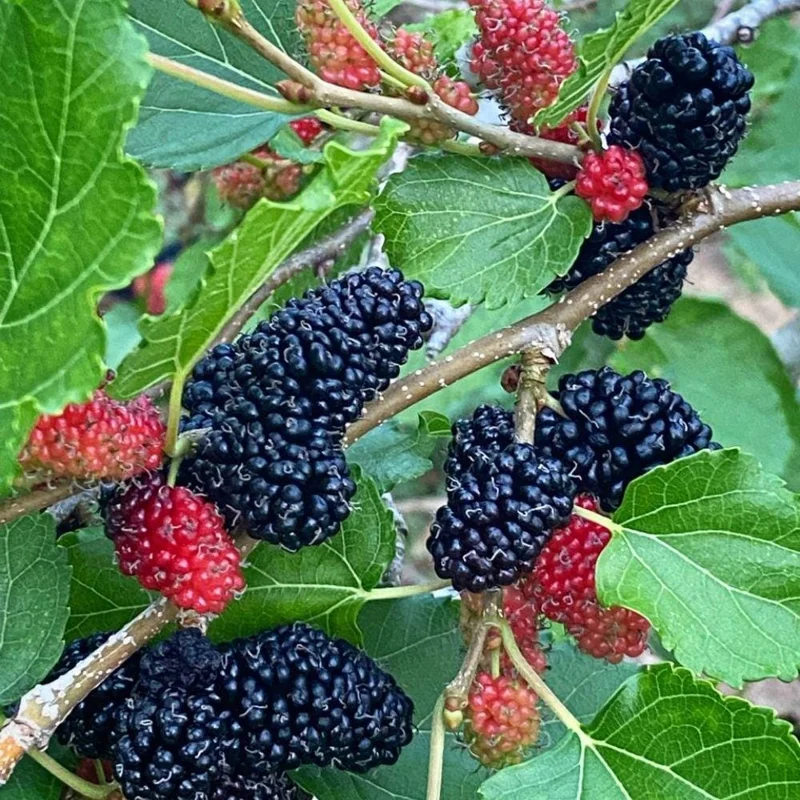
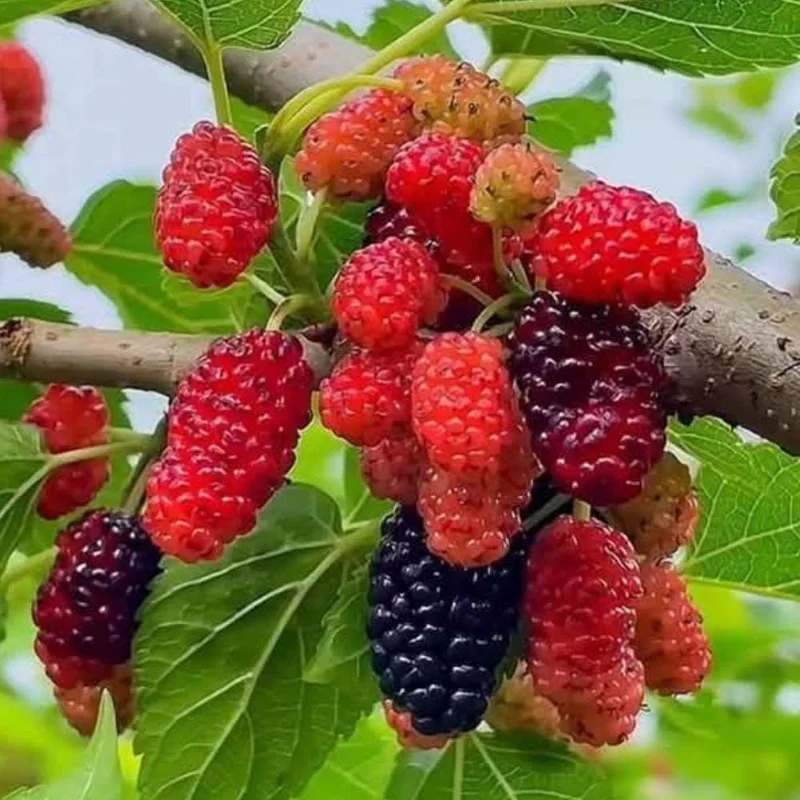
- Abundant and Delicious Fruit Production: Each sweet mulberry live plant will mature to produce clusters of succulent berries during the growing season. These berries are perfect for fresh eating, making jams, jellies, pies, and other baked goods, providing a continuous supply of homegrown, nutritious fruit.
- Enhances Outdoor Landscapes: With its dense green foliage and graceful form, the mulberry tree adds significant shade and visual interest to any outdoor space. It serves as an excellent focal point in a garden, providing a natural canopy for relaxation during warm months.
- Adaptable and Resilient Growth: Mulberry trees are known for their ability to adapt to various soil conditions and thrive in sunny environments. This resilience makes them a relatively low-maintenance option for both novice and experienced gardeners looking for a fruit-bearing tree.
- Supports Local Wildlife: The berries are not only a treat for humans but also attract various birds and other local wildlife, contributing to the biodiversity of your garden. This can create a vibrant and lively outdoor environment.
- Versatile Culinary Uses: Beyond fresh consumption, mulberry fruit can be frozen, dried, or incorporated into a vast range of recipes, from smoothies to wines. This versatility ensures that you can enjoy your harvest in many creative ways throughout the year.
- Fast Growing & Rewarding: Mulberry trees generally have a fast growth rate, meaning you won’t have to wait long to enjoy the benefits of shade and fruit. This makes the process of growing mulberries outdoors incredibly rewarding.
Plant Care & Growing Tips
Caring for your sweet mulberry live plant is straightforward, making it an excellent choice for gardeners of all skill levels. To ensure your mulberry tree thrives and produces a bountiful harvest, understanding its basic needs is crucial. Mulberry trees prefer full sun exposure, meaning they should receive at least 6-8 hours of direct sunlight daily. This ample sunlight is vital for fruit production and overall plant health. When choosing a location, consider the mature size of the tree, as it will grow to provide significant shade.
Mulberry trees are adaptable to a range of soil types but perform best in well-drained soil with a slightly acidic to neutral pH (6.0-7.0). Good drainage is essential to prevent root rot. If your soil is heavy clay, amending it with organic matter like compost can improve drainage and fertility. Water newly planted mulberries regularly to establish a strong root system, typically 1-2 times per week, especially during dry spells. Once established, they are relatively drought-tolerant but will benefit from consistent moisture during fruiting periods. Fertilize in early spring with a balanced, slow-release fertilizer to support vigorous growth and fruit development. Pruning is best done in late winter or early spring while the tree is dormant, focusing on removing dead, damaged, or crossing branches to maintain a strong structure and encourage air circulation. For those interested in mulberry tree care, regular observation for pests and diseases will help maintain the plant’s health.
These plants are quite hardy and can withstand a range of temperatures. They are generally suitable for USDA zones 5-9, though specific varieties may vary. Protecting young trees from harsh winter winds in colder zones can be beneficial. While relatively disease-resistant, watch out for common issues like powdery mildew or cankers, and address them promptly with appropriate organic or chemical treatments. Proper spacing from other plants will ensure good air circulation, which helps prevent fungal diseases. With thoughtful placement and consistent care, your sweet mulberry live plant will become a cherished and productive part of your garden for years to come, offering delicious fruit and a beautiful landscape feature. Learning about growing mulberries outdoors will ensure a successful and abundant harvest.
Size & Details
This offering includes a set of two sweet mulberry live plant specimens, each standing between 6-8 inches tall from the base of the root ball to the top of the foliage. These young plants are shipped in a nursery pot, ready for transplanting into your garden. At this size, they are ideal for establishing quickly and growing into mature, fruit-bearing trees. Mulberry trees are known for their relatively fast growth rate, typically adding 1-2 feet of height per year under optimal conditions, eventually reaching heights of 20-30 feet with a similar spread, depending on the variety and pruning practices. They are deciduous, meaning they will lose their leaves in the fall and regrow them in the spring.
The plants arrive carefully packaged to ensure their health during transit. Once planted, you can expect fruit production to begin within 2-3 years, with yields increasing as the tree matures. The berries typically ripen in late spring to early summer, providing a seasonal harvest. This set of two plants allows for greater pollination and potentially higher fruit yields, or the option to plant in different areas of your property. Understanding the potential mature size is essential for proper placement, ensuring adequate space for root development and canopy spread. These young trees represent a long-term investment in your landscape and culinary pursuits, promising years of delicious fruit and natural beauty.
Frequently Asked Questions
- Q: How big will these mulberry plants get? A: Each sweet mulberry live plant typically grows 20-30 feet tall and wide at maturity, depending on the specific variety and how it is pruned. They are fast-growing and will provide significant shade.
- Q: Are these suitable for indoor or outdoor planting? A: These mulberry plants are best suited for outdoor planting in a garden, orchard, or a large container that can be moved outdoors. They require full sun exposure to thrive and produce fruit.
- Q: How much sunlight does a mulberry tree need? A: Mulberry trees require at least 6-8 hours of direct sunlight per day to produce a healthy crop of berries and maintain vigorous growth. Choose a sunny spot in your garden.
- Q: Is this plant easy to care for, especially for beginners? A: Yes, mulberry trees are generally considered easy to care for and are quite resilient. They adapt well to various conditions, making them a good choice for beginners interested in growing mulberries outdoors.
- Q: What condition will the plants arrive in? A: The plants will arrive as healthy, live specimens, approximately 6-8 inches tall, shipped in a nursery pot with soil to ensure their well-being during transit. They will be ready for immediate planting.
- Q: When is the best time to plant these mulberry trees? A: The best time to plant mulberry trees is in early spring after the last frost, or in early fall before the ground freezes. This allows the roots to establish before extreme temperatures.
- Q: Can I use the fruit from this sweet mulberry live plant for making jams? A: Absolutely! The sweet and juicy berries produced by this plant are perfect for making delicious jams, jellies, pies, and other culinary treats. This is one of the key benefits of mulberry fruit benefits.
- Q: What is the recommended USDA hardiness zone for mulberry trees? A: Most mulberry varieties, including this one, are hardy in USDA Zones 5-9. This means they can tolerate winter temperatures down to -20°F (-29°C) when established.
- Q: How often should I water my newly planted mulberry tree? A: For newly planted mulberry trees, water regularly, about 1-2 times per week, especially during dry periods, to help establish a strong root system. Once established, they are more drought-tolerant.
- Q: Do I need more than one mulberry tree to get fruit? A: While some mulberry varieties are self-pollinating, having more than one tree can often lead to increased fruit production. This set of two plants is ideal for maximizing your harvest. If you’re looking to buy mulberry plant, a set is a great option.








Reviews
There are no reviews yet.