Overview
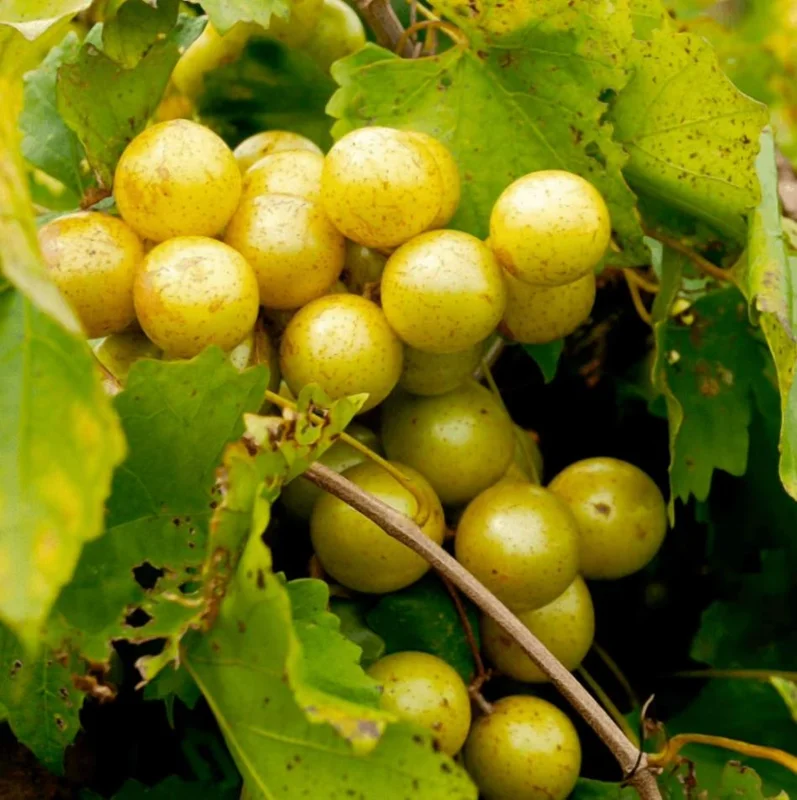
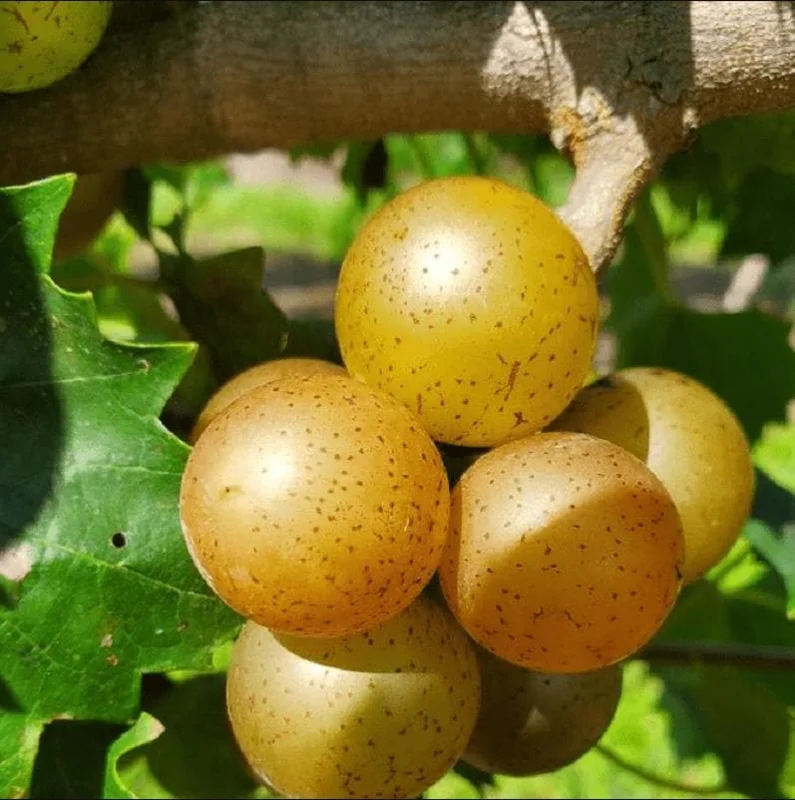
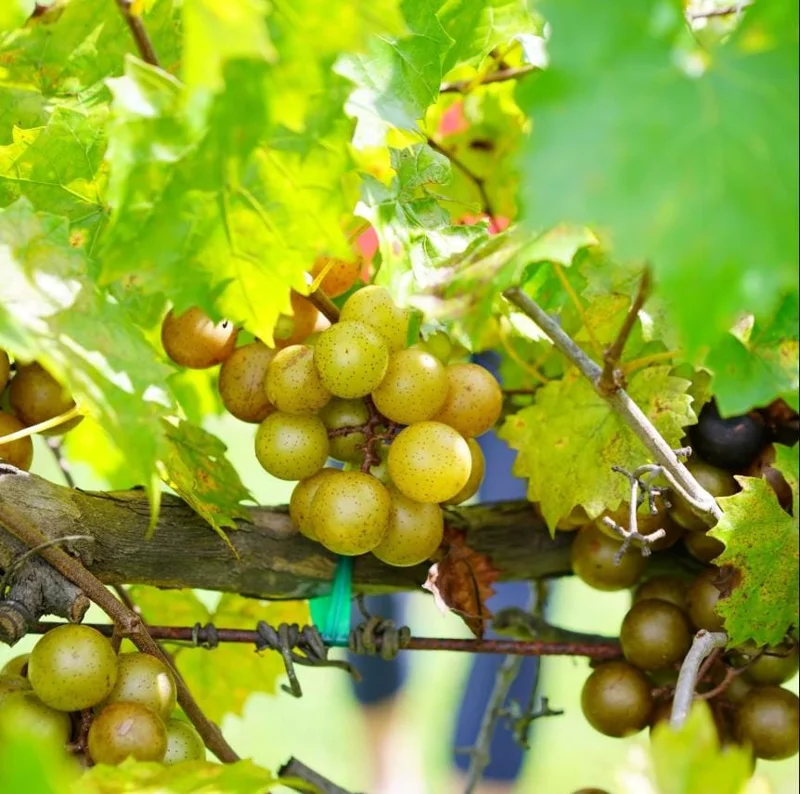
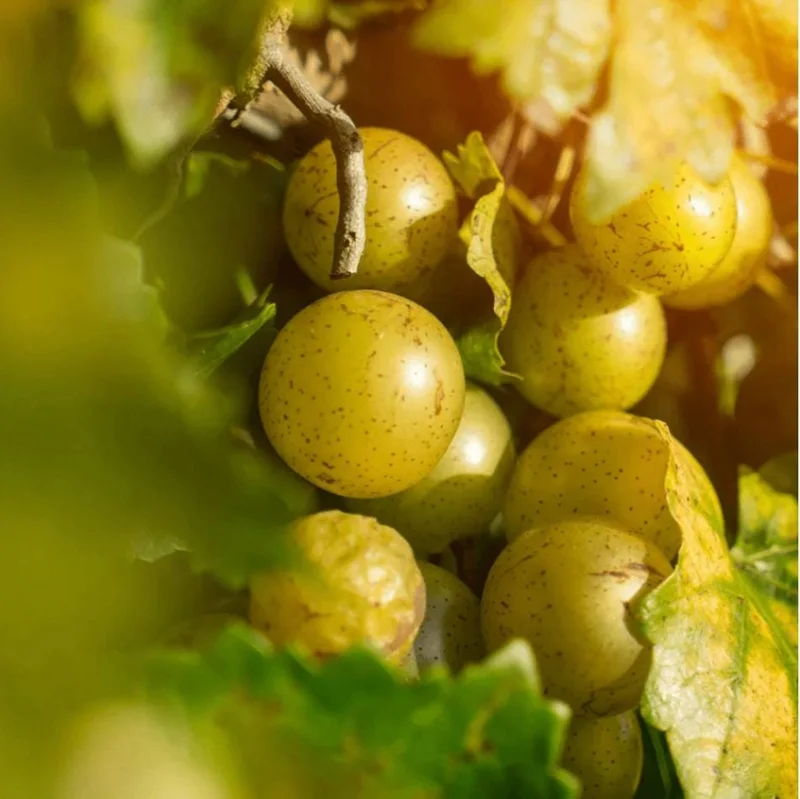
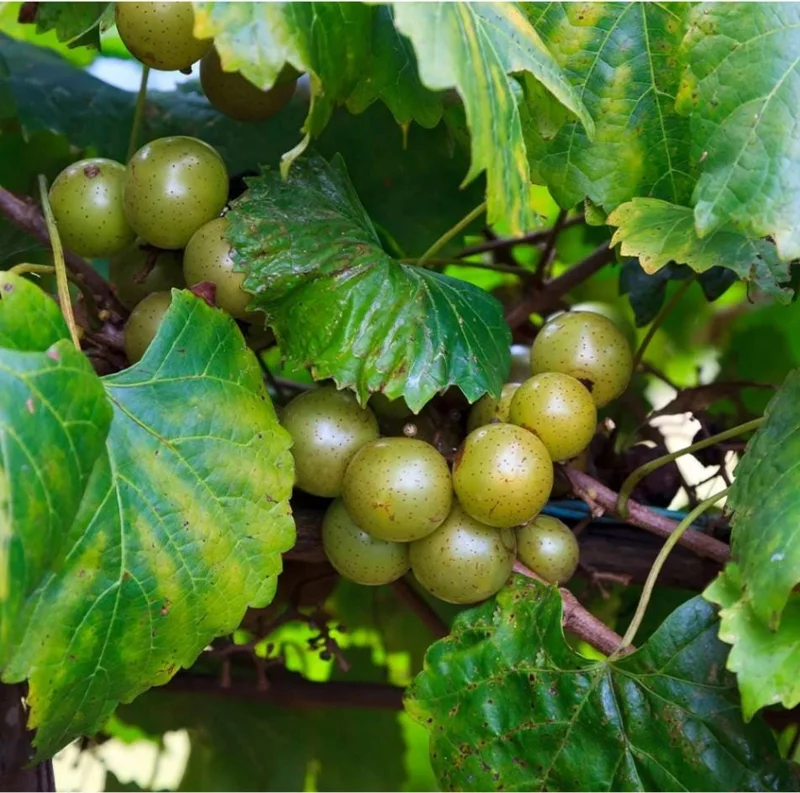
Start your own fruit-bearing garden with this exceptional set of three bronze muscadine grape bare roots. Specifically, these are the ‘Carlos’ variety of Vitis rotundifolia, renowned for its sweet, edible fruit and vigorous growth. Unlike many delicate grape varieties, the muscadine is a resilient and low-maintenance option, making it a fantastic choice for both novice and experienced gardeners. These bare roots arrive ready for planting, allowing you to establish a productive and beautiful muscadine vine that will provide a bounty of delicious grapes for years to come. The muscadine grape is a native North American species, well-adapted to warm, humid climates, and offers a unique flavor profile that is highly prized.
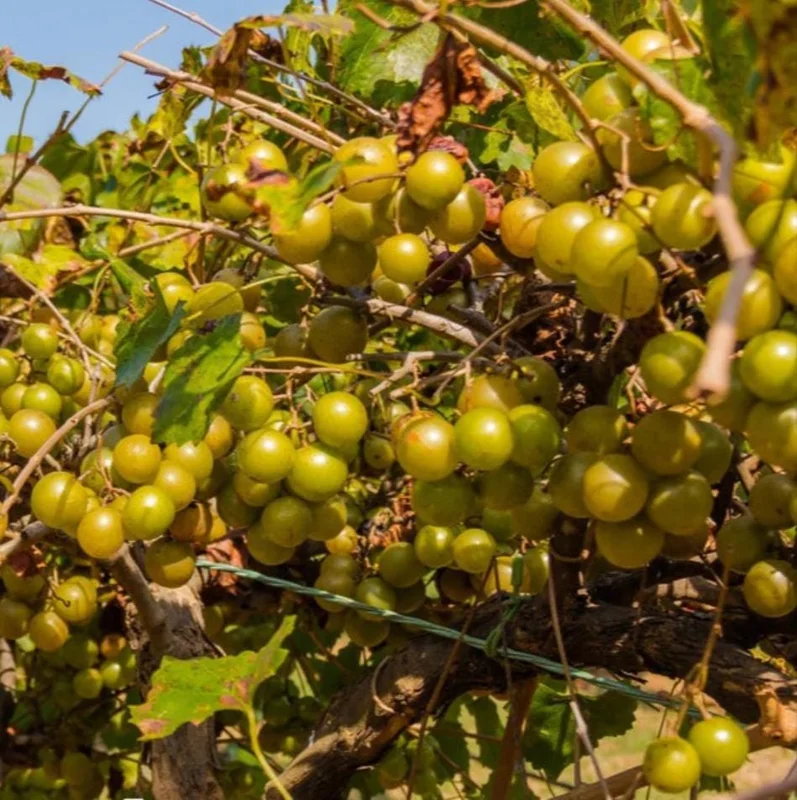
Each bare root is 3 to 5 inches tall, representing a healthy start for your future vineyard. The ‘Carlos’ variety is known for its consistent production and delicious bronze-colored fruit, making it a popular selection among muscadine enthusiasts. Planting muscadine vine planting is an investment that yields both aesthetic beauty and a delectable harvest, transforming your garden into a fruitful oasis. Prepare to enjoy the rich, sweet taste of homegrown muscadines, perfect for fresh eating, juicing, or making preserves.
Key Benefits
Growing your own bronze muscadine grape bare roots offers numerous rewards, from fresh, delicious fruit to an attractive garden feature. These benefits make the ‘Carlos’ muscadine a highly desirable addition to any landscape.
- Delicious, Edible Fruit: Enjoy a consistent harvest of sweet, juicy bronze muscadine grapes, perfect for fresh consumption, jams, jellies, juices, and even homemade wine. The ‘Carlos’ variety is particularly noted for its excellent flavor.
- Vigorous Growth Habit: This muscadine vine planting is a strong, climbing vine that quickly establishes itself and covers trellises, arbors, or fences, providing both shade and an abundant fruit yield.
- Disease Resistance: Muscadine grapes are inherently more resistant to many common grape diseases and pests compared to European grape varieties, leading to easier and more successful cultivation.
- Adaptable to Warm Climates: Thrives in USDA Zones 7-10, making it an excellent choice for southern and southeastern regions of the United States where other grapes may struggle.
- Low Maintenance: Once established, the Carlos muscadine grape requires relatively little care, making it suitable for gardeners seeking productive plants without excessive effort.
- Long Lifespan: A well-cared-for muscadine vine can produce fruit for many decades, offering a long-term return on your gardening investment.
- Nutrient-Rich Harvest: Muscadines are packed with antioxidants, vitamins, and fiber, contributing to a healthy diet with every bite of sweet muscadine fruit.
Plant Care & Growing Tips
Caring for your bronze muscadine grape bare roots is relatively straightforward, ensuring a bountiful harvest of sweet muscadine fruit. These robust vines prefer a specific set of conditions to thrive and produce their best. When considering Vitis rotundifolia care, proper light, water, and soil are paramount for success.
Muscadine grapes require full sun exposure, meaning at least 6-8 hours of direct sunlight daily for optimal fruiting. Plant your bare roots in a location where they will receive ample sunshine throughout the growing season. The soil should be well-draining and slightly acidic, with a preferred pH of 5.5-6.5. Amend heavy clay soils with organic matter to improve drainage. While established vines are somewhat drought-tolerant, consistent and moderate watering is crucial, especially during fruit development. Water deeply, ensuring the root zone is thoroughly moistened.
These vines thrive in warm, humid climates, ideally within USDA Zones 7-10. Fertilize your muscadine vines annually in early spring and again mid-season with a balanced fertilizer to support healthy growth and fruit production. Pruning is essential and should be done in late winter while the vine is dormant. This promotes new growth, improves air circulation, and enhances fruit yield. Provide strong support such as a trellis or arbor, as muscadines are vigorous climbing vines. While some muscadine varieties are self-fertile, others may benefit from a pollinator for increased fruit set. The ‘Carlos’ muscadine is generally self-fertile. Harvest your Carlos muscadine grape when the fruits are fully colored and slightly soft to the touch, typically in late summer to early fall.
Size & Details
This offering includes a set of three bronze muscadine grape bare roots, each measuring 3 to 5 inches tall. These bare roots are dormant and ready for planting, providing a strong foundation for future growth. Muscadine vines are known for their rapid growth rate, quickly establishing themselves into productive plants. They are typically planted in late winter or early spring, allowing them to root before the heat of summer. Expect these vines to begin producing fruit within 2-3 years, with yields increasing as the vine matures.
The mature size of a Vitis rotundifolia care vine can be substantial, often reaching lengths of 20 feet or more, which is why sturdy support is essential. The bare root format ensures easy shipping and planting, allowing the plant to acclimate quickly to its new environment. With proper muscadine vine planting and care, these roots will develop into robust vines capable of producing a generous harvest of sweet muscadine fruit.
Frequently Asked Questions
- Q: How big do these bronze muscadine grape bare roots get after planting? A: Once planted, these bare roots will grow into vigorous climbing vines that can reach lengths of 20 feet or more. They require sturdy support like a trellis or arbor to accommodate their growth.
- Q: Is this an indoor or outdoor plant? A: The bronze muscadine grape bare roots are intended for outdoor planting. They are best suited for USDA Zones 7-10 and require full sun exposure to thrive and produce fruit.
- Q: How much sunlight do these muscadine vines need? A: For best fruiting and growth, muscadine vines need at least 6-8 hours of direct sunlight daily. Choose a sunny location in your garden for muscadine vine planting.
- Q: Is this plant easy to care for? Is it good for beginners? A: Yes, the Carlos muscadine grape is relatively easy to care for once established, making it a good choice for beginners. Its natural disease resistance and adaptability contribute to its low-maintenance nature.
- Q: What condition will the bare roots arrive in? A: The bare roots will arrive dormant, meaning they will not have leaves or active growth, which is normal for bare root plants. They will be carefully packaged to maintain their viability during transit.
- Q: How long until these bare roots produce fruit? A: With proper Vitis rotundifolia care, you can typically expect your muscadine vines to begin producing sweet muscadine fruit within 2-3 years after planting. Yields will increase as the vine matures.
- Q: When is the best time to plant these bare roots? A: The ideal time for muscadine vine planting is in late winter or early spring, before new growth begins. This allows the roots to establish themselves before the warmer growing season.
- Q: What’s the minimum temperature these muscadine vines can tolerate? A: Muscadine grapes are hardy in USDA Zones 7-10. They can tolerate winter temperatures down to approximately 0°F to 10°F (-18°C to -12°C), but protection may be needed in the colder extremes of their range.
- Q: Do these muscadine grapes need a pollinator? A: The ‘Carlos’ muscadine variety is generally self-fertile, meaning it does not strictly require another muscadine vine for pollination to produce fruit. However, having other muscadine vines nearby can sometimes enhance fruit set.
- Q: Can I use the sweet muscadine fruit for making wine? A: Absolutely! The sweet muscadine fruit from the ‘Carlos’ variety is highly prized for making delicious homemade wines, as well as juices, jellies, and preserves.








Reviews
There are no reviews yet.