Overview
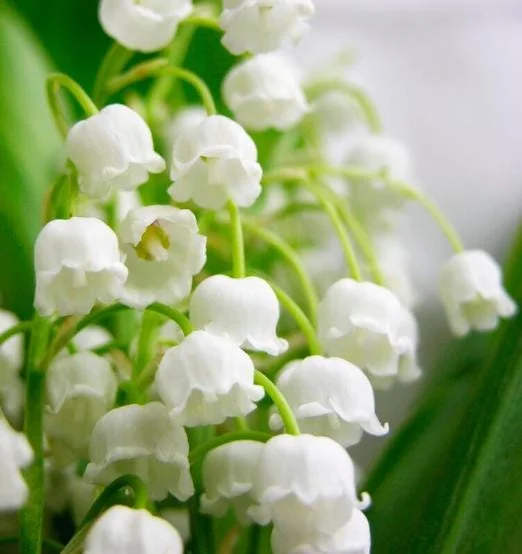
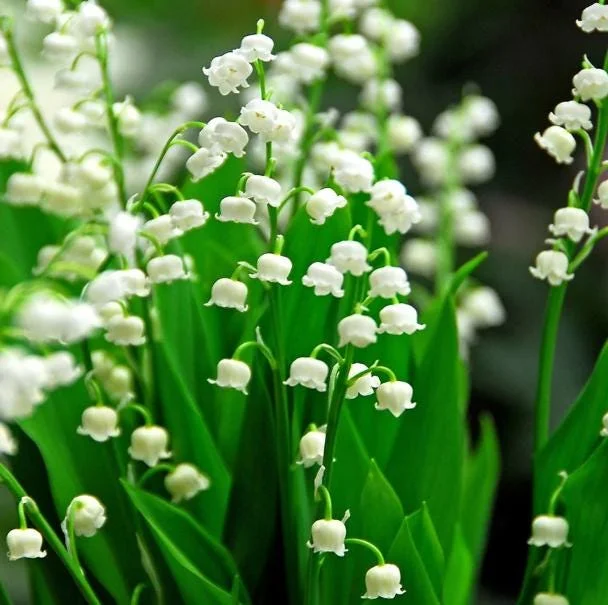
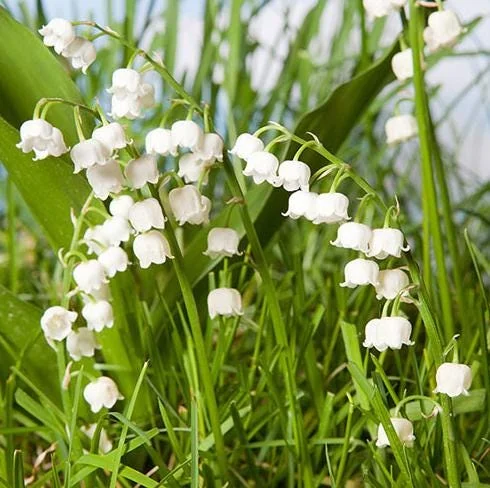
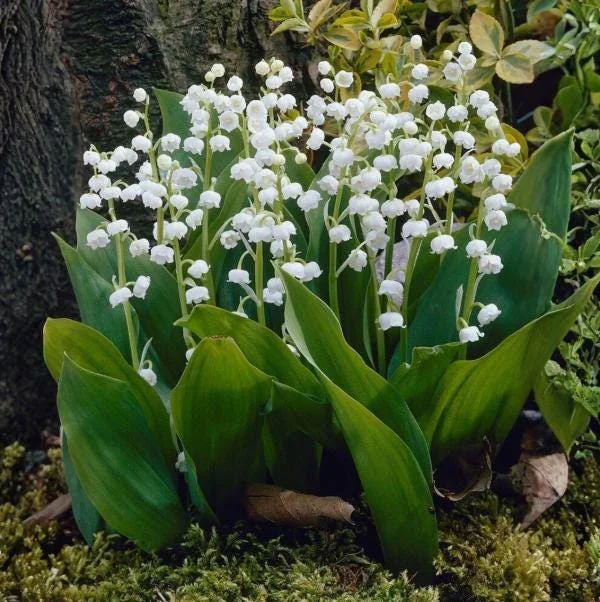
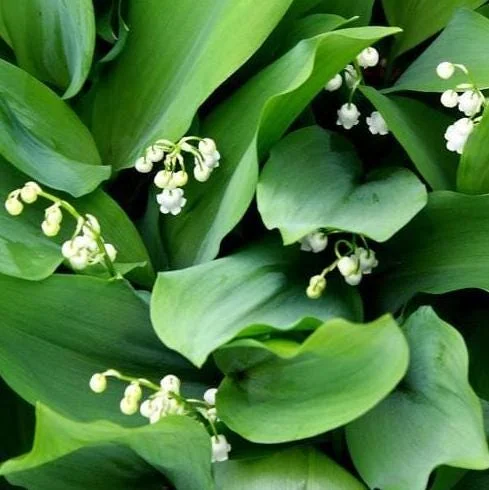
Introduce timeless elegance and enchanting fragrance to your garden with this Set of 5 Lily of the Valley Bulbs. Known scientifically as Convallaria majalis, Lily of the Valley bulbs are cherished for their delicate, bell-shaped white flowers and sweet, unmistakable perfume. These hardy perennials are a classic choice for shaded areas, woodland gardens, or as a charming groundcover. Each bulb will establish itself, forming dense colonies over time, providing a carpet of glossy green leaves and a profusion of fragrant blooms year after year. Perfect for creating a serene and aromatic landscape, these bulbs are an excellent way to bring natural beauty and a touch of old-world charm to your outdoor space. Enjoy the simplicity and enduring beauty of these beloved fragrant perennial flowers.
Planting white lily bulbs is a rewarding experience, especially when you choose the resilient and beautiful Lily of the Valley. These bulbs are ideal for gardeners seeking low-maintenance yet high-impact flora. Once established, they require minimal care, thriving in conditions that many other flowering plants find challenging. Their ability to naturalize and spread makes them perfect for filling out shady borders or creating a picturesque underplanting beneath trees and shrubs. The captivating scent of their blooms will transform your garden into a fragrant sanctuary each spring, making them a must-have for any enthusiast of classic garden flowers. Consider how to plant lily of the valley for best results.
Key Benefits
Investing in Lily of the Valley bulbs offers a multitude of advantages for your garden and sensory enjoyment. These resilient plants provide enduring beauty and fragrance with minimal effort. Here are some of the key benefits:
- Exquisite Fragrance: The primary allure of Lily of the Valley bulbs is their intoxicatingly sweet and delicate fragrance. Even a small patch can perfume an entire garden area, making them perfect for planting near windows, pathways, or seating areas. This natural aroma adds a luxurious sensory dimension to your outdoor living space.
- Shade Tolerance: Unlike many flowering plants that demand full sun, Lily of the Valley thrives in partial to full shade. This makes them an invaluable asset for brightening up dimly lit garden corners, woodland settings, or beneath dense tree canopies where other flowers struggle to grow. They are perfect for a shade garden plants collection.
- Low Maintenance Perennial: Once established, these fragrant perennial flowers are remarkably self-sufficient. They require little ongoing care, returning year after year with increasing vigor. This makes them an excellent choice for busy gardeners or those looking for a beautiful, hands-off solution.
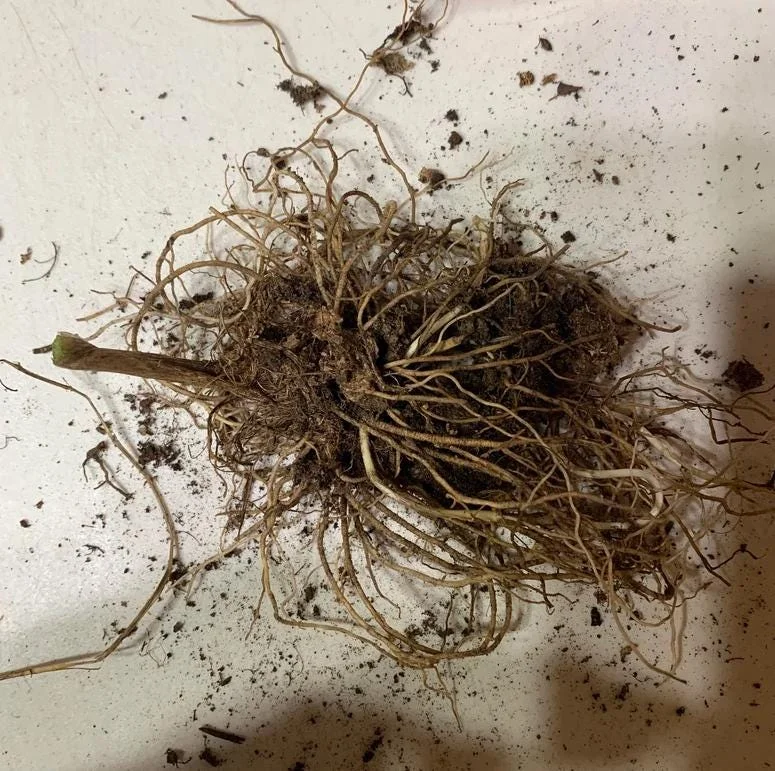
- Effective Groundcover: Lily of the Valley forms dense colonies through rhizomes, creating a lush, attractive groundcover. This helps suppress weeds, maintain soil moisture, and provides a uniform, verdant carpet that is both functional and aesthetically pleasing.
- Early Spring Blooms: Enjoy some of the first signs of spring with Lily of the Valley’s charming white bells. Their early blooming season provides a welcome burst of color and fragrance when many other plants are just beginning to emerge, extending your garden’s period of interest.
- Deer and Rabbit Resistant: These plants are generally left alone by deer and rabbits, making them a safe choice for gardens in areas prone to wildlife browsing. You can enjoy their beauty without worrying about them becoming a snack for local critters.
- Versatile Landscaping Use: Beyond groundcover, these bulbs are excellent for borders, rock gardens, containers, or naturalizing in woodland areas. Their classic appeal and adaptability make them suitable for a variety of garden styles and designs. Knowing how to plant lily of the valley effectively opens up many design possibilities.
Plant Care & Growing Tips
Caring for your Set of 5 Lily of the Valley Bulbs is straightforward, making them a joy for both novice and experienced gardeners. These resilient plants prefer a specific set of conditions to truly flourish and produce their best blooms. Understanding these requirements will ensure a healthy and vibrant display of fragrant perennial flowers.
Sunlight Requirements: Lily of the Valley prefers partial to full shade. While they can tolerate some morning sun, direct afternoon sun, especially in warmer climates, can scorch their leaves and reduce flowering. They are perfectly suited for planting beneath deciduous trees, on the north side of buildings, or in any area that receives filtered light throughout the day. This makes them ideal for a shade garden plants scheme.
Watering & Soil: Consistent moisture is key for these plants, particularly during their active growing and blooming season in spring. The soil should remain moist but never waterlogged. Overwatering can lead to rot. They thrive in rich, humus-rich woodland soil that is well-drained. Amending your soil with compost or other organic matter before planting will provide the ideal environment. Once established, they can tolerate slightly drier conditions, but regular watering during dry spells will ensure robust growth. When you plant lily of the valley, ensuring proper soil moisture is crucial.
Temperature & USDA Zones: Lily of the Valley is a hardy plant, suitable for USDA Zones 2 to 9. They prefer cooler temperatures, ideally between 40°F and 75°F (4°C to 24°C). They require a period of cold dormancy to set flowers for the following spring. In warmer zones (8-9), ensure they receive ample shade and consistent moisture to prevent stress. They are quite tolerant of winter cold once dormant.
Fertilization: These plants are not heavy feeders. A light application of a balanced, slow-release fertilizer in early spring, just as new growth emerges, is generally sufficient. Alternatively, top-dressing with a layer of compost each fall can provide a steady supply of nutrients and improve soil structure. Avoid over-fertilizing, as this can lead to excessive foliage at the expense of flowers. This helps your white lily bulbs thrive.
Common Problems: Lily of the Valley is generally pest and disease resistant. However, watch out for slugs and snails, especially in moist conditions, as they can chew on the foliage. Fungal diseases are rare but can occur in overly wet or poorly ventilated areas. Ensuring good air circulation and proper drainage will help prevent most issues. Remember that all parts of the Lily of the Valley plant are toxic if ingested, so plant them away from pets and curious children.
Size & Details
This offering includes a Set of 5 Lily of the Valley Bulbs, providing a solid foundation for establishing a beautiful patch of these fragrant perennial flowers in your garden. Each bulb is ready for planting and designed to establish quickly. Once mature, Lily of the Valley typically grows 6 to 12 inches (15-30 cm) tall and spreads indefinitely through its rhizomatous root system, forming dense colonies. The plants will spread approximately 6-12 inches (15-30 cm) wide per plant over time, making them an excellent choice for groundcover. Expect blooms in late spring to early summer, usually beginning in April or May, depending on your climate zone. The bulbs are shipped dormant, ready to be planted upon arrival. With proper care, these white lily bulbs will provide years of enchanting blooms and lush foliage.
Frequently Asked Questions
- Q: How big does this plant get? A: Lily of the Valley typically grows to a height of 6 to 12 inches (15-30 cm). It spreads horizontally through rhizomes, forming dense patches over time, often covering an area of 6-12 inches per plant.
- Q: Is this an indoor or outdoor plant? A: Lily of the Valley is primarily an outdoor plant, thriving in garden settings. While it can be forced to bloom indoors for a short period, it requires specific conditions and a cold dormancy period to flourish long-term, making it best suited for outdoor cultivation as shade garden plants.
- Q: How much sunlight does it need? A: These fragrant perennial flowers prefer partial to full shade. Too much direct sun, especially in the afternoon, can cause the leaves to scorch and reduce the abundance of blooms.
- Q: Is this plant easy to care for? A: Yes, Lily of the Valley is considered a very easy-to-care-for plant once established. It is low-maintenance and spreads readily, making it a great choice for gardeners of all experience levels.
- Q: What condition will the bulbs arrive in? A: The Lily of the Valley bulbs will arrive dormant, which is their natural state for planting. They will be ready to be planted directly into your garden.
- Q: Can I use Lily of the Valley bulbs in containers? A: While primarily a garden plant, Lily of the Valley can be grown in containers, especially if you want to control its spread. Ensure the container has good drainage and is placed in a shady spot.
- Q: How long until it blooms? A: These white lily bulbs typically bloom in late spring to early summer, usually within the first season after planting, given proper conditions and a successful establishment period.
- Q: When is the best time to plant Lily of the Valley bulbs? A: The best time to plant lily of the valley bulbs is in the fall or early spring, allowing them to establish their root system before the heat of summer or the chill of winter.
- Q: Will it survive winter in my zone? A: Yes, Lily of the Valley is very cold hardy and thrives in USDA Zones 2 to 9, meaning it will survive winter in most temperate climates and return each spring.
- Q: Is Lily of the Valley toxic? A: Yes, all parts of the Lily of the Valley plant are toxic if ingested. It is important to exercise caution, especially around children and pets, and to wear gloves when handling the plants if you have sensitive skin.






Reviews
There are no reviews yet.