Overview
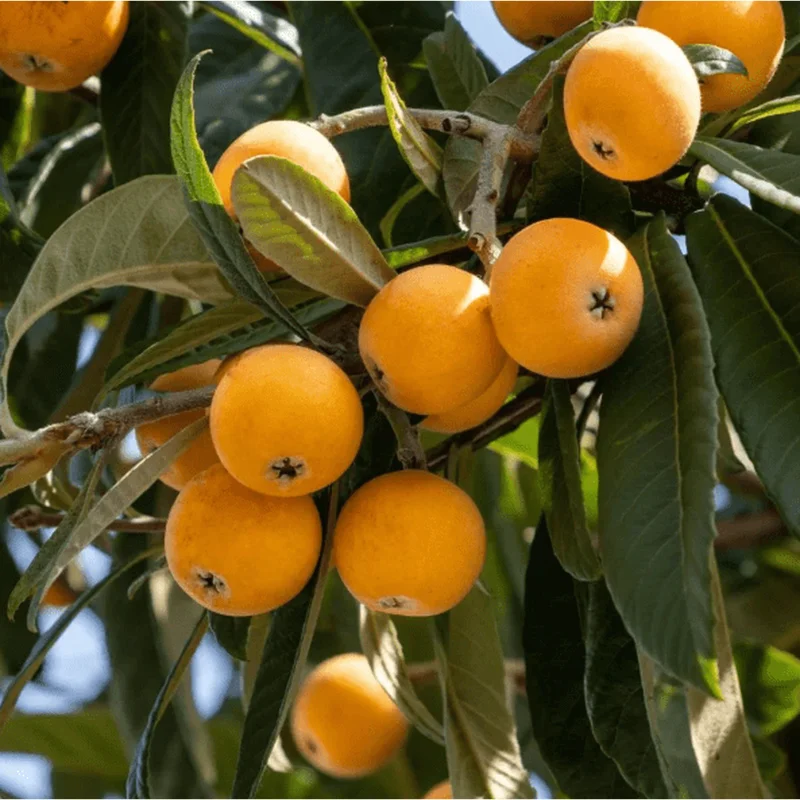
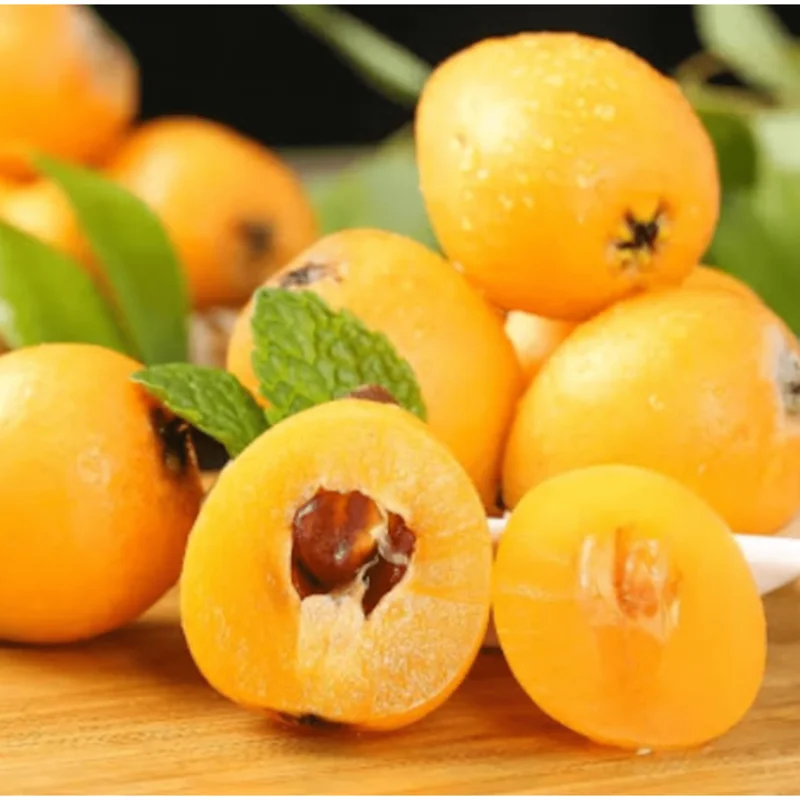
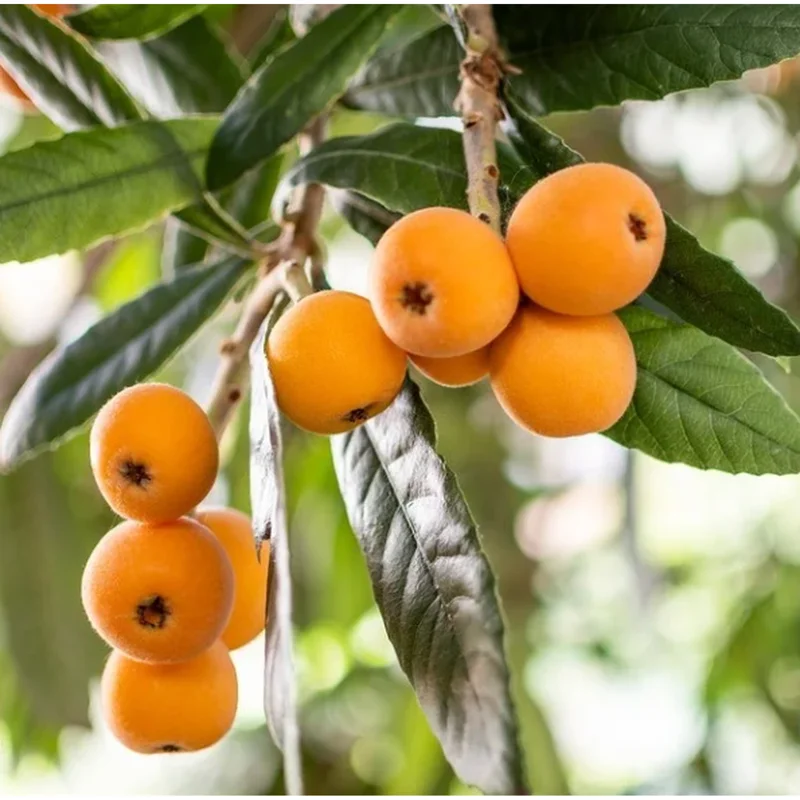
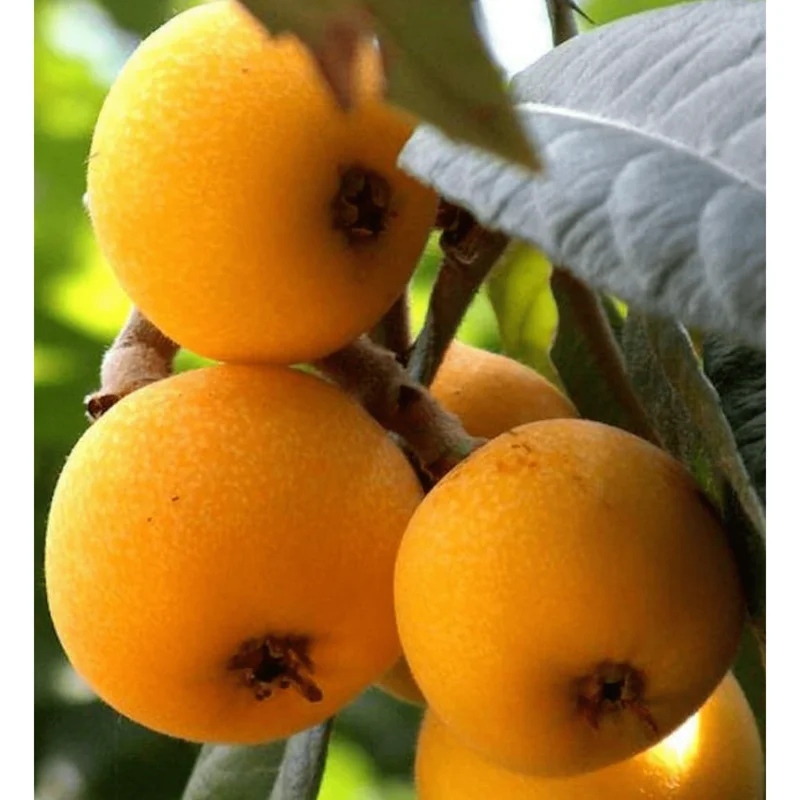
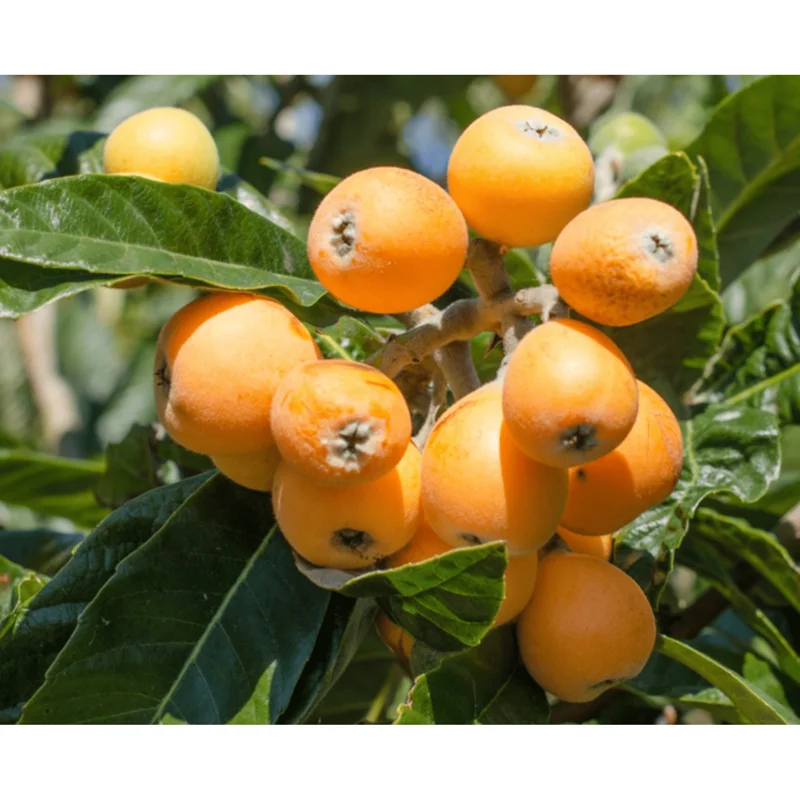
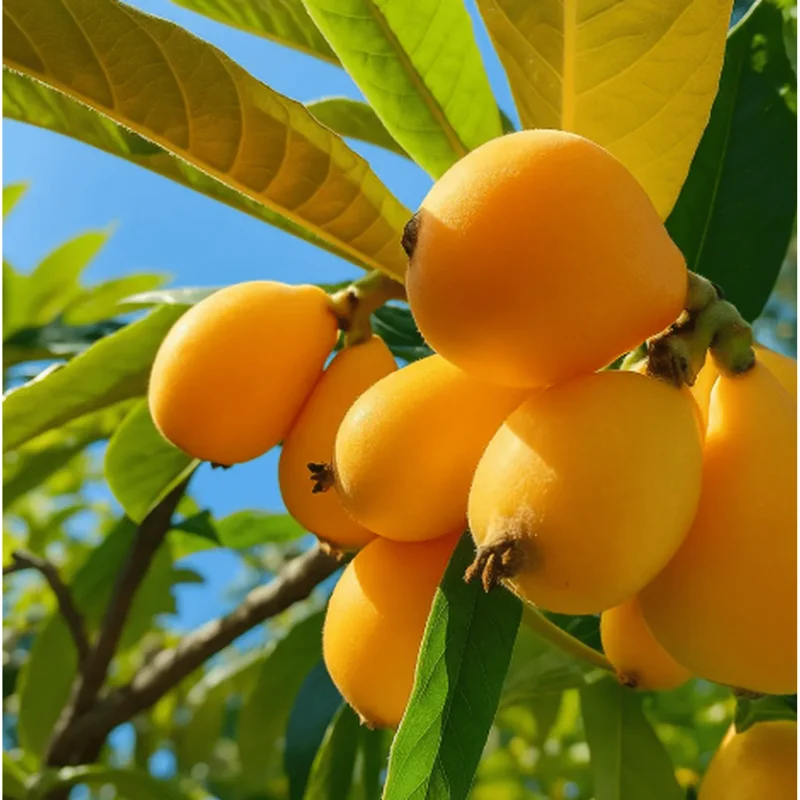
Cultivate your own delicious and exotic fruit with the loquat tree live plant. This particular offering is the renowned shambala loquat tree, celebrated for its robust growth and prolific production of large, sweet, and incredibly aromatic yellow-orange fruits. Known for their juicy flesh and remarkably few seeds, these loquats are a true culinary delight. Beyond its delectable harvest, the loquat tree is also a highly ornamental specimen, featuring attractive glossy green leaves that provide year-round interest. In fall to early winter, it graces the garden with fragrant white flowers, making it a captivating addition to any landscape. Ideal for those looking to add a unique and productive element to their outdoor space, this loquat tree live plant is a fantastic choice for both seasoned gardeners and enthusiastic beginners.
The loquat, scientifically known as Eriobotrya japonica, is an evergreen tree native to southeastern China. It has been cultivated for centuries for its fruit and aesthetic appeal. The ‘Shambala’ cultivar specifically stands out for its superior fruit quality, making it a highly sought-after variety among fruit tree enthusiasts. Whether you’re aiming to create a food forest, enhance your garden’s beauty, or simply enjoy fresh, homegrown fruit, this loquat tree live plant offers a rewarding experience.
Key Benefits
The shambala loquat tree offers a multitude of benefits, making it an excellent choice for a wide range of gardens and gardeners. From its ornamental value to its delicious fruit, this tree provides year-round appeal and utility. Growing a loquat fruit tree can truly transform your outdoor living space.
- Abundant, Sweet Fruit Production: Enjoy a generous harvest of large, sweet, and aromatic yellow-orange loquats with juicy flesh and few seeds. Perfect for fresh eating, jams, pies, and preserves.
- Ornamental Appeal: Featuring attractive, glossy evergreen leaves and fragrant white flowers that bloom in fall to early winter, this tree adds beauty and visual interest to your garden throughout the year.
- Vigorous Growth: The shambala loquat tree is known for its strong, healthy growth habit, quickly establishing itself and providing shade and beauty.
- Fragrant Blooms: The delicate white flowers are not only beautiful but also emit a pleasant fragrance, enhancing the sensory experience of your garden during the cooler months.
- Versatile Landscape Tree: Suitable for various garden designs, it can serve as a standalone specimen, a part of an edible landscape, or even in larger containers on patios.
- Relatively Low Maintenance: Once established, the loquat tree is quite resilient and requires moderate care, making it a good option for gardeners of varying skill levels.
- Early Season Fruit: Loquats are among the first fruits to ripen in spring, offering a welcome taste of freshness after winter.
Plant Care & Growing Tips
Caring for your loquat tree live plant is straightforward and rewarding, ensuring a healthy tree and bountiful harvests. Proper attention to its growing conditions will help your shambala loquat tree thrive. Understanding the specific needs of an outdoor fruit tree like the loquat is crucial for success.
Sunlight Requirements: Loquat trees perform best in full sun to partial shade. For optimal fruit production, aim for at least 6-8 hours of direct sunlight per day. While they can tolerate some shade, too little sun may reduce fruit yield and quality. Choose a location in your garden that receives ample light, especially during the morning hours.
Watering: This loquat tree live plant has moderate water needs. Keep the soil evenly moist, especially during flowering and fruit development. Once established, loquats are somewhat drought-tolerant but will benefit from regular watering during dry spells. Avoid overwatering, which can lead to root rot. Well-drained soil is paramount.
Soil & Fertilization: Loquats prefer well-drained soil, with loamy or sandy loam preferred. They can tolerate a range of soil types but thrive in slightly acidic to neutral pH. Incorporate organic matter into the soil at planting to improve drainage and fertility. Fertilize in early spring with a balanced slow-release fertilizer designed for fruit trees. Follow product instructions for application rates. Avoid fertilizing heavily in late summer or fall, as this can stimulate new growth that is vulnerable to winter cold.
Temperature & Hardiness: Ideal temperatures for the loquat tree are between 55°F and 85°F (13°C and 29°C). While mature trees can tolerate brief dips below freezing, young plants should be protected from hard frosts. Loquats are generally hardy in USDA Zones 8-10, though some varieties may extend to Zone 7 with protection. Note that in winter, the tree may shed some of its leaves, which is a natural process.
Size & Details
This offering is for a loquat tree live plant, specifically a ‘Shambala’ cultivar, ready for planting. The plant stands approximately 5 to 8 inches tall, providing a good head start for growth in your garden. It comes planted in a 4-inch nursery pot, ensuring its root system is well-established and protected for transplanting. This size is ideal for careful shipping and allows the plant to adapt quickly to its new environment. Expect this shambala loquat tree to grow into a medium-sized tree, typically reaching heights of 10-25 feet, though it can be kept smaller with pruning. It is shipped as a young, actively growing plant, carefully packaged to ensure its safe arrival. With proper care, you can look forward to your own delicious loquats in a few years.
Frequently Asked Questions
- Q: How big does this loquat tree live plant get? A: This ‘Shambala’ loquat tree typically grows to a height of 10-25 feet at maturity, though its size can be managed with pruning. It will provide a substantial canopy as it grows.
- Q: Is this an indoor or outdoor plant? A: The shambala loquat tree is primarily an outdoor fruit tree. While young plants can be overwintered indoors in colder climates, it requires significant space and light to thrive and fruit outdoors.
- Q: How much sunlight does a loquat tree need? A: For the best fruit production and overall health, your loquat fruit tree needs at least 6-8 hours of direct sunlight daily. It can tolerate partial shade, but fruit yield may decrease.
- Q: Is this plant easy to care for? A: Yes, the loquat tree is considered relatively easy to care for once established. It requires moderate watering and prefers well-drained soil. It’s a good choice for gardeners looking for a productive yet manageable fruit tree.
- Q: What condition will the loquat tree live plant arrive in? A: Your loquat tree live plant will arrive securely packaged in its 4-inch nursery pot, with its root ball intact. It will be a healthy young plant, ready for transplanting into your garden.
- Q: When is the best time to plant a loquat tree? A: The best time to plant a loquat tree is typically in spring or early fall, allowing the plant to establish its root system before extreme temperatures.
- Q: What kind of soil does a loquat tree prefer? A: The shambala loquat tree thrives in well-drained soil, preferably a loamy or sandy loam. Good drainage is crucial to prevent root issues.
- Q: Will this loquat tree live plant survive winter in my zone? A: Loquat trees are generally hardy in USDA Zones 8-10. If you are in a colder zone, you may need to provide winter protection for young trees or grow them in containers that can be moved indoors.
- Q: How long until this loquat fruit tree produces fruit? A: A young loquat fruit tree typically begins to produce fruit within 3-5 years after planting, depending on growing conditions and care.






Reviews
There are no reviews yet.