Overview
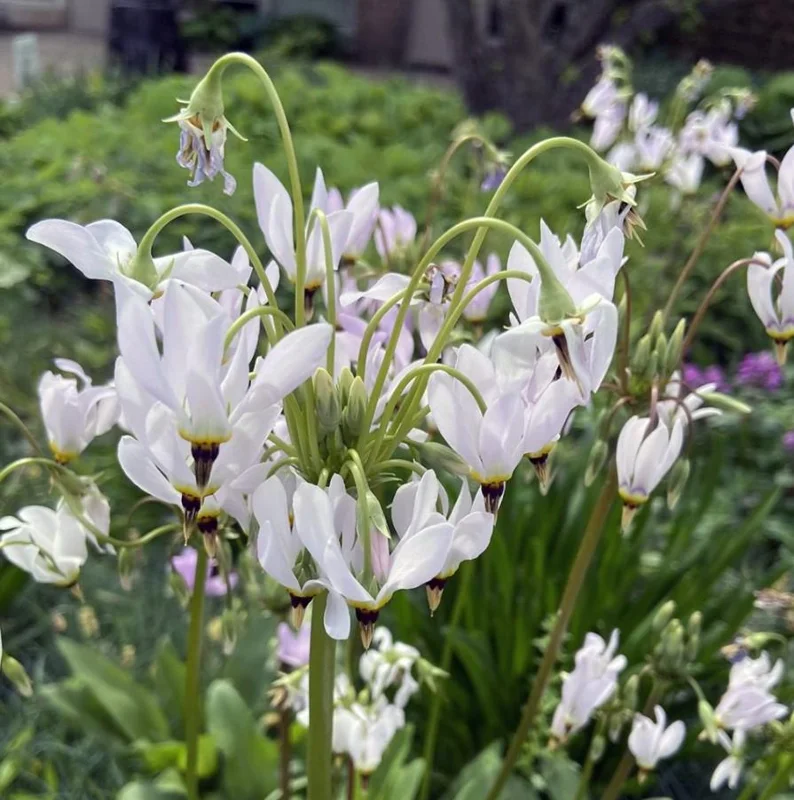
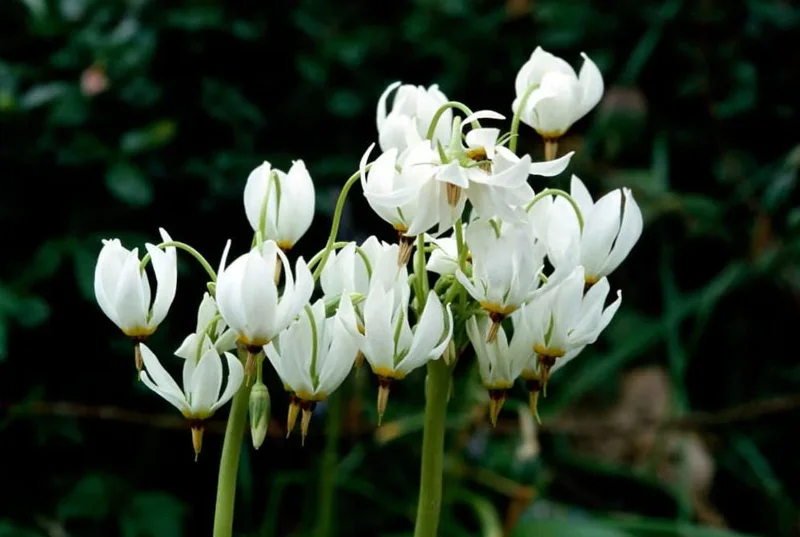
Transform your garden into a whimsical haven with shooting star flower bulbs. These exquisite Dodecatheon meadia perennials are renowned for their distinctive, swept-back petals that resemble tiny rockets poised for launch. Each set contains 5 healthy bulbs, ready to establish and beautify your landscape. Native to Eastern and Central North America, the shooting star flower bulbs are a fantastic choice for those looking to create a naturalized woodland garden or enhance a native plant collection. Their unique form and delicate pink or white blooms make them a captivating addition, signaling the arrival of spring with their vibrant display before entering summer dormancy. These low-maintenance, cold-hardy plants offer a touch of wild elegance, perfect for adding visual interest and supporting local ecosystems.
Key Benefits
Adding shooting star flower bulbs to your garden offers a multitude of benefits, enriching your outdoor space with their unique charm and ecological value. Their distinctive appearance and ease of care make them a favored choice among gardeners.
- Unique Aesthetic Appeal: The dramatic, swept-back petals of the shooting star create an eye-catching display, unlike most other spring flowers. Their rocket-like appearance adds a whimsical and captivating element to any garden bed, drawing attention and admiration.
- Excellent for Native & Woodland Gardens: As a species native to North America, dodecatheon meadia bulbs are perfectly suited for native plant landscaping and woodland settings. They integrate seamlessly, contributing to local biodiversity and providing habitat and food sources for native pollinators.
- Spring Blooming Perennial: Enjoy vibrant blooms early in the season, typically in spring, providing much-needed color after the winter months. As a perennial, these bulbs return year after year, establishing a lasting presence and reducing the need for annual replanting.
- Low Maintenance & Cold Hardy: Once established, these perennial flower bulbs require minimal care, making them an ideal choice for busy gardeners. They are cold-hardy, thriving in USDA zones 4-8, and can withstand various weather conditions, ensuring reliable performance.
- Adaptable to Partial Shade: Unlike many sun-loving flowers, shooting stars flourish in partial shade, making them perfect for under trees or in other shaded areas where other plants might struggle. This adaptability expands your planting options and helps fill challenging spots in your garden.
- Supports Pollinators: The flowers attract beneficial pollinators, such as native bees, contributing to the health and vitality of your garden ecosystem. Planting these bulbs helps support local insect populations and promotes a balanced environment.
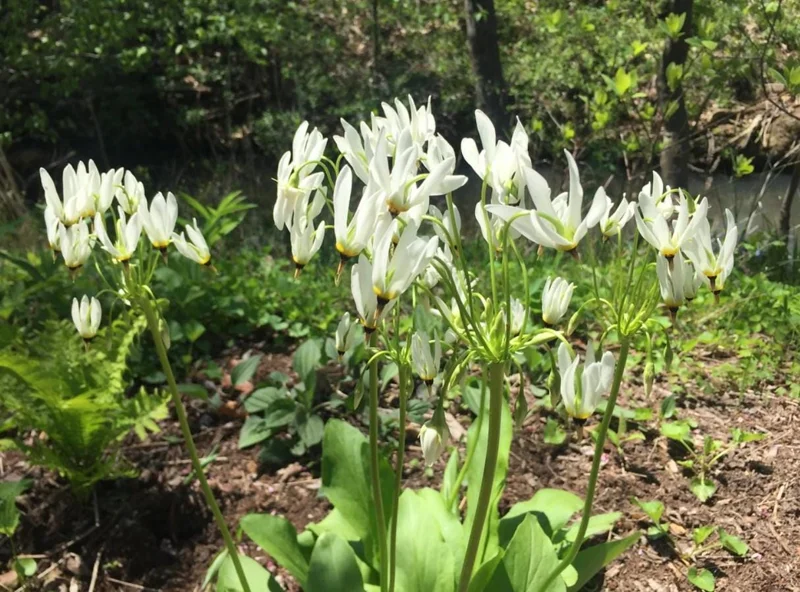
- Naturalizes Easily: Over time, shooting star flower bulbs can naturalize and spread, creating larger drifts of continuous bloom. This naturalization process enhances the wild, informal beauty of a woodland garden flowers setting without becoming invasive.
Plant Care & Growing Tips
Caring for your shooting star flower bulbs is straightforward, ensuring they thrive and provide beautiful blooms season after season. Understanding their specific needs for light, soil, and water will help you cultivate a robust and healthy planting.
Sunlight: Shooting stars perform best in partial shade, mimicking their natural woodland habitat. They appreciate morning sun followed by afternoon shade, or dappled light throughout the day. Avoid intense, direct afternoon sun, especially in warmer climates, as this can scorch their delicate foliage. Providing the right light conditions is crucial for vibrant blooms and healthy growth of your dodecatheon meadia bulbs.
Soil: These perennial flower bulbs prefer moist, well-drained, and humus-rich soil. Incorporating compost or other organic matter into your planting site will significantly improve soil structure, drainage, and fertility. Good drainage is essential to prevent bulb rot, particularly during their dormant period. A slightly acidic to neutral pH is generally ideal for optimal growth.
Watering: Keep the soil consistently moist during the active growing season (spring). Once the plant enters dormancy in summer, reduce watering significantly. Overwatering during dormancy can lead to bulb decay. Ensure the soil never becomes waterlogged, but also avoid allowing it to dry out completely when the plant is actively growing. Adequate moisture is key for healthy development of these native garden plants.
Temperature & Climate: Shooting star flower bulbs are cold-hardy, thriving in USDA zones 4–8. They are well-adapted to temperate climates, enduring winter cold and blooming in the spring. They become dormant in the heat of summer, which is a natural part of their life cycle. Protection from extreme summer heat, such as through shading, can be beneficial in the warmer end of their hardiness range.
Fertilization: Minimal fertilization is required for these resilient plants. A yearly application of compost or leaf mulch around the base of the plant in fall or early spring will provide sufficient nutrients. Avoid high-nitrogen fertilizers, which can promote leafy growth at the expense of flowers. Over-fertilization is generally unnecessary and can sometimes be detrimental.
Pest & Disease Management: Shooting stars are relatively trouble-free, with few serious pest or disease issues. Good air circulation and proper soil drainage will help prevent fungal problems. Slugs and snails can occasionally be an issue, especially in moist conditions; organic slug baits or hand-picking can manage these pests. Healthy growing conditions are the best defense against potential problems for your woodland garden flowers.
Size & Details
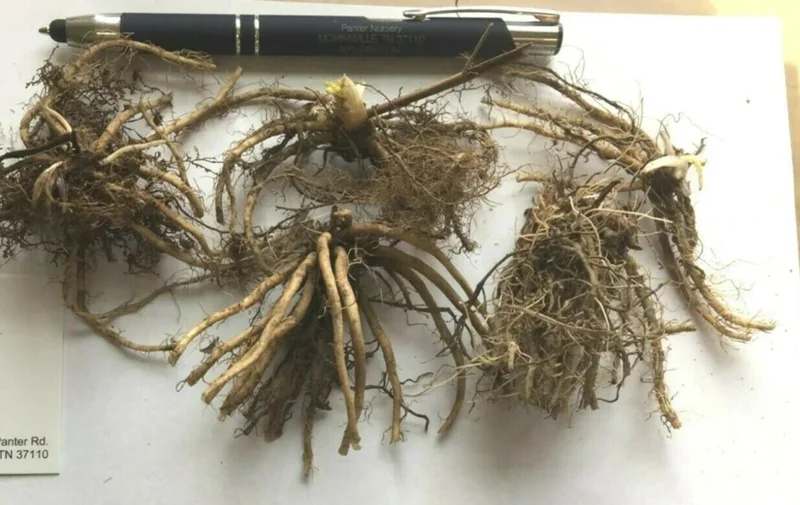
This offering includes a set of 5 shooting star flower bulbs (Dodecatheon meadia), ready for planting. Each bulb is carefully selected to ensure viability and robust growth. The plants typically form low clumps of attractive leaves, reaching a height of 8–12 inches (20–30 cm) when in bloom. The delicate flowers emerge on slender stems above the foliage, adding to their ethereal appearance. These dodecatheon meadia bulbs are shipped in a dormant state, which is ideal for successful transplanting and establishment. Expect blooms in the spring following fall or early spring planting, with the plant entering dormancy during the summer heat. With proper care, these perennials will establish themselves and provide years of beautiful spring displays, enhancing your native garden plants collection.
Frequently Asked Questions
- Q: How big do these shooting star flower bulbs get? A: Shooting star flower bulbs produce plants that typically form low clumps of leaves, reaching an average height of 8–12 inches (20–30 cm) when in bloom. The flowering stems stand elegantly above the foliage.
- Q: Is this an indoor or outdoor plant? A: Dodecatheon meadia is primarily an outdoor plant, ideally suited for garden beds, woodland settings, and naturalized areas. It is a cold-hardy perennial designed to thrive in outdoor environments.
- Q: How much sunlight do dodecatheon meadia bulbs need? A: These bulbs prefer partial shade. They thrive with morning sun and afternoon shade, or in areas with dappled light throughout the day, mimicking their native woodland habitat.
- Q: Is this plant easy to care for? A: Yes, once established, shooting star flower bulbs are considered low-maintenance. They require consistent moisture during spring growth but are quite resilient and cold-hardy, making them suitable for various gardeners.
- Q: What condition will the bulbs arrive in? A: The bulbs will arrive in a dormant state, which is the optimal condition for planting. This ensures they can establish properly in your garden before their active growth cycle begins.
- Q: When is the best time to plant perennial flower bulbs like these? A: The best time to plant shooting star flower bulbs is in the fall or early spring. This allows the bulbs to establish their root systems before the heat of summer or the onset of their spring bloom.
- Q: How long until these bulbs bloom? A: If planted in the fall, you can expect blooms in the following spring. If planted in early spring, they may bloom in the same season, depending on planting time and local climate conditions.
- Q: Will these native garden plants survive winter in my zone? A: Yes, these bulbs are hardy in USDA zones 4–8, meaning they are well-equipped to survive typical winter conditions within this range and return each spring.
- Q: What type of soil do woodland garden flowers prefer? A: They thrive in moist, well-drained, and humus-rich soil. Incorporating organic matter like compost is beneficial for providing the ideal growing medium.
- Q: Do these bulbs spread? A: Yes, shooting star flower bulbs can naturalize over time, slowly spreading to form charming clumps and adding to the natural beauty of your garden.



Reviews
There are no reviews yet.