Overview
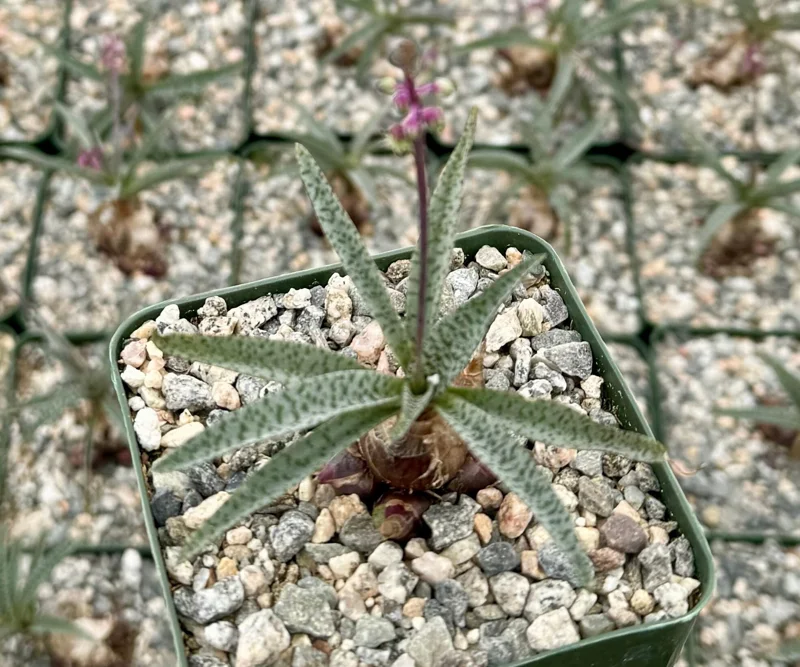
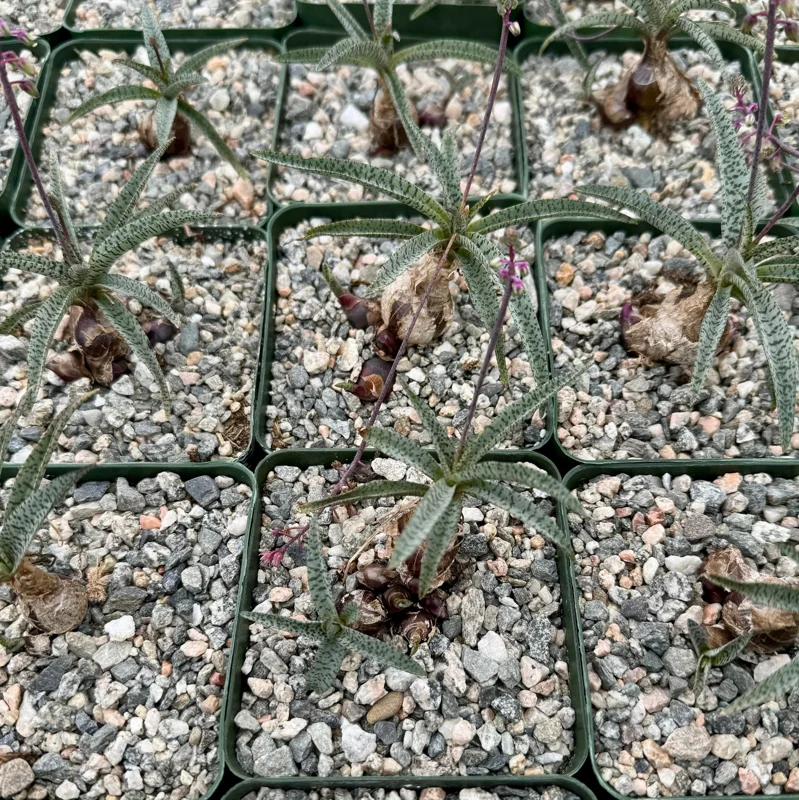
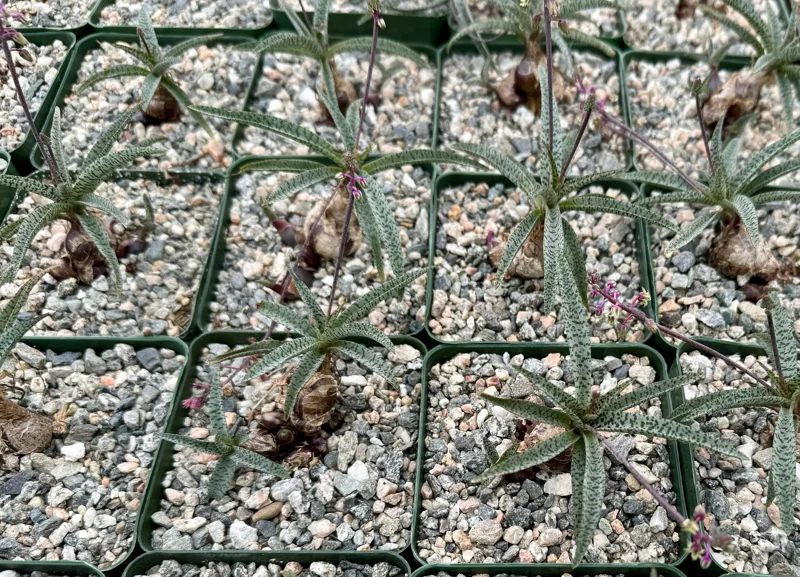
Welcome the captivating silver squill live plant (Ledebouria socialis) into your home or garden. Also known as the Silver Squill, this unique bulbous perennial is native to the Eastern Cape Province of South Africa and is celebrated for its distinctive foliage. Belonging to the Hyacinthaceae family, it shares a close lineage with popular hyacinths and squills, offering an exotic yet familiar charm. The silver squill live plant is primarily grown for its ornamental leaves, which showcase an attractive silvery-green color adorned with dark green spots or markings, creating a truly striking appearance. While it does produce small, subtle purple flowers on tall stalks, it’s the beautiful foliage that truly captures attention. This plant arrives as a fully rooted live plant, ready to be nurtured and enjoyed in its 3 inch pot, making it an excellent choice for both novice and experienced plant enthusiasts looking for an unusual and visually appealing specimen.
Key Benefits
The silver squill live plant offers a multitude of benefits, making it a desirable addition to any plant collection. Its unique aesthetic and relatively simple care requirements contribute to its widespread appeal, ensuring it brings joy without demanding excessive attention.
- Decorative Appeal: The most striking feature of the silver squill live plant is its highly attractive, patterned foliage. The silvery-green leaves with dark green spots provide a vibrant contrast and unique texture that can enhance any indoor space or container garden, adding a touch of exotic beauty.
- Low Maintenance: This plant is remarkably easy to care for, making it an ideal choice for beginners or those with busy schedules. It tolerates a range of conditions and doesn’t require constant attention, allowing you to enjoy its beauty with minimal effort.
- Unique Bulbous Structure: As an indoor bulbous plant, the Silver Squill develops an interesting above-ground bulb that adds another layer of visual interest to its overall appearance. This unique growth habit sets it apart from many other houseplants.
- Versatile Placement: Suitable for indoor gardens, windowsills, desks, or as part of a mixed container arrangement, its compact size makes it adaptable to various settings. It thrives in well-lit areas but can also tolerate slightly lower light conditions.
- Drought Tolerance: The Silver Squill is relatively drought-tolerant, thanks to its bulbous nature which stores water. This means it can withstand periods of neglect better than many other plants, reducing the risk of accidental underwatering.
- Conversation Starter: Its unusual appearance and distinctive foliage often spark curiosity and admiration, making it a great conversation piece for guests. The patterned foliage plant is truly one-of-a-kind.
- Adaptable to Various Conditions: The Ledebouria socialis plant, also known as the easy care houseplant, can adapt to a variety of indoor conditions, making it suitable for many different home environments. This resilience contributes to its popularity.
Plant Care & Growing Tips
Caring for your silver squill live plant is straightforward, ensuring it remains a vibrant and healthy addition to your home. Understanding its basic needs for light, water, and soil will help it thrive. This plant is known for being an easy care houseplant, perfect for those new to plant parenting.
When it comes to sunlight, the Silver Squill prefers bright, indirect light. A spot near a south or east-facing window where it receives plenty of ambient light but is protected from harsh direct sun is ideal. While it can tolerate some morning sun, intense afternoon sun can scorch its delicate leaves. Inadequate light may lead to leggy growth and less vibrant foliage. For watering, allow the soil to dry out almost completely between waterings. This indoor bulbous plant stores water in its bulb, making it susceptible to rot if overwatered. During its dormant period in winter, reduce watering significantly. Good drainage is crucial, so ensure your pot has drainage holes and the soil doesn’t remain soggy.
The ideal soil for ledebouria socialis care is a well-draining potting mix. A succulent or cactus mix, or a standard potting mix amended with perlite or coarse sand, works very well. This ensures proper aeration for the roots and prevents water retention. The plant thrives in average room temperatures, typically between 60-75°F (15-24°C), and can tolerate normal household humidity levels. It is generally hardy in USDA zones 9-11 if grown outdoors, but it is primarily cultivated as an indoor plant in cooler climates. Fertilize sparingly during the growing season (spring and summer) with a diluted liquid fertilizer, about once a month. Avoid fertilizing in fall and winter. Common problems are usually related to overwatering, leading to bulb rot; ensure proper drainage and let the soil dry out. Pests are rarely an issue, but inspect occasionally for common houseplant pests like mealybugs.
Size & Details
This silver squill live plant comes carefully packaged in a 3 inch nursery pot, providing a perfect start for its new home. At the time of shipment, the plant typically stands approximately 4-6 inches tall, including the pot, with a spread of about 3-5 inches, making it a compact and desk-friendly size. The bulb itself is usually visible above the soil line, contributing to its unique aesthetic as a patterned foliage plant. It is shipped as a fully rooted, healthy specimen, ready to continue growing in your environment. The growth rate is moderate, and with proper ledebouria socialis care, it will gradually increase in size, developing more leaves and potentially producing small flower stalks. While primarily grown for its ornamental foliage, the mature plant will periodically produce delicate purple flowers.
Frequently Asked Questions
- Q: How big does this plant get? A: The silver squill live plant typically grows to about 6-8 inches tall and wide when mature, though it can sometimes reach up to 10-12 inches under optimal conditions. It remains a relatively compact houseplant.
- Q: What size pot does it come in? A: This plant is shipped in a 3 inch nursery pot, which is a suitable size for its initial growth. You may consider repotting it into a slightly larger pot, about 4-5 inches, after it has acclimated to its new environment.
- Q: Is this an indoor or outdoor plant? A: While the Silver Squill can be grown outdoors in USDA zones 9-11, it is most commonly cultivated as an indoor bulbous plant in the US due to its preference for warmer temperatures and protection from frost.
- Q: How much sunlight does it need? A: The Silver Squill thrives in bright, indirect light. Avoid harsh, direct afternoon sun, which can scorch its leaves. A spot near an east or south-facing window is usually ideal for optimal growth and vibrant foliage.
- Q: Is this plant easy to care for? A: Yes, the silver squill live plant is considered an easy care houseplant, making it an excellent choice for beginners. Its main requirements are bright indirect light and infrequent watering, allowing the soil to dry out between sessions.
- Q: What condition will it arrive in? A: Your Silver Squill will arrive as a healthy, fully rooted live plant in its nursery pot, carefully packaged to ensure its safe journey. It will be ready to display and enjoy immediately upon unboxing.
- Q: Is it shipped in soil? A: Yes, the plant is shipped securely in its original potting medium within the 3 inch nursery pot. This minimizes stress during transit and allows for a smooth transition to your home.
- Q: Does this plant flower? A: Yes, the Silver Squill does produce small, delicate purple flowers on tall stalks, though it is primarily grown for its striking patterned foliage plant. The flowers are an added bonus during its blooming season.
- Q: Is this plant pet-safe? A: It’s generally recommended to keep the Silver Squill out of reach of pets, as some sources indicate it may be mildly toxic if ingested. Always err on the side of caution with houseplants and pets.
- Q: What is the best soil for ledebouria socialis care? A: For optimal ledebouria socialis care, use a well-draining potting mix, such as a succulent or cactus blend. Adding perlite or coarse sand to a standard potting mix can also improve drainage and aeration.




Reviews
There are no reviews yet.