Overview
Introduce a touch of native charm and ecological richness to your landscape with the spicebush live plant (Lindera benzoin). This remarkable deciduous shrub, known for its aromatic leaves and vibrant red berries, is a true gem for any garden. Often found thriving along streams and in moist woodland settings across Eastern North America, the Lindera benzoin shrub is celebrated for its ability to attract a diverse array of wildlife, including birds, various pollinators, and, most notably, the beautiful spicebush swallowtail butterflies. This starter plant, currently 10-14″ tall and grown in a 1 Quart Pot, offers a fantastic opportunity to establish a robust and beneficial plant in your outdoor environment. Its adaptability to various conditions and its seasonal interest make it a must-have for those looking to create a thriving ecosystem.
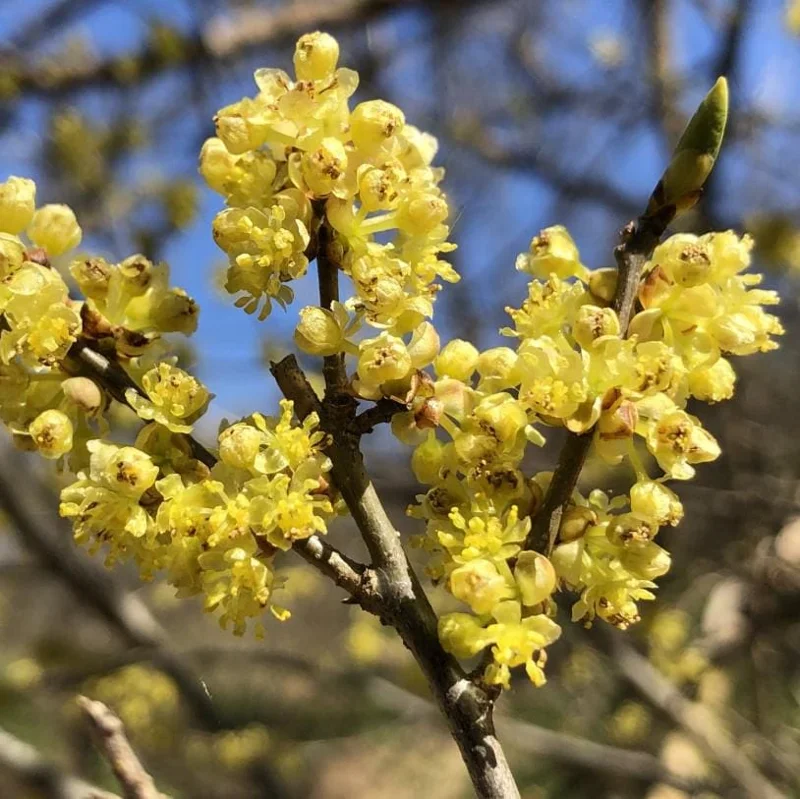
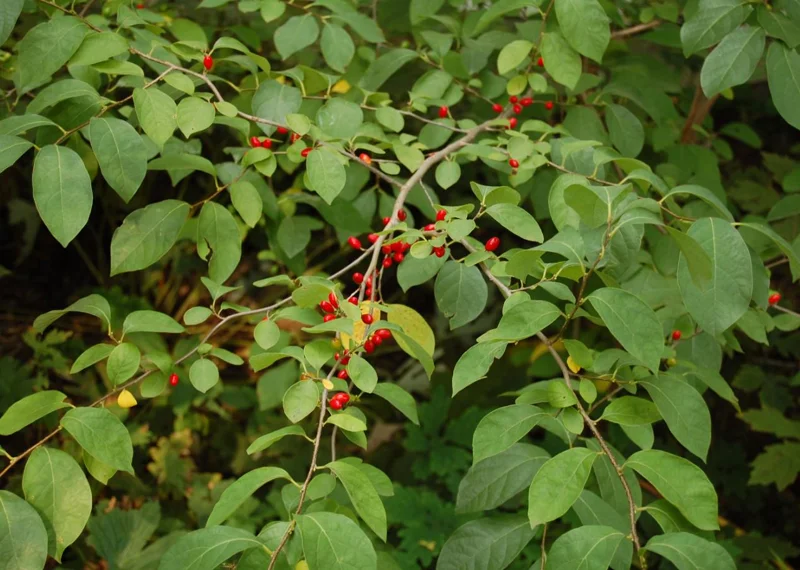
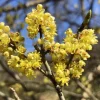
The spicebush live plant is not just a visual delight; it’s a sensory experience. Its leaves release a pleasant fragrance when crushed, and its yellow blooms in early spring provide a subtle yet beautiful display before the foliage fully emerges. As the seasons progress, the plant develops bright red drupes that are a favorite food source for many bird species, ensuring your garden remains a vibrant hub of activity. Whether you’re an experienced gardener or just starting, this native shrub is an excellent choice for adding structure, fragrance, and ecological value to your home garden.
Key Benefits
The spicebush live plant offers a multitude of advantages for both gardeners and local ecosystems. Its unique characteristics make it a valuable addition to various landscape designs, providing beauty and supporting biodiversity.
- Attracts Wildlife: This plant is a magnet for local wildlife. Its berries provide essential food for birds, while its leaves are the host plant for the striking spicebush swallowtail butterfly caterpillars. It also draws a variety of pollinators to your garden.
- Aromatic Foliage: Enjoy the pleasant, spicy fragrance released from the leaves when crushed, adding an extra sensory dimension to your garden experience.
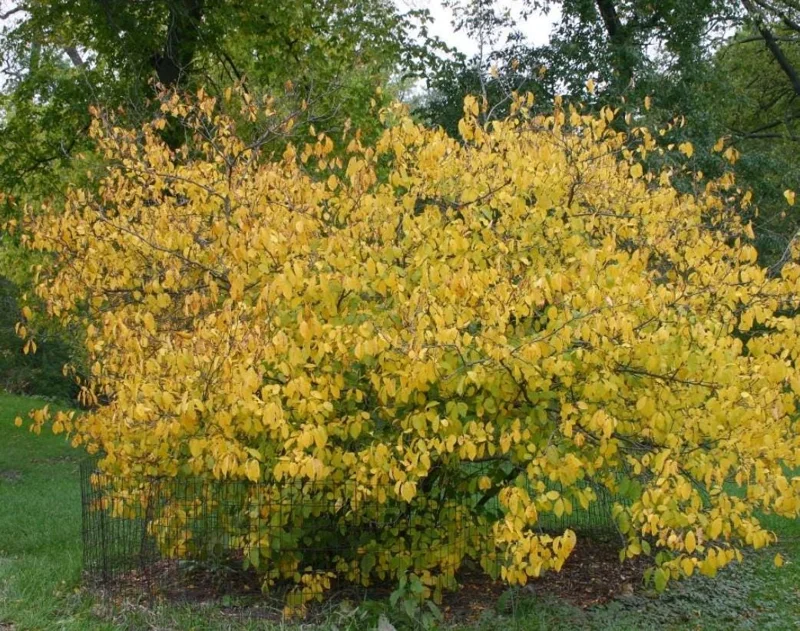
- Seasonal Interest: From delicate yellow blooms in early spring, through lush green foliage in summer, to bright red berries and yellow fall color, the Lindera benzoin shrub provides visual appeal throughout the seasons.
- Native & Hardy: As a native to Eastern North America, it is well-adapted to the climate and requires less maintenance once established, making it a sustainable choice for your landscape. It is hardy in USDA zones 4-9.
- Versatile Landscaping: Excellent for use in wildlife gardens, native plant landscaping, shady borders, and understory planting. Its adaptable nature allows it to thrive in various outdoor settings.
- Low Maintenance: Once established, the aromatic garden plant is relatively low-maintenance, tolerating short periods of drought and requiring minimal intervention.
- Natural Privacy Screen: With its mature spread of 6-10 feet, it can serve as an effective natural screen or border, providing privacy and structure to your garden.
Plant Care & Growing Tips
Caring for your spicebush live plant is straightforward, especially since it is a native species well-suited to many North American environments. To ensure your native spicebush for sale thrives, proper attention to its basic needs will be key. This deciduous shrub prefers temperate climates with distinct seasons and is hardy in USDA zones 4–9.
For optimal growth, plant your spicebush in moist, well-drained, loamy soil. While it tolerates clay and rich woodland soils, ensuring good drainage is crucial. The ideal pH range for the soil is between 5.5–7.0. The best times for planting are in spring or fall, when the weather is cool and the soil is workable. When considering placement, remember that this plant prefers partial shade but can tolerate full sun if adequate moisture is consistently provided. Space your plants 6–10 feet apart to allow for their mature spread and ensure good air circulation. During the first growing season, regular watering is essential to help the plant establish its root system. Once established, the wildlife garden plant becomes more drought-tolerant, but consistent moisture will always promote healthier growth and more abundant berries. Fertilization is generally not heavily required for native plants in suitable soil, but a balanced, slow-release fertilizer can be applied in early spring if soil nutrients are lacking. Keep an eye out for common pests or diseases, though spicebush is generally quite resilient. Pruning can be done in late winter or early spring to remove dead or damaged branches and to maintain its desired shape.
Size & Details
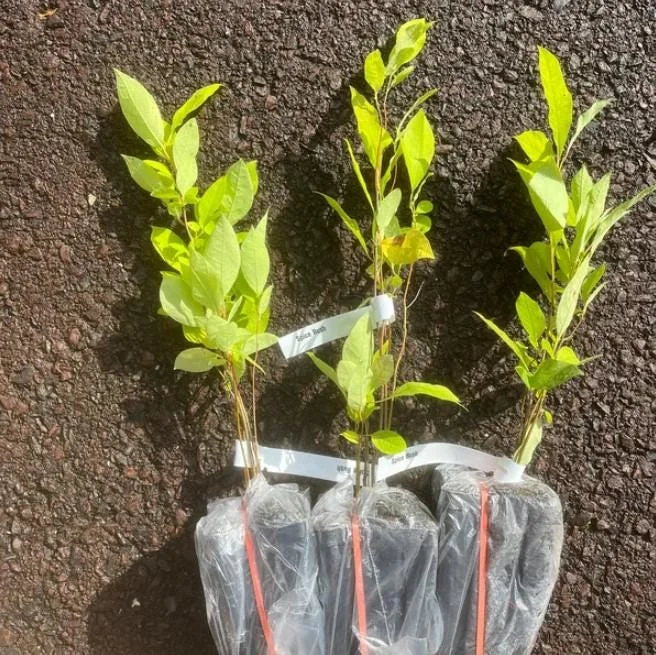
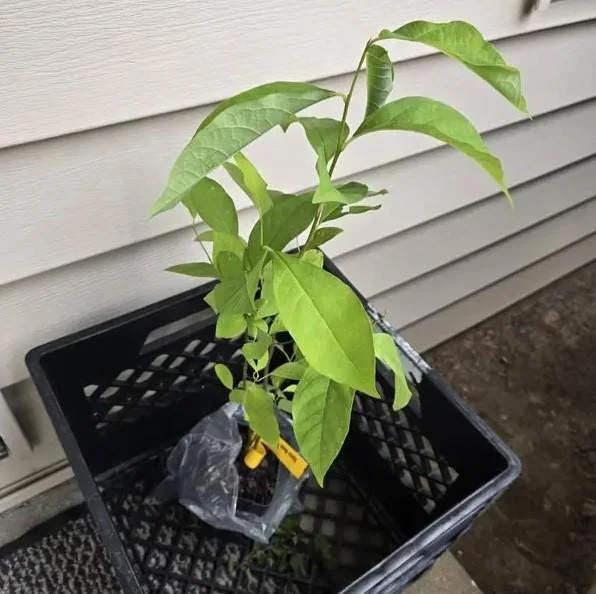
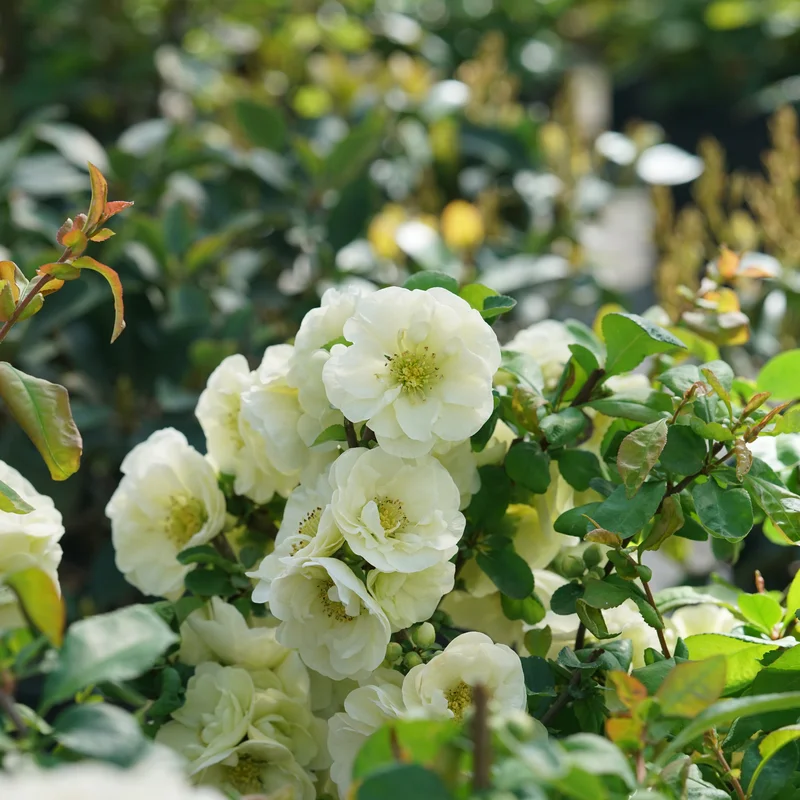
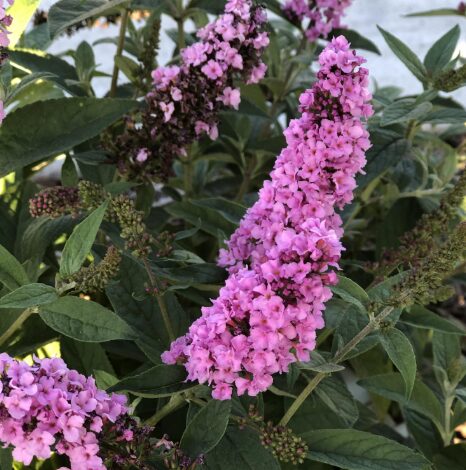
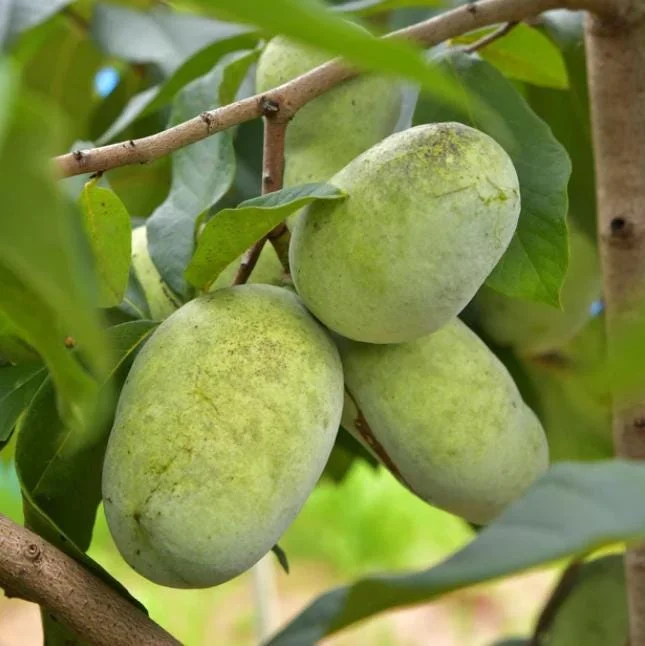
This offering is for a spicebush live plant, currently measuring 10-14″ tall from the base of the soil to the tip of the plant. It is provided in a 1 Quart Pot, which is an ideal size for a starter plant, allowing for easy transplanting into your garden or a larger container. The plant is a young specimen, ready to establish itself and grow into a mature shrub. At maturity, Lindera benzoin typically reaches a height and spread of 6-10 feet, forming a rounded, multi-stemmed bush. Its growth rate is moderate, meaning you can expect to see noticeable development within a few years. The plant will arrive healthy and ready for planting, though it will be a starter plant, not a mature shrub as depicted in some illustrative photos. Expect to see its characteristic yellow blossoms in early spring and bright red berries by late summer to early fall, which will become more pronounced as the plant matures.
Frequently Asked Questions
- Q: How big does this spicebush live plant get? A: This particular plant is a starter, measuring 10-14″ tall in a 1 Quart Pot. When mature, a spicebush live plant can reach an average height and spread of 6-10 feet, forming a dense, rounded shrub.
- Q: Is this an indoor or outdoor plant? A: The spicebush live plant (Lindera benzoin) is an outdoor deciduous shrub. It is not suitable for long-term indoor cultivation and thrives in garden settings where it can experience natural seasonal changes.
- Q: How much sunlight does the Lindera benzoin shrub need? A: This shrub prefers partial shade but is adaptable and can tolerate full sun, especially if the soil remains consistently moist. In hotter climates, partial shade is often ideal to prevent leaf scorch.
- Q: Is this plant easy to care for, good for beginners? A: Yes, the spicebush live plant is considered relatively easy to care for, especially since it’s a native species. Once established, it is quite resilient and tolerant, making it a great choice for beginner gardeners.
- Q: What condition will the native spicebush for sale arrive in? A: Your plant will arrive as a healthy starter plant, carefully packaged in its 1 Quart Pot with soil. While it will be smaller than a mature plant, it will be ready for transplanting and continued growth in your garden.
- Q: When is the best time to plant a spicebush? A: The ideal times to plant your aromatic garden plant are in the spring or fall. These seasons offer cooler temperatures and sufficient moisture, which are conducive to root establishment and reduce transplant shock.
- Q: Will this wildlife garden plant survive winter in my zone? A: The spicebush live plant is hardy in USDA zones 4–9. If your climate falls within these zones, your plant should successfully survive winter and return vigorously each spring.



Reviews
There are no reviews yet.