Overview
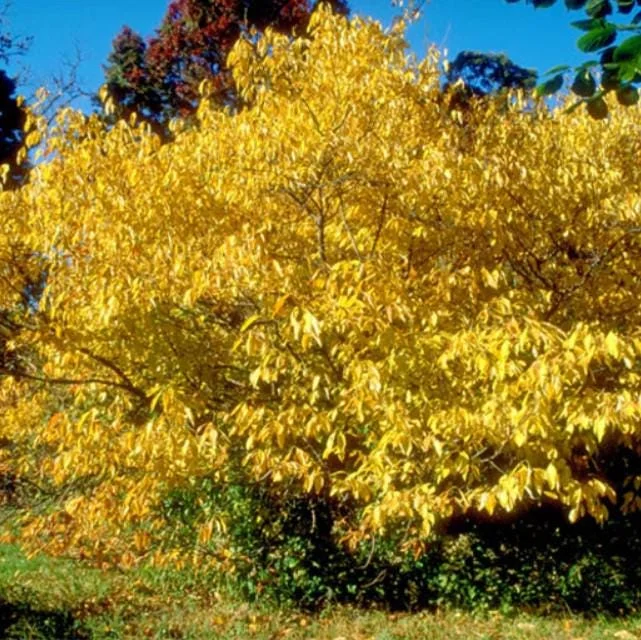
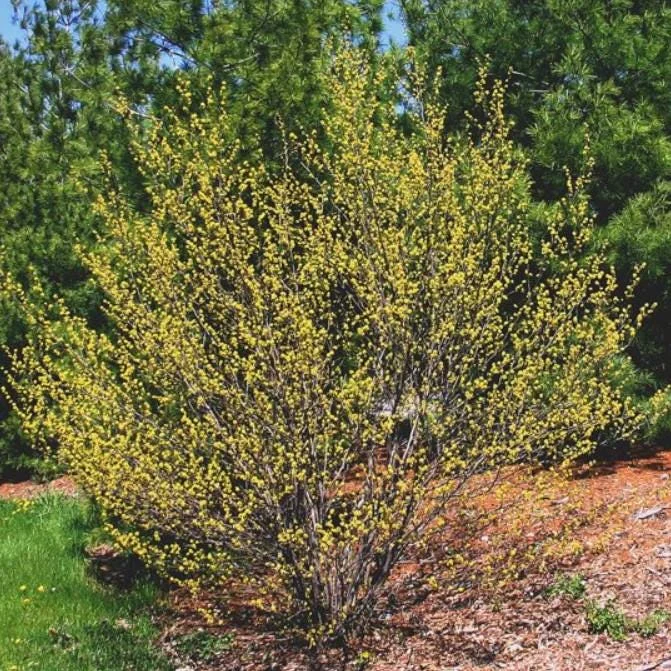
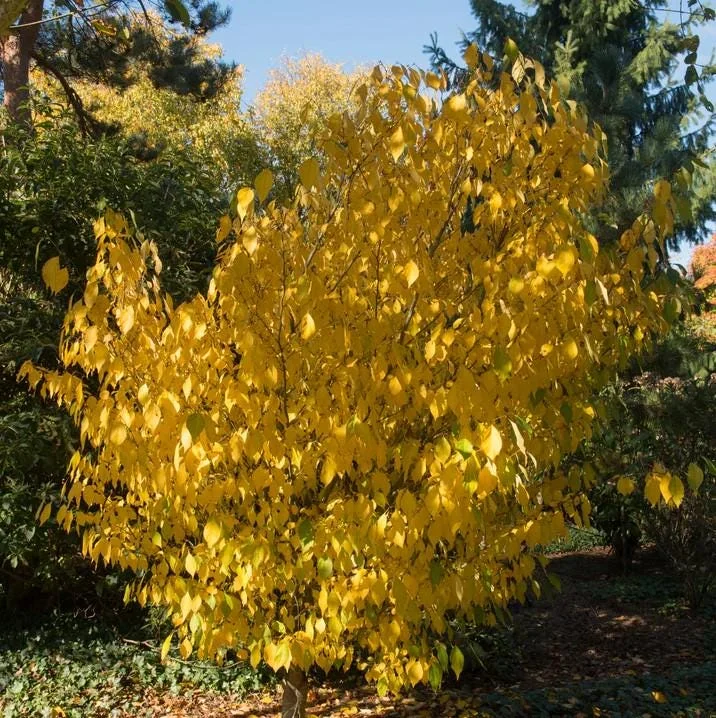
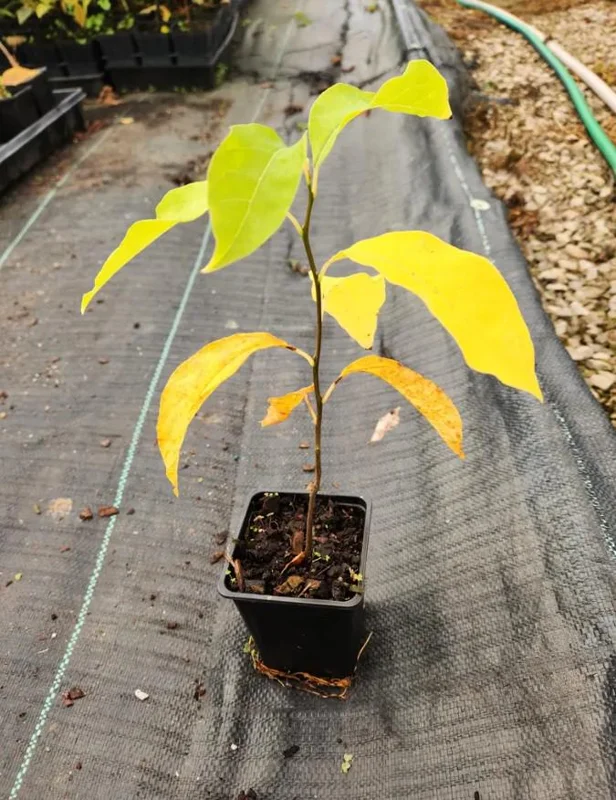
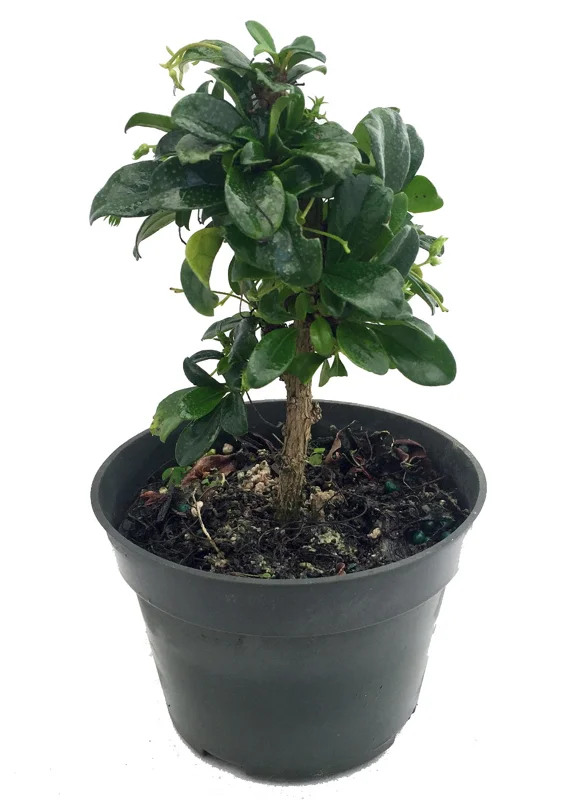
Transform your landscape with a vibrant spicebush live tree, scientifically known as Lindera benzoin. This native North American deciduous shrub is celebrated for its multi-seasonal appeal, offering delicate yellow blooms in early spring before its leaves emerge, followed by aromatic foliage throughout the summer, and finally, brilliant red berries in the fall. Our Lindera benzoin plant is a fantastic addition to any garden, providing ecological benefits by attracting a variety of wildlife, including birds, pollinators, and the distinctive spicebush swallowtail butterfly, which relies on this plant for its larval host. This particular offering is a healthy, growing specimen, typically 10-14 inches tall, and arrives ready for planting in a 1 quart pot, ensuring a robust start in your garden.
The native spicebush shrub is a resilient and adaptable plant, thriving in a range of conditions. It’s an excellent choice for those looking to create a naturalized area, a pollinator garden, or simply add a touch of native beauty to their existing landscape. Its pleasant fragrance and striking seasonal changes make it a captivating focal point or an integral part of a larger garden design. Embrace nature’s beauty and ecological support with this wonderful shrub.
Key Benefits
The spicebush live tree offers numerous advantages for both gardeners and the environment, making it a highly desirable plant for various landscape designs:
- Ecological Value: As a native plant, it provides essential food and habitat for local wildlife. Its leaves are the primary food source for spicebush swallowtail butterfly caterpillars, and its berries are a crucial food source for many bird species in the fall.
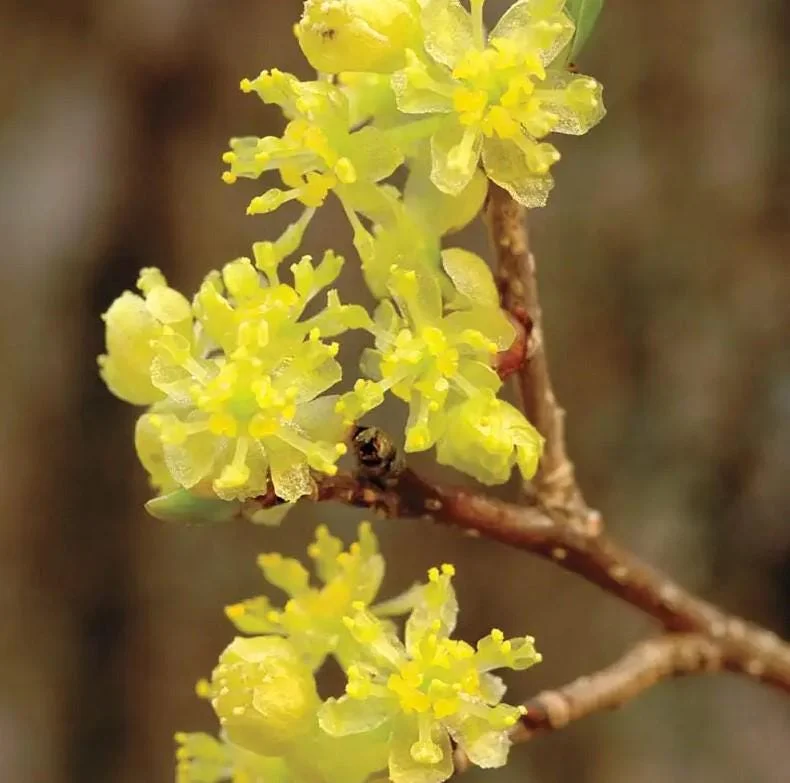
- Early Spring Blooms: Enjoy a burst of fragrant, tiny yellow flowers in early spring, often before other plants begin to show signs of life. These subtle yet beautiful blooms add early color to the garden.
- Aromatic Foliage: The leaves of the Lindera benzoin plant release a pleasant, spicy fragrance when crushed, adding an interesting sensory element to your garden experience.
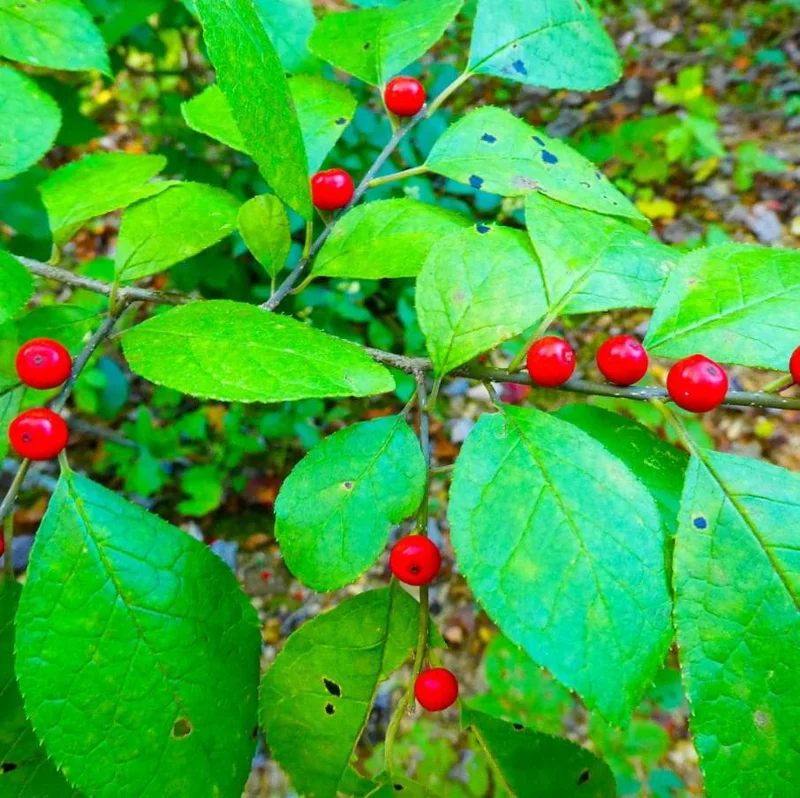
- Attractive Berries: Female plants produce bright, glossy red berries in the fall, which are highly ornamental and provide a striking contrast against the autumn foliage.
- Adaptable & Hardy: This shrub is well-suited for a wide range of climates, thriving in USDA zones 4–9, and can tolerate various soil conditions once established.
- Low Maintenance: Once established, the native spicebush shrub requires minimal care, making it an excellent choice for busy gardeners or those seeking an easy-to-grow native option.
- Shade Tolerance: Unlike many flowering shrubs, spicebush performs well in partial shade, making it perfect for understory planting or shady borders where other plants might struggle.
Plant Care & Growing Tips
Caring for your spicebush live tree is relatively straightforward, especially once it’s established. This adaptable plant prefers partial shade but can tolerate full sun if the soil remains consistently moist. In its natural habitat, it’s often found as an understory plant, so mimicking these conditions will lead to the best growth. When planting, dig a hole twice as wide as the root ball and just as deep. Gently remove the plant from its 1 quart pot, loosen any circling roots, and place it in the prepared hole. Backfill with a mixture of native soil and compost, ensuring the plant is at the same level it was in the nursery pot.
The ideal soil for a Lindera benzoin plant is moist, well-drained, and loamy, with a pH between 5.5 and 7.0. It tolerates clay and rich woodland soils. During the first growing season, regular watering is crucial to help the roots establish. Aim for consistently moist soil, but avoid waterlogging. Once established, the plant becomes more tolerant of short periods of drought. Fertilization is generally not necessary in rich soils, but if growth is slow, a balanced, slow-release fertilizer can be applied in early spring. Pruning is usually limited to removing dead or damaged branches, or shaping the shrub to maintain its desired size and form. This yellow bloom spicebush is robust and generally pest and disease resistant, making it a healthy addition to your garden.
Size & Details
This spicebush live tree arrives as a young, healthy specimen, typically standing between 10-14 inches tall from the top of the soil. It is carefully rooted in a 1 quart nursery pot, providing a strong foundation for transplanting into your garden. Spicebush (Lindera benzoin) is a moderately-growing deciduous shrub that can eventually reach a mature height and spread of 6-12 feet. The growth rate is moderate, allowing you to enjoy its development over several seasons. It is shipped as a potted plant, ensuring minimal transplant shock and a high success rate upon arrival. This size is ideal for planting in spring or fall, allowing the plant to establish itself before extreme temperatures.
The plant’s size makes it versatile for various garden applications, whether as a specimen plant, part of a native hedge, or incorporated into a mixed border. With proper care, your spicebush for wildlife garden will quickly grow into a thriving and beneficial addition to your outdoor space, providing seasonal interest and supporting local ecosystems for years to come.
Frequently Asked Questions
- Q: How big does this spicebush live tree get? A: This particular plant is 10-14 inches tall upon arrival in a 1 quart pot. Once mature, a Lindera benzoin plant can reach a height and spread of 6-12 feet, depending on growing conditions and environment.
- Q: Is this an indoor or outdoor plant? A: The spicebush live tree is primarily an outdoor plant, native to woodland environments. It thrives in temperate climates and is hardy in USDA zones 4–9, making it unsuitable for long-term indoor cultivation.
- Q: How much sunlight does it need? A: Spicebush prefers partial shade, which mimics its natural understory habitat. However, it can tolerate full sun conditions if the soil is kept consistently moist, especially during hot periods.
- Q: Is this plant easy to care for? A: Yes, the native spicebush shrub is considered relatively easy to care for, especially once established. It’s low maintenance and generally resistant to pests and diseases, making it suitable for gardeners of all experience levels.
- Q: What condition will it arrive in? A: Your spicebush will arrive as a healthy, live plant, carefully packaged in its 1 quart nursery pot with soil to ensure it’s ready for planting upon delivery.
- Q: When is the best time to plant a yellow bloom spicebush? A: The best time to plant spicebush is in spring or fall when the weather is cool and the soil is workable. This allows the plant to establish its root system before facing extreme summer heat or winter cold.
- Q: Will it survive winter in my zone? A: The spicebush live tree is hardy in USDA zones 4–9, meaning it can withstand winter temperatures in these regions. Ensure it has adequate moisture going into winter, especially in drier climates.
- Q: What is the ideal soil for spicebush for wildlife garden? A: Spicebush prefers moist, well-drained, loamy soil with a pH between 5.5 and 7.0. It can also tolerate clay and rich woodland soils, reflecting its natural habitat.
- Q: Does it attract pollinators? A: Yes, spicebush is an excellent plant for attracting pollinators, including various bees and butterflies. It is particularly known as the host plant for the spicebush swallowtail butterfly.
- Q: Do I need more than one plant to get berries? A: Yes, spicebush plants are dioecious, meaning they have separate male and female plants. You will need at least one male and one female plant in proximity to each other for the female plants to produce berries.



Reviews
There are no reviews yet.