Overview
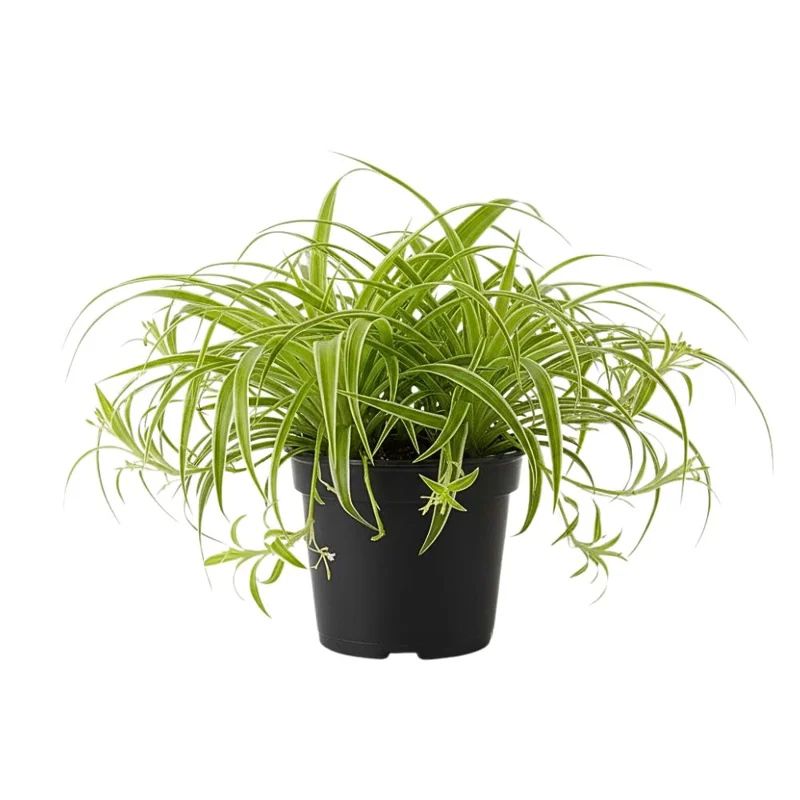
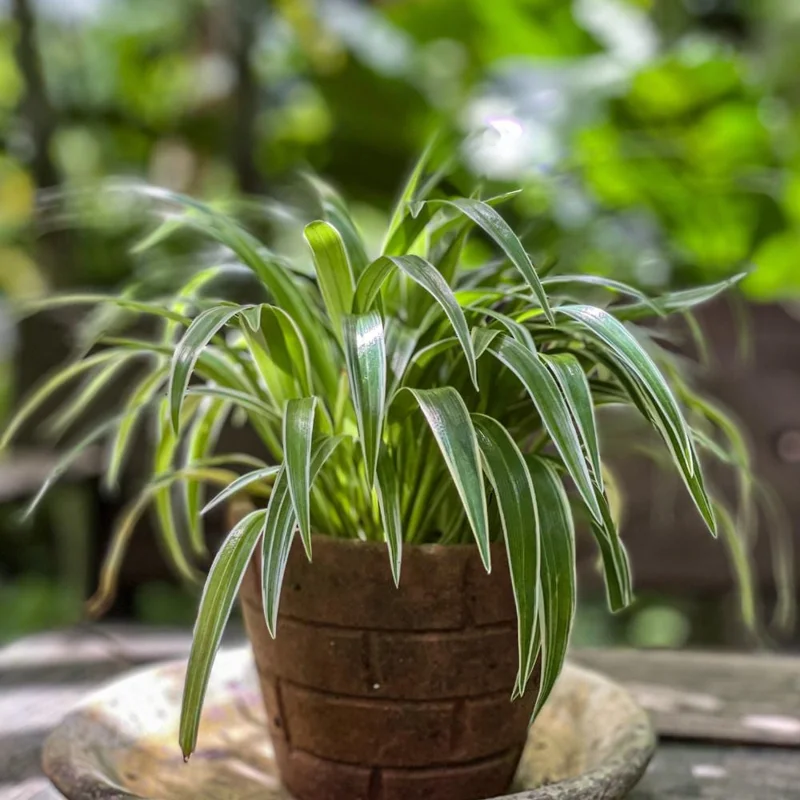
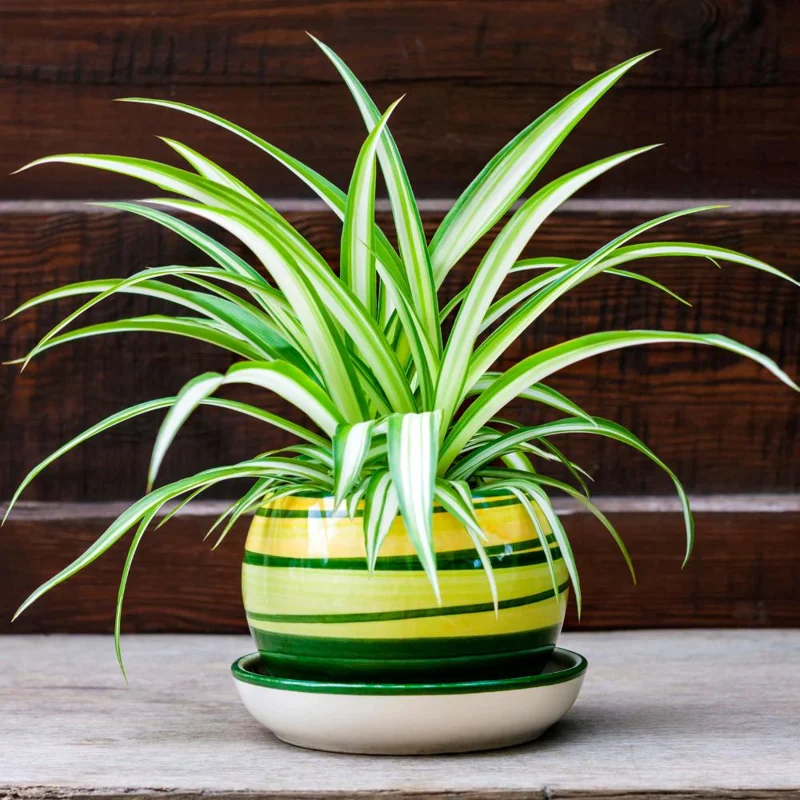
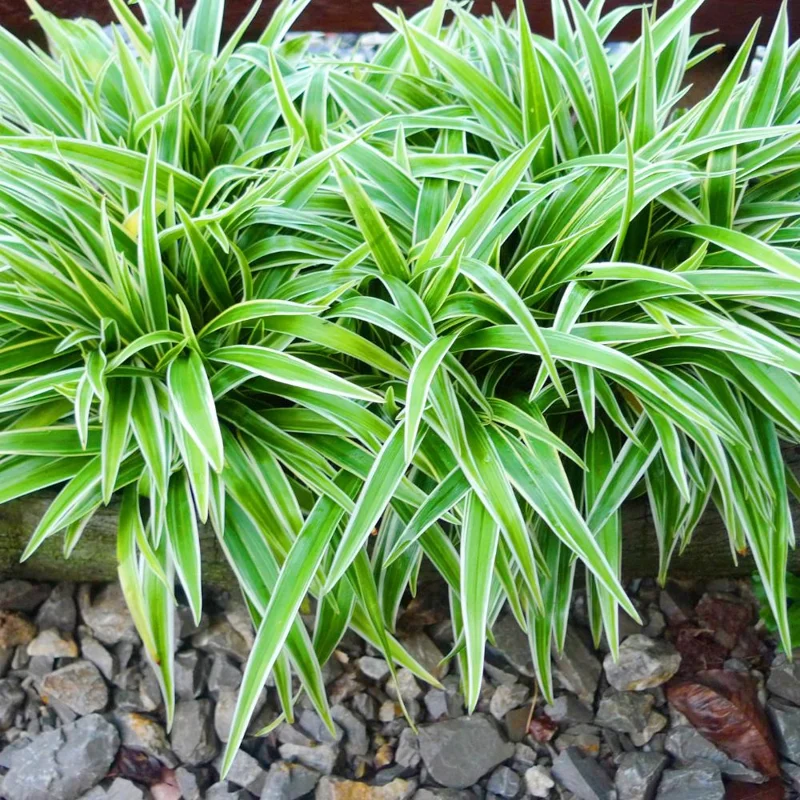
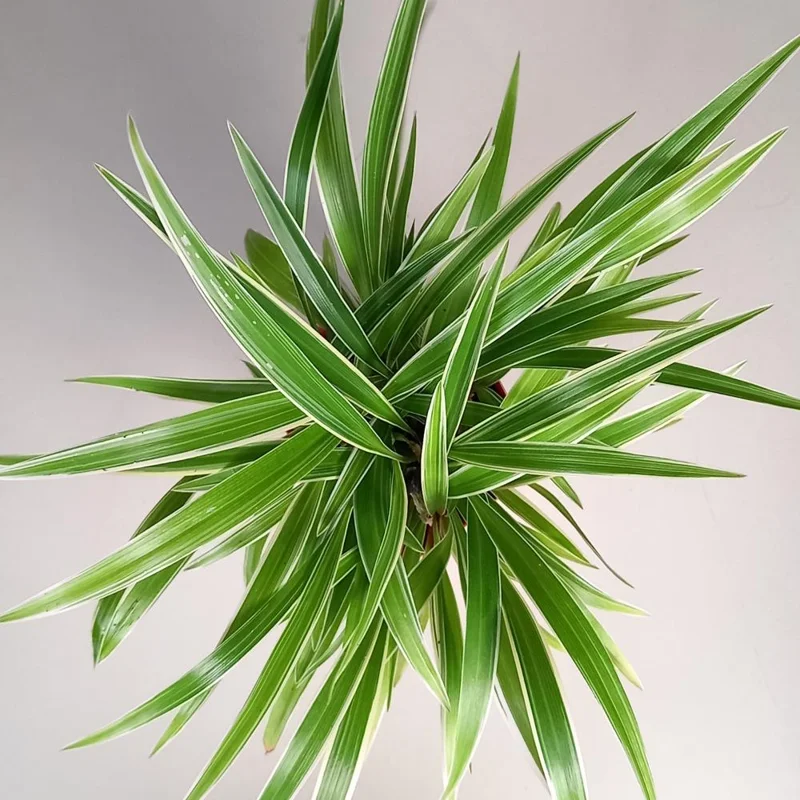
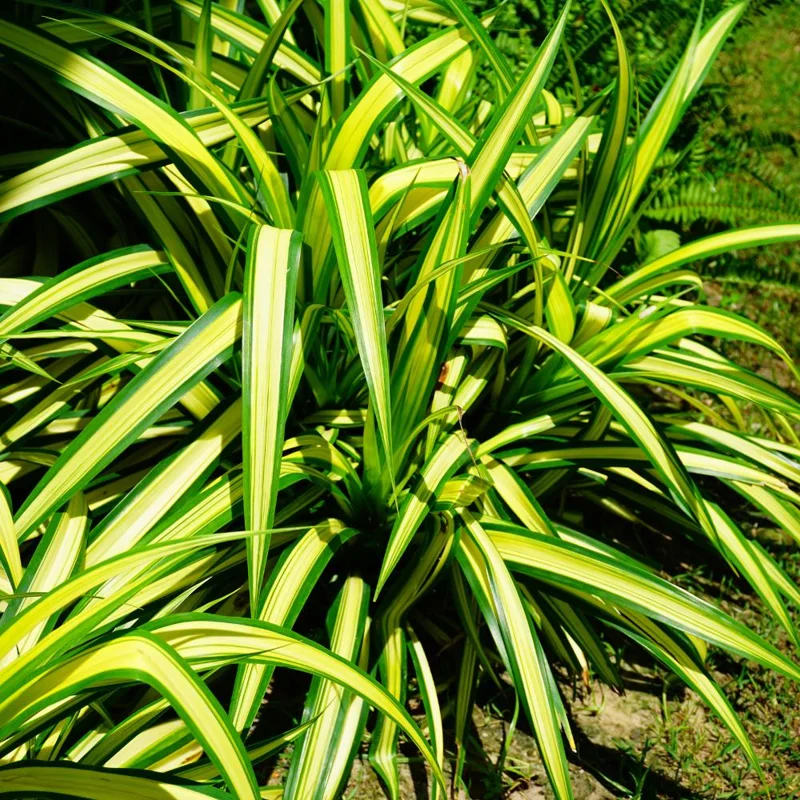
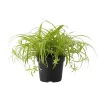
Introduce natural elegance into your home or office with a beautiful spider plant live houseplant. Scientifically known as Chlorophytum comosum, this popular indoor plant is celebrated for its distinctive arching foliage, featuring long green leaves often highlighted with light stripes. Spider plants are renowned for their ease of care and adaptability, making them an excellent choice for anyone looking to add a touch of greenery without significant effort. They grow from a compact base, producing ‘plantlets’ or ‘spiderettes’ that hang gracefully, giving the plant its common name. This resilient houseplant thrives in various indoor environments, bringing a fresh, comfortable, and lively atmosphere to any room.
The spider plant live houseplant is not just visually appealing; it’s also a highly functional addition to your living space. Its robust nature makes it forgiving for beginners, while its consistent growth provides continuous visual interest. Whether you’re decorating a desk, shelf, or a larger indoor area, the spider plant offers versatile beauty and a refreshing presence. It’s a truly rewarding plant that combines aesthetic charm with practical benefits for a healthier indoor environment.
Key Benefits
Beyond its striking appearance, the spider plant live houseplant offers a multitude of benefits that make it a favorite among plant lovers. Its robust nature and attractive growth habit contribute significantly to both the aesthetics and well-being of your indoor space.
- Enhanced Indoor Air Quality: Spider plants are well-known natural air purifiers. They actively help remove common indoor toxins such as formaldehyde and xylene, contributing to a cleaner and healthier atmosphere in your home or office.
- Low Maintenance & Easy Care: This is an incredibly low maintenance indoor plant, perfect for busy individuals or novice gardeners. It tolerates a range of conditions and is forgiving of occasional neglect, making plant care simple and enjoyable.
- Visual Appeal & Versatility: With its long, arching green leaves and distinctive light stripes, the spider plant adds a vibrant touch of greenery to any decor. Its ability to produce hanging plantlets makes it ideal for shelves, hanging baskets, or elevated planters.
- Stress Reduction: Studies suggest that having plants indoors can help reduce stress and improve mood. The calming presence of a spider plant can create a more relaxing and pleasant living or working environment.
- Propagates Easily: The ‘spiderettes’ produced by mature plants can be easily rooted to create new plants, allowing you to expand your collection or share with friends and family at no extra cost.
- Pet-Friendly: Unlike many houseplants, the Chlorophytum comosum is generally considered non-toxic to cats and dogs, offering peace of mind for pet owners who want to enjoy indoor plants.
- Adaptable to Various Light Conditions: While it prefers bright, indirect light, the spider plant can adapt to lower light conditions, offering flexibility in where you can place it within your home.
Plant Care & Growing Tips
Caring for your spider plant live houseplant is straightforward, ensuring it remains lush and vibrant with minimal effort. This resilient plant is very forgiving, making it an excellent choice for beginners and experienced gardeners alike. Understanding its basic needs will help it thrive and produce abundant ‘spiderettes’.
Light Requirements: Spider plants prefer bright, indirect light. Direct sunlight can scorch their leaves, causing brown tips, while too little light can lead to pale foliage and reduced growth. An east or north-facing window is often ideal, or a spot a few feet away from a south or west-facing window. This ensures they receive ample light without the intensity of direct sun. Consistent light helps maintain the variegation of the leaves and encourages the production of plantlets.
Watering Schedule: Water your spider plant when the top inch or two of the soil feels dry to the touch. It’s crucial to avoid overwatering, as this can lead to root rot. Ensure the pot has drainage holes to allow excess water to escape. During warmer months or active growth periods, more frequent watering may be needed, while in winter, watering can be reduced. A good rule of thumb for spider plant care is to water thoroughly until water drains from the bottom of the pot, then discard any standing water in the saucer.
Soil and Fertilization: A well-draining potting mix is essential for a healthy spider plant. A standard indoor potting mix with some added perlite or sand for drainage works well. Fertilize sparingly during the growing season (spring and summer) with a balanced liquid fertilizer diluted to half strength, about once a month. Avoid fertilizing in fall and winter when the plant’s growth slows down. Over-fertilization can lead to salt buildup in the soil, which can harm the plant. You’ll find that this Chlorophytum comosum thrives with consistent, but not excessive, feeding.
Temperature and Humidity: Spider plants thrive in average room temperatures, ideally between 65-80°F (18-27°C). They can tolerate slightly cooler temperatures but should be protected from drafts and sudden temperature drops. While they appreciate higher humidity, they are generally adaptable to typical household humidity levels. If your home is particularly dry, occasional misting or placing the pot on a pebble tray with water can provide extra humidity. This low maintenance indoor plant is quite resilient to various indoor conditions.
Size & Details
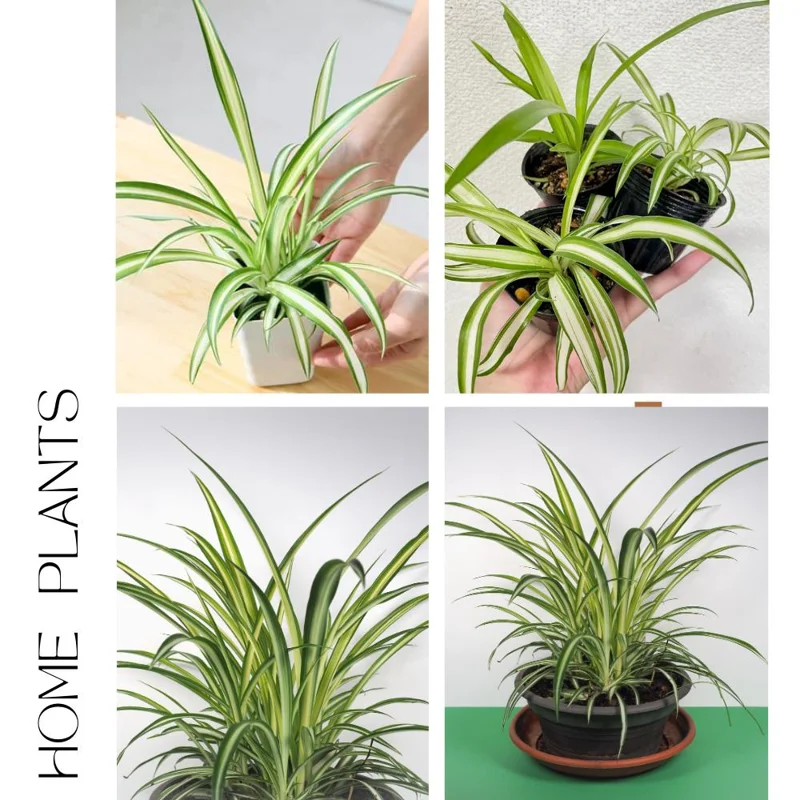
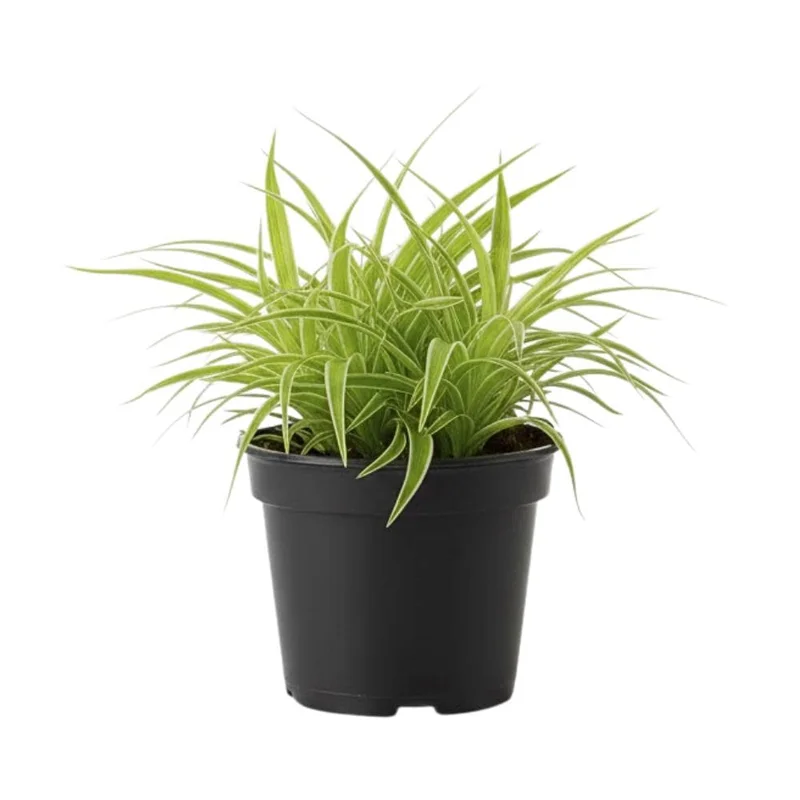
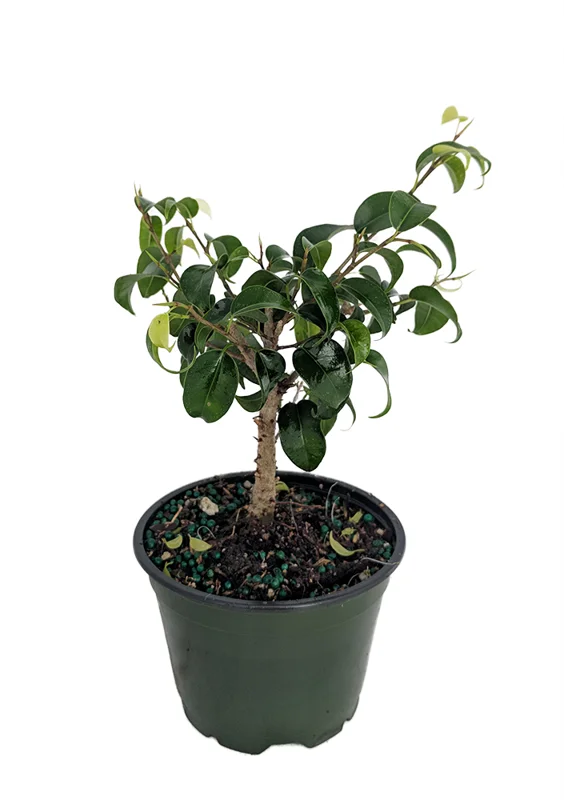
This offering includes one robust spider plant live houseplant, carefully selected for its health and vigor. Each plant is well-rooted and established in a nursery pot, ready to be placed in your preferred decorative container upon arrival. While exact dimensions can vary, spider plants typically reach a mature height and spread of 12-18 inches (30-45 cm), with their arching leaves and cascading ‘spiderettes’ creating a fuller, wider appearance over time. The growth rate is moderate, allowing you to observe noticeable development within a few weeks of proper care.
The plant is shipped securely to ensure it arrives in excellent condition, minimizing stress during transit. It’s supplied as a young, actively growing specimen, ready to adapt to its new environment. Expect to see the characteristic long, green leaves with light striping, which will become more pronounced as the plant matures. With good spider plant care, your plant will begin to produce its signature ‘spiderettes’ within a few months, enhancing its decorative appeal and providing opportunities for propagation.
Frequently Asked Questions
- Q: How big does this plant get? A: A mature spider plant live houseplant typically reaches a height and spread of 12-18 inches (30-45 cm). Its cascading ‘spiderettes’ can extend further, creating a fuller, more expansive display, especially in hanging baskets.
- Q: Is this an indoor or outdoor plant? A: While it can be grown outdoors in very warm, frost-free climates (USDA zones 9-11), the spider plant is primarily cultivated as an indoor houseplant in most regions. It thrives in typical indoor conditions.
- Q: How much sunlight does it need? A: The Chlorophytum comosum prefers bright, indirect light. Avoid direct, harsh sunlight, which can scorch its leaves. A spot near an east or north-facing window is often ideal.
- Q: Is this plant easy to care for? Is it good for beginners? A: Yes, the spider plant is considered one of the easiest houseplants to care for, making it an excellent choice for beginners. It’s very forgiving of minor care mistakes and requires minimal attention, truly a low maintenance indoor plant.
- Q: What condition will it arrive in? A: Your spider plant live houseplant will arrive well-rooted and carefully packed in a nursery pot, designed to minimize stress during shipping. It will be ready to be transplanted into your chosen decorative planter.
- Q: How often should I water my spider plant? A: Water when the top 1-2 inches of soil feel dry to the touch. Ensure the pot has good drainage to prevent waterlogging, which can lead to root rot. Adjust frequency based on temperature and humidity.
- Q: Is the spider plant pet-safe? A: Yes, spider plants are generally considered non-toxic to cats and dogs, making them a safe choice for households with pets. This is one of the many benefits of spider plants for pet owners.
- Q: Can I propagate new plants from my spider plant? A: Absolutely! Spider plants naturally produce ‘spiderettes’ or plantlets that can be easily rooted in water or soil to create new plants. This is a fun and rewarding aspect of spider plant care.
- Q: What kind of soil is best for a spider plant? A: A well-draining potting mix is ideal. You can use a standard indoor potting mix, possibly amended with perlite to enhance drainage and aeration.
- Q: Will this plant purify the air in my home? A: Yes, spider plants are known for their air-purifying qualities. They effectively remove common indoor air pollutants, contributing to a healthier indoor environment. This is one of the key benefits of spider plants.





Reviews
There are no reviews yet.