Overview
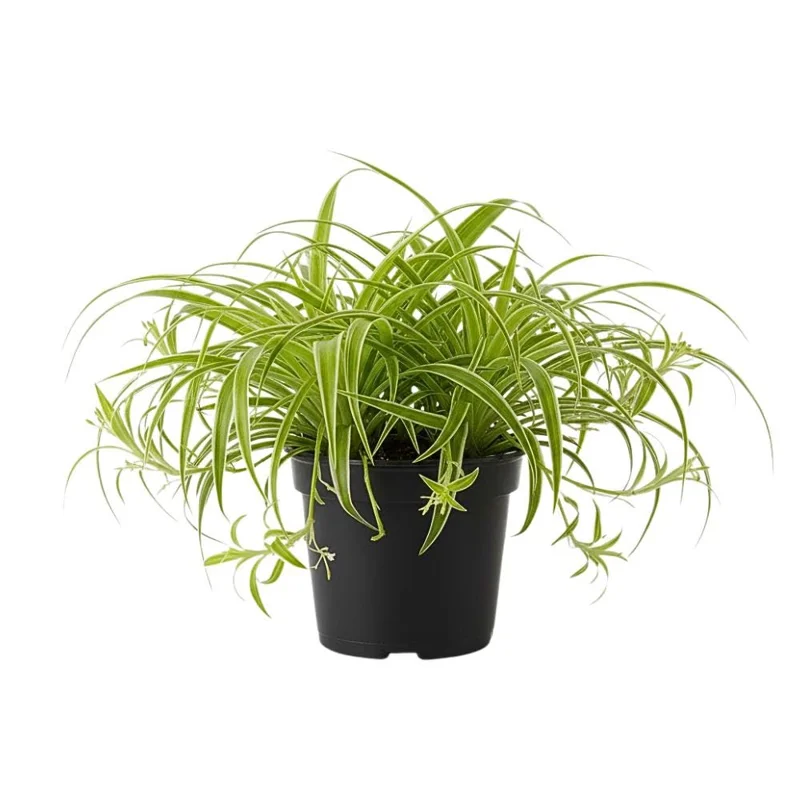
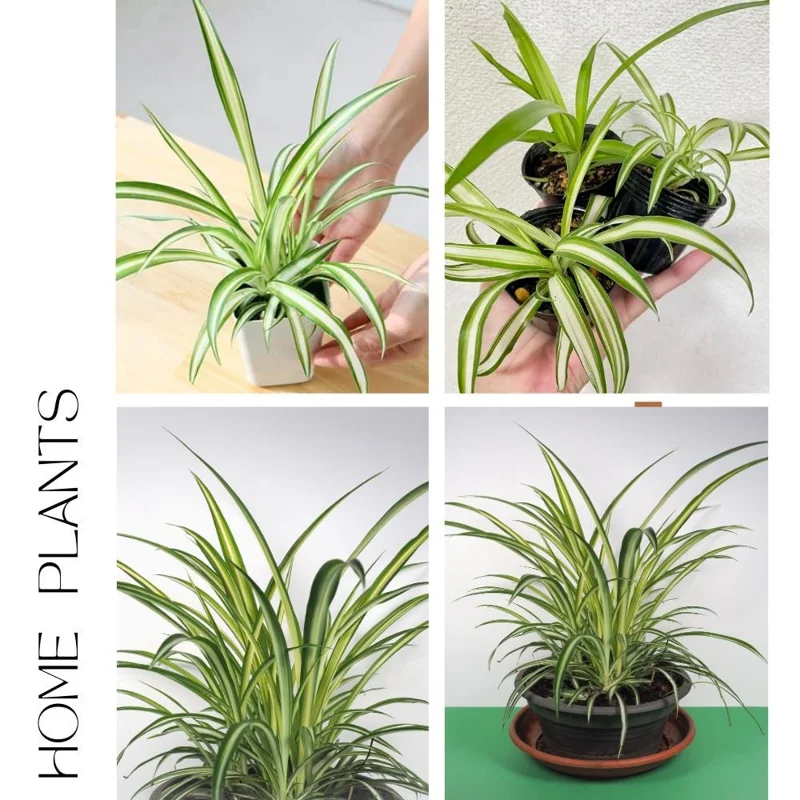
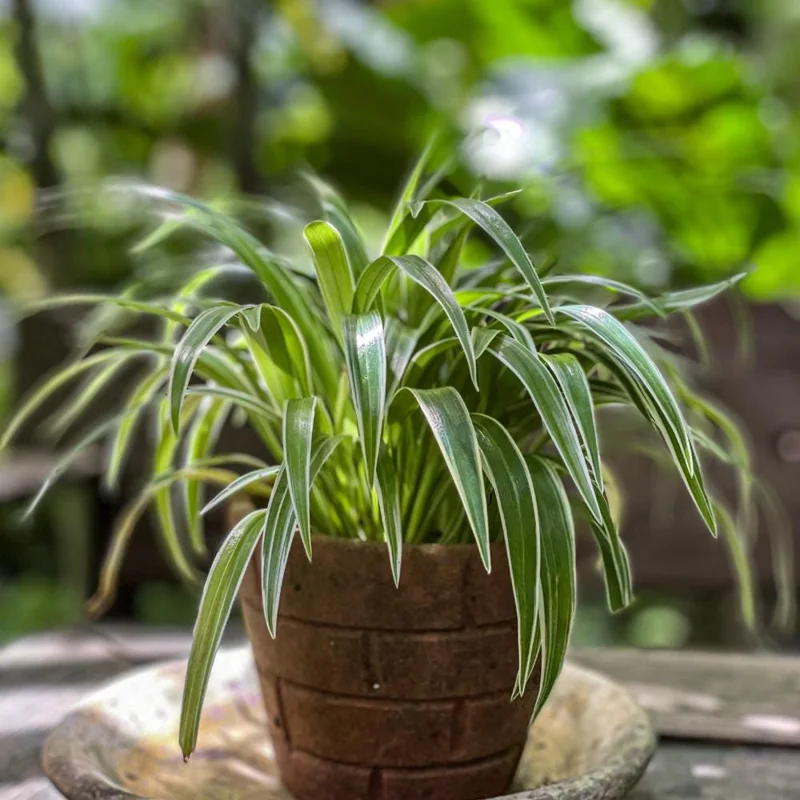
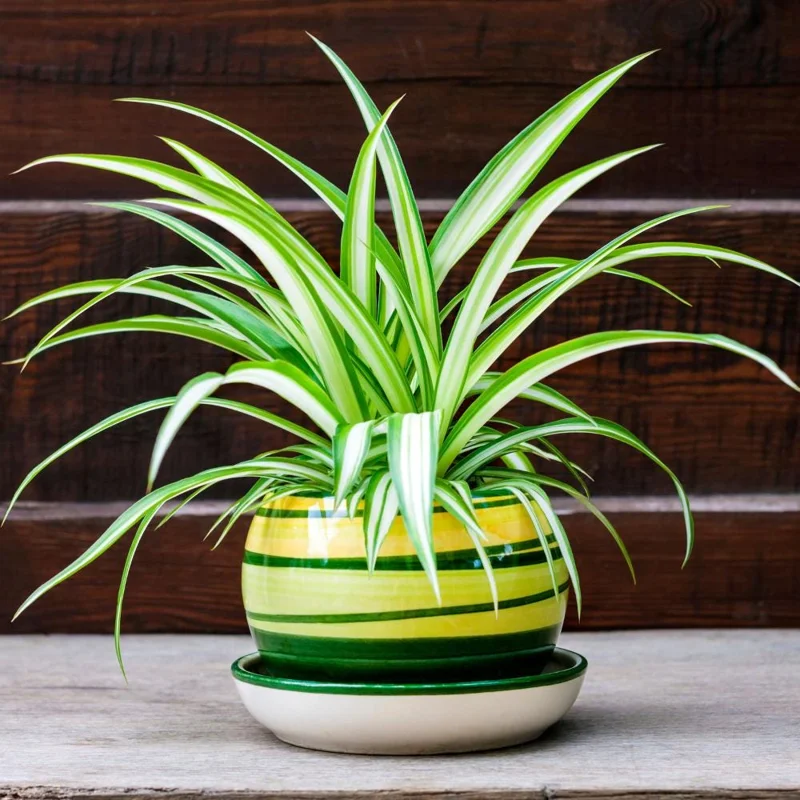
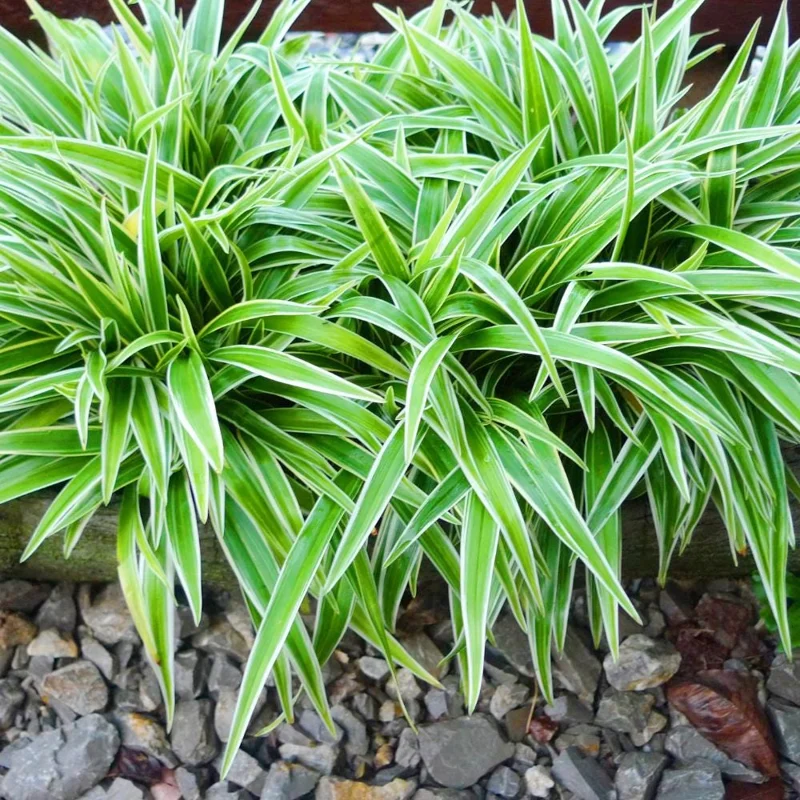
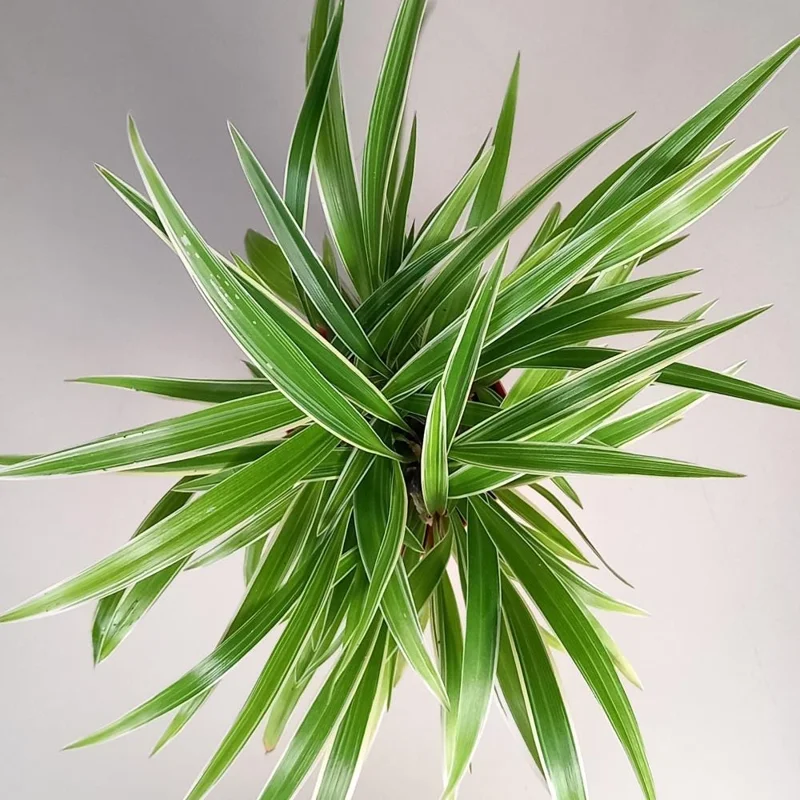
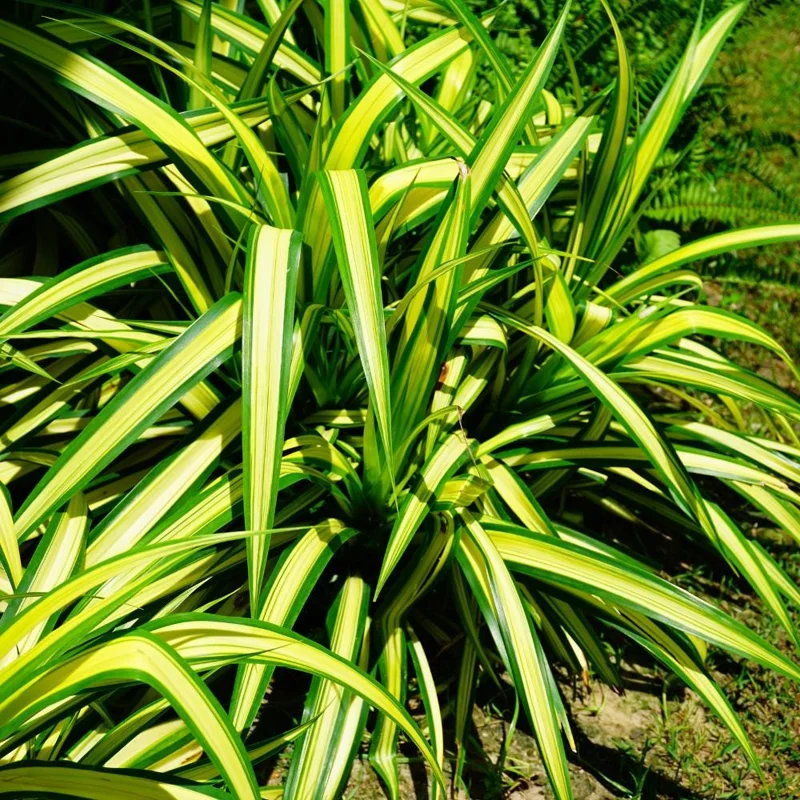
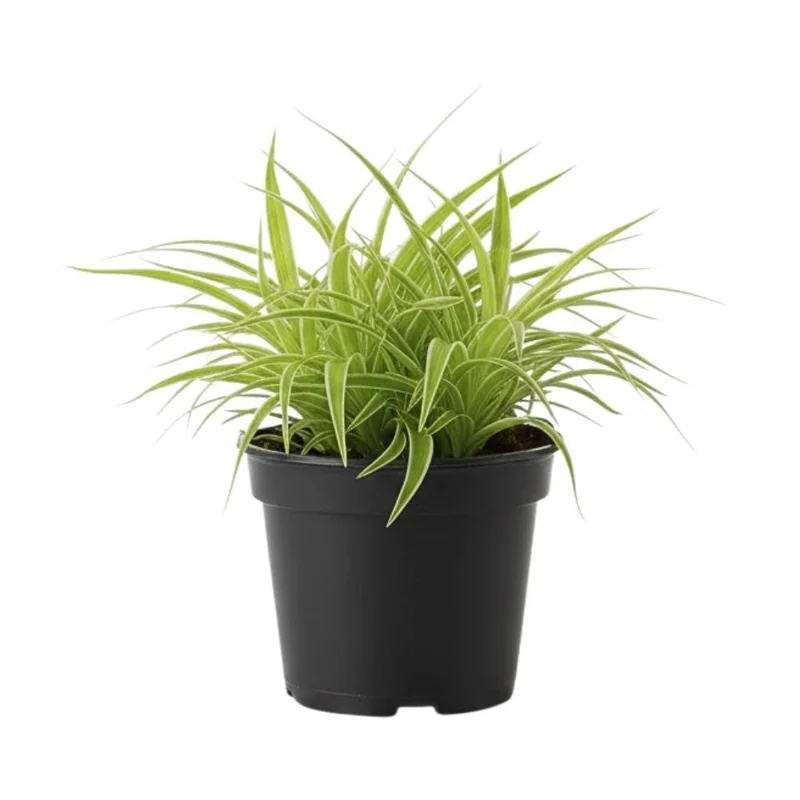
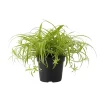
Introduce a touch of vibrant greenery to your home or office with the beloved spider plant live houseplant. Known for its graceful arching foliage and playful ‘spiderettes’ that dangle from the mother plant, Chlorophytum comosum is a versatile and popular choice for both novice and experienced plant enthusiasts. This resilient houseplant is celebrated for its ease of care and ability to adapt to a wide range of indoor conditions, making it an excellent addition to any living space. Its distinctive long green leaves, often adorned with striking light stripes, grow from a compact base, creating an attractive and refreshing focal point. The spider plant is not just beautiful; it’s also recognized for its air-purifying qualities, contributing to a healthier and more comfortable indoor environment.
Our carefully selected spider plant live houseplant arrives well-rooted and ready to thrive, providing immediate natural beauty to your interior decor. Whether placed on a desk, shelf, or hanging basket, its flexible growth habit allows for creative display options. This plant is a fantastic way to bring the outdoors in, offering a sense of calm and vitality without demanding extensive attention. Discover the joy of cultivating a healthy, lush spider plant and experience the benefits of living with nature.
Key Benefits
The spider plant live houseplant offers numerous advantages beyond its aesthetic appeal, making it a truly rewarding addition to any indoor setting. Its robust nature and beneficial characteristics contribute to a more pleasant and serene environment.
- Aesthetic Appeal: With its elegant arching leaves and distinctive light stripes, the spider plant adds a sophisticated yet natural touch to any decor. Its compact base and cascading growth make it perfect for various displays, from tabletops to hanging baskets.
- Air Purification: Recognized by NASA as an effective air purifier, the spider plant actively helps remove harmful toxins such as formaldehyde and xylene from indoor air, contributing to a cleaner and healthier breathing environment. This makes it an ideal air purifying houseplant for homes and offices.
- Low Maintenance: This plant is incredibly forgiving and requires minimal attention, making it an excellent choice for beginners or those with busy lifestyles. Its resilience ensures it thrives even with occasional neglect, embodying the perfect easy care indoor plant.
- Adaptable to Various Light Conditions: While it prefers bright, indirect light, the spider plant can tolerate lower light levels, demonstrating its versatility. This adaptability allows it to flourish in different areas of your home or office. It can even be considered a low light indoor plant in some conditions.
- Easy Propagation: Spider plants readily produce ‘spiderettes’ or plantlets, which can be easily rooted to create new plants. This makes it simple to expand your collection or share with friends and family, offering a continuous supply of greenery.
- Pet-Friendly: Unlike many other houseplants, the Chlorophytum comosum is generally considered non-toxic to pets, providing peace of mind for pet owners who want to enjoy indoor plants safely.
- Stress Reduction: Studies suggest that having plants in your living or working space can reduce stress levels, improve mood, and increase productivity. The calming presence of a spider plant can contribute to a more relaxed atmosphere.
Plant Care & Growing Tips
Caring for your spider plant live houseplant is straightforward, ensuring it remains healthy and vibrant with minimal effort. Understanding its basic needs will help it flourish and produce abundant foliage and spiderettes. This easy care indoor plant is remarkably resilient, making it a joy to grow.
Sunlight Requirements
Spider plants thrive in bright, indirect light. Place your plant near a window that receives plenty of natural light but avoids direct, harsh sunlight, which can scorch its leaves. An east or north-facing window is often ideal. While it can tolerate lower light conditions, too little light may result in less vibrant foliage and fewer plantlets. Conversely, excessive direct sun can cause leaf tips to brown. Achieving the right balance is key to promoting lush growth and the distinctive striped patterns of Chlorophytum comosum.
Watering & Soil Moisture
Water your spider plant when the top inch or two of the soil feels dry to the touch. It’s better to underwater slightly than to overwater, as consistently wet soil can lead to root rot. Ensure your pot has good drainage holes to prevent water from pooling at the bottom. During warmer months or periods of active growth, you may need to water more frequently. In winter, reduce watering as the plant’s growth slows. Using filtered or distilled water can help prevent fluoride buildup, which can cause brown leaf tips.
Soil Type & Drainage
A well-draining potting mix is crucial for the health of your spider plant. A standard indoor potting mix amended with perlite or coarse sand for improved drainage works well. The soil should be light and airy, allowing roots to breathe and preventing compaction. Good drainage is paramount to prevent waterlogging, which is the most common cause of problems for this plant. The correct soil will support healthy root development for your spider plant live houseplant.
Temperature & Humidity
Spider plants prefer average room temperatures, ideally between 65-75°F (18-24°C). They are not frost-tolerant and should be kept away from cold drafts or sudden temperature fluctuations. While they appreciate moderate to high humidity, they are quite adaptable to typical household humidity levels. If your home is very dry, especially in winter, occasionally misting the leaves or placing the pot on a pebble tray with water can provide extra humidity. This contributes to optimal chlorophytum comosum care and overall plant vigor.
Fertilization
Feed your spider plant with a balanced liquid houseplant fertilizer every 2-4 weeks during the spring and summer growing seasons. Dilute the fertilizer to half strength to avoid over-fertilization, which can cause salt buildup and damage roots. Reduce or stop fertilizing during the fall and winter months when the plant’s growth naturally slows down. Regular but moderate feeding will support lush foliage and the production of new plantlets.
Size & Details
Our spider plant live houseplant is typically shipped as a well-rooted, established plant, ready to thrive in its new environment. While exact dimensions can vary, these plants generally grow to a mature size of about 12-18 inches tall and 18-24 inches wide, creating a beautiful, full display. The plant you receive will be carefully packed to ensure its safe arrival, usually in a nursery pot appropriate for its current size, allowing for easy transplanting into your preferred decorative container.
Spider plants are known for their relatively fast growth rate, especially during spring and summer. With proper care, you can expect your plant to produce numerous ‘spiderettes’ within a year, offering endless opportunities for propagation. These plantlets emerge from long, arching stems, creating a charming waterfall effect, particularly appealing in hanging baskets. The mature size and growth habit make this an ideal centerpiece or accent plant in various indoor settings, from small apartments to spacious offices.
Frequently Asked Questions
- Q: How big does this plant get? A: A mature spider plant live houseplant typically grows to about 12-18 inches tall and 18-24 inches wide. Its ‘spiderettes’ can trail significantly, adding to its overall spread, especially in hanging planters.
- Q: What size pot does it come in? A: The plant will arrive in a nursery pot sized appropriately for its current growth stage, typically a 4-6 inch pot, ensuring it is well-rooted and ready for transplanting.
- Q: Is this an indoor or outdoor plant? A: While spider plants can tolerate outdoor conditions in very warm climates (USDA zones 9-11), they are primarily cultivated as an easy care indoor plant in most regions of the US, perfect for homes and offices.
- Q: How much sunlight does it need? A: This plant thrives in bright, indirect sunlight. Avoid direct afternoon sun, which can scorch its leaves. It can also tolerate lower light conditions, making it a versatile low light indoor plant.
- Q: Is this plant easy to care for? A: Yes, the spider plant is renowned for being incredibly easy to care for, making it one of the best choices for beginners and those looking for a low-maintenance houseplant. Consistent chlorophytum comosum care involves simple watering and light.
- Q: What condition will it arrive in? A: Your spider plant live houseplant will be carefully packaged to ensure it arrives healthy, well-rooted, and ready to be placed in its new home. We prioritize safe and secure delivery.
- Q: Is it shipped in soil? A: Yes, the plant is shipped in its nursery pot with soil, ensuring its roots remain moist and protected during transit.
- Q: Is the spider plant pet-safe? A: Yes, spider plants are generally considered non-toxic to cats and dogs, making them a safe choice for households with pets.
- Q: How often should I water my spider plant? A: Water when the top 1-2 inches of soil feel dry. It’s crucial to allow the soil to dry out slightly between waterings to prevent root rot.
- Q: Why are the tips of my spider plant turning brown? A: Brown leaf tips are often caused by fluoride or chlorine in tap water, low humidity, or inconsistent watering. Using filtered water or increasing humidity can help.



Reviews
There are no reviews yet.