Overview
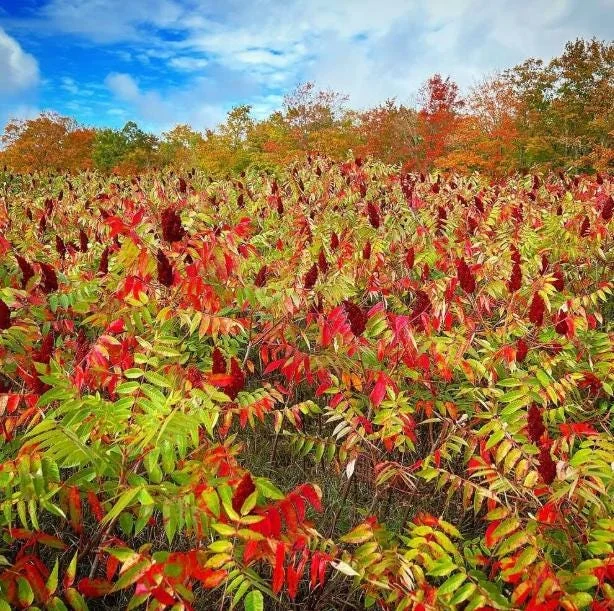
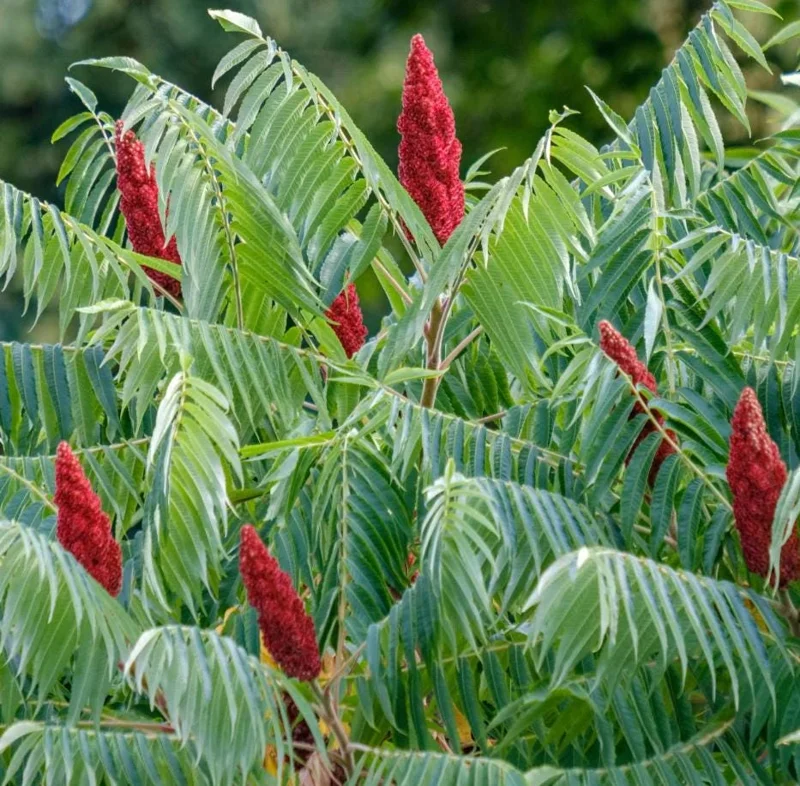
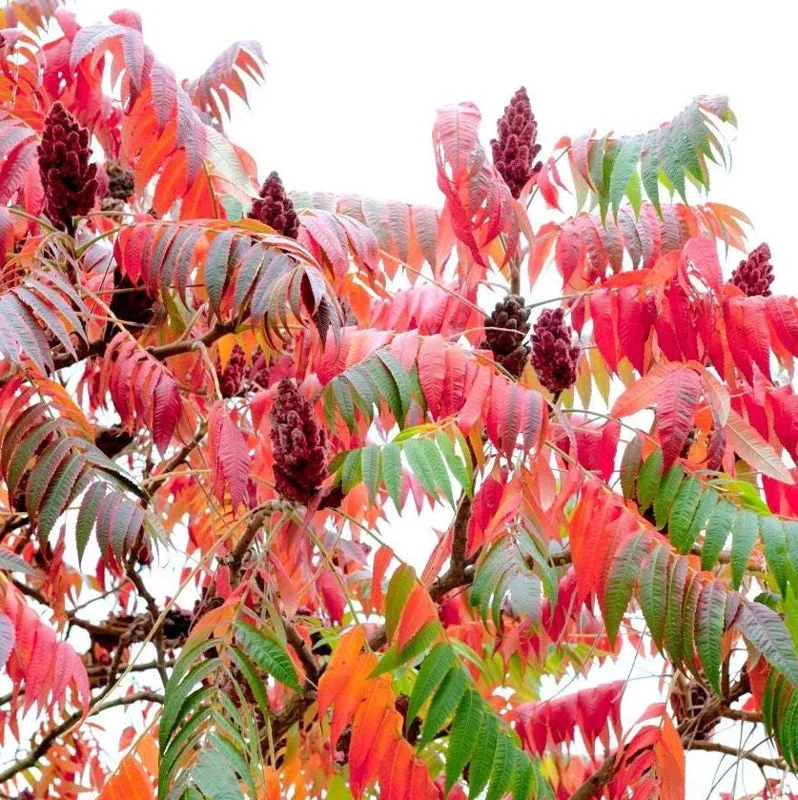
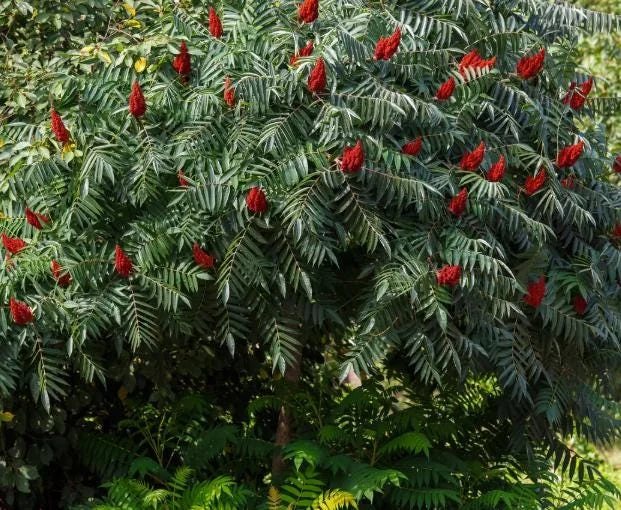
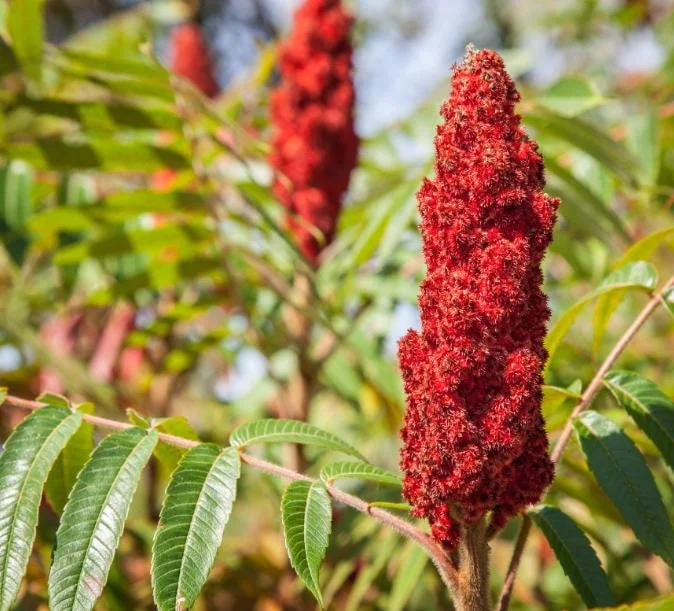
Introduce a spectacular native species to your garden with this staghorn sumac bare root seedling. Scientifically known as Rhus typhina, the Staghorn Sumac is a striking deciduous shrub or small tree renowned for its unique appearance and seasonal beauty. The name derives from its velvety, branched stems that resemble a stag’s antlers. This staghorn sumac tree offers year-round visual interest, from its large, pinnate leaves in summer to their dramatic transformation into brilliant shades of red, orange, and yellow in the fall. Even in winter, the upright clusters of fuzzy red fruits, called drupes, provide a pop of color against a snowy landscape, attracting local wildlife. Planting a rhus typhina seedling is an excellent way to establish a robust and visually appealing plant that requires minimal fuss once established.
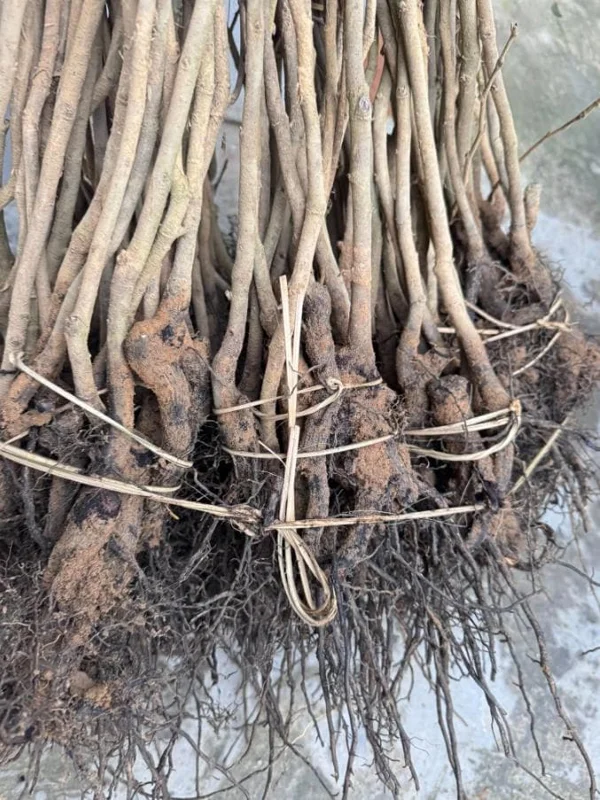
Our staghorn sumac bare root seedlings are carefully prepared for optimal transplanting success. Shipped dormant without leaves, these 1-2ft tall specimens are ready to thrive in your outdoor environment. They are incredibly hardy, adapting well to a wide range of soil conditions and light exposures, making them a versatile choice for various garden designs. Whether you’re looking to create a naturalized area, add a focal point, or enhance your garden’s biodiversity, the Staghorn Sumac is an exceptional option that delivers both aesthetic appeal and ecological benefits.
Key Benefits
The staghorn sumac bare root offers numerous advantages for both new and experienced gardeners, making it a highly desirable addition to any landscape. Its robust nature and captivating beauty ensure a rewarding growing experience.
- Spectacular Fall Color: Witness a breathtaking display as the large, pinnate leaves turn brilliant shades of red, orange, and yellow, creating a stunning visual impact in your autumn garden. This vibrant foliage is a major highlight.
- Unique Winter Interest: Even after the leaves fall, the dense, upright clusters of fuzzy red drupes persist through winter, providing a distinctive texture and color that stands out against snow or dormant landscapes. These fruits also attract birds.
- Low Maintenance & Hardy: Once established, the staghorn sumac tree is remarkably adaptable and requires minimal care. It tolerates various soil types and is drought-resistant, making it perfect for busy gardeners or challenging growing conditions.
- Wildlife Attraction: The persistent red fruit clusters serve as a valuable food source for birds and other wildlife during the colder months, contributing to your garden’s ecological health.
- Erosion Control: Its vigorous root system can help stabilize soil on slopes and disturbed areas, making it a functional choice for landscape restoration or challenging terrain.
- Fast Growing: This shrub or small tree establishes quickly, allowing you to enjoy its benefits sooner. With proper care, your rhus typhina seedling will rapidly develop into a substantial plant.
- Adaptable to Various Conditions: Thrives in USDA Zones 3 to 8 and is highly adaptable to different soil types, including sandy, rocky, and loamy, as long as it’s well-draining. It tolerates full sun to partial shade.
Plant Care & Growing Tips
To successfully grow staghorn sumac from a bare root seedling, understanding its basic care requirements is key. This resilient plant is known for its hardiness and adaptability, making it relatively easy to maintain once established. When you receive your staghorn sumac bare root, it will be dormant and without leaves, which is normal for bare root plants. Plant it as soon as possible after arrival. Dig a hole wide enough to spread the roots out comfortably and deep enough so that the crown of the plant (where the roots meet the stem) is at soil level. Backfill with soil, gently tamping to remove air pockets, and water thoroughly.
Sunlight Requirements: The Staghorn Sumac thrives in full sun, meaning at least 6 hours of direct sunlight per day. While it can tolerate partial shade, its best fall color and most vigorous growth will occur in a sunny location. For optimal health and vibrant foliage, choose a spot with ample light. Watering: This plant has low water needs once established, making it quite drought-tolerant. During the first growing season, keep the soil consistently moist but not waterlogged to encourage strong root development. After establishment, water only during prolonged dry periods. Soil Preferences: Adaptable to a wide range of soil types, including sandy, rocky, and loamy soils. The most critical factor is good drainage; avoid heavy, waterlogged soils. It can tolerate poor soil conditions, which is a testament to its resilience. Temperature & USDA Zones: This incredibly hardy plant is suitable for USDA Zones 3 to 8, tolerating temperatures from -40°F to 95°F. This broad range makes it a reliable choice for many climates. Fertilization: Generally, the staghorn sumac tree does not require heavy fertilization. If your soil is particularly poor, a balanced, slow-release fertilizer can be applied in early spring. Avoid over-fertilizing, as this can lead to excessive, leggy growth. Pruning: Prune in late winter or early spring while the plant is dormant to remove any dead, damaged, or crossing branches. You can also prune to maintain shape or control size. This helps promote a healthier and more attractive plant. To ensure your rhus typhina seedling grows strong, always provide adequate space and monitor for pests, though it is generally not prone to serious issues.
Size & Details
This offering includes two staghorn sumac bare root seedlings, each measuring approximately 1-2ft tall. Shipped dormant and without leaves, they are prepared for successful planting upon arrival. These bare root plants provide an economical and effective way to establish this beautiful species in your garden. The Staghorn Sumac typically grows as a large shrub or small tree, reaching heights of 15-25 feet with a similar spread when mature. Its growth rate is considered moderate to fast, allowing it to establish quickly in your landscape. The plant produces dense, upright clusters of fuzzy red fruits that persist through winter, adding a unique aesthetic. The staghorn sumac plant care regimen is straightforward, ensuring these seedlings will flourish into mature plants with proper initial attention.
Expect these seedlings to begin leafing out in spring after planting, displaying their characteristic large, pinnate leaves. The vibrant fall color will develop in their first full autumn season, and the distinctive drupes will appear in late summer, persisting into winter. These plants are ideal for creating naturalized areas, providing a backdrop for other plantings, or serving as a specimen plant. Their adaptability and hardiness make them a valuable addition to various garden styles, and with proper planting and initial watering, these rhus typhina seedling will quickly become a cherished part of your outdoor space.
Frequently Asked Questions
- Q: How big does this plant get? A: The staghorn sumac bare root typically grows into a large shrub or small tree, reaching a mature height of 15-25 feet with a similar spread. Its size can be managed with pruning.
- Q: What condition will the seedling arrive in? A: Your staghorn sumac bare root seedling will arrive dormant, without leaves, and measuring 1-2ft tall. This is normal for bare root plants and ensures successful transplanting.
- Q: Is this an indoor or outdoor plant? A: The Staghorn Sumac is an outdoor plant, highly suitable for garden landscapes in USDA Zones 3 to 8. It requires outdoor conditions to thrive.
- Q: How much sunlight does it need? A: To grow staghorn sumac successfully, it prefers full sun (at least 6 hours of direct sunlight daily) but can tolerate partial shade. Full sun encourages the best fall color.
- Q: Is this plant easy to care for? A: Yes, the staghorn sumac tree is known for being very low-maintenance and hardy once established. It’s adaptable to various conditions, making it a good choice for beginners.
- Q: When is the best time to plant this bare root seedling? A: The best time to plant bare root seedlings is in early spring, as soon as the ground can be worked, or in late fall after the leaves have dropped.
- Q: Will it survive winter in my zone? A: Yes, if you are in USDA Zones 3-8, the rhus typhina seedling is extremely cold-hardy and will survive winter. It is deciduous and will lose its leaves.
- Q: What kind of soil does it prefer? A: The Staghorn Sumac is adaptable to many soil types, including sandy, rocky, and loamy, but it absolutely requires well-draining soil.
- Q: How often should I water my new plant? A: During the first growing season, keep the soil consistently moist but not waterlogged. Once established, it has low water needs and is drought-tolerant.
- Q: What is the purpose of the fuzzy branches? A: The fuzzy, velvety texture of the branches is a distinctive characteristic that gives the ‘Staghorn’ Sumac its common name, resembling deer antlers, and adds unique texture to the landscape.





Reviews
There are no reviews yet.