Overview
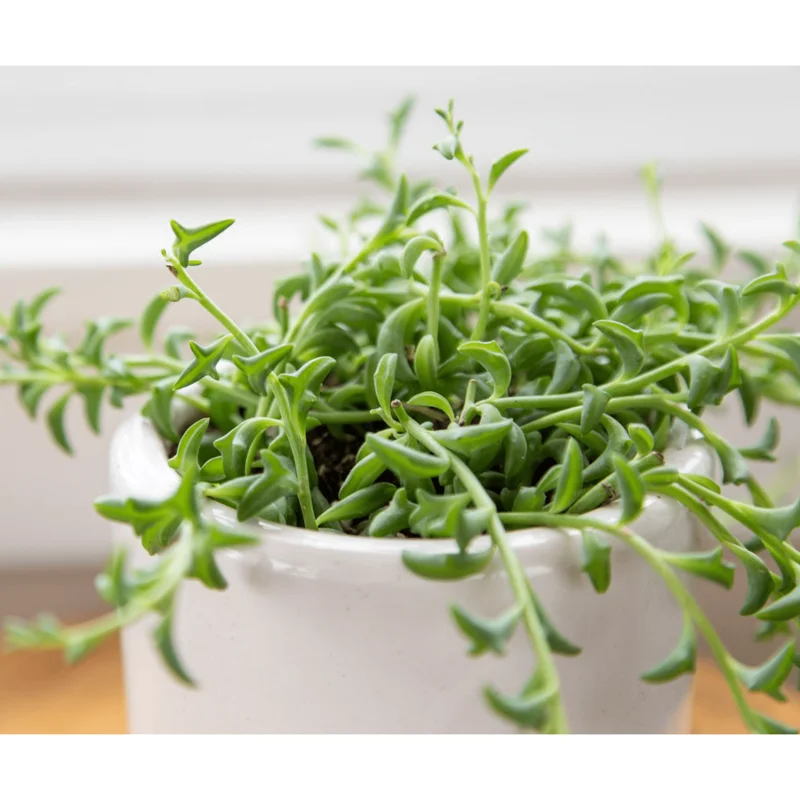
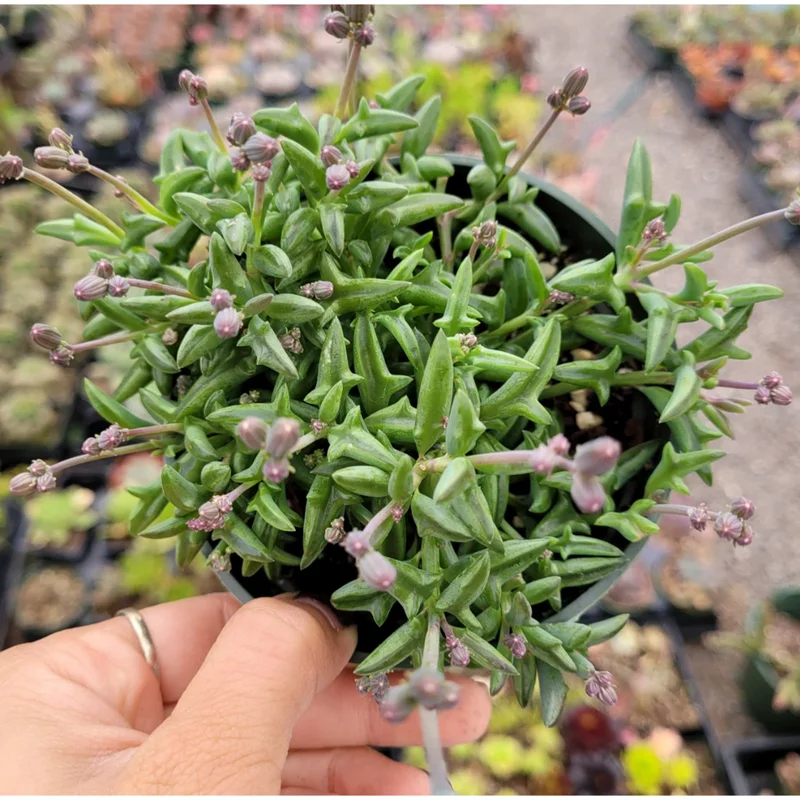
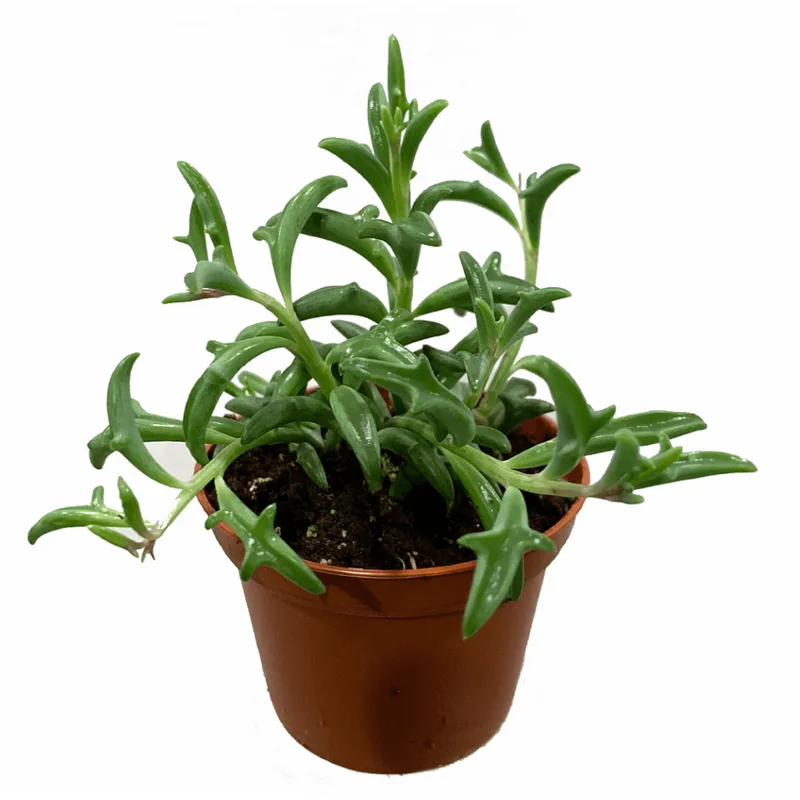
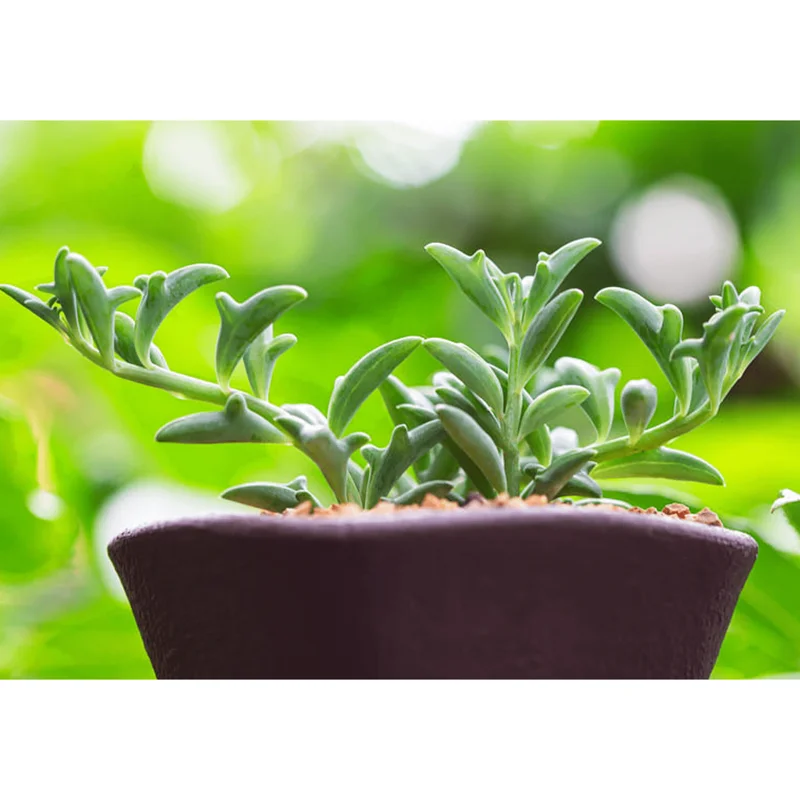
Introduce a touch of whimsy and natural elegance to your home or office with the captivating string of dolphins live plant. This unique succulent, scientifically known as Senecio peregrinus, is a fascinating hybrid between String of Pearls (Senecio Rowleyanus) and Candle Plant (Senecio Articulatus). Its most striking feature is its plump, crescent-shaped leaves that remarkably resemble miniature leaping dolphins, creating a truly enchanting visual. Perfect for both novice and experienced plant enthusiasts, this senecio peregrinus succulent is a conversation starter that brings joy and a distinctive aesthetic to any environment. Whether displayed in a hanging basket, on a shelf, or as part of a succulent arrangement, its trailing tendrils and charming foliage make it an instant favorite.
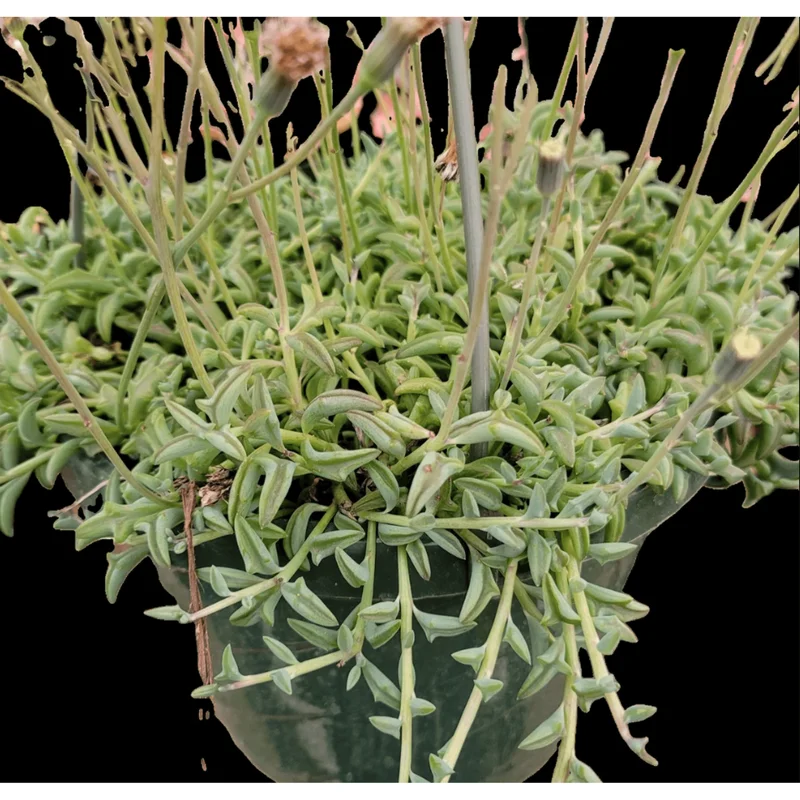
The string of dolphins live plant is a resilient and relatively easy-to-care-for succulent, making it an excellent addition to diverse plant collections. Its ability to thrive in various settings, from bright indoor spaces to shaded outdoor patios, highlights its adaptability. The plant’s succulent nature means it stores water in its leaves, contributing to its low-maintenance appeal. As it matures, its trailing stems can reach impressive lengths, forming a lush cascade of greenery. This particular offering provides a healthy 2-inch live plant, ready to grow and transform your space with its unique charm.
Key Benefits
The string of dolphins live plant offers numerous advantages for plant lovers, combining aesthetic appeal with ease of care. Its distinctive appearance and adaptability make it a rewarding choice for many settings.
- Unique Aesthetic Appeal: The most notable benefit is its extraordinary dolphin-shaped leaves, which are unlike any other succulent. This makes it a visually interesting and charming focal point in any plant collection.
- Excellent for Hanging Displays: With its naturally trailing growth habit, the senecio peregrinus succulent is perfectly suited for hanging baskets, allowing its tendrils to cascade beautifully and create a stunning green curtain.
- Adaptable to Indoor & Outdoor Settings: This versatile plant can thrive both indoors near a sunny window and outdoors in a shaded or partially shaded location, offering flexibility in placement.
- Low Maintenance Succulent: While it appreciates slightly more water than some succulents, the dolphin plant care requirements are generally straightforward, making it suitable for busy individuals or those new to plant care.
- Air Purification Qualities: Like many houseplants, the indoor hanging succulent contributes to improved indoor air quality by absorbing toxins and releasing oxygen.
- Drought Tolerant: Its succulent leaves store water, allowing the plant to tolerate periods of drought, which means less frequent watering is needed compared to many other houseplants.
- Pet-Friendly Potential: While many Senecio varieties can be toxic, String of Dolphins is generally considered less toxic than some, though ingestion should still be avoided for pets. Always monitor pets around new plants.
Plant Care & Growing Tips
Proper dolphin plant care ensures your string of dolphins live plant thrives and maintains its vibrant, unique appearance. Understanding its specific needs for light, water, and soil will lead to a healthy and flourishing plant.
Sunlight Requirements: The senecio peregrinus succulent prefers bright indirect light. While it needs ample sunlight to maintain its compact shape and vibrant color, its unique translucent “leaf windows” allow it to tolerate slightly less intense light than some other non-green succulents. For indoor placement, a spot near a south or west-facing window where it receives bright, filtered light is ideal. If placing outdoors, choose a location with partial shade, especially during the hottest parts of the day, to prevent scorching. Avoid direct, harsh afternoon sun.
Watering Schedule: Unlike many succulents that prefer long dry spells, the string of dolphins live plant appreciates a bit more frequent watering. The key is to water thoroughly when the top inch or two of soil feels dry to the touch. Drench the soil until water runs out of the drainage holes, then allow the soil to dry out completely before the next watering. Overwatering is a common killer of succulents, so ensure excellent drainage. Avoid misting, as this can encourage fungal issues. In winter, reduce watering frequency significantly as the plant’s growth slows.
Soil Type and Drainage: A well-draining potting mix is crucial for the health of your indoor hanging succulent. Use a specialized cactus and succulent mix, or create your own by amending regular potting soil with perlite, pumice, or coarse sand to improve drainage. Good airflow around the roots is vital to prevent root rot. Ensure your pot has drainage holes.
Temperature and Hardiness: This succulent prefers average room temperatures between 65-75°F (18-24°C). It is not frost-hardy and should be protected from temperatures below 40°F (4°C). If grown outdoors in cooler climates, bring it indoors before the first frost. The plant is generally suitable for USDA zones 9-11 for outdoor year-round growth.
Fertilization: Feed your string of dolphins live plant sparingly during its active growing season (spring and summer) with a diluted, balanced liquid succulent fertilizer. Reduce or stop fertilization during fall and winter when the plant is dormant. Over-fertilization can lead to leggy growth and chemical burn.
Common Problems: Watch for signs of overwatering, such as yellowing or mushy leaves, and adjust your watering schedule accordingly. Pests like mealybugs or spider mites can occasionally be an issue; treat with insecticidal soap if detected. Provide adequate light to prevent stretching or etiolation, which results in sparse, elongated stems.
Size & Details
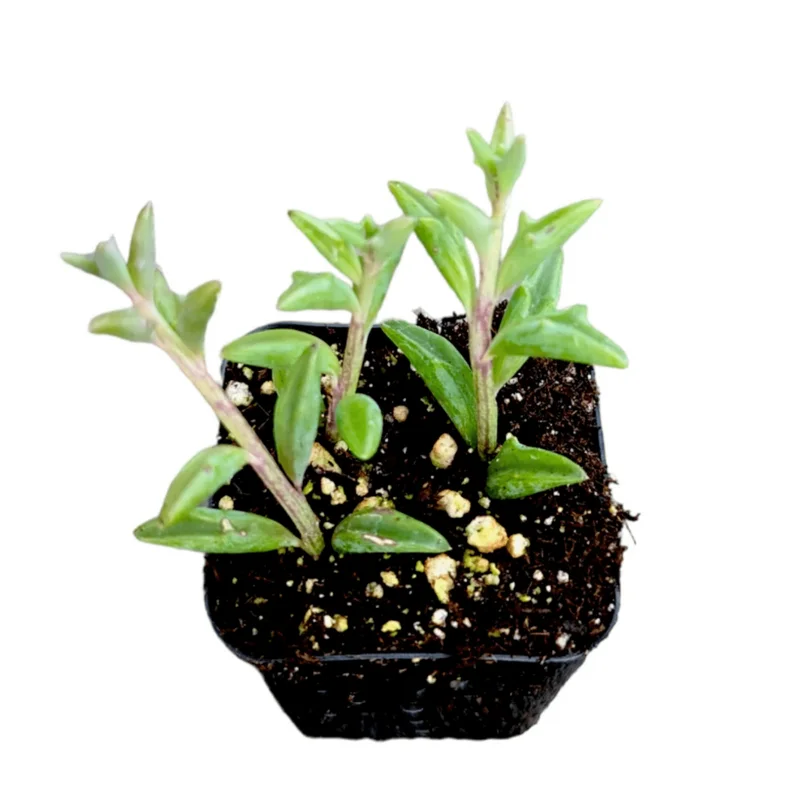
This offering is for a healthy string of dolphins live plant, provided in a 2-inch nursery pot. At this stage, the plant is young and actively growing, making it an ideal starter for your collection. The trailing stems typically begin to lengthen significantly as the plant matures, eventually reaching lengths of 1.0 to 3.0 feet long under optimal conditions. The plant’s growth rate is moderate, and with proper dolphin plant care, you can expect to see noticeable development within a few months.
The plant will arrive carefully packaged to ensure its safe journey. It is shipped with some soil around its roots to minimize stress during transit. Upon arrival, we recommend transplanting it into a slightly larger pot (around 4-6 inches) with fresh, well-draining succulent potting mix to encourage further growth and allow its unique tendrils to develop into an impressive cascade. The mature size and lushness of this senecio peregrinus succulent make it a spectacular addition to any home.
Frequently Asked Questions
- Q: How big does this plant get? A: The string of dolphins live plant in this listing is a 2-inch starter plant. Its trailing stems can eventually reach impressive lengths of 1 to 3 feet, creating a beautiful cascading effect, especially in hanging baskets.
- Q: Is this an indoor or outdoor plant? A: This versatile senecio peregrinus succulent can thrive both indoors and outdoors. Indoors, place it near a bright window with indirect light. Outdoors, it prefers a partially shaded spot, protected from harsh afternoon sun.
- Q: How much sunlight does it need? A: The string of dolphins live plant requires bright, indirect light. Its unique leaf windows allow it to tolerate slightly less intense light than some other succulents, but too little light will cause it to stretch and become leggy.
- Q: Is this plant easy to care for? A: Yes, this indoor hanging succulent is considered relatively easy to care for, making it suitable for beginners. The main considerations are providing adequate light and being mindful not to overwater.
- Q: What condition will it arrive in? A: Your string of dolphins live plant will arrive as a healthy, actively growing plant in a 2-inch nursery pot, carefully packaged to ensure its safe delivery to your home.
- Q: How often should I water my dolphin plant? A: Water your dolphin plant care involves watering thoroughly once the top few inches of soil are completely dry. Allow the soil to dry out between waterings to prevent root rot.
- Q: Is the String of Dolphins plant pet-safe? A: While many Senecio species can be toxic, String of Dolphins is generally considered to be less toxic. However, it’s always best to keep plants out of reach of curious pets, as ingestion can still cause mild irritation.
- Q: What kind of soil is best for this succulent? A: A well-draining cactus and succulent potting mix is essential for the string of dolphins live plant. This prevents waterlogged roots and ensures proper aeration for healthy growth.
- Q: Can I propagate my String of Dolphins? A: Yes, senecio peregrinus succulent is quite easy to propagate from stem cuttings. Simply snip a healthy stem, let the cut end callus for a day or two, and then place it in well-draining soil.
- Q: Why are my String of Dolphins leaves shriveling? A: Shriveling leaves often indicate underwatering. If the leaves are soft and mushy, it’s likely overwatering. Adjust your dolphin plant care routine accordingly.


Reviews
There are no reviews yet.