Overview
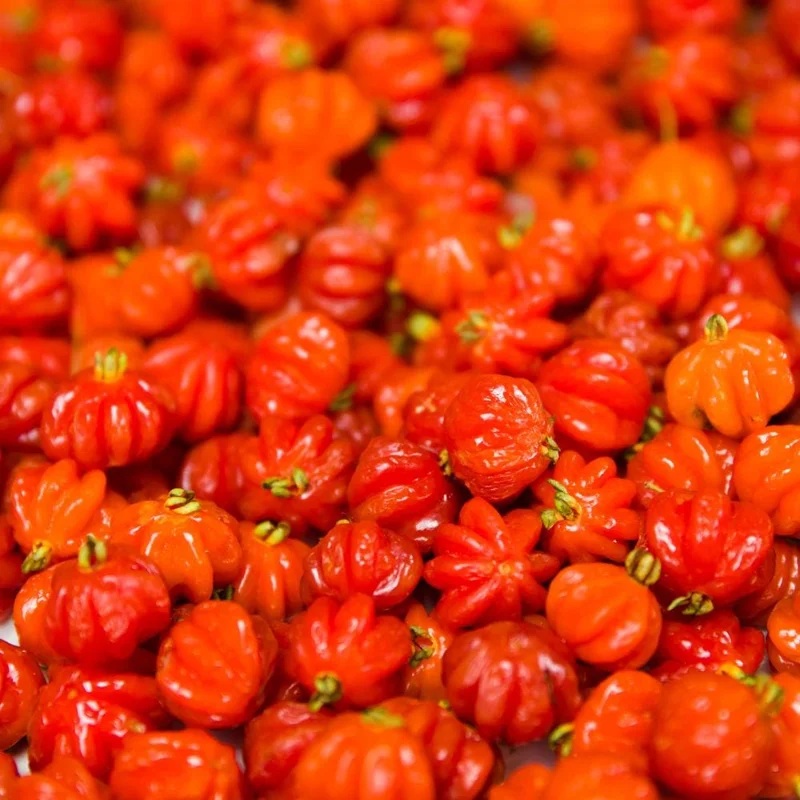
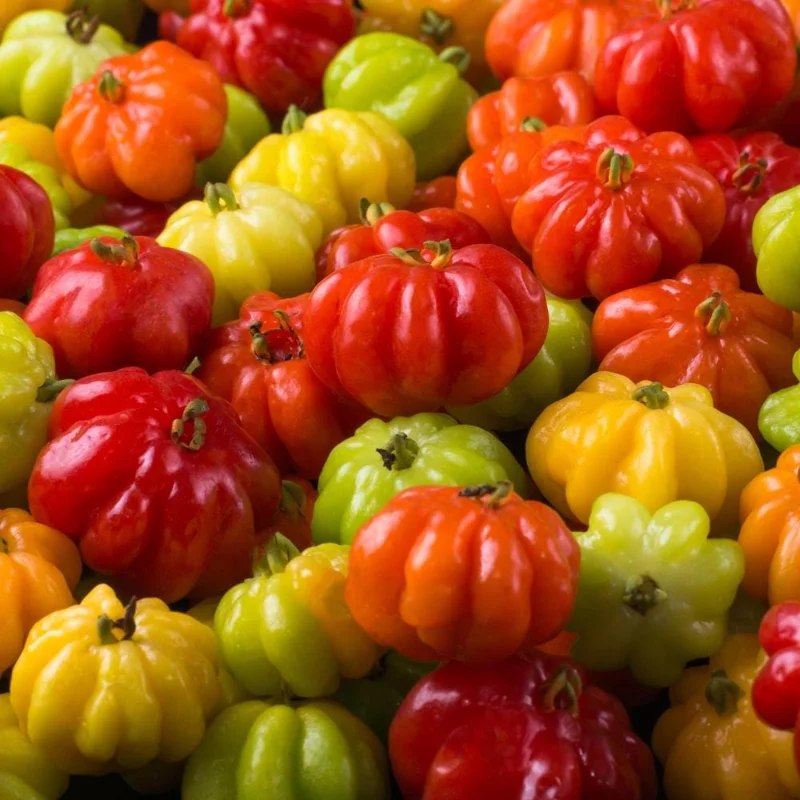
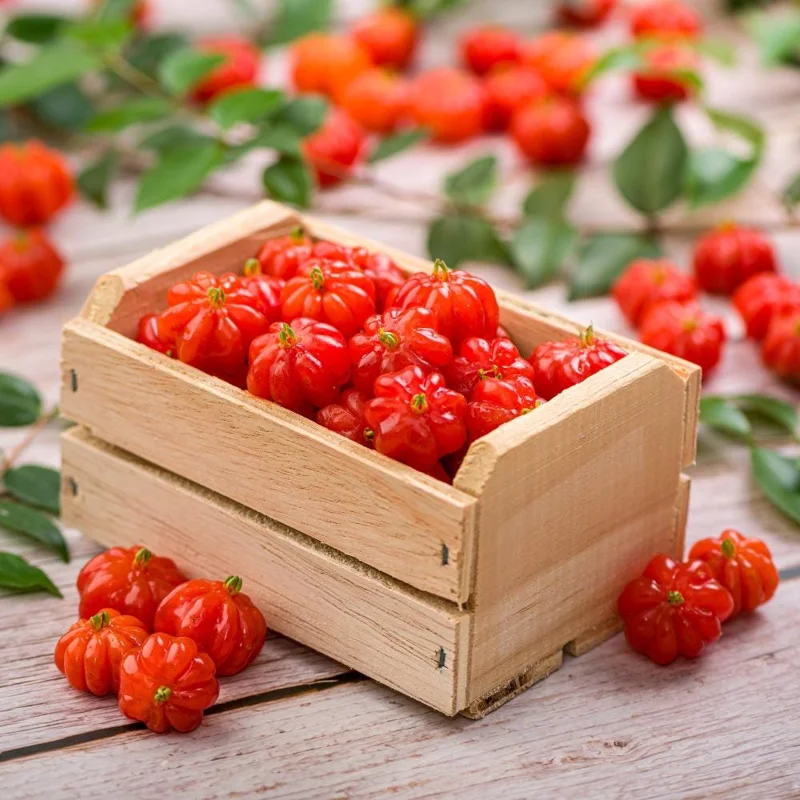
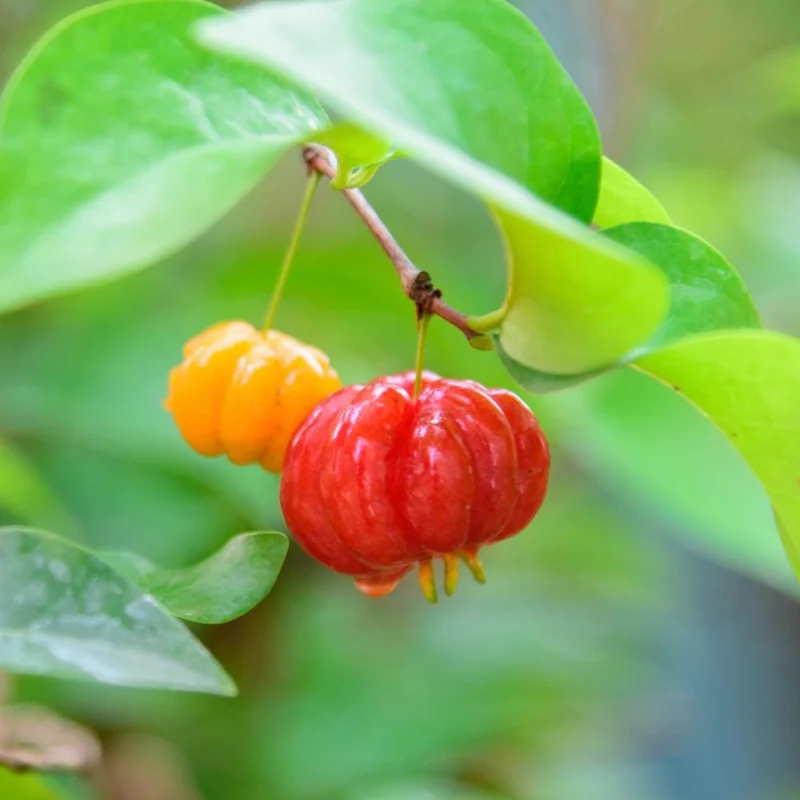
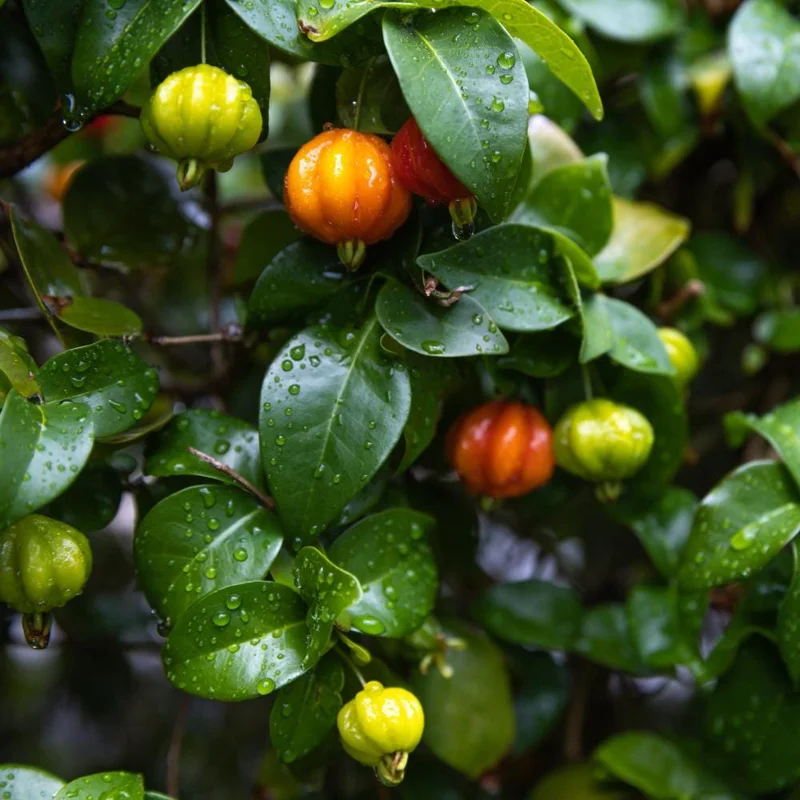
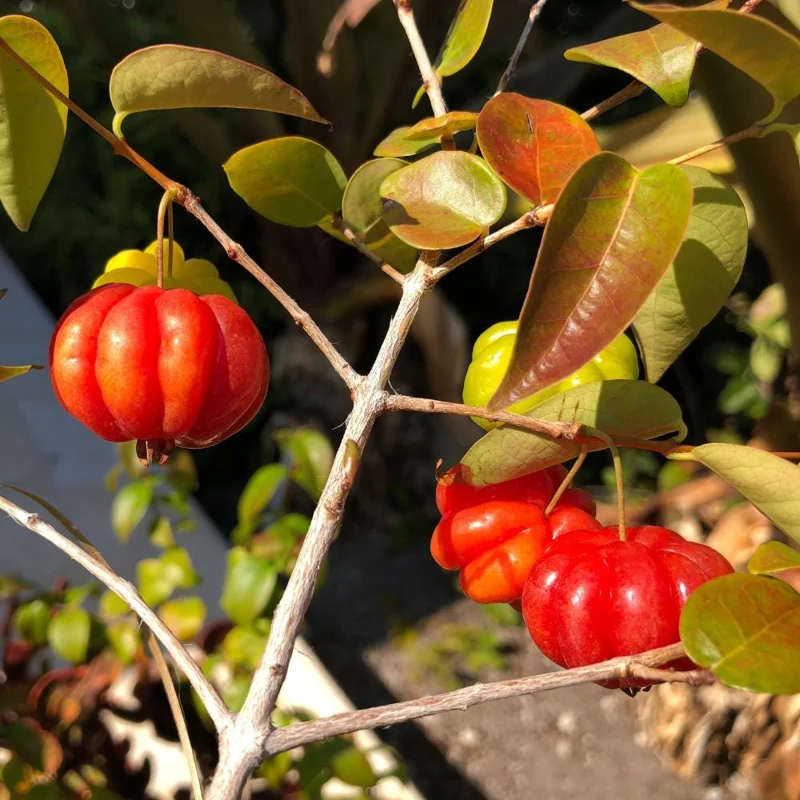
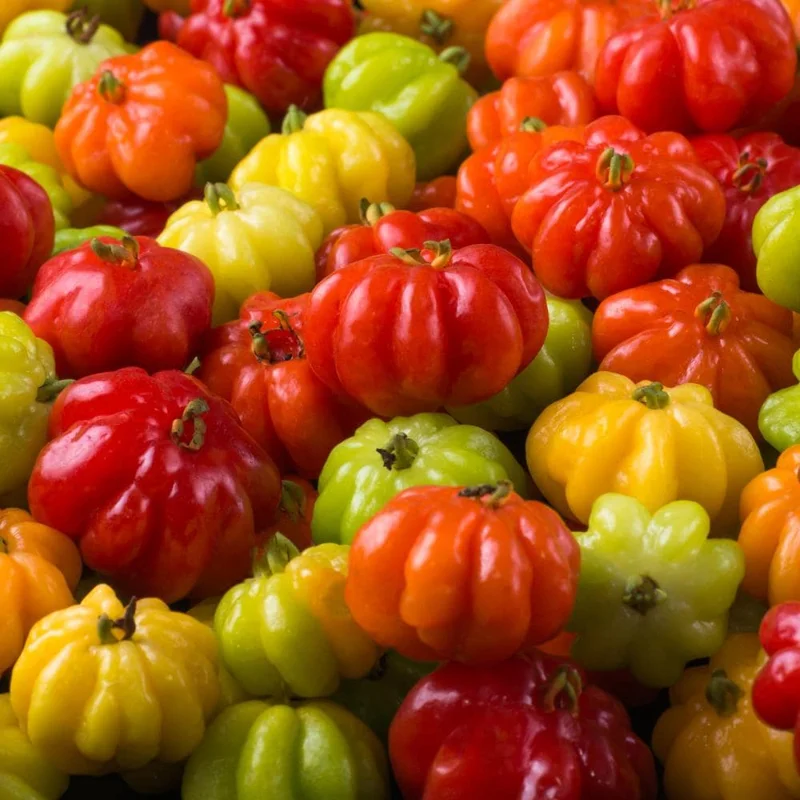
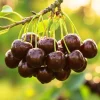
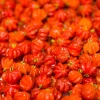
Cultivate your own exotic fruits with a vibrant surinam cherry tree live plant. This beautiful and productive tropical plant, scientifically known as Eugenia uniflora, is celebrated for its unique, ribbed, cherry-like fruits that range in color from orange to dark red when ripe. Often called Pitanga, this versatile plant can be grown as a large shrub or a small tree, reaching heights of 8 to 20 feet. It’s an ideal addition for gardeners looking to introduce a tropical flair and fresh, flavorful fruit to their landscape. Our surinam cherry tree live plant arrives healthy and ready to thrive, offering both ornamental appeal and a bountiful harvest of delicious berries.
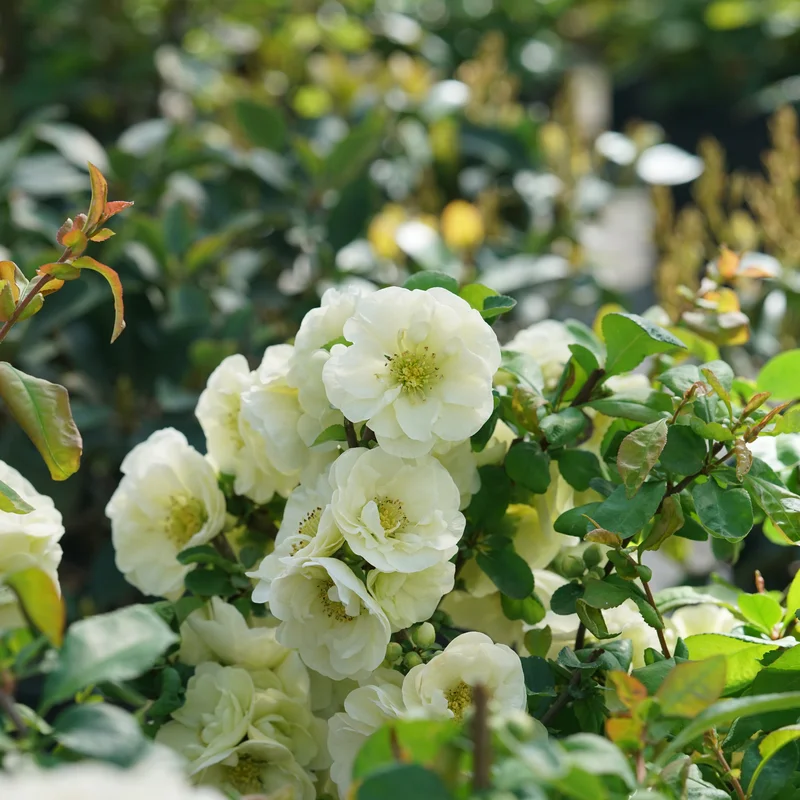
The Surinam Cherry is native to tropical South America and is well-adapted to warm climates. Its dense, bushy growth habit makes it an excellent choice for creating a natural screen or hedge, providing both privacy and a source of edible fruit. The plant produces small, fragrant white flowers that eventually give way to its distinctive fruits, which are not only tasty but also rich in vitamins, especially Vitamin C. Growing your own pitanga fruit tree allows you to enjoy fresh, organic cherries right from your backyard, adding a unique taste to your culinary adventures.
Key Benefits
The surinam cherry tree live plant offers a multitude of benefits for the home gardener, combining aesthetic appeal with practical uses. Its robust nature and delicious yield make it a highly desirable addition to any garden.
- Delicious Edible Fruit: Enjoy a continuous supply of sweet and tart Surinam cherries, perfect for eating fresh, making jams, jellies, juices, or desserts. The fruit is known for its distinctive flavor profile.
- Attractive Ornamental Plant: With its glossy green leaves, fragrant white flowers, and colorful ripening fruits, this plant adds significant visual interest to your garden throughout the year. It’s an attractive specimen plant.
- Versatile Landscaping Option: Can be grown as a compact shrub or a small tree, making it suitable for various garden designs, including hedges, privacy screens, or as a focal point in a tropical-themed garden.
- Adaptable to Various Conditions: This resilient tropical plant thrives in a range of light conditions from full sun to partial shade, making it adaptable to different garden spots. It’s a relatively low-maintenance option.
- Rich in Nutrients: Surinam cherries are packed with vitamins and antioxidants, offering health benefits with every bite. Growing your own ensures a fresh, chemical-free source of these nutritious fruits.
- Supports Local Wildlife: The flowers attract pollinators like bees, and the fruits can provide a food source for birds, contributing to the biodiversity of your garden ecosystem.
- Hardy in Warm Climates: Perfectly suited for USDA Zones 9-11, this plant is well-adapted to warmer regions and can withstand a variety of environmental conditions once established, providing a reliable harvest.
Plant Care & Growing Tips
Caring for your surinam cherry tree live plant is straightforward, especially when provided with the right conditions. This tropical species thrives in warm, humid environments, but is quite adaptable. For optimal growth and fruit production, ensure it receives ample sunlight. It performs best in full sun, which means at least 6-8 hours of direct sunlight per day, but it can also tolerate partial shade, though fruit yield might be slightly reduced. When planting, choose a location with good air circulation to prevent fungal issues.
Watering is crucial, especially during dry spells and when the plant is establishing. Keep the soil consistently moist but not waterlogged. Good drainage is essential to prevent root rot, so ensure your soil mix allows for proper water flow. A well-draining, slightly acidic to neutral soil (pH 5.5-7.0) is ideal. Fertilize your eugenia uniflora plant with a balanced slow-release fertilizer or an organic fruit tree fertilizer during the growing season (spring and summer) to encourage vigorous growth and abundant fruiting. Pruning can be done to maintain shape, control size, and remove any dead or diseased branches.
While generally robust, monitor your plant for common pests like aphids or scale insects, treating them with horticultural oil or insecticidal soap if necessary. In colder regions outside of USDA Zones 9-11, the plant can be grown in a container and brought indoors during winter, or treated as an annual. Proper care ensures a healthy and productive tropical fruit plants specimen, providing you with delicious cherries for years to come. Understanding surinam cherry plant care will lead to a thriving plant.
Size & Details
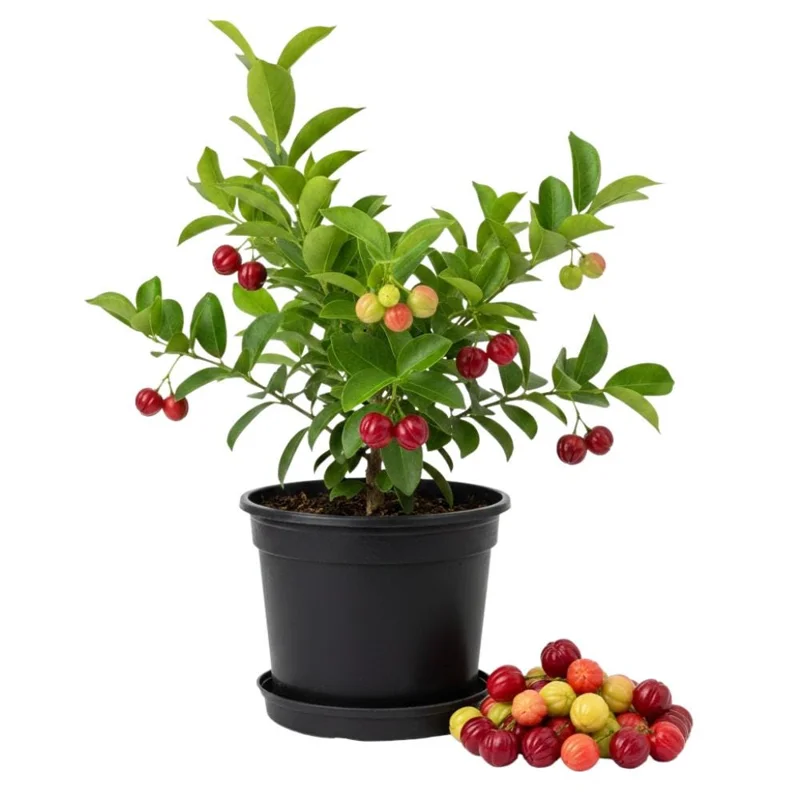
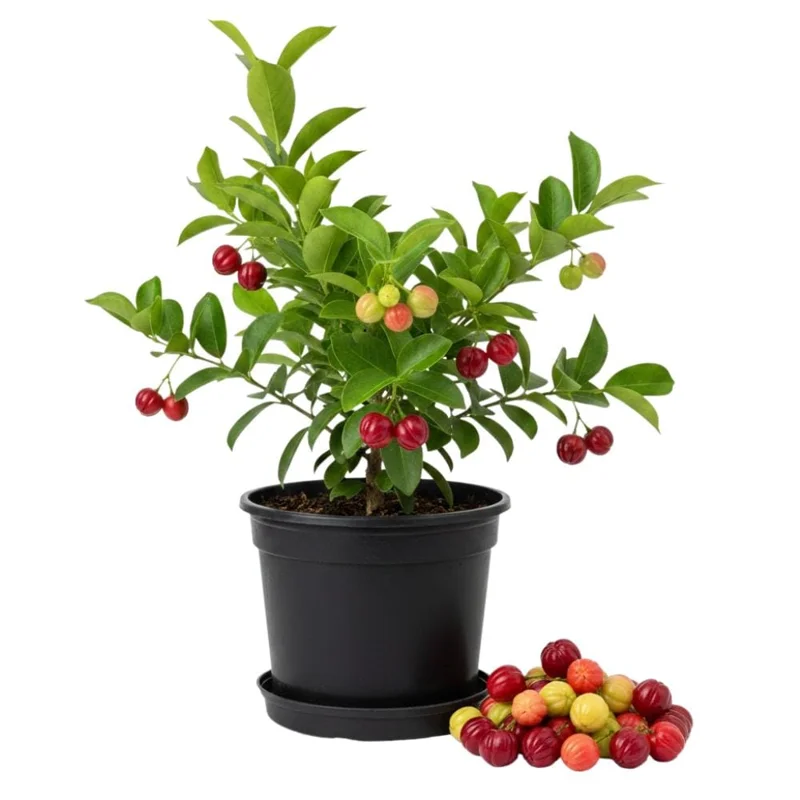
This surinam cherry tree live plant is supplied as a thriving specimen, typically measuring between 2 to 3 feet tall from the base of the pot to the top of the foliage. It comes pre-potted in a 1-gallon nursery container, providing a well-established root system ready for transplanting into your garden or a larger pot upon arrival. The plant exhibits a thick and bushy growth habit, indicating its health and readiness to grow into a substantial shrub or small tree. Expect a moderate to fast growth rate, especially in ideal tropical conditions.
The Surinam Cherry is known for its ability to produce fruit quickly, often within 1-2 years of planting from this size. It will arrive with healthy foliage, carefully packaged to ensure its safe journey. With proper care, this plant will soon develop its characteristic small, white flowers, followed by the distinctive ribbed fruits. This size is perfect for getting a head start on growing your own fresh cherries, offering a robust foundation for a productive pitanga fruit tree in your home garden.
Frequently Asked Questions
- Q: How big does this plant get? A: This surinam cherry tree live plant typically grows as a large shrub or small tree, reaching heights of 8 to 20 feet if left unpruned. Its size can be managed through regular pruning to fit your garden space.
- Q: What size pot does it come in? A: The plant is shipped in a 1-gallon nursery pot, ensuring a healthy and established root system for successful transplanting.
- Q: Is this an indoor or outdoor plant? A: The Surinam Cherry is a tropical plant best suited for outdoor cultivation in USDA Zones 9-11. In colder climates, it can be grown in a container and moved indoors during winter.
- Q: How much sunlight does it need? A: For best fruit production, this plant thrives in full sun, requiring at least 6-8 hours of direct sunlight daily. It can tolerate partial shade, but fruiting may be less abundant.
- Q: Is this plant easy to care for? A: Yes, the Surinam Cherry is considered relatively easy to care for, especially in its preferred climate. It requires consistent watering, good drainage, and occasional fertilization. It’s a great choice for those interested in tropical fruit plants.
- Q: What condition will it arrive in? A: Your eugenia uniflora plant will arrive as a healthy, live plant, carefully packaged to minimize stress during transit. It will have established roots in its 1-gallon pot.
- Q: Can I use Surinam cherries in cooking? A: Absolutely! Surinam cherries are versatile and can be enjoyed fresh, used in jams, jellies, pies, juices, and even fermented into wine. They offer a unique sweet and tart flavor.
- Q: How long until it produces fruit? A: From this 2-3 foot tall size, your Surinam cherry tree can begin producing fruit within 1-2 years under optimal growing conditions.
- Q: When is the best time to plant? A: The best time to plant a Surinam Cherry is in spring or early summer, allowing it ample time to establish before cooler temperatures arrive.
- Q: Will it survive winter in my zone? A: The pitanga fruit tree is hardy in USDA Zones 9-11. If you live in a colder zone, it’s best to grow it in a container and protect it from frost by bringing it indoors during winter.
- Q: What’s the minimum temperature it can tolerate? A: Established Surinam Cherry plants can tolerate brief drops to around 28-30°F (-2 to -1°C), but prolonged freezing temperatures will cause damage.




Reviews
There are no reviews yet.