Overview
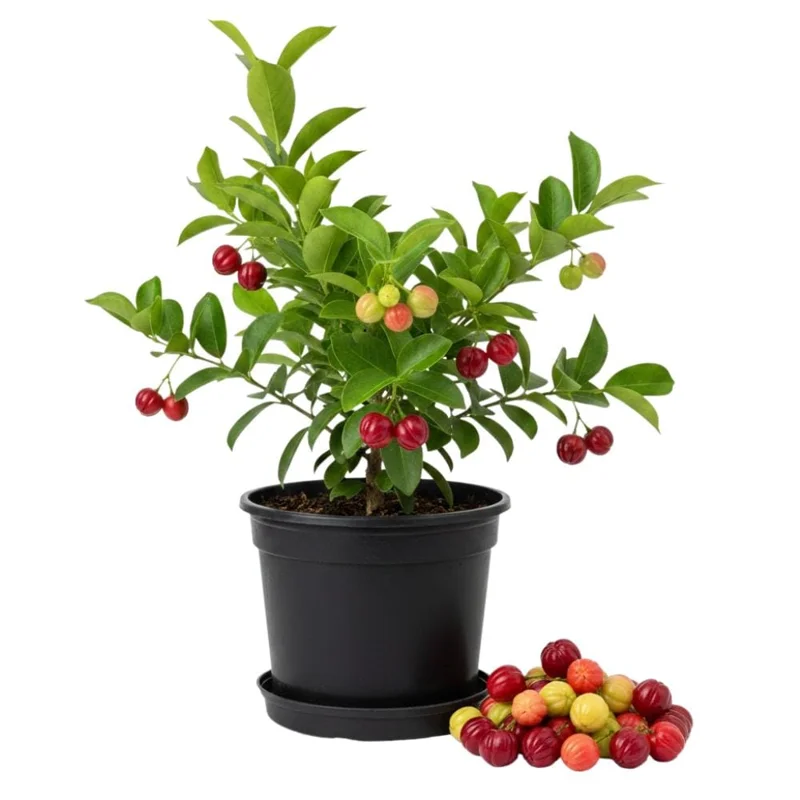
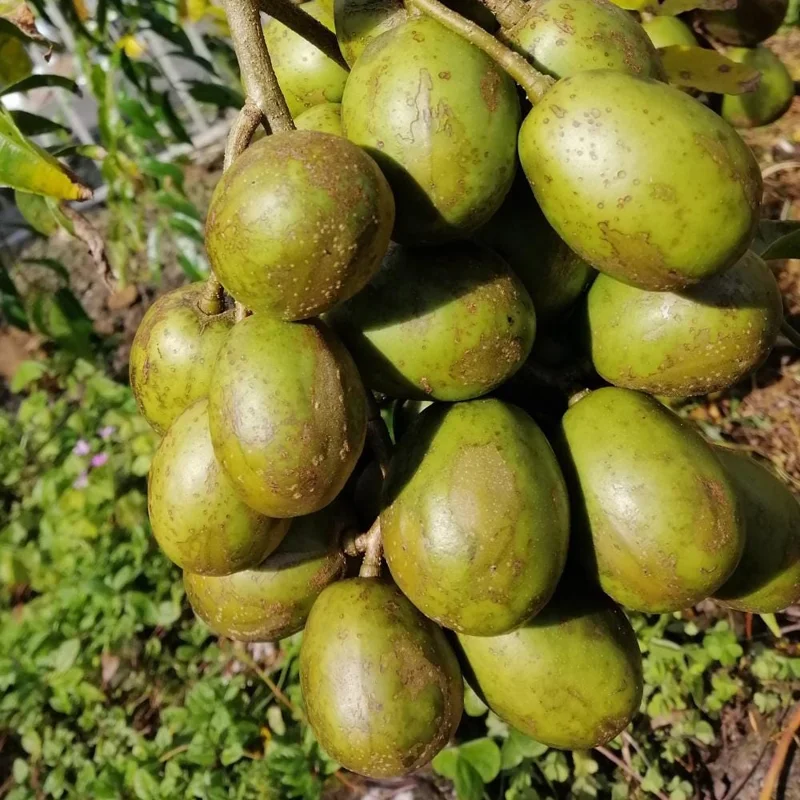
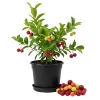
Bring the tropics to your garden with our vibrant Surinam Cherry live plant. This captivating small tree or large shrub, scientifically known as Eugenia uniflora, is renowned for its delicious, pumpkin-shaped, edible fruit. Originating from the Caribbean and South America, the Surinam Cherry live plant is a favorite among gardeners for its ornamental appeal and its bountiful harvest of sweet, tangy berries. Whether you’re a seasoned gardener or a fruit enthusiast, this plant promises to add both beauty and flavor to your outdoor space or a sunny container.
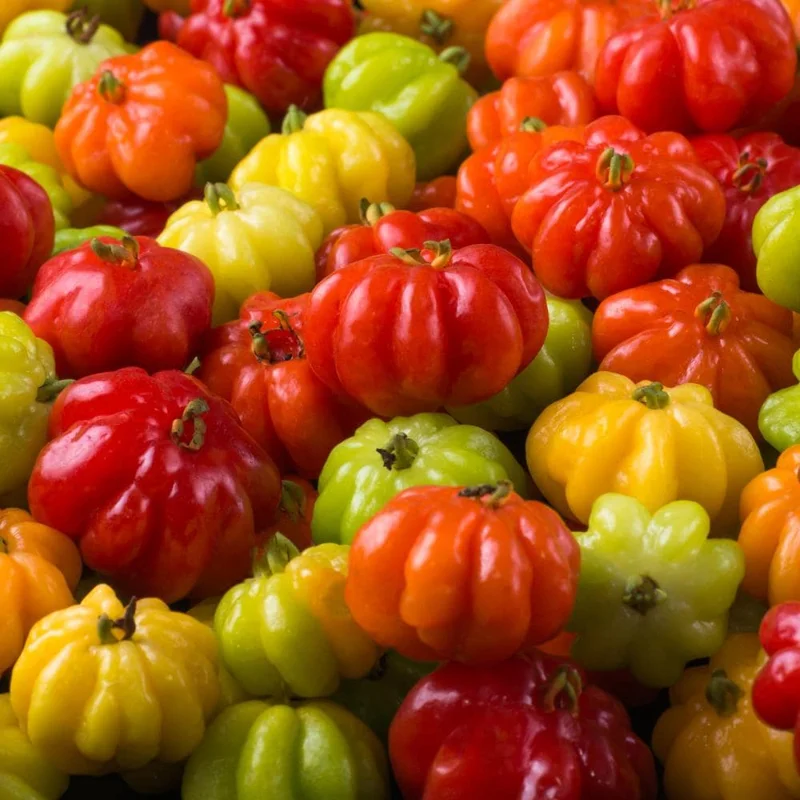
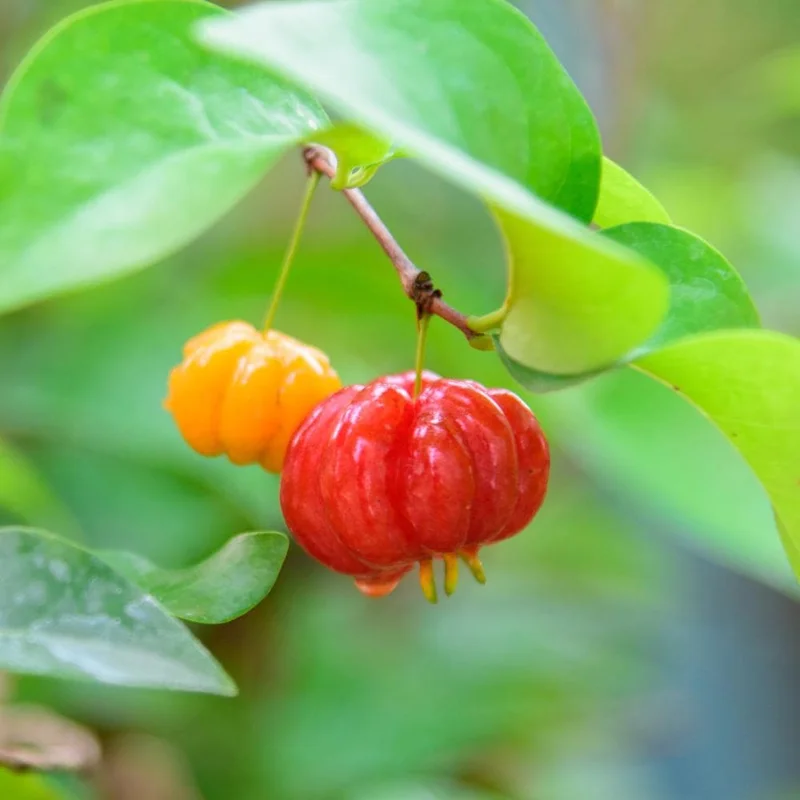
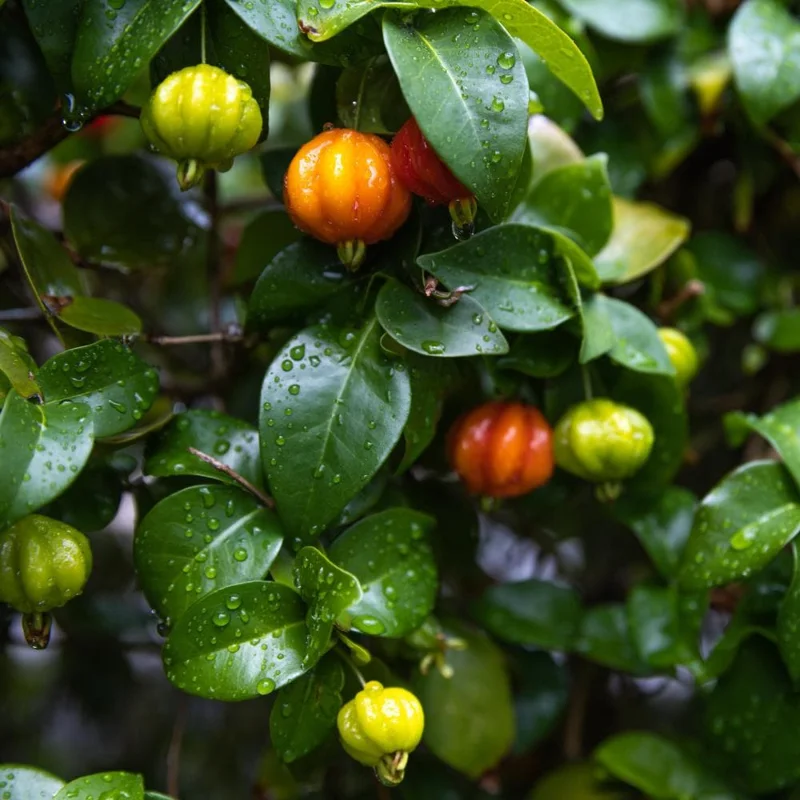
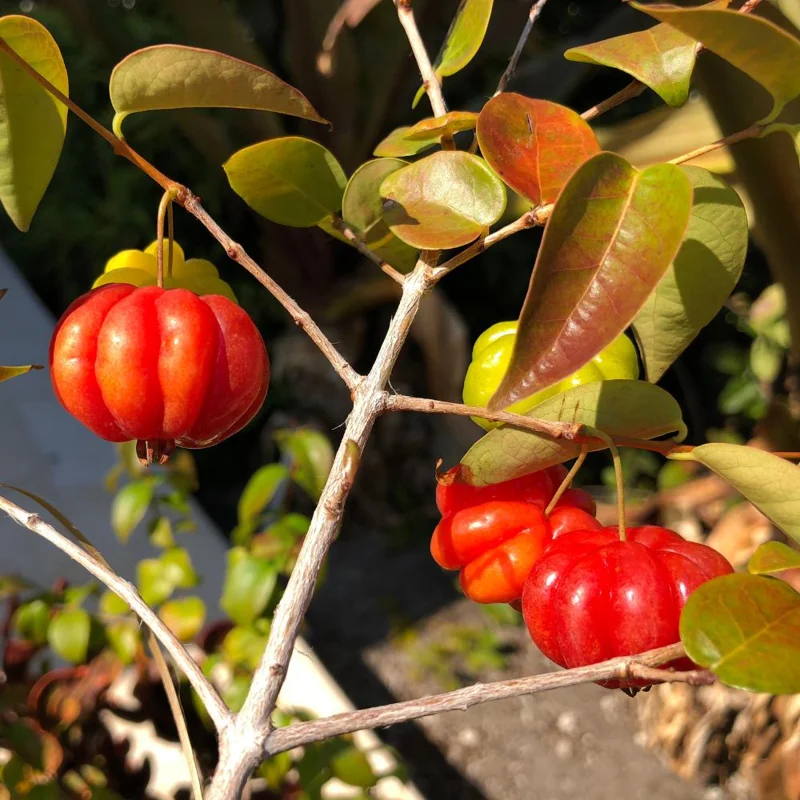
The journey of growing a Surinam Cherry live plant is truly rewarding. From its colorful new leaves that emerge in shades of bronze and red, maturing to a glossy deep green, to the delicate white flowers that precede the fruit, every stage offers visual interest. The fruit itself transforms from green to orange, then to bright red or deep purple-black when fully ripe, inviting you to pick and savor its unique taste. This hardy subtropical plant thrives in warmer climates and can be a fantastic addition to your home orchard or patio.
Key Benefits
The Surinam Cherry live plant offers a multitude of benefits, making it an excellent choice for any gardener looking for both aesthetic appeal and practical yield. Its ease of care and delicious fruit make it a standout:
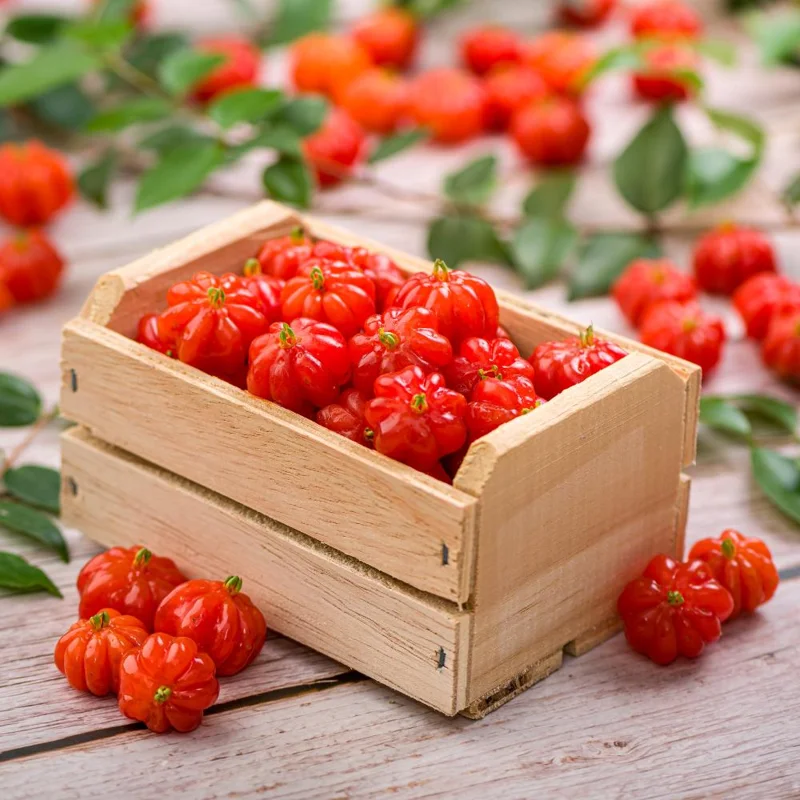
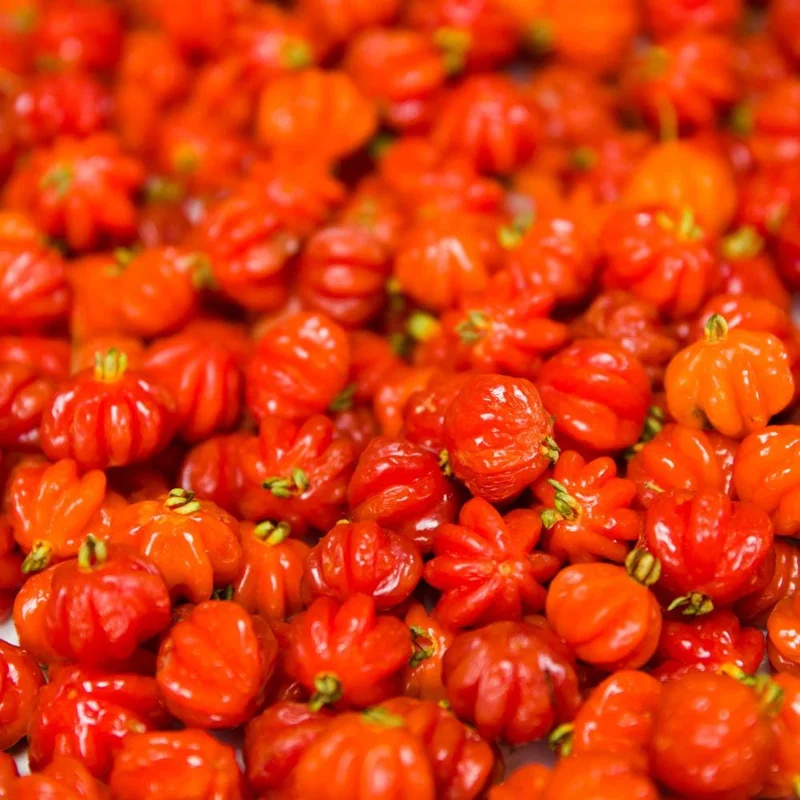
- Delicious Edible Fruit: Enjoy a continuous supply of fresh, vitamin-rich fruit directly from your garden. The unique pumpkin-shaped berries are sweet and slightly tart, perfect for eating fresh, making jams, jellies, or juices. Growing your own edible fruit tree ensures the freshest produce.
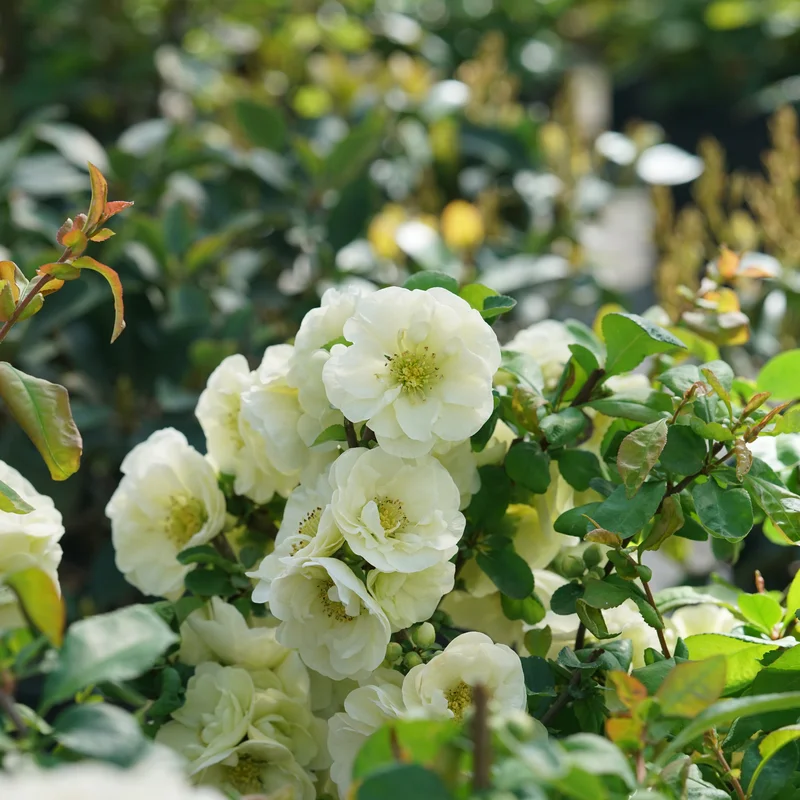
- Ornamental Appeal: With its glossy green leaves, vibrant new foliage, and fragrant white flowers, the Surinam Cherry adds a tropical touch to any landscape or patio. It serves as an attractive focal point throughout the year.
- Adaptable Growth: This versatile plant can be grown as a large shrub or small tree, reaching 8 to 20 feet tall. It adapts well to full sun or partial shade, offering flexibility in planting locations.
- Container Friendly: For those in cooler climates outside USDA Zones 9-11, the Surinam Cherry live plant can be successfully grown in large pots, allowing you to move it indoors during colder months.
- Low to Moderate Maintenance: Established plants are relatively drought-tolerant, but regular watering promotes better fruit production. It doesn’t demand excessive attention, making it suitable for busy gardeners.
- Rapid Fruit Production: After flowering in the spring, the fruit develops very quickly, providing a swift and satisfying harvest.
- Supports Biodiversity: The flowers attract pollinators, and the fruit can be enjoyed by local wildlife, contributing to a healthy ecosystem in your garden.
Plant Care & Growing Tips
Caring for your Surinam Cherry live plant is straightforward, ensuring a healthy, productive tree for years to come. This hardy plant is forgiving but thrives with proper attention. For optimal growth and fruit yield, understanding its specific needs is crucial. This Surinam Cherry tree care guide will help you cultivate a flourishing plant.
Sunlight Requirements: The Surinam Cherry prefers full sun to partial shade. In hotter climates, some afternoon shade can be beneficial to prevent leaf scorch, but adequate sunlight is essential for prolific flowering and fruiting. Aim for at least 6 hours of direct sunlight daily. If growing in a container, situate it in the brightest spot on your patio or near a south-facing window indoors.
Watering: This plant has moderate water needs. While established trees can tolerate short dry periods, consistent moisture is key for vigorous growth and abundant fruit. Water deeply when the top inch or two of soil feels dry to the touch, especially during hot, dry weather and when the plant is flowering or fruiting. Ensure good drainage to prevent root rot. Reduce watering frequency during cooler, dormant periods.
Soil and Fertilization: The Surinam Cherry adapts to a variety of soil types but prefers well-draining, fertile soil with a slightly acidic to neutral pH. For potted plants, use a high-quality potting mix that drains well. Fertilize your Pitanga plant with a balanced slow-release fertilizer in spring and mid-summer, or use a liquid feed every 4-6 weeks during the growing season. Follow package instructions for application rates.
Temperature and Zones: This subtropical plant is hardy in USDA Zones 9-11. In these zones, it can be grown outdoors year-round. In cooler regions, it must be grown in containers and brought indoors when temperatures drop below freezing. Protect it from frost, as young plants are particularly susceptible. The ideal temperature range for growth is between 65°F and 85°F.
Pruning: Prune your Eugenia uniflora to maintain shape, control size, and encourage bushier growth and better fruit production. The best time to prune is after the fruiting season. Remove any dead, diseased, or crossing branches. Light pruning can also be done to shape the plant as desired.
Size & Details
This offering is for a vibrant Surinam Cherry live plant, shipped in a 4-inch nursery pot. The plant typically stands between 5 to 8 inches tall from the base of the pot, ready to be transplanted into a larger container or directly into your garden. As a mature plant, it can grow as a large shrub or small tree, reaching a height of 8 to 20 feet with a spread of 5-15 feet, depending on growing conditions and pruning. The growth rate is moderate, allowing you to enjoy its development over time. Your plant will arrive carefully packaged to ensure its health and vitality during transit.
The Surinam Cherry tree care for its size is manageable. It is a robust specimen that, with proper care, will establish quickly. Expect flowering in spring, followed very quickly by fruit development, offering a rewarding cycle of growth and harvest. This particular variety is known for its prolific fruiting, providing ample opportunities to enjoy its unique berries.
Frequently Asked Questions
- Q: How big does this Surinam Cherry live plant get? A: This plant is currently 5-8 inches tall in a 4-inch pot. At maturity, it can grow into a large shrub or small tree, reaching 8 to 20 feet tall and 5-15 feet wide, depending on growing conditions and whether it’s pruned.
- Q: Is this an indoor or outdoor plant? A: The Surinam Cherry live plant is a subtropical outdoor plant hardy in USDA Zones 9-11. In cooler climates, it can be grown successfully indoors in a large pot, especially if given adequate light.
- Q: How much sunlight does it need? A: It thrives in full sun to partial shade, ideally receiving at least 6 hours of direct sunlight per day for the best fruit production.
- Q: What condition will the plant arrive in? A: Your Surinam Cherry live plant will arrive carefully packaged in its 4-inch nursery pot, healthy and ready for planting or repotting. We take great care to ensure safe transit.
- Q: Is this plant easy to care for? A: Yes, the Surinam Cherry is considered relatively easy to care for. It has moderate water needs and is quite adaptable, making it a good choice for both experienced and novice gardeners.
- Q: When is the best time to plant a Surinam Cherry tree? A: For outdoor planting in appropriate zones, spring or early fall are ideal. If growing in a container, it can be planted any time of year.
- Q: What is a Pitanga plant? A: Pitanga plant is another common name for the Surinam Cherry (Eugenia uniflora), referring to the same delicious fruit-bearing tree.
- Q: Can I use the fruit of the Surinam Cherry for cooking? A: Absolutely! The fruit is highly versatile and can be eaten fresh, or used to make jams, jellies, pies, and juices. It’s a fantastic ingredient for various culinary creations.
- Q: Will it survive winter in my zone if I live outside USDA 9-11? A: If you live outside USDA Zones 9-11, you will need to grow your Surinam Cherry live plant in a container and bring it indoors during the winter months to protect it from frost.
- Q: What type of soil is best for a Surinam Cherry? A: The Surinam Cherry prefers well-draining, fertile soil. A good quality potting mix with added organic matter is recommended for container-grown plants.




Reviews
There are no reviews yet.