Overview
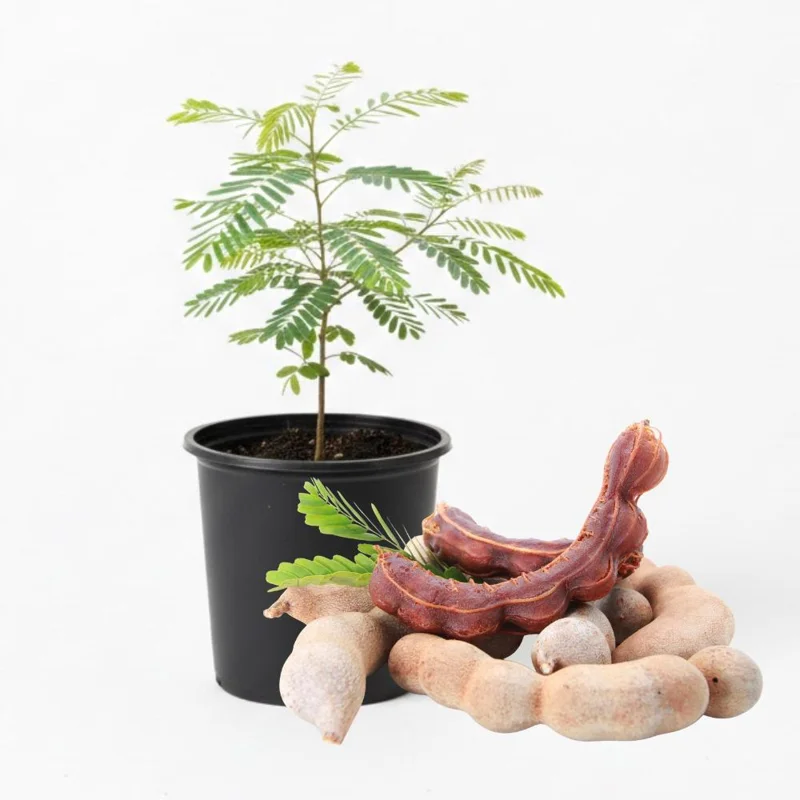
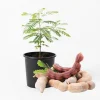
Bring the exotic flavor of the tropics to your garden with this vibrant sweet tamarind tree live plant. This young Tamarindus indica specimen, standing 16-20 inches tall and rooted in a 1-gallon pot, offers the promise of delicious fruit and lush, attractive foliage. The tamarind tree is a long-lived, productive tropical fruit tree renowned for its unique sweet and sour pods used in various culinary applications worldwide. This particular variety is cherished for its sweet pulp, making it a delightful addition for any gardener looking to grow their own exotic produce. Perfect for those seeking a rewarding and beautiful tropical tamarind fruit tree, it will thrive in suitable climates, maturing into a magnificent shade tree.
The tamarindus indica tree is native to tropical Africa but has been cultivated globally for centuries. Its resilience and striking appearance make it a popular choice for warm-climate landscapes. As a young plant, it requires consistent care, but as it matures, it becomes remarkably hardy and drought-tolerant, providing years of enjoyment and abundant harvests. Cultivating a sweet tamarind tree live plant allows you to enjoy fresh, flavorful tamarind straight from your backyard.
Key Benefits
Growing a sweet tamarind tree live plant offers numerous advantages, from its ornamental appeal to the delicious fruit it produces. This versatile tree is a fantastic choice for both novice and experienced gardeners in appropriate climates.
- Delicious Edible Fruit: Enjoy the unique sweet and tangy flavor of fresh tamarind pods. The pulp is perfect for snacks, drinks, desserts, and savory dishes, offering a versatile culinary ingredient directly from your garden.
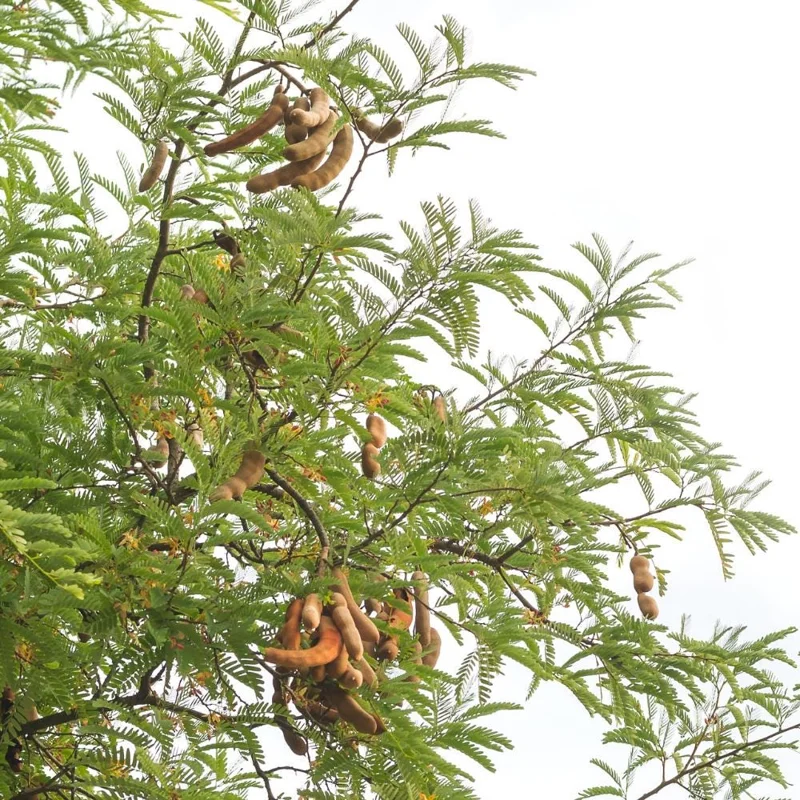
- Beautiful Ornamental Tree: The tamarind tree features elegant, feathery foliage and small, attractive yellow flowers with red stripes, adding a touch of tropical beauty to any landscape. It develops into a stately shade tree over time.
- Drought Tolerance: While young plants require regular watering, mature tamarind trees are highly drought-tolerant, making them a sustainable choice for warmer, drier climates and reducing the need for constant irrigation.
- Long-Lived and Productive: A well-cared-for tamarind tree can live for many decades, providing abundant harvests of fruit year after year, making it a valuable long-term investment for your garden.
- Adaptable to Various Soils: Though it prefers well-draining soil, the tamarindus indica tree is generally unfussy about soil types, adapting to a range of conditions as long as drainage is adequate.
- Natural Shade Provider: As it matures, the tamarind tree develops a broad, dense canopy, offering excellent shade during hot summer months, creating a comfortable outdoor living space.
- Low Maintenance (Once Established): After its initial establishment phase, this tropical tamarind fruit tree requires minimal care, making it an easy-to-manage addition to your edible landscape.
Plant Care & Growing Tips
Caring for your sweet tamarind tree live plant is straightforward, especially once it’s established. Understanding its needs will ensure healthy growth and bountiful harvests. For optimal growth, plant your tamarind tree in a location that receives full sun, meaning at least 6-8 hours of direct sunlight per day. This is crucial for fruit production and overall vigor. While young plants need consistent moisture, ensure the soil is well-draining to prevent root rot. As the tree matures, it becomes incredibly hardy and can withstand periods of drought, making it a resilient choice for its designated USDA Zones.
The ideal soil for a sweet tamarind tree live plant is well-draining, sandy loam, though it can tolerate a variety of soil types, including clay and calcareous soils, as long as they drain properly. Ensure your planting site has good air circulation. Water regularly during the first 1-2 years, allowing the top few inches of soil to dry out slightly between waterings. Once established, watering can be reduced significantly, as the tree becomes very self-sufficient. Fertilize young trees every 2-3 months with a balanced, slow-release fertilizer, reducing frequency to 2-3 times a year for mature trees. Pruning should be done primarily to shape the tree and remove any dead or diseased branches, typically after the fruiting season. This helps maintain a strong structure and encourages better fruit production.
This tropical tamarind fruit tree thrives in warm climates, specifically USDA Zones 10-11, where it can be grown outdoors year-round. It is sensitive to frost, so in areas prone to cold snaps, consider providing protection for young trees or growing it in a large container that can be moved indoors during winter. Understanding how to grow tamarind successfully involves mimicking its natural tropical habitat as closely as possible, providing ample sunlight, and ensuring proper drainage.
Size & Details
This offering is for one sweet tamarind tree live plant, which arrives healthy and ready for planting. The plant measures approximately 16-20 inches tall from the base of the pot to the tip of the foliage, providing a good head start for establishment. It is securely rooted in a 1-gallon nursery pot, ensuring its root system is well-developed and prepared for transplanting into your garden or a larger container. The growth rate of the tamarindus indica tree is moderate, and with proper care, it will quickly establish itself and begin to mature. Expect to see significant growth within the first few years, with flowering typically beginning after 3-5 years and fruit production following shortly after. This drought tolerant fruit tree will eventually grow into a large, impressive specimen.
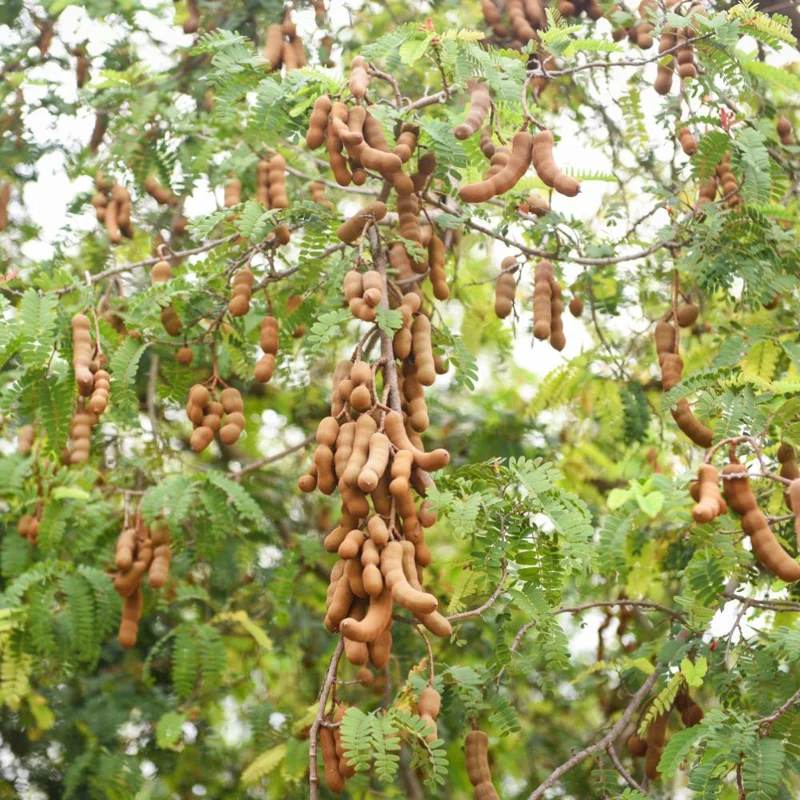
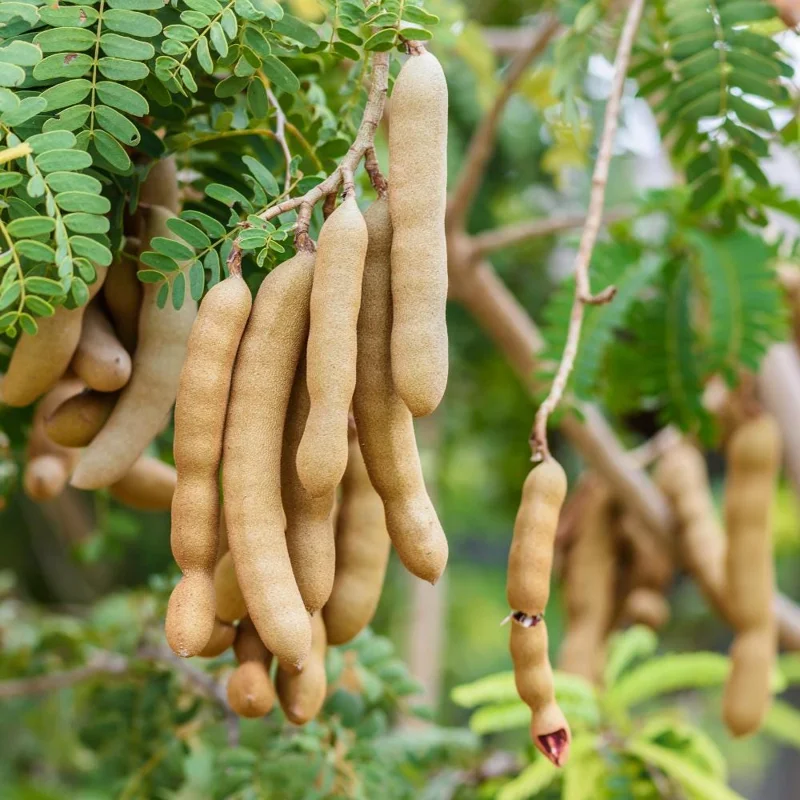
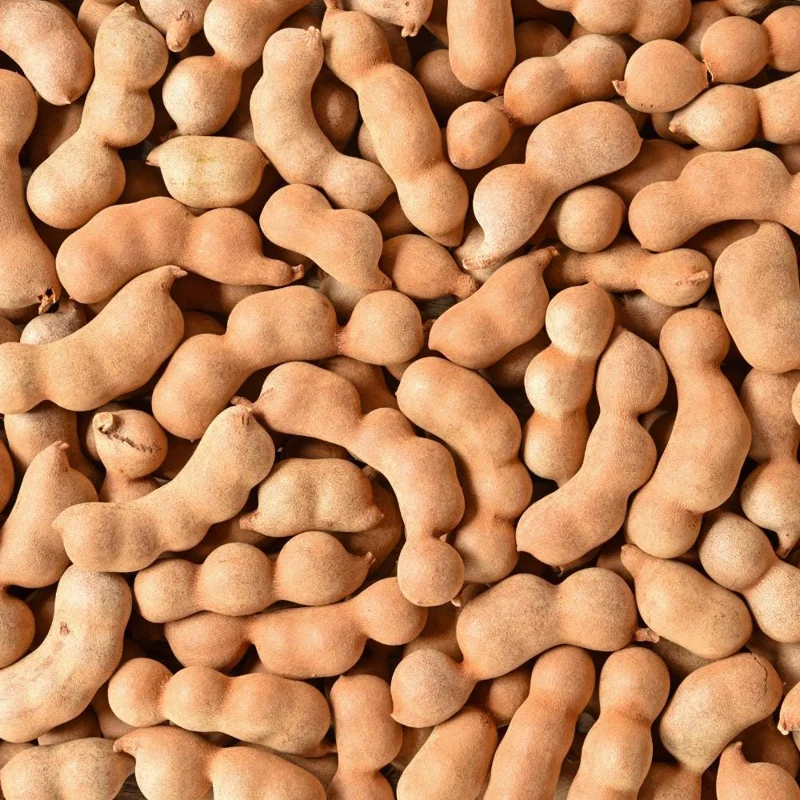
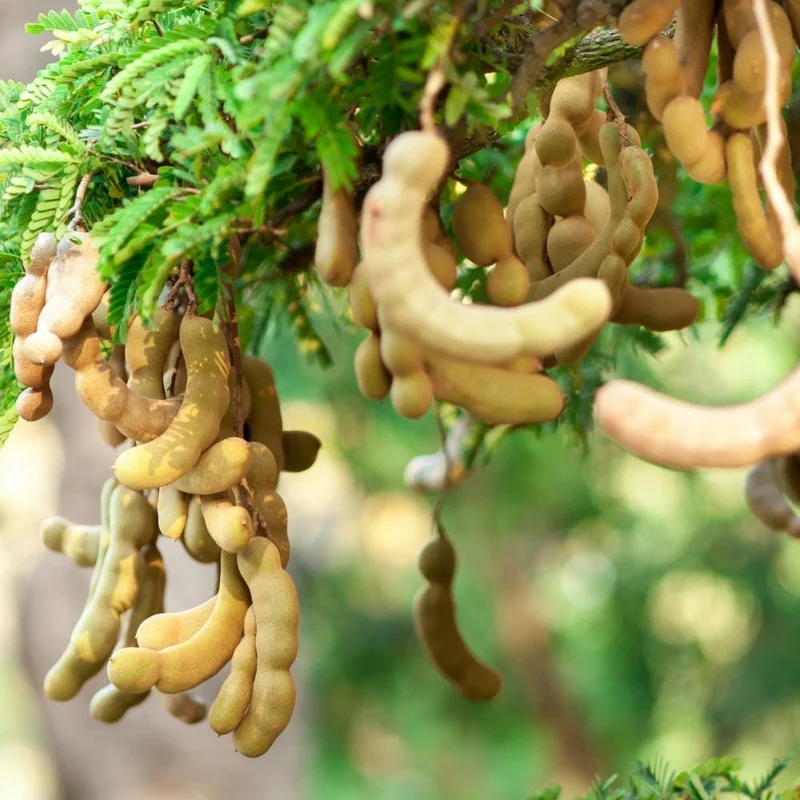
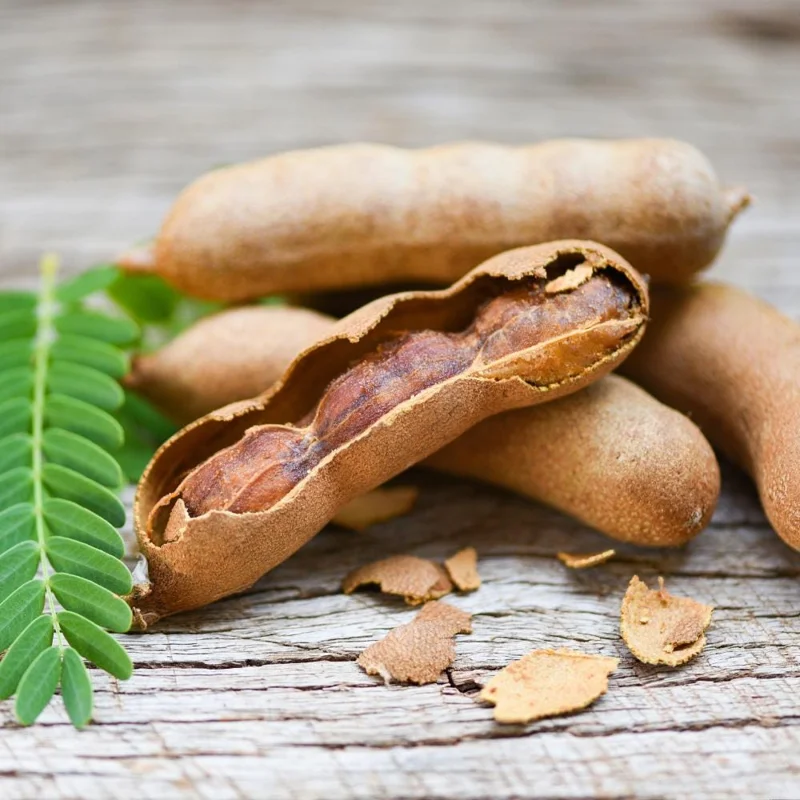
The tamarind pods, which are the edible fruit, will develop after the small, yellow flowers with red stripes bloom in clusters among the leaves. These pods are long and brown, containing the sweet and tangy pulp that is so highly prized. When you receive your sweet tamarind tree live plant, it will be carefully packaged to ensure safe transit. Upon arrival, gently unpack and water thoroughly, then place it in a suitable location with plenty of sunlight. It is a long-lived and productive tree, providing many years of enjoyment and delicious harvests.
Frequently Asked Questions
- Q: How big does this sweet tamarind tree get? A: A mature sweet tamarind tree live plant can grow quite large, reaching heights of 50-80 feet with a wide spreading canopy, making it an excellent shade tree. This particular plant is 16-20 inches tall in a 1-gallon pot, providing a young tree ready to establish.
- Q: Is this an indoor or outdoor plant? A: The sweet tamarind tree live plant is a tropical outdoor tree best suited for USDA Zones 10-11. In colder climates, it can be grown in a large container and moved indoors during winter, or treated as an annual if space is limited.
- Q: How much sunlight does it need? A: This tropical tamarind fruit tree requires full sun exposure, meaning at least 6-8 hours of direct sunlight daily for optimal growth and fruit production.
- Q: What condition will the sweet tamarind tree arrive in? A: Your sweet tamarind tree live plant will arrive securely packaged in its 1-gallon nursery pot, with its root ball intact and foliage protected, ready for transplanting.
- Q: Is this plant easy to care for? A: While young plants require consistent watering and protection from frost, mature tamarind trees are quite low-maintenance and are known for being a drought tolerant fruit tree, making them relatively easy to care for in the right climate.
- Q: How long until it produces fruit? A: A sweet tamarind tree live plant typically begins to flower and produce fruit within 3-5 years of planting, depending on growing conditions and care.
- Q: What type of soil does a tamarind tree prefer? A: Tamarind trees prefer well-draining, sandy loam soil but are adaptable to a range of soil types, including clay and calcareous soils, as long as drainage is adequate.
- Q: Can I grow this tamarind tree in a pot? A: Yes, you can grow a tamarindus indica tree in a large pot, especially in climates outside of USDA Zones 10-11, to allow for protection from cold temperatures. Ensure the pot has good drainage.
- Q: What is the best time to plant a sweet tamarind tree? A: The best time to plant a sweet tamarind tree live plant is in the spring or early summer, after the last chance of frost, allowing the plant ample time to establish before cooler weather.
- Q: Will it survive winter in my zone? A: This tropical tamarind fruit tree is sensitive to frost. It will only survive outdoors year-round in USDA Zones 10-11. In colder zones, winter protection or indoor relocation is necessary.



Reviews
There are no reviews yet.