Overview
Introduce a piece of natural grandeur to your landscape with these sycamore tree bare roots. This offering includes 5 native seedlings, each 1-2ft tall, arriving dormant and ready for planting. The American Sycamore (Platanus occidentalis) is renowned for its rapid growth and stately presence, making it an excellent choice for adding significant shade and aesthetic appeal to larger gardens, parks, or riverside properties. These bare roots are an economical and effective way to establish this iconic tree, known for its distinctive exfoliating bark that reveals striking patterns of white, tan, and green beneath. As a native species, it’s well-adapted to various North American environments and contributes significantly to local ecosystems.
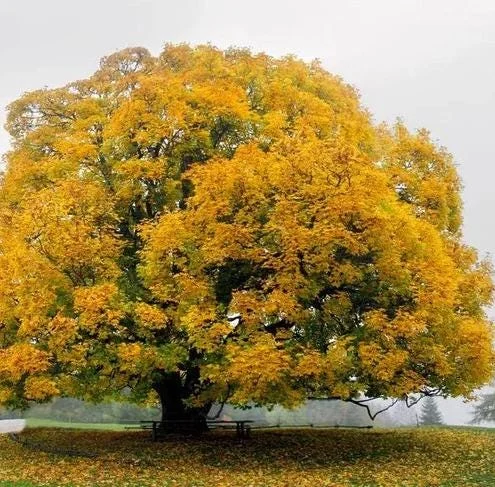
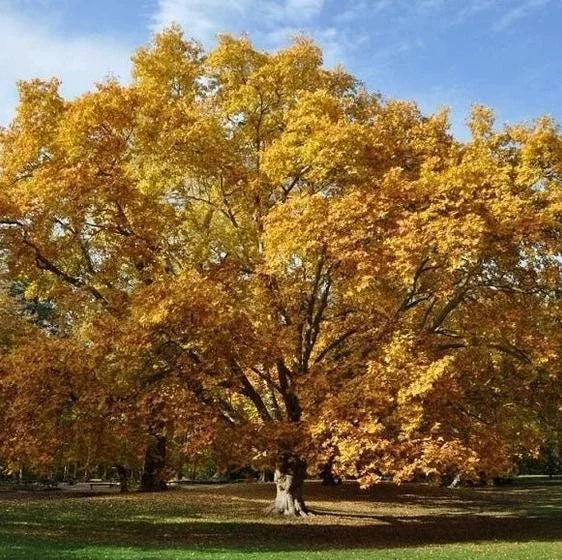
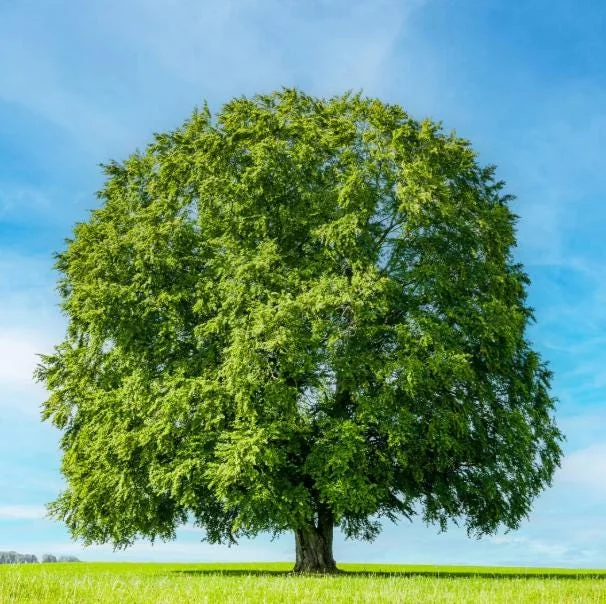
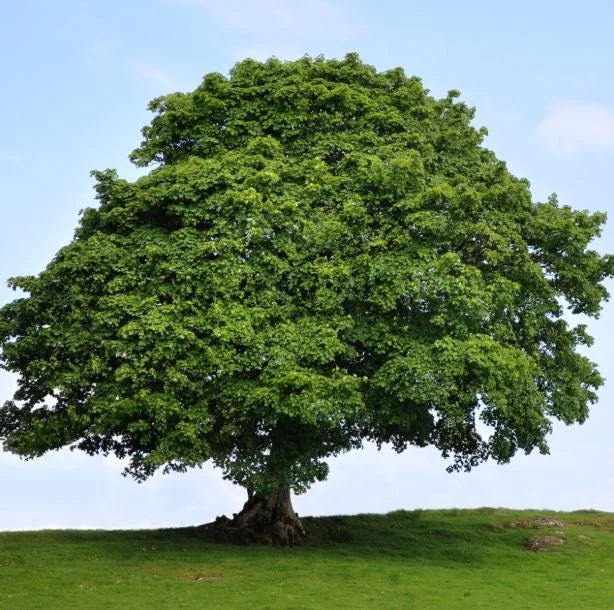
The native sycamore seedling develops into a large, deciduous tree characterized by its broad, spreading crown and large, maple-like leaves. Its most notable feature is arguably its bark, which peels away in irregular patches, creating a beautiful mosaic effect, especially prominent in winter. This unique characteristic provides year-round visual interest. The tree also produces interesting, spiky seed balls that persist on branches through the colder months, adding another layer of texture to the winter landscape. Planting these sycamore tree bare roots is an investment in long-term beauty and ecological benefit for your property.
Key Benefits
Planting sycamore tree bare roots offers numerous advantages for both your property and the environment. These fast-growing trees quickly establish themselves, providing shade and beauty for generations.
- Rapid Growth & Shade: The American Sycamore is known for its exceptionally fast growth rate, quickly developing into a large, magnificent shade tree. This means you’ll enjoy substantial shade and a cooler environment much sooner compared to many other tree species.
- Striking Ornamental Bark: One of the most distinctive features of the sycamore is its unique exfoliating bark. As the tree matures, the outer bark peels off in irregular patches, revealing lighter, smooth inner bark in shades of cream, green, and tan, creating a stunning mottled pattern that provides year-round visual interest, especially in winter.
- Native & Adaptable: As a native species, the native sycamore seedling is well-suited to the American climate and soil conditions (USDA Zones 4-9). It demonstrates excellent adaptability to a range of environments, including moist floodplains and urban settings, making it a robust choice for various landscaping projects.
- Wildlife Habitat: Sycamore trees provide valuable habitat and food sources for various wildlife, including birds and small mammals, contributing to biodiversity and ecological health in your garden.
- Erosion Control: Due to their extensive root systems, sycamores are excellent for erosion control, particularly in areas prone to flooding or along waterways, helping to stabilize soil.
- Low Maintenance: Once established, these sycamore tree bare roots require relatively low maintenance, making them an ideal choice for those seeking a grand tree without constant upkeep.
- Winter Interest: Beyond its bark, the tree’s round, spiky seed balls persist on branches throughout winter, adding another unique element to the dormant landscape.
Plant Care & Growing Tips
Caring for your sycamore tree bare roots is straightforward, especially when following these guidelines to ensure a healthy and robust tree. These native seedlings are quite resilient but thrive with proper initial care. When considering american sycamore care, remember their preference for moist, fertile conditions.
For optimal growth, plant your sycamore tree bare roots in a location that receives full sun, meaning at least six hours of direct sunlight per day. While they tolerate a range of soils, they prefer deep, moist, and fertile conditions. They are highly adaptable and can grow in clay, loam, or sandy soils, and even slightly alkaline conditions. Ensure the planting site has good drainage, though sycamores are notably tolerant of wet feet and are often found along riverbanks and floodplains. Dig a hole wide enough to accommodate the spread of the roots without bending them, and plant the bare root with the crown (where roots meet stem) at soil level. Backfill with soil, gently tamping to remove air pockets.
Watering is crucial, especially during the first few growing seasons. Keep the soil consistently moist but not waterlogged. Deep watering encourages the development of a strong root system. Once established, the tree is quite drought-tolerant but will benefit from supplemental watering during prolonged dry periods. Fertilization is generally not necessary in rich soils, but a balanced, slow-release fertilizer can be applied in early spring if soil nutrients are poor. Pruning should focus on removing dead, damaged, or crossing branches to maintain a strong structure. The sycamore tree planting process is best done in late winter or early spring when the tree is dormant. These trees are hardy in USDA Zones 4 to 9, tolerating a wide range of temperatures from -40°F to 100°F.
Size & Details
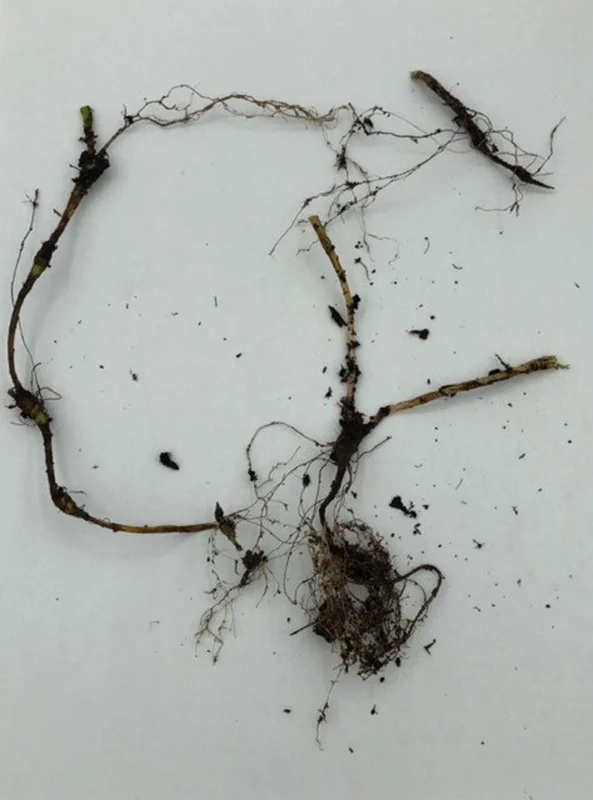
This offering includes 5 individual sycamore tree bare roots, each carefully selected for health and vigor. Each bare root seedling measures approximately 1-2 feet tall from the root collar to the tip of the stem. They arrive dormant, without leaves, which is the ideal state for bare root planting, minimizing transplant shock and allowing the tree to focus energy on root development once planted. This dormant state is typical for bare root plants during winter months.
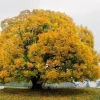
American Sycamores are known for being a fast growing tree, often adding several feet of height per year under optimal conditions. They can eventually reach impressive heights of 75-100 feet with a comparable spread, forming a majestic, broad canopy. These seedlings are ready to be planted directly into your garden or a temporary nursery bed. Expect to see leaf development in the spring following planting. The mature tree will produce round, spiky seed balls, adding to its unique charm, especially in autumn and winter.
Frequently Asked Questions
- Q: How big do these sycamore tree bare roots get? A: These bare roots are 1-2 feet tall upon arrival. Once established, a mature American Sycamore can reach heights of 75-100 feet with a broad, spreading canopy, making it a truly grand shade tree.
- Q: Is this an indoor or outdoor plant? A: The American Sycamore is a large, deciduous tree intended for outdoor planting. It requires ample space to grow and thrive, making it unsuitable for indoor cultivation.
- Q: How much sunlight does a native sycamore seedling need? A: Sycamore trees thrive in full sun, requiring at least 6 hours of direct sunlight per day for optimal growth and health. They can tolerate some partial shade but will not grow as vigorously.
- Q: Is this plant easy to care for? A: Yes, once established, the American Sycamore is considered a low-maintenance tree. Its adaptability and resilience make american sycamore care relatively simple, especially after the initial planting and establishment period.
- Q: What condition will the bare roots arrive in? A: The sycamore tree bare roots will arrive dormant, meaning they will not have leaves. This is normal and ideal for bare root planting, as it reduces stress during shipping and transplantation.
- Q: When is the best time for sycamore tree planting? A: The best time to plant bare root sycamores is in late winter or early spring, while the trees are still dormant and before new growth begins. This allows the roots to establish before the demands of leaf production.
- Q: Will these sycamore trees survive winter in my zone? A: Yes, American Sycamores are hardy in USDA Zones 4 to 9, meaning they are well-suited to tolerate cold winter temperatures within this range.
- Q: What type of soil does a sycamore tree prefer? A: While adaptable to many soil types, sycamores prefer deep, moist, fertile soils. They tolerate clay, loam, sandy, or slightly alkaline soils and are often found thriving in moist areas and floodplains.
- Q: How fast does a sycamore tree grow? A: The sycamore is a fast growing tree, often putting on several feet of growth per year under ideal conditions, quickly providing shade and landscape impact.
- Q: What are the unique features of the American Sycamore? A: Its most striking features include its mottled, exfoliating bark that peels to reveal lighter patches, its large maple-like leaves, and the round, spiky seed balls that persist through winter.



Reviews
There are no reviews yet.