Overview
Transform your landscape with these premium sycamore tree bare roots. This offering includes 5 robust American Sycamore (Platanus occidentalis) seedlings, each measuring 1-2 feet tall. The American Sycamore is a beloved native deciduous tree, celebrated for its impressive size, rapid growth, and particularly striking exfoliating bark. During winter, the bark peels away in irregular patches, revealing a beautiful mosaic of green, cream, and brown, adding significant visual interest when other plants are dormant. These bare root seedlings are an economical and effective way to establish this magnificent tree in your garden, ready to thrive and grow into a stately specimen. Perfect for those looking to plant a sycamore tree that will provide shade, beauty, and habitat for local wildlife.
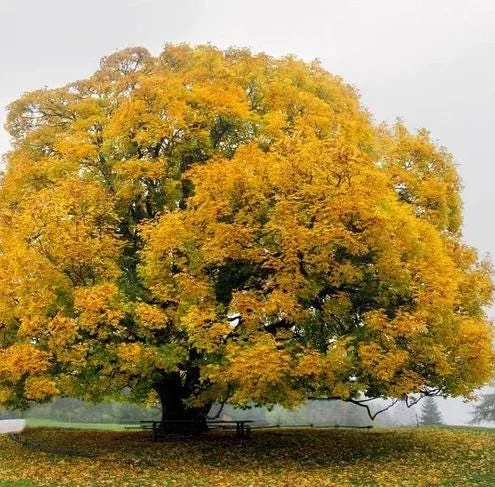
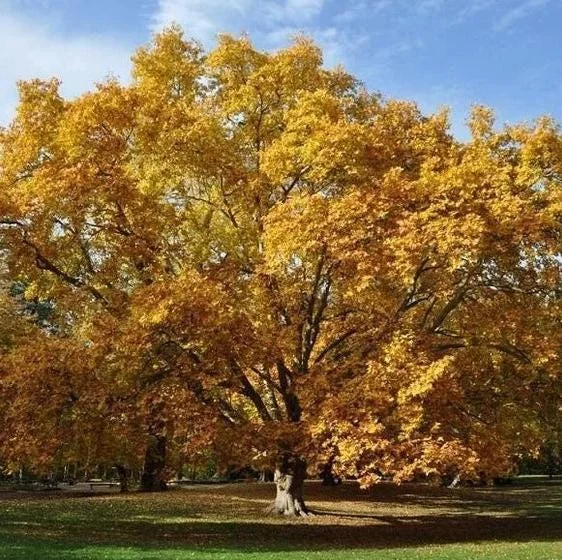
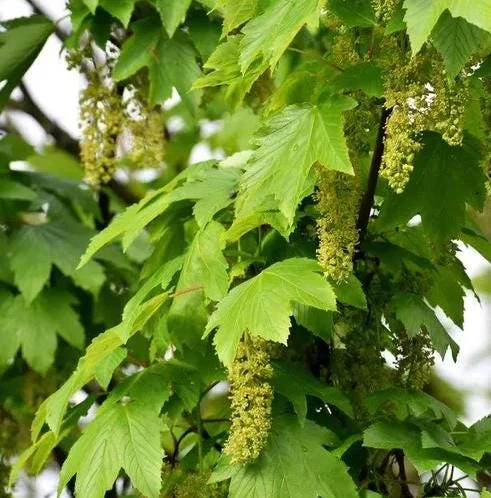
As a fast-growing species, the American Sycamore seedling quickly establishes itself, making it an excellent choice for new landscapes or enhancing existing ones. Its large, maple-like leaves provide ample shade in the summer, and its characteristic round, spiky seed balls persist on the branches through the winter, offering continuous seasonal appeal. Planting these bare roots allows for easy transportation and successful establishment when properly cared for, ensuring a vibrant addition to your natural environment.
Key Benefits
Choosing to plant sycamore tree bare roots offers numerous advantages for both your property and the local ecosystem. These native seedlings are an excellent investment, providing long-term beauty and ecological value.
Striking Year-Round Beauty: The most distinctive feature of the American Sycamore is its unique exfoliating bark, which peels away to reveal lighter inner bark. This creates a beautiful mottled pattern that provides exceptional winter interest when many other trees are bare. Its broad, maple-like leaves offer dense shade in summer, making it a focal point in any landscape.
Rapid Growth and Establishment: Known for its fast growth rate, the American Sycamore seedling quickly establishes itself in suitable conditions, providing quicker shade and impact in your garden compared to slower-growing species. This makes it an ideal choice for those looking to quickly fill large spaces or create a natural canopy.
Ecological Value: As a native species, the sycamore tree provides essential habitat and food sources for local wildlife. Its strong branches offer nesting sites for birds, and its seeds are a food source for various small mammals and birds, contributing to local biodiversity.
Adaptable and Resilient: The American Sycamore is remarkably adaptable to a variety of soil conditions, thriving in moist areas but also tolerating clay, loam, sand, and slightly alkaline soils. This resilience makes it a versatile choice for many different types of planting sites.
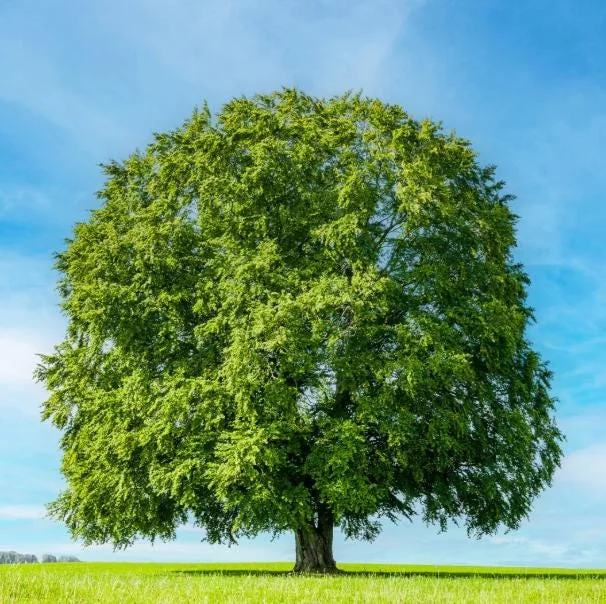
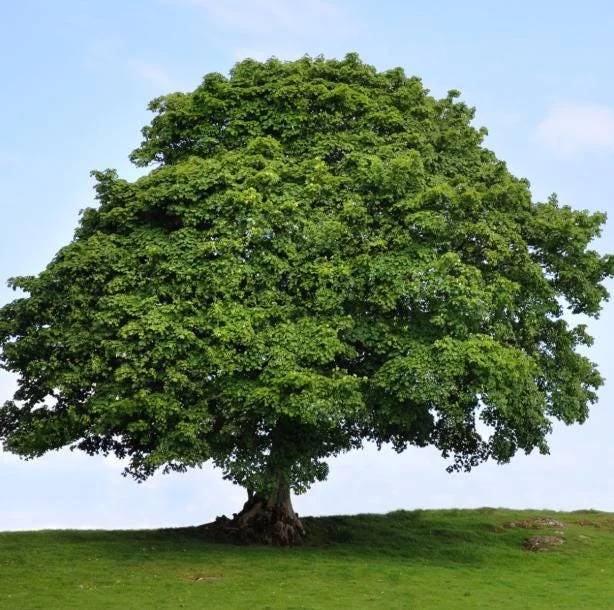
Shade and Cooling: With its broad, spreading crown and large leaves, a mature sycamore tree provides excellent shade, which can help cool your home and outdoor living spaces during hot summer months, potentially reducing energy costs.
Low Maintenance Once Established: After the initial planting and establishment phase, sycamore tree care is relatively straightforward. These trees are robust and generally require minimal intervention, making them a good option for gardeners seeking impactful but not overly demanding plants.
Plant Care & Growing Tips
Proper sycamore tree care begins with understanding its basic needs to ensure healthy growth from these bare root seedlings. The American Sycamore thrives in full sun, meaning it requires at least six hours of direct sunlight per day to achieve its best growth and form. When selecting a planting site, consider its mature size; this is a large tree that needs ample space to spread its roots and canopy.
For soil, the American Sycamore prefers deep, moist, and fertile soils, but it is quite adaptable and can tolerate a range of soil types including clay, loam, sandy, or slightly alkaline conditions. Good drainage is important, but these trees are often found in floodplains and moist environments, indicating a higher tolerance for moisture than many other tree species. When planting your sycamore tree bare roots, ensure the soil is well-prepared and loosened to encourage root establishment. Water thoroughly after planting and maintain consistent moisture, especially during the first few growing seasons, to help the young tree get established.
The American Sycamore is hardy in USDA Zones 4 to 9. It is tolerant of a wide range of temperatures, from -40°F to 100°F. During the dormant winter months, these bare root seedlings will naturally be without leaves. Fertilization is generally not required in the first year after planting if the soil is rich, but a balanced, slow-release fertilizer can be applied in subsequent years in early spring to support vigorous growth. Pruning should focus on removing dead, damaged, or crossing branches to maintain a strong structure. With appropriate care, you will successfully plant a sycamore tree that will flourish for decades.
Size & Details
This offering includes 5 individual sycamore tree bare roots, each measuring approximately 1-2 feet in height. These are young, dormant seedlings, shipped without soil or leaves, which is the optimal condition for bare root planting to minimize transplant shock and encourage rapid root development upon planting. The American Sycamore (Platanus occidentalis) is a fast-growing species that can achieve significant height quickly, often growing 1-2 feet per year in ideal conditions. When mature, these trees can reach heights of 75-100 feet with a similar spread, forming a majestic, broad crown. Expect these seedlings to begin leafing out in spring after planting, and their distinctive mottled bark will become more prominent as they mature. This is a perfect opportunity to get a sycamore tree for sale that will grow into a magnificent specimen.
Frequently Asked Questions
Q: How big do these sycamore tree bare roots get when mature? A: A mature American Sycamore can reach impressive heights of 75-100 feet with a similar spread, creating a very large and majestic tree. It’s important to consider this when choosing your planting location to ensure ample space for growth.
Q: Is this an indoor or outdoor plant? A: The American Sycamore is a large deciduous tree meant for outdoor planting. It requires full sun and significant space to grow to its mature size and is not suitable for indoor cultivation.
Q: How much sunlight does the American Sycamore need? A: This tree thrives in full sun, requiring at least 6 hours of direct sunlight per day. Adequate sunlight is crucial for healthy growth and development of your American Sycamore seedling.
Q: Is this tree easy to care for? A: Once established, the American Sycamore is relatively low-maintenance. It’s adaptable to various soil types and resilient. The initial phase of planting bare roots requires consistent watering to help with establishment, but after that, routine sycamore tree care is minimal.
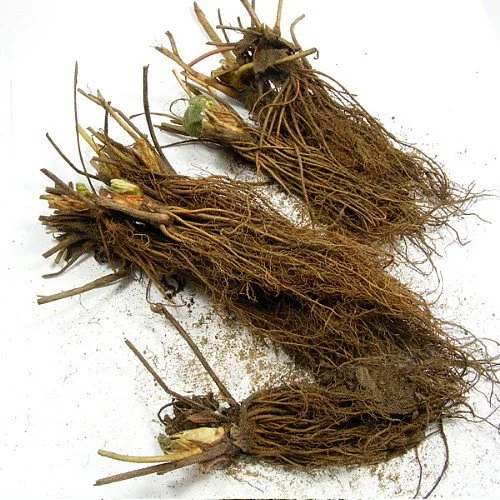
Q: What condition will the bare roots arrive in? A: The bare roots will arrive dormant, without leaves, and typically wrapped to retain moisture. This is normal for bare root stock and ensures they are ready for planting and successful establishment.
Q: When is the best time to plant a sycamore tree? A: The best time to plant a sycamore tree from bare roots is in late winter or early spring, before the tree breaks dormancy. This allows the roots to establish before the stress of summer heat.
Q: Will these sycamore trees survive winter in my zone? A: These American Sycamore bare roots are hardy in USDA Zones 4 to 9, meaning they are well-suited to survive winters within this temperature range. Ensure your location falls within these zones for best results.
Q: What kind of soil does the American Sycamore prefer? A: While adaptable, the American Sycamore prefers deep, moist, and fertile soils. It can tolerate clay, loam, sandy, or slightly alkaline soils, making it quite versatile for various planting sites.
Q: How quickly will these bare roots grow? A: American Sycamore trees are known for their fast growth rate, typically growing 1-2 feet per year once established. You can expect noticeable growth in the first few seasons after planting.
Q: What makes the sycamore tree unique? A: The most unique feature is its distinctive exfoliating bark, which peels off in irregular plates to reveal creamy white, green, and tan inner bark, providing significant ornamental value, especially in winter. This makes it a highly sought-after sycamore tree for sale.



Reviews
There are no reviews yet.