Overview
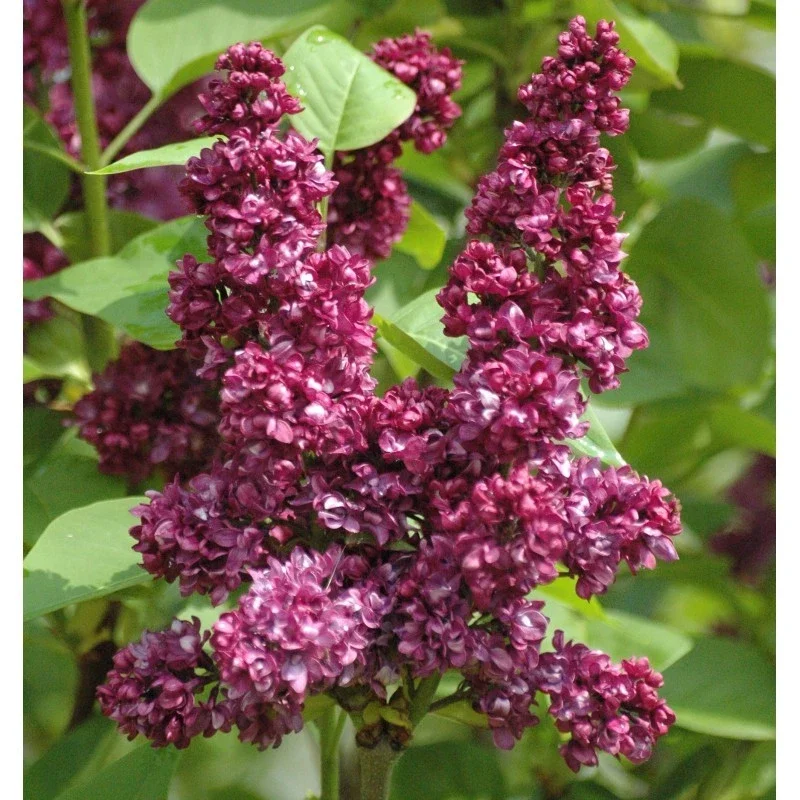
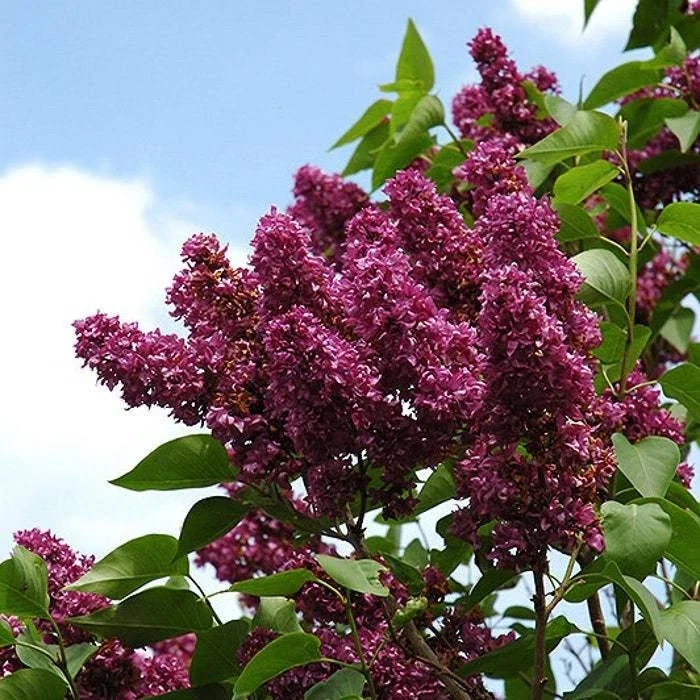
Bring the timeless beauty and exquisite fragrance of the Syringa Vulgaris ‘Charles Joly’ to your garden. This exceptional red French lilac live plant is renowned for its dense clusters of double, deep purple-red flowers that emerge in late spring, filling the air with a sweet, classic lilac scent. Originating from France, the ‘Charles Joly’ cultivar is a vigorous and upright growing deciduous shrub, making it a perfect specimen plant, hedging choice, or border accent. It’s a true garden classic that promises to transform your outdoor space into a fragrant haven. Each plant is carefully cultivated to ensure a healthy start in your landscape.
Known commonly as fragrant red lilac, this variety is a favorite among gardeners for its striking color and abundant blooms. It thrives in a variety of climates and is relatively low-maintenance once established, offering years of enjoyment. The ‘Charles Joly’ stands out with its rich, velvety petals, providing a luxurious feel to any garden setting. Its robust nature makes it suitable for both novice and experienced gardeners looking to add a touch of sophistication and vibrant color.
Key Benefits
The Syringa Vulgaris ‘Charles Joly’ offers numerous advantages that make it a highly desirable addition to any landscape. Its captivating beauty and ease of care ensure a rewarding gardening experience.
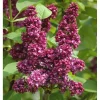
- Stunning Double Red-Purple Blooms: Enjoy spectacular, dense clusters of double flowers in a deep, rich purple-red hue. These vibrant blooms create a dramatic visual impact in spring, making your garden a focal point of beauty. The color intensifies the charm of this red French lilac live plant.
- Intoxicating Fragrance: Famous for its powerful and sweet aroma, the ‘Charles Joly’ lilac will perfume your entire garden, attracting pollinators and delighting human senses. Its classic lilac scent is a hallmark of spring.
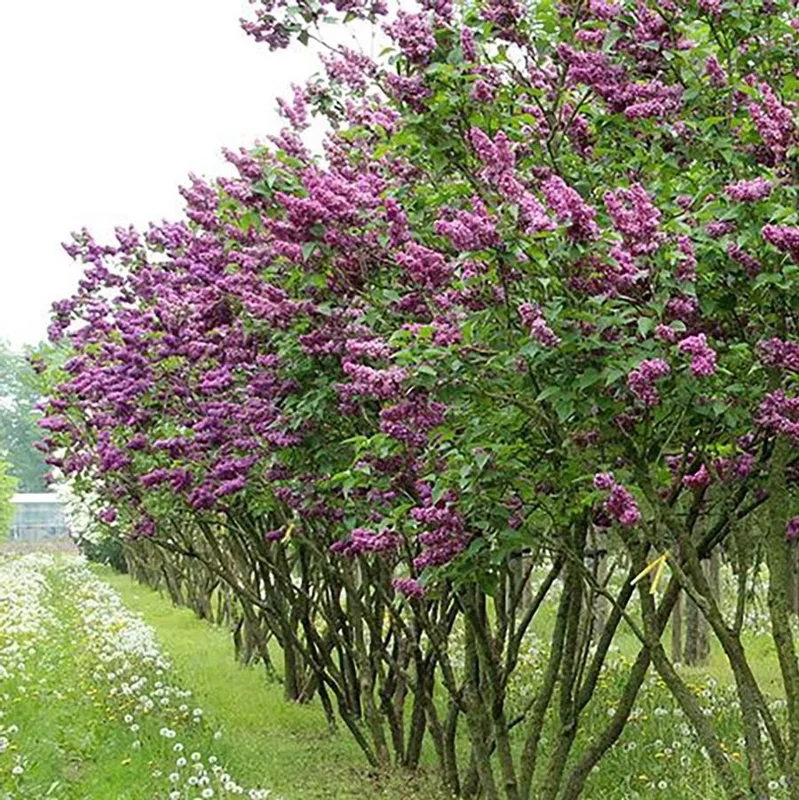
- Vigorous & Upright Growth Habit: This shrub grows into a strong, upright form, reaching a substantial size that makes it ideal for privacy screens, large borders, or as a standalone specimen plant. Its robust structure provides excellent garden architecture.
- Attracts Pollinators: The fragrant flowers are a magnet for bees, butterflies, and other beneficial pollinators, helping to support local ecosystems and improve the health of your garden.
- Low Maintenance Once Established: After its initial planting and establishment period, the Syringa Vulgaris Charles Joly requires minimal care, making it an excellent choice for busy gardeners. Its resilience ensures long-term beauty.
- Excellent Cut Flowers: The beautiful and fragrant blooms are perfect for cutting and bringing indoors, allowing you to enjoy their beauty and scent inside your home. They make exquisite floral arrangements.
- Cold Hardy: This lilac variety is known for its excellent cold hardiness, thriving in many temperate climates and returning reliably year after year with its magnificent display.
Plant Care & Growing Tips
Ensuring your Syringa Vulgaris ‘Charles Joly’ thrives requires understanding its basic needs for sunlight, water, and soil. With proper care, your red French lilac live plant will flourish and provide abundant blooms.
Sunlight requirements: This lilac performs best in Full Sun, meaning it needs at least 6 hours of direct sunlight per day. Adequate sunlight is crucial for prolific flowering and strong growth. While it can tolerate some partial shade, too little sun will result in fewer blooms and a less vigorous plant. Position your lilac in a spot where it can soak up the morning and early afternoon sun.
Watering schedule and soil moisture preferences: During its establishment phase (the first year), water regularly to keep the soil consistently moist but not waterlogged. Once established, lilacs are quite drought-tolerant but will benefit from deep watering during prolonged dry spells, especially when flowering. Avoid overhead watering, which can encourage fungal diseases. The key is to ensure good drainage to prevent root rot.
Soil type and drainage requirements: The ‘Charles Joly’ lilac prefers rich, fertile, well-draining soil with a neutral to slightly alkaline pH. Clay soils can be amended with organic matter like compost to improve drainage and aeration. Good drainage is paramount as lilacs do not tolerate wet feet. Consider raised beds if your soil is heavy clay. For optimal growth and flowering, ensure the soil is not overly compact. Incorporating compost will also provide a slow release of nutrients, aiding the overall health of your Charles Joly lilac care.
Temperature range and USDA hardiness zone: This hardy shrub is suitable for USDA zones 3-7, tolerating cold winters and hot summers. It requires a period of winter chill to set its flower buds. Protect young plants from extreme winter winds. No specific fertilization is needed beyond good soil preparation, but a balanced slow-release fertilizer in early spring can boost growth. Pruning should be done immediately after flowering to encourage new growth and more blooms the following year. Remove spent flowers and any dead or crossing branches. This proactive approach to outdoor flowering shrub maintenance will ensure a vibrant display.
Size & Details
This Syringa Vulgaris ‘Charles Joly’ is offered as a bare root live plant, typically measuring 4+ inches in height upon arrival. Bare root plants are dormant and are an economical way to establish new shrubs, allowing them to adapt quickly to your garden’s soil. Once planted, this vigorous French lilac can grow to an impressive size, typically reaching 8-12 feet tall and 6-10 feet wide, forming a dense, upright shrub. Its growth rate is considered medium, meaning it will establish and fill out your garden space within a few seasons.
Expect the first significant flowering display within 2-3 years after planting, with blooms becoming more abundant as the plant matures. The plant ships ready for immediate planting in early spring or fall, ensuring it has ample time to establish roots before extreme temperatures. This perennial shrub will return year after year, providing a consistent display of beautiful and fragrant red lilac flowers. It is an excellent long-term investment for any garden, enhancing both visual appeal and sensory experience.
Frequently Asked Questions
- Q: How big does this plant get and what is its growth rate? A: The Syringa Vulgaris ‘Charles Joly’ is a vigorous shrub that typically grows to 8-12 feet tall and 6-10 feet wide. Its growth rate is medium, meaning it will establish and reach a good size within a few years, providing a substantial presence in your garden.
- Q: Is this an indoor or outdoor plant? How much sunlight does it need? A: This is an outdoor flowering shrub that thrives in full sun, requiring at least 6 hours of direct sunlight daily for the best flowering performance. It is not suitable for indoor cultivation.
- Q: Is this plant easy to care for? Is it good for beginners? A: Yes, once established, the ‘Charles Joly’ lilac is relatively low-maintenance and can be a good choice for beginners. Its hardiness and disease resistance contribute to easier Charles Joly lilac care, provided its basic needs for sun and well-draining soil are met.
- Q: What condition will the plant arrive in? Is it shipped in soil? A: The red French lilac live plant is shipped as a bare-root specimen, meaning it will arrive without soil around its roots. This is a common and effective method for shipping dormant deciduous shrubs, ensuring they are ready for planting in your garden.
- Q: When is the best time to plant this lilac? A: The best time to plant a bare-root ‘Charles Joly’ lilac is in early spring or fall when the plant is dormant. This allows the roots to establish before the stress of summer heat or deep winter cold.
- Q: Will this lilac survive winter in my zone? What’s the minimum temperature it can tolerate? A: The Syringa Vulgaris Charles Joly is very cold hardy and thrives in USDA Zones 3-7. It can tolerate winter temperatures well below freezing, as it requires a period of cold dormancy to produce its beautiful spring blooms.
- Q: Does this shrub require much pruning? A: Pruning is best done immediately after flowering to shape the plant, remove spent blooms, and encourage future flower production. Avoid pruning in late summer or fall, as this can remove next year’s flower buds.





Reviews
There are no reviews yet.