Overview
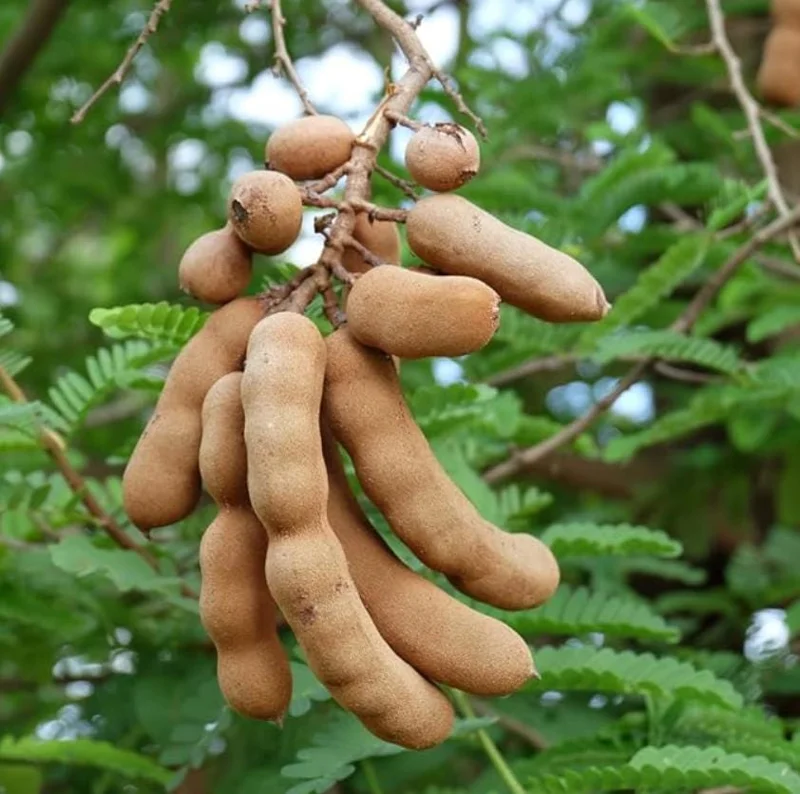
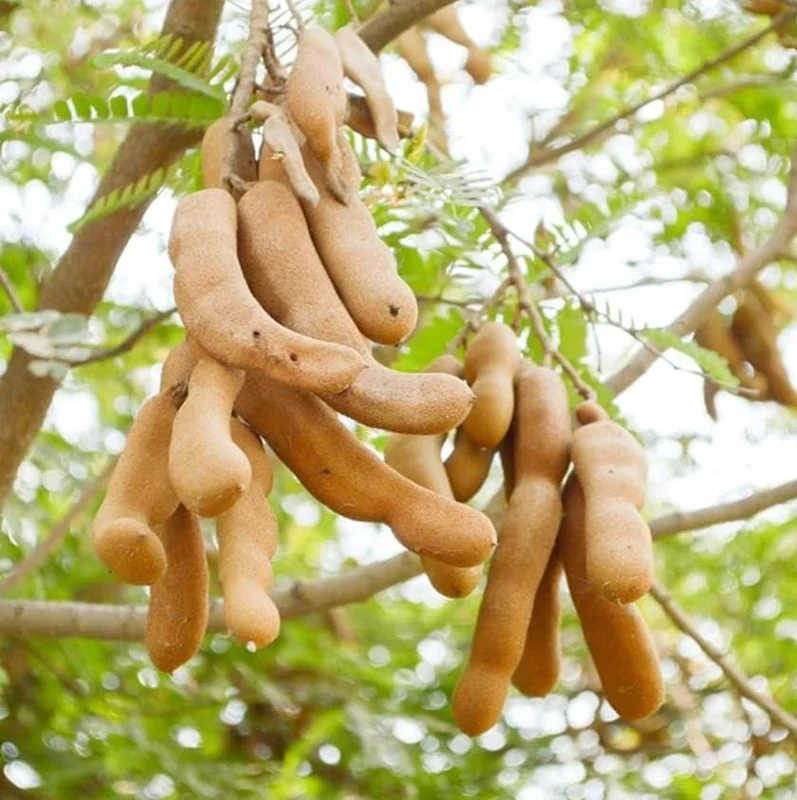
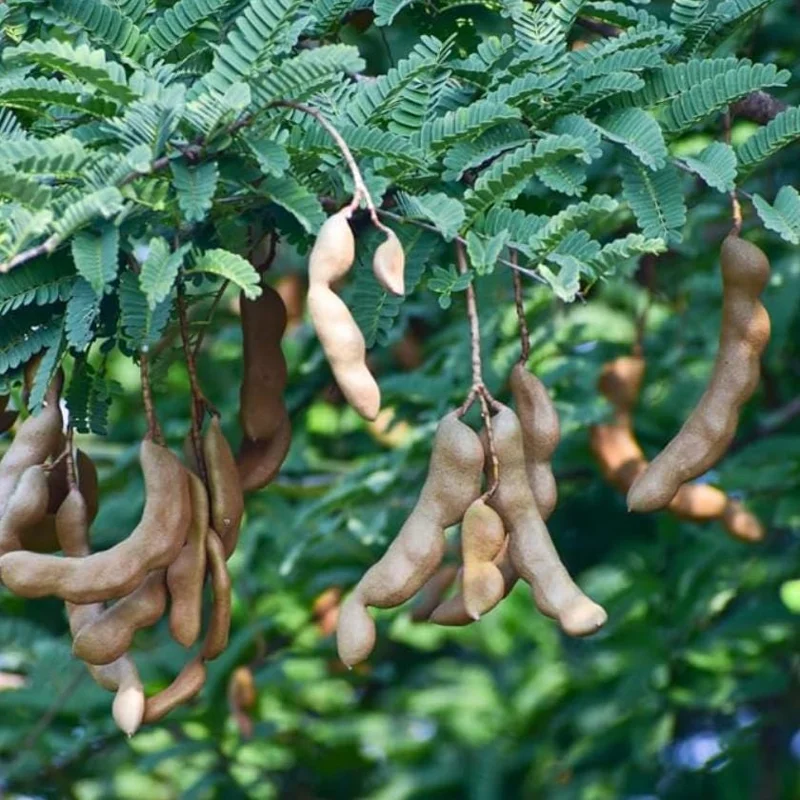
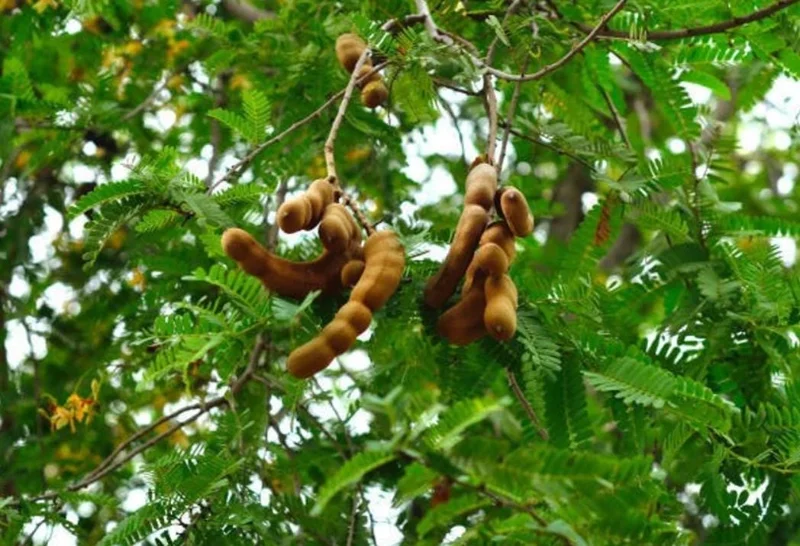
Embark on a delightful botanical journey with a tamarind seedling live plant. This exquisite tropical specimen, originating from Africa, is cherished globally for its distinctive sweet and tangy fruit pods. Whether you’re an avid gardener looking to expand your edible landscape or a plant enthusiast eager to cultivate an exotic species, this healthy seedling offers a fantastic starting point. The tamarind, scientifically known as Tamarindus indica, is a long-lived tree that can reach significant heights in its native habitat but adapts beautifully to container growing, making it suitable for a wider range of climates. With its lush, fern-like foliage, it adds a touch of the tropics to any home or garden, promising not only ornamental beauty but also the potential for a bountiful harvest of its versatile pods.
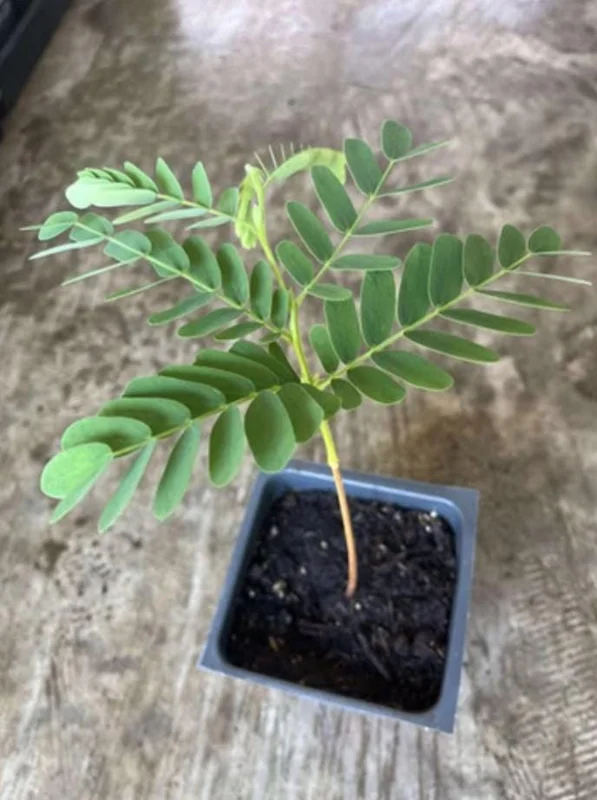
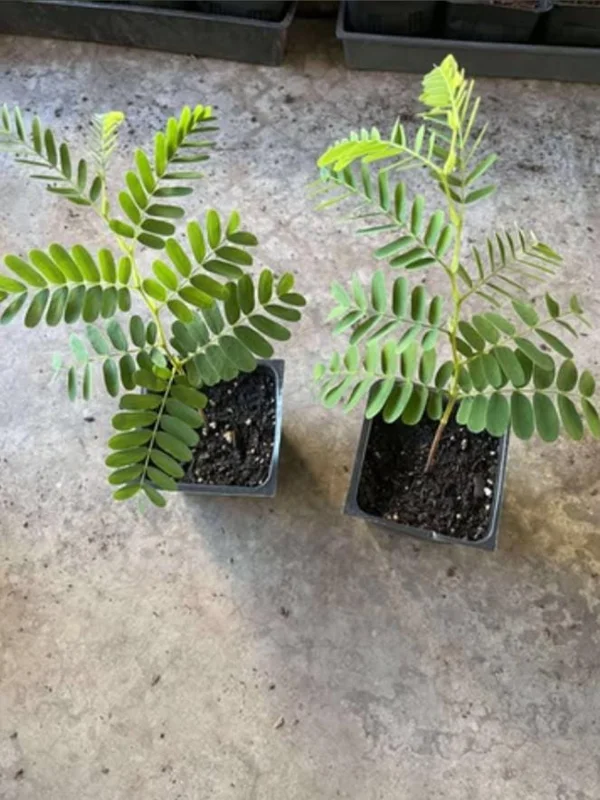
Our tamarind seedling live plant comes carefully nurtured in a 4-inch nursery pot, ensuring it arrives healthy and ready for its new environment. These young trees are robust and, with proper care, will mature into productive fruit-bearing specimens. Growing your own tamarind allows you to enjoy fresh pods for cooking, drinks, and snacks, adding an authentic flavor to your culinary creations. It’s a rewarding experience that connects you directly to the source of this incredible tropical ingredient.
Key Benefits
Cultivating a tamarind seedling live plant offers a multitude of benefits, from enhancing your garden’s aesthetics to enriching your culinary adventures. This tropical fruit tree is more than just a plant; it’s an investment in sustainable living and exotic flavors.
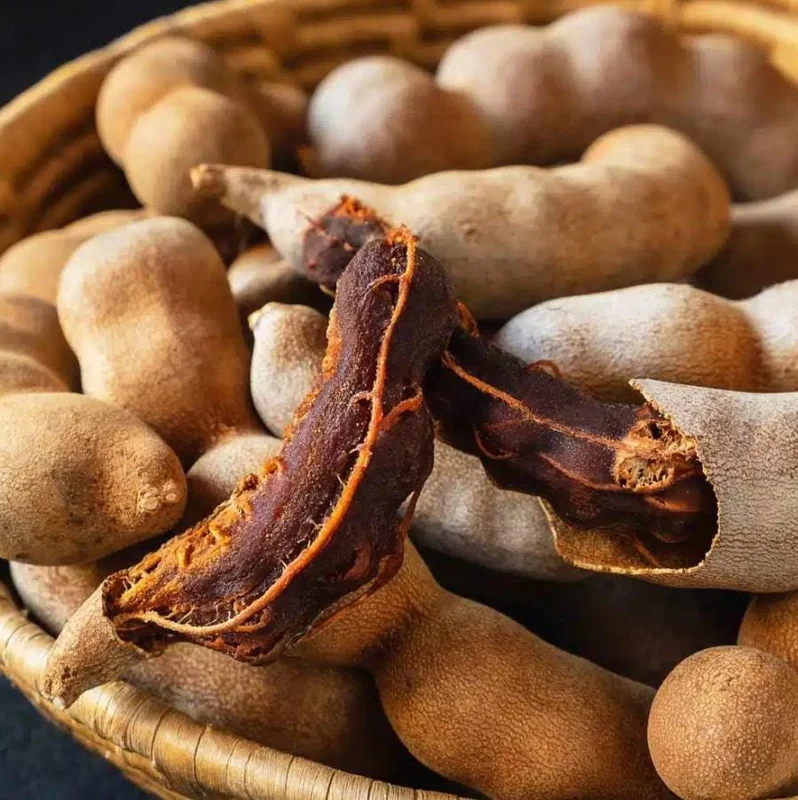
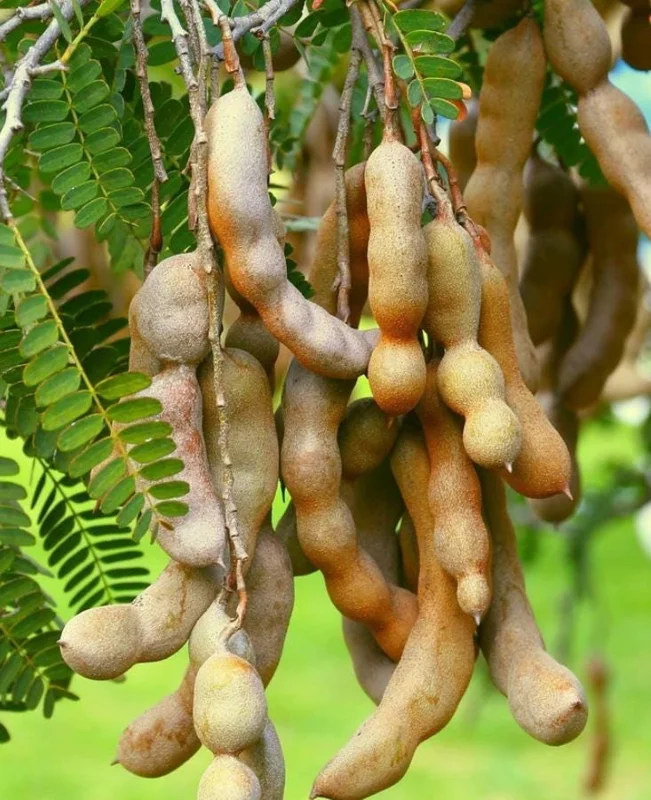
- Culinary Delight: Produce your own supply of sweet and tangy tamarind pods, a staple ingredient in various cuisines worldwide. Use the pulp to create flavorful sauces, chutneys, refreshing beverages, and delectable desserts.
- Exotic Appeal: Add a unique and striking visual element to your home or garden with the tamarind’s graceful, fern-like leaves and sturdy growth habit. It creates a vibrant, tropical ambiance that is truly captivating.
- Container Friendly: While a large tree in the wild, tamarind adapts wonderfully to container growing, making it an excellent choice for patios, balconies, or indoor cultivation in cooler regions, allowing you to enjoy this exotic fruit plant anywhere.
- Medicinal Value: Beyond its culinary uses, tamarind has been traditionally valued for its medicinal properties, including digestive aid and anti-inflammatory benefits, adding another dimension to its utility.
- Long-Lived & Resilient: Tamarind trees are known for their longevity and resilience, offering many years of enjoyment and fruit production with consistent care, making it a lasting addition to your plant collection.
- Air Purification: Like many plants, the tamarind can contribute to improved air quality in your home or garden, naturally filtering pollutants and creating a healthier environment.
Plant Care & Growing Tips
Proper tamarind plant care is essential for a thriving and productive tree. While generally resilient, understanding its specific needs will ensure your tamarind seedling live plant flourishes. Tamarind trees prefer a warm, sunny environment, mirroring their tropical origins. They thrive in full sun, requiring at least 6 to 8 hours of direct sunlight daily. If growing indoors, place your plant near a south-facing window or supplement with a grow light to ensure it receives adequate light intensity.
Watering should be moderate and consistent. Allow the top layer of soil to dry out completely between waterings to prevent root rot, which is a common issue for many tropical plants if overwatered. Ensure the pot has excellent drainage. When it comes to soil, a well-draining, moderately fertile soil mix is ideal. A blend of potting mix, perlite, and sand can provide the necessary aeration and drainage. For those looking to grow tamarind indoors, maintaining consistent warmth and humidity is key, especially during drier winter months. You can use a pebble tray or humidifier to increase ambient moisture around the plant.
This tropical fruit tree is best suited for USDA Zones 10-11 if planted directly in the ground. In cooler climates, it must be protected from frost or brought indoors when temperatures drop below 40°F (4°C). Fertilize your tamarind seedling every 2-4 weeks during the growing season (spring and summer) with a balanced liquid fertilizer. Reduce fertilization during fall and winter. Pests are generally not a major issue, but keep an eye out for common houseplant pests like spider mites or mealybugs, and treat promptly if observed. With attentive tamarind plant care, your seedling will grow into a robust and fruitful tree.
Size & Details
This offering is for a healthy tamarind seedling live plant, carefully grown and shipped in a 4-inch nursery pot. The size of the seedling may vary slightly depending on the season and growth stage, but each plant is well-rooted and vigorously growing, ready for transplanting into a larger container or directly into the ground in appropriate climates. Tamarind trees are known for their moderate to fast growth rate under optimal conditions, with young trees typically growing several inches to a foot per year.
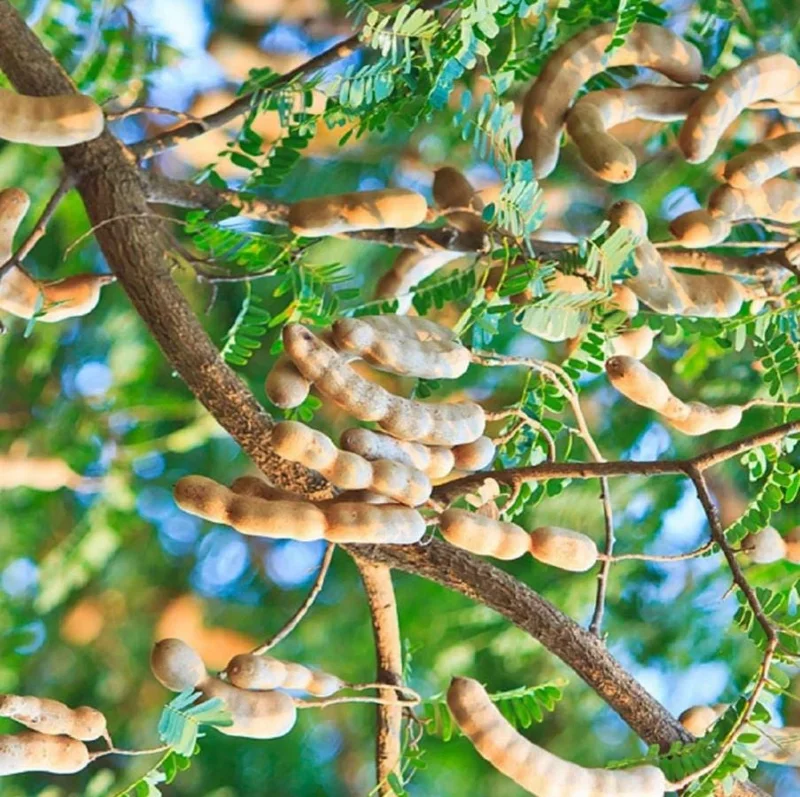
When mature, a tamarind tree can reach heights of 20 to 30 feet in ideal outdoor conditions, though it can be maintained at a smaller, more manageable size through pruning, especially when grown in containers. Expect your young plant to focus on root and foliage development in its first few years. While it is a young seedling, with consistent tamarind plant care and time, it will develop into a productive tropical fruit tree. The plant will be securely packaged to ensure its safe arrival, ready to become a cherished addition to your collection of exotic plants.
Frequently Asked Questions
- Q: How big does this tamarind seedling get? A: This offering is for a young tamarind seedling live plant in a 4-inch pot. While young, mature tamarind trees can reach 20-30 feet tall in ideal outdoor conditions, but they can be kept smaller through pruning or container growing.
- Q: Is this an indoor or outdoor plant? A: The tamarind is a tropical fruit tree that thrives outdoors in USDA Zones 10-11. In cooler climates, it can be grown outdoors during warm months and brought indoors before frost, or cultivated year-round as an indoor plant.
- Q: How much sunlight does it need? A: For optimal growth and fruit production, your tamarind seedling live plant requires full sun, meaning at least 6-8 hours of direct sunlight per day. If growing indoors, a bright, south-facing window is ideal.
- Q: Is this plant easy to care for? A: With consistent tamarind plant care, it is relatively easy to grow. The key is providing ample sunlight, well-draining soil, and protecting it from cold temperatures. It’s a rewarding plant for both beginners and experienced gardeners.
- Q: What condition will it arrive in? A: You will receive a healthy, well-rooted tamarind seedling live plant in a 4-inch nursery pot. We take great care in packaging to ensure it arrives in excellent condition, ready for its new home.
- Q: How long until it produces fruit? A: Tamarind trees grown from seedling typically begin to produce fruit in 5-7 years, though this can vary based on growing conditions and tamarind plant care. Patience is a virtue with this rewarding exotic fruit plant.
- Q: What’s the best way to grow tamarind indoors? A: To grow tamarind indoors, provide maximum sunlight exposure, use a well-draining potting mix, water moderately, and ensure high humidity, especially during dry seasons. Protect it from drafts and maintain a warm room temperature.
- Q: Can I use the fruit for cooking? A: Absolutely! The tamarind tree is primarily grown for its delicious pods, which contain a sweet and tangy pulp. This pulp is a versatile ingredient used in a wide array of international cuisines for sauces, drinks, and desserts.
- Q: What kind of soil does a tamarind plant prefer? A: Tamarind plants thrive in well-draining, moderately fertile soil. A good quality potting mix amended with perlite or sand to improve drainage is recommended, particularly for container-grown plants.
- Q: Is this plant suitable for beginners? A: Yes, the tamarind is considered a good choice for beginners interested in growing a tropical fruit tree. Its resilience and adaptability make it forgiving, provided its basic needs for sun and warmth are met.




Reviews
There are no reviews yet.