Overview
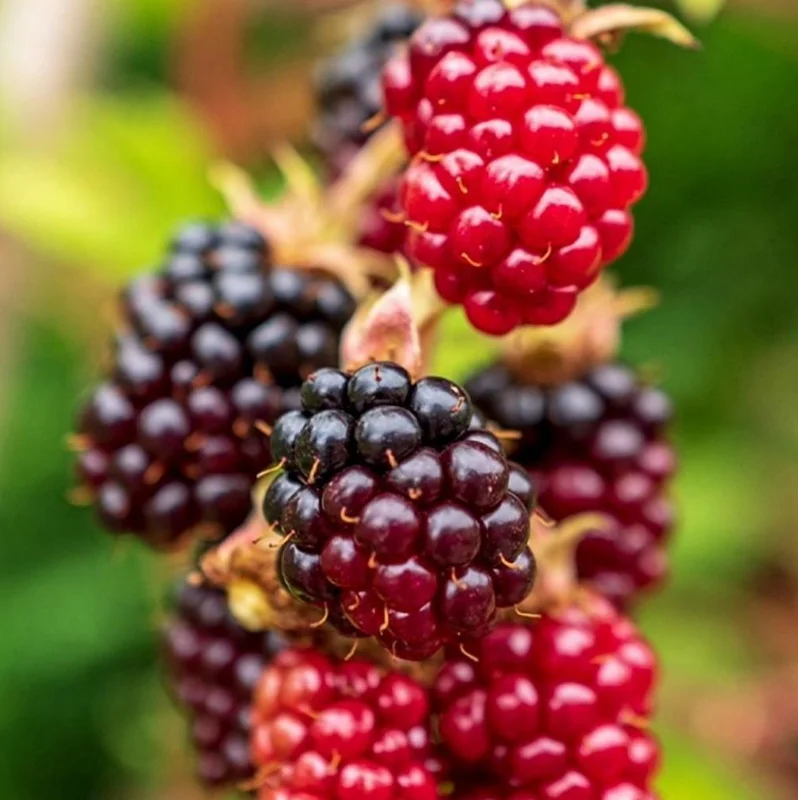
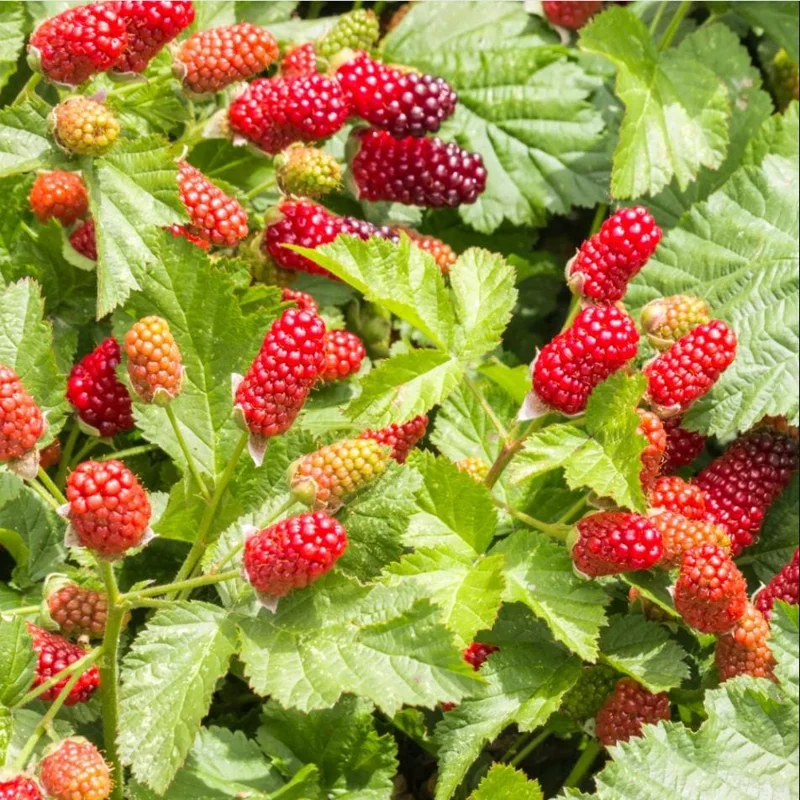
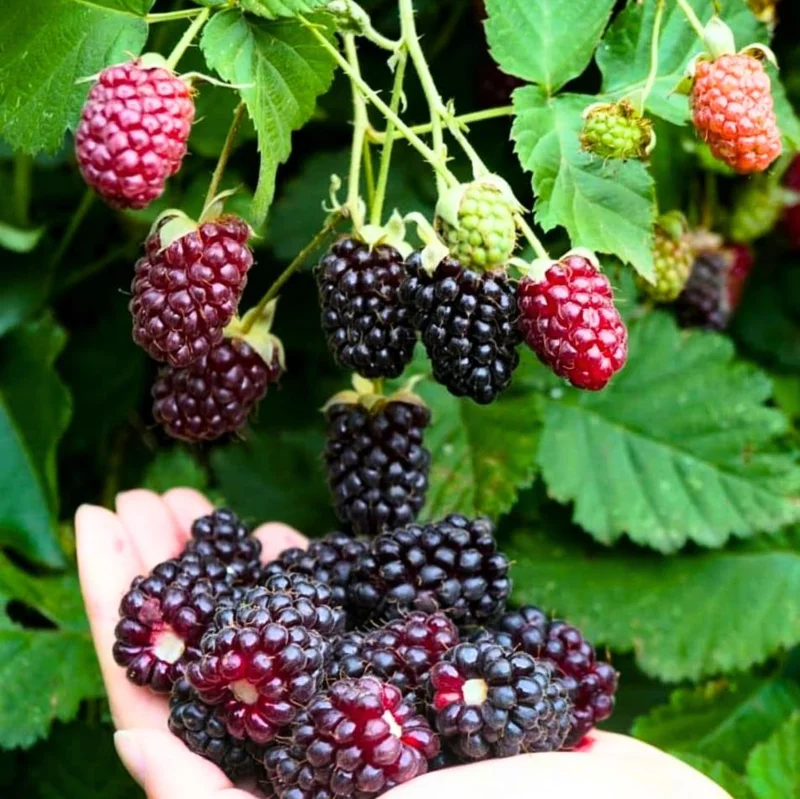
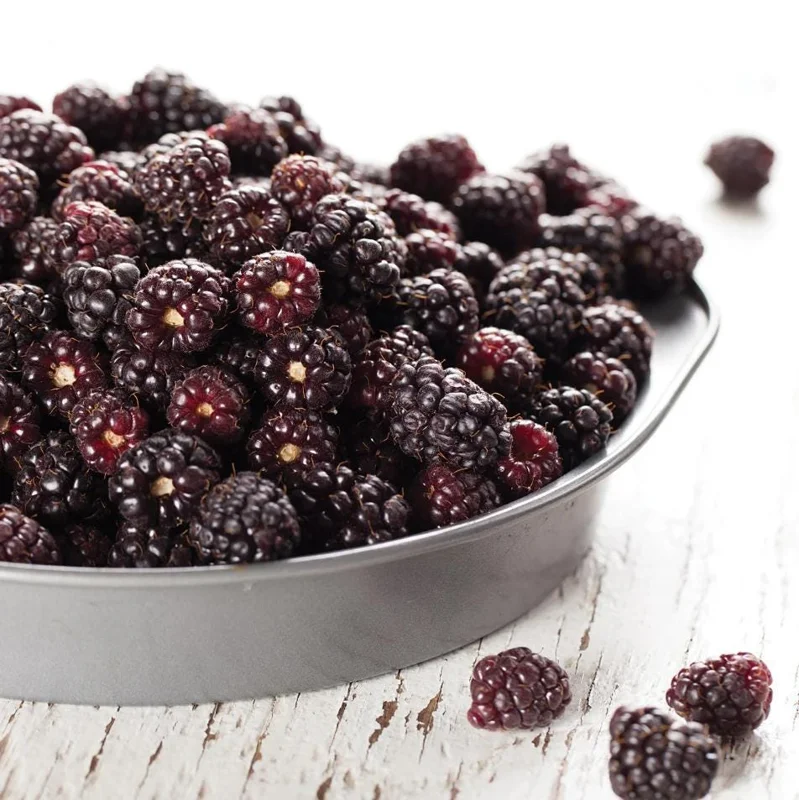
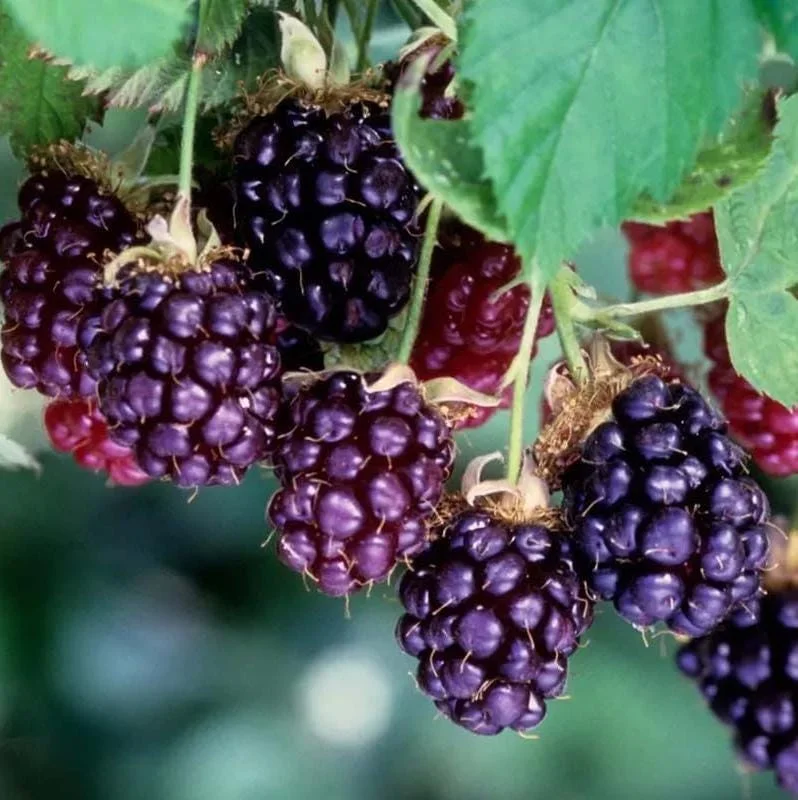
Embark on a rewarding gardening journey with this exceptional thornless boysenberry live plant starter. This robust young plant is ready to establish itself in your garden, promising a future filled with succulent, large, and sweet berries. Boysenberries (Rubus hybrid) are a popular choice for home growers due to their prolific fruiting and delightful flavor, a unique blend of blackberry, raspberry, and loganberry. The thornless variety makes harvesting a pleasure, eliminating the prickles often associated with cane fruits. Our healthy starter plant measures 4-8 inches tall, providing a strong foundation for vigorous growth and abundant harvests. Cultivating your own boysenberries ensures a fresh supply of this versatile fruit, perfect for pies, jams, desserts, or enjoying fresh off the cane.
Key Benefits
Bringing a thornless boysenberry live plant into your garden offers numerous advantages, from delicious harvests to ornamental appeal. This plant is a fantastic addition for both novice and experienced gardeners.
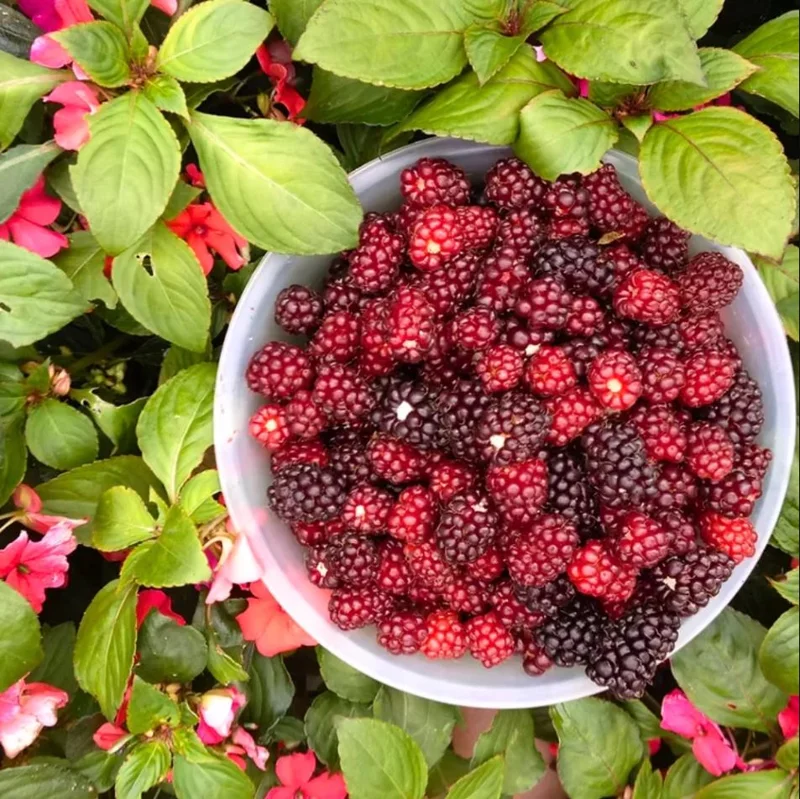
- Abundant, Sweet Harvests: Enjoy a continuous supply of large, juicy boysenberries known for their rich, sweet, and slightly tart flavor. These berries are perfect for fresh eating, baking, preserves, and freezing, providing a versatile ingredient for your culinary creations.
- Thornless Canes for Easy Picking: Unlike traditional berry varieties, this plant features thornless canes, making harvesting a comfortable and enjoyable experience without the risk of scratches. This characteristic also makes pruning and general plant care much simpler and safer.
- Vigorous Growth & High Yields: This rubus hybrid plant is known for its strong growth habit and impressive productivity once established. With proper care, you can expect generous yields of fruit season after season, providing a bountiful harvest for your family and friends.
- Nutrient-Rich Fruit: Boysenberries are packed with vitamins, antioxidants, and fiber, making them a healthy addition to any diet. Growing your own ensures you have access to fresh, organic fruit free from pesticides and chemicals.
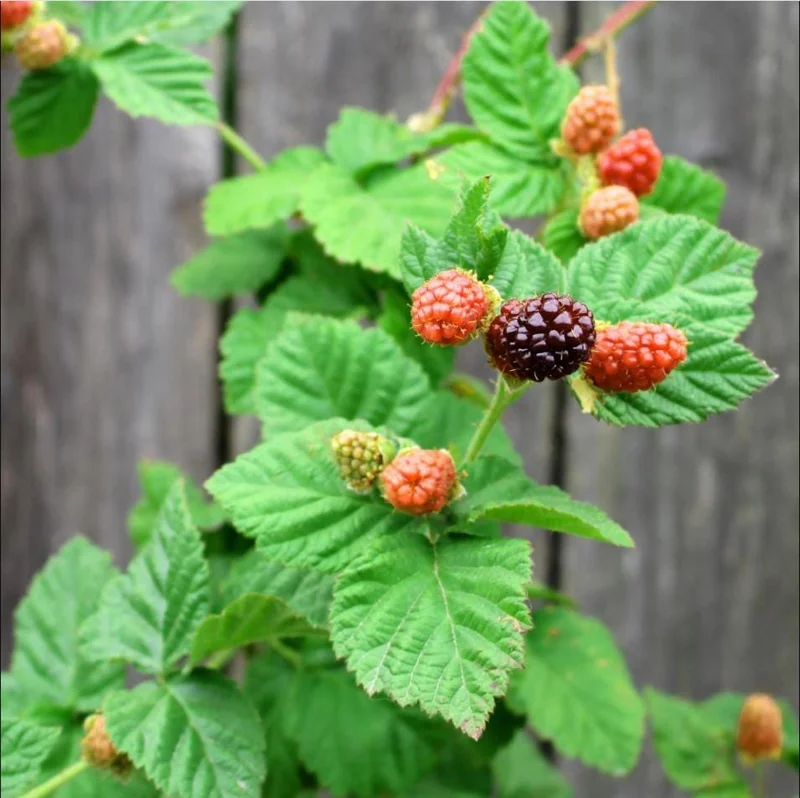
- Attractive Garden Addition: Beyond its delicious fruit, the boysenberry plant offers attractive foliage and delicate white flowers in spring, adding ornamental value to your garden landscape. It can be trained on trellises or fences, creating a beautiful and productive feature.
- Relatively Low Maintenance: Once established, boysenberry plants are quite resilient and require moderate care, making them suitable for a wide range of gardeners. Following basic care guidelines will ensure a thriving plant and a successful harvest.
- Versatile Culinary Use: The unique flavor profile of these sweet berry plant fruits makes them incredibly versatile. Use them in pies, tarts, smoothies, sauces, or simply enjoy them fresh from the bush. They also freeze well for year-round enjoyment.
Plant Care & Growing Tips
Caring for your thornless boysenberry live plant is straightforward, ensuring a healthy and productive bush for years to come. Boysenberries thrive in full sun, requiring at least 6-8 hours of direct sunlight per day to produce the best fruit. Choose a location in your garden that receives ample light and has good air circulation. Ensure the soil is well-draining, fertile sandy loam with a slightly acidic pH between 5.5 and 6.5. Before planting, amend heavy clay soils with compost or other organic matter to improve drainage and fertility. Avoid planting in areas where tomatoes or potatoes were recently grown to prevent the spread of Verticillium wilt, a common soil-borne disease.
Consistent watering is crucial, especially for young plants and during fruiting periods. Keep the soil consistently moist but never waterlogged. Young plants typically need 1–2 inches of water per week, either from rainfall or irrigation. Drip irrigation at the base of the plant is highly recommended as it keeps the leaves dry, significantly reducing the risk of fungal diseases. Once established, boysenberries are relatively drought-tolerant but will produce better with regular moisture. Fertilize in early spring with a balanced slow-release fertilizer or an organic compost. Pruning is essential for maintaining plant health and maximizing fruit production. Remove old, spent canes after fruiting, and thin out weaker new canes to encourage strong growth. For optimal yields and to help your grow boysenberries at home successfully, consider providing a trellis or support system for the canes to climb on.
Size & Details
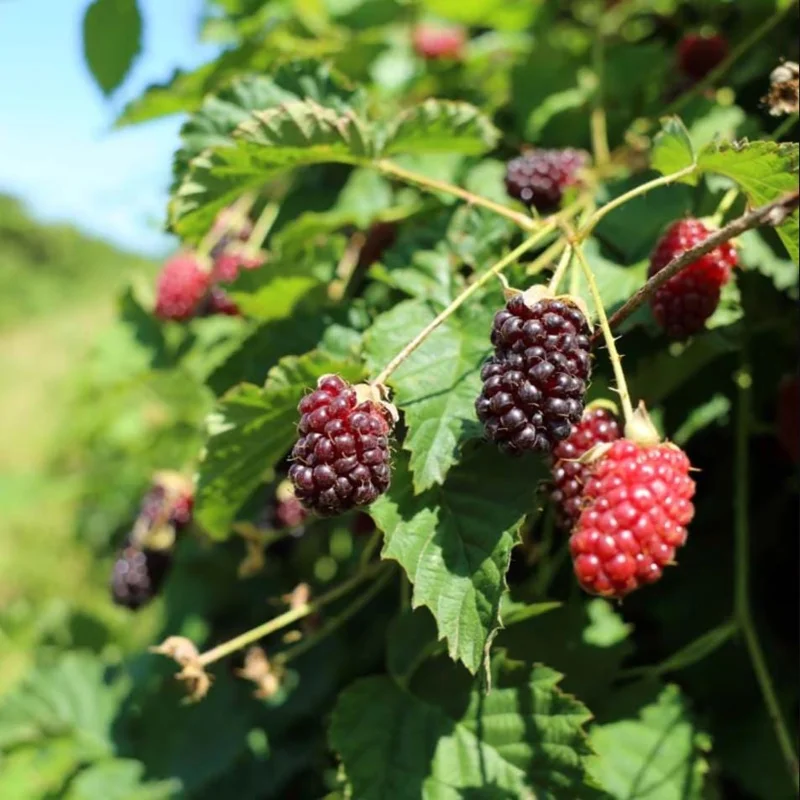
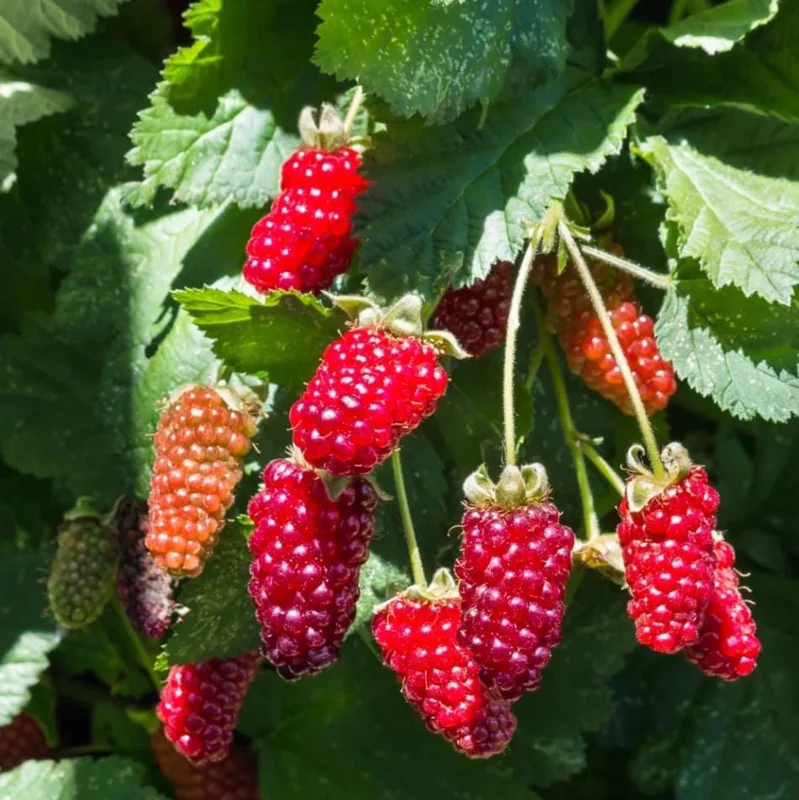
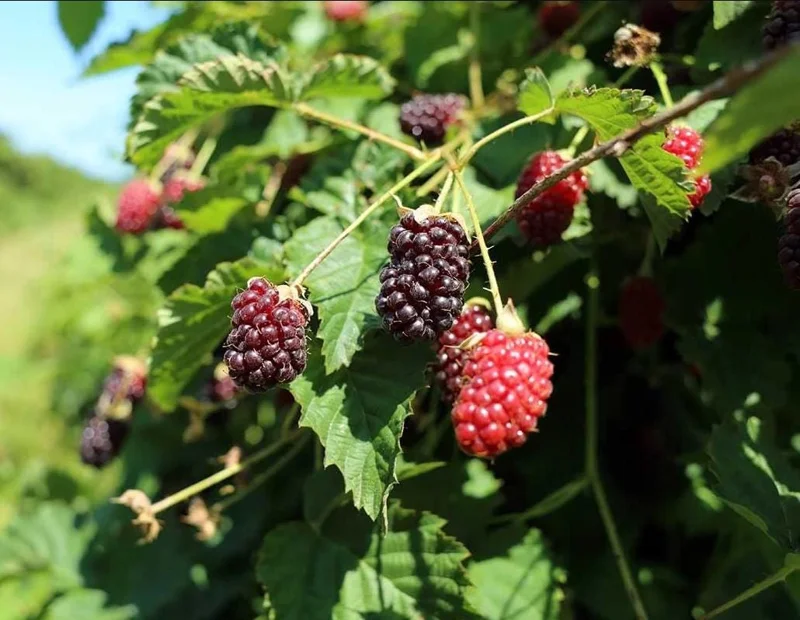
You will receive one healthy thornless boysenberry live plant starter, typically 4-8 inches tall. This young plant is well-rooted and ready for transplanting into your garden. While photos may show mature plants for reference, your plant is a young starter and will not have flowers or fruit upon arrival. Boysenberry plants are vigorous growers and can reach heights of 5-7 feet with proper support, spreading 3-5 feet wide. They typically begin producing fruit in their second year after planting, with full production achieved by the third year. These plants are shipped without a pot to minimize shipping stress and waste, and they are carefully packaged to ensure they arrive in excellent condition, ready for planting.
Frequently Asked Questions
- Q: How big will the thornless boysenberry live plant get? A: Once mature, a thornless boysenberry live plant can reach heights of 5-7 feet and spread 3-5 feet wide, especially when supported by a trellis or fence. The starter plant you receive will be 4-8 inches tall.
- Q: Is this an indoor or outdoor plant? A: Boysenberries are outdoor plants that thrive in full sun. They require ample sunlight and space to grow and produce fruit, making them unsuitable for indoor cultivation.
- Q: How much sunlight does it need? A: For optimal growth and fruit production, your boysenberry plant needs at least 6-8 hours of direct sunlight per day. Choose a sunny spot in your garden.
- Q: What condition will the plant arrive in? A: You will receive one healthy, live starter plant, typically 4-8 inches tall, shipped without a pot. It will be carefully packaged to ensure its well-being during transit, ready for immediate planting.
- Q: When can I expect to harvest fruit from my sweet berry plant? A: Boysenberry plants typically begin producing fruit in their second year after planting. Full production can be expected by the third year, providing a generous harvest of your own sweet berry plant fruits.
- Q: Is this plant easy to care for? A: Yes, once established, boysenberry plants are relatively low-maintenance. They require consistent watering, annual pruning, and good sun exposure to thrive, making them a good choice for various gardening skill levels.
- Q: What kind of soil does it prefer? A: Boysenberries prefer well-draining, fertile sandy loam with a slightly acidic pH between 5.5 and 6.5. Ensuring good drainage is key to preventing root issues.
- Q: Can I grow boysenberries in containers? A: While possible, boysenberries are vigorous growers and generally perform best when planted directly in the ground. If using a container, choose a very large pot (at least 20-gallon) and ensure excellent drainage.
- Q: What is the best time to plant this rubus hybrid plant? A: The best time to plant boysenberry starters is in early spring after the last frost, allowing the plant ample time to establish its root system before the heat of summer.
- Q: Will it survive winter in my zone? A: Boysenberries are generally hardy in USDA Zones 5-9. In colder zones, some winter protection may be necessary, such as mulching the base or covering the canes, to help the rubus hybrid plant survive.




Reviews
There are no reviews yet.