Overview
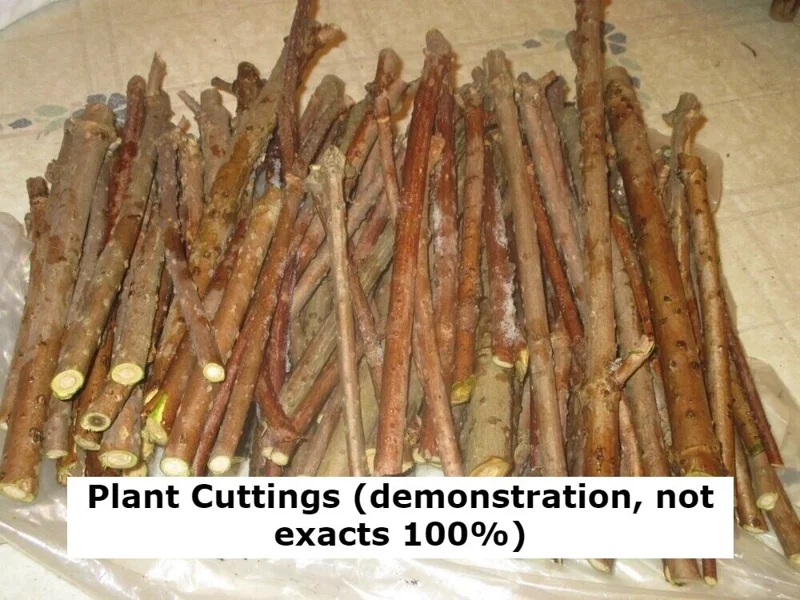
Introduce a touch of grandeur and natural beauty to your landscape with these premium tulip poplar tree cuttings. Known scientifically as Liriodendron tulipifera, the Tulip Poplar is a remarkable deciduous tree celebrated for its rapid growth and distinctive, tulip-like yellow-orange flowers that bloom in late spring to early summer. This offering includes 7 robust cuttings, providing an excellent opportunity to propagate and establish several of these magnificent trees in your garden. The Tulip Poplar, also commonly referred to as the Tulip Tree or Yellow Poplar, is not a true poplar but a member of the magnolia family, offering unique characteristics that make it a favorite for both ornamental and ecological purposes. These cuttings are carefully selected to ensure a high success rate for rooting, allowing you to enjoy the rewarding process of growing your own shade trees from the ground up.
The Liriodendron tulipifera is native to eastern North America and is one of the tallest deciduous trees in the region, capable of reaching impressive heights. Its straight trunk and broad, conical crown make it an ideal choice for large properties, parks, and naturalized areas where its stately presence can be fully appreciated. Beyond its aesthetic appeal, the Tulip Poplar is a valuable tree for local ecosystems, providing nectar for pollinators like bees and hummingbirds, and serving as a host plant for various butterfly and moth species. By planting these tulip poplar tree cuttings, you’re not just growing a tree; you’re cultivating a piece of ecological heritage that will thrive for generations.
Key Benefits
The Tulip Poplar tree offers a multitude of benefits for any garden or landscape. Its striking appearance and ecological value make it a truly exceptional choice for homeowners and gardeners alike. Here are some of the key advantages of growing this magnificent tree:
- Stunning Floral Display: Enjoy unique, cup-shaped, yellow flowering tree blooms that resemble tulips, appearing in late spring. These eye-catching flowers add a vibrant splash of color and attract beneficial pollinators to your garden.
- Rapid Growth Rate: Known as a fast growing tree, the Tulip Poplar quickly establishes itself and provides shade and visual interest in a relatively short period, making it an excellent investment for new landscapes.
- Excellent Shade Provider: With its large, broad canopy, the Tulip Poplar creates ample shade, perfect for cooling your home, creating comfortable outdoor living spaces, or protecting other plants from intense summer sun. This makes it an ideal shade tree for any large yard.
- Ecological Value: The flowers are a significant nectar source for bees and hummingbirds, while the foliage supports various butterfly and moth larvae, contributing to local biodiversity.
- Distinctive Foliage: The uniquely lobed, saddle-shaped leaves turn a beautiful golden-yellow in the fall, adding seasonal interest and extending the tree’s ornamental appeal.
- Hardy and Adaptable: These trees are resilient and can tolerate a wide range of climates and soil conditions, making them relatively easy to care for once established.
- Versatile Landscape Use: Ideal for specimen planting, large shade trees, or naturalizing in woodland gardens. The Tulip Poplar’s majestic size commands attention and enhances any spacious setting.
Plant Care & Growing Tips
Successfully growing tulip poplar tree cuttings requires attention to a few key care aspects. These cuttings are the beginning of a robust tree, and proper initial care will ensure their establishment. Once rooted and planted, the Tulip Poplar is a relatively low-maintenance tree, but understanding its preferences will help it flourish. The best time to root these cuttings is typically in the spring or early summer when the plant is actively growing. Provide a well-draining rooting medium, such as a mix of peat moss and perlite, and keep it consistently moist but not waterlogged. Using rooting hormone can significantly increase the success rate. Place the cuttings in a warm location with bright, indirect light, and consider covering them with a plastic dome or bag to maintain high humidity.
Once your Liriodendron tulipifera cuttings have developed a strong root system, they can be transplanted to a prepared site. This yellow flowering tree thrives in full sun, meaning at least 6 hours of direct sunlight per day. It prefers deep, rich, moist, and well-drained soils with a slightly acidic to neutral pH. While it is adaptable to various soil types, avoid compacted or extremely dry conditions. Water newly planted trees regularly to help them establish, gradually reducing frequency as they mature. During dry spells, even mature trees can benefit from supplemental watering. Fertilization is generally not necessary for established trees in good soil, but young trees can benefit from a balanced, slow-release fertilizer in early spring. Pruning is typically minimal, focusing on removing dead, damaged, or crossing branches to maintain a strong structure. Keep an eye out for common pests like aphids and scale, and diseases such as canker, though the Tulip Poplar is generally quite resistant. Its resilience makes it an excellent choice for a long-lived shade tree.
Size & Details
This offering provides 7 healthy tulip poplar tree cuttings, ready for you to begin the propagation process. Each cutting is carefully selected to provide optimal chances for rooting and growth, typically ranging from 6 to 12 inches in length. Once rooted and established, a Tulip Poplar tree is renowned for its vigorous growth. Young trees can grow 2-3 feet per year, quickly developing into a substantial presence in your landscape. Mature trees typically reach heights of 70-90 feet, with some specimens exceeding 100 feet. The spread can be significant, often 30-50 feet wide, forming a broad, conical canopy that provides ample shade. These cuttings will ship as bare stems, requiring immediate attention upon arrival to begin the rooting process. With proper care, you can expect these cuttings to develop into strong, healthy saplings within their first growing season, ready to be planted out in your garden or a larger container.
The Liriodendron tulipifera is a long-lived species, capable of gracing your landscape for over 100 years. The distinctive yellow, tulip-like flowers typically appear on trees that are 10-15 years old, adding an annual spectacle to your garden. The leaves, with their unique four-lobed shape, provide a lush green canopy through spring and summer, transforming into a brilliant golden-yellow in the fall. These tulip poplar tree cuttings are an economical and rewarding way to cultivate this iconic American tree, allowing you to experience its full life cycle from a small cutting to a majestic shade provider.
Frequently Asked Questions
- Q: How big will the Tulip Poplar tree grow from these cuttings? A: Once rooted and established, a Tulip Poplar tree is a fast-growing species that can reach impressive heights of 70-90 feet with a spread of 30-50 feet at maturity. Young trees can grow 2-3 feet annually.
- Q: Are these cuttings for an indoor or outdoor plant? A: The Tulip Poplar tree is a large deciduous tree best suited for outdoor planting. It requires ample space to grow and thrive, providing excellent shade and ornamental value in a garden or landscape.
- Q: How much sunlight does a Tulip Poplar need? A: For optimal growth and flowering, the Liriodendron tulipifera requires full sun, meaning at least 6 hours of direct sunlight per day. It can tolerate partial shade but may have less vigorous growth and fewer blooms.
- Q: Is this tree easy to care for, especially for beginners? A: Once established, the Tulip Poplar tree is relatively low-maintenance. The initial rooting of the cuttings requires some attention, but with proper care, it’s a rewarding project for gardeners of all levels. It’s a hardy and adaptable yellow flowering tree.
- Q: What condition will the cuttings arrive in? A: The 7 tulip poplar tree cuttings will arrive as bare stems, carefully packaged to ensure their viability. They will need to be placed in a rooting medium and given proper care immediately upon arrival to encourage root development.
- Q: When is the best time to plant these Tulip Poplar cuttings? A: The best time to root and plant these cuttings is in the spring or early summer, allowing them ample time to establish roots and grow before colder weather sets in. This ensures the best chance for your future shade tree.
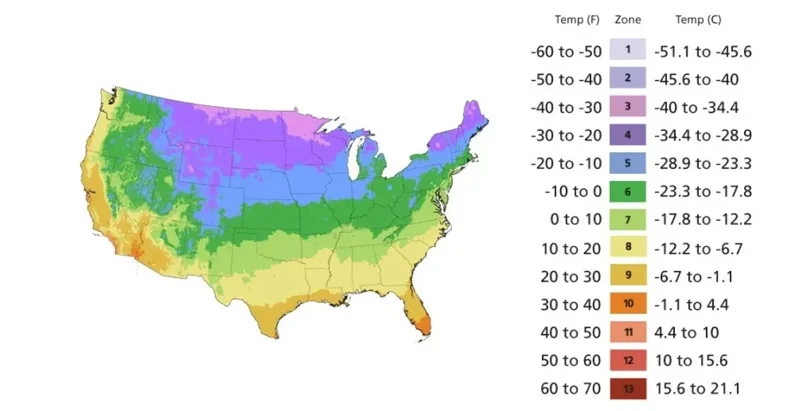
- Q: What USDA Hardiness Zones are suitable for the Tulip Poplar? A: The Liriodendron tulipifera is hardy in USDA Zones 4-9, making it suitable for a wide range of climates across the United States. Ensure your local zone falls within this range for successful long-term growth.














Reviews
There are no reviews yet.